
 English



























How to Fix Common Bathroom Plumbing Problems
-
Admin_Renovators / 5 months
- April 15, 2026
- 0
- 4 min read

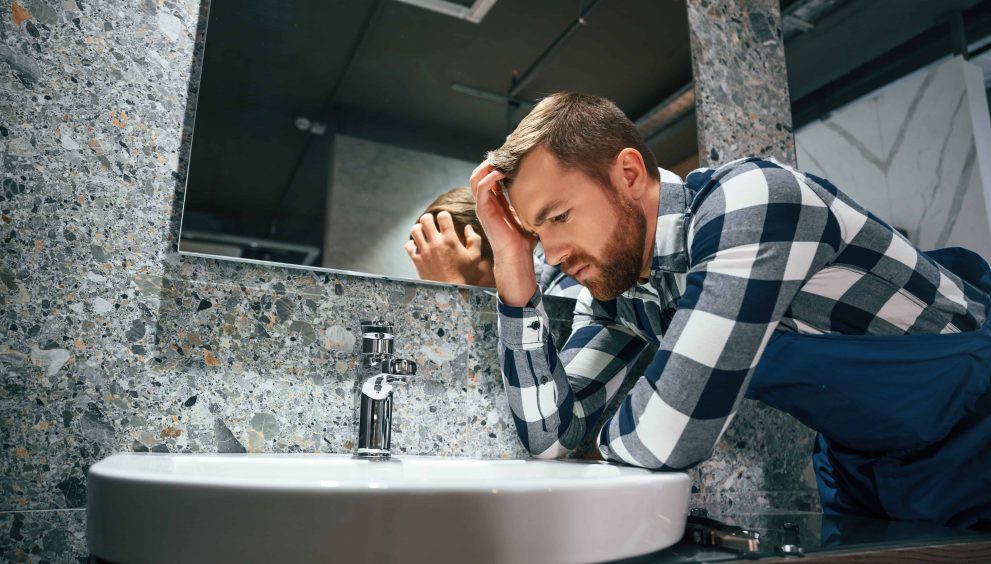
Bathroom plumbing problems are some of the most common household issues, and they can quickly become frustrating if not addressed properly. From dripping faucets to clogged drains, these issues often seem minor at first but can lead to higher water bills and costly damage if ignored. The good news is that many bathroom plumbing problems can be fixed with basic tools and a little know-how. Here’s a complete guide to identifying and fixing the most common bathroom plumbing issues.
1. Fixing a Leaky Faucet
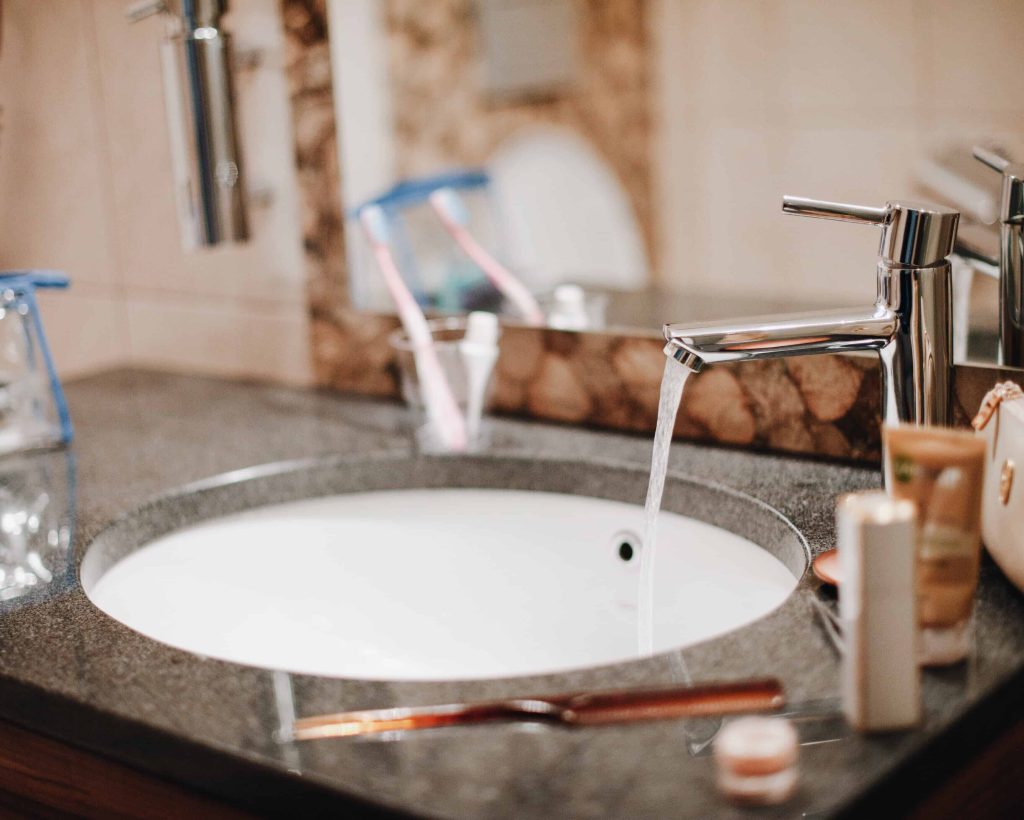
A dripping faucet is one of the most frequent bathroom plumbing problems. Even a small leak can waste a significant amount of water over time.
Common causes:
- Worn-out washer or O-ring
- Loose valve seat
- Corroded parts inside the faucet
How to fix it:
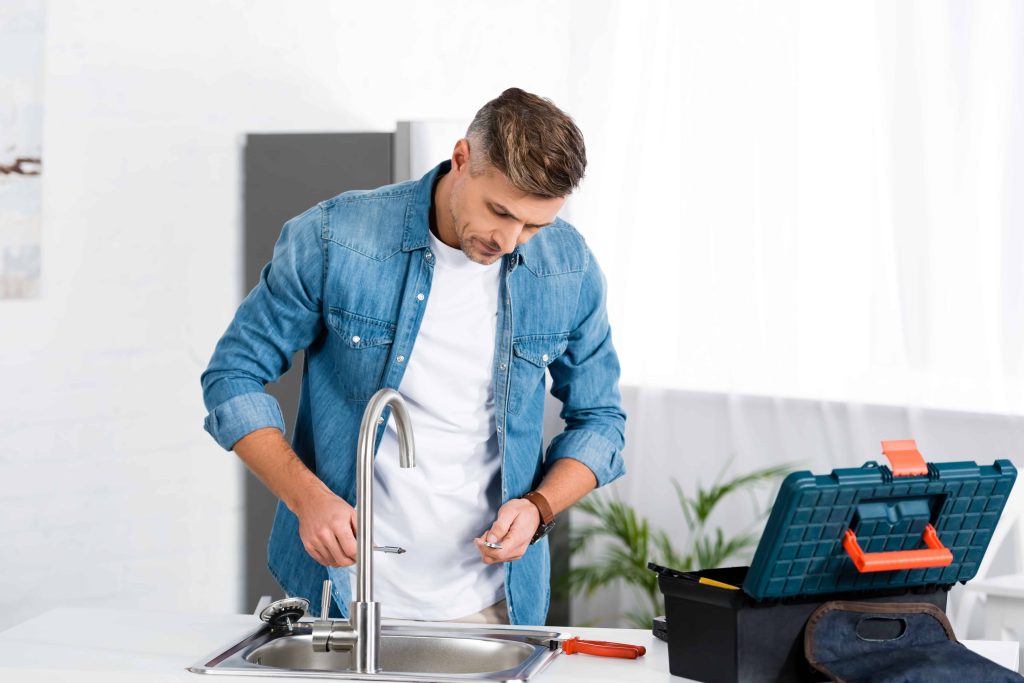
Start by turning off the water supply. Remove the faucet handle and inspect the internal components. Replace any worn-out washers or O-rings. If corrosion is present, you may need to replace the entire cartridge or valve assembly.
Once reassembled, turn the water back on and check for leaks. In many cases, this simple repair can completely stop the dripping.
2. Unclogging a Bathroom Sink Drain
Slow or clogged drains are usually caused by hair, soap buildup, or debris trapped in the pipes.
How to fix it:
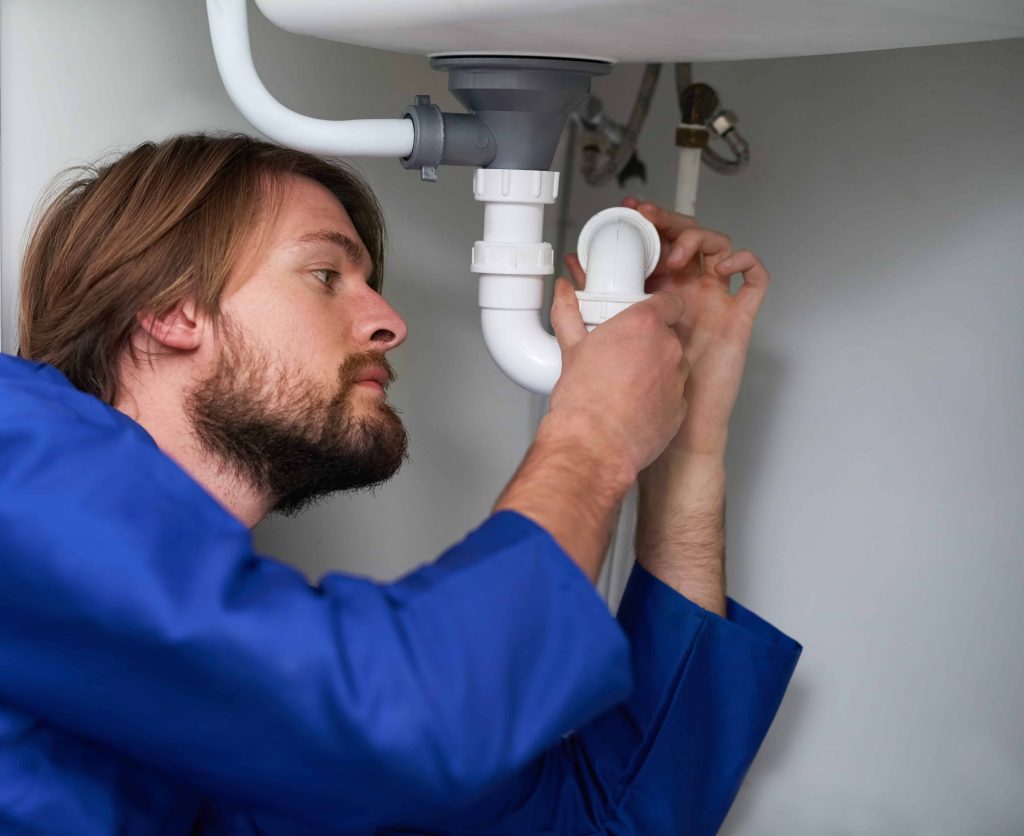
Begin with a plunger to loosen the blockage. If that doesn’t work, remove the drain cover and manually clear visible debris. A mixture of hot water, baking soda, and vinegar can also help break down buildup naturally.
For stubborn clogs, a drain snake or auger can be used to reach deeper blockages in the pipe. Avoid using harsh chemical drain cleaners frequently, as they can damage pipes over time.
3. Repairing a Running Toilet
A running toilet can waste hundreds of liters of water per day if left unfixed.
Common causes:
- Faulty flapper valve
- Improper float height
- Worn-out fill valve
How to fix it:
Open the toilet tank and inspect the flapper at the bottom. If it is warped or not sealing properly, replace it. Adjust the float to ensure water stops at the correct level. If the fill valve is faulty, replacing it is usually the best solution.
After adjustments, flush the toilet several times to confirm that the water stops correctly after each cycle.
4. Low Water Pressure in the Shower
Low water pressure can make showers uncomfortable and inefficient.
Common causes:
- Mineral buildup in showerhead
- Partially closed valves
- Pipe blockages
How to fix it:
Remove the showerhead and soak it in vinegar to dissolve mineral deposits. Clean any clogged nozzles with a small brush. Also check that the water valves are fully open.
If the problem persists, there may be sediment buildup in the pipes, which could require professional cleaning or pipe inspection.
5. Fixing a Leaky Toilet Base
Water pooling around the toilet base is a serious issue that often indicates a faulty wax ring seal.
How to fix it:
Turn off the water supply and empty the toilet tank. Remove the toilet carefully and inspect the wax ring at the base. If it appears damaged or compressed, replace it with a new one.
Once replaced, reinstall the toilet securely and ensure it is properly aligned. Tighten the bolts evenly to prevent rocking.
6. Dripping Showerhead
A dripping showerhead is often caused by worn washers or mineral buildup.
How to fix it:
Remove the showerhead and clean it thoroughly. Soak it in vinegar to remove mineral deposits. Replace any damaged washers or seals inside the connection point.
If the dripping continues, the issue may be with the shower valve inside the wall, which might require professional repair.
7. Preventing Future Plumbing Problems
Prevention is key to avoiding recurring bathroom plumbing issues. Here are a few tips:
- Avoid flushing non-degradable items
- Clean drains regularly to prevent buildup
- Check for leaks periodically
- Install drain strainers to catch hair and debris
- Schedule routine plumbing inspections
Simple maintenance can extend the life of your plumbing system and reduce repair costs.
Conclusion
Bathroom plumbing problems are common, but most of them can be fixed with basic tools and timely action. Whether it’s a leaking faucet, clogged drain, or running toilet, understanding the root cause helps you solve the issue efficiently. Regular maintenance and early repairs not only save water but also prevent costly damage to your bathroom.
By staying proactive and addressing small issues early, you can keep your bathroom plumbing system running smoothly for years to come.