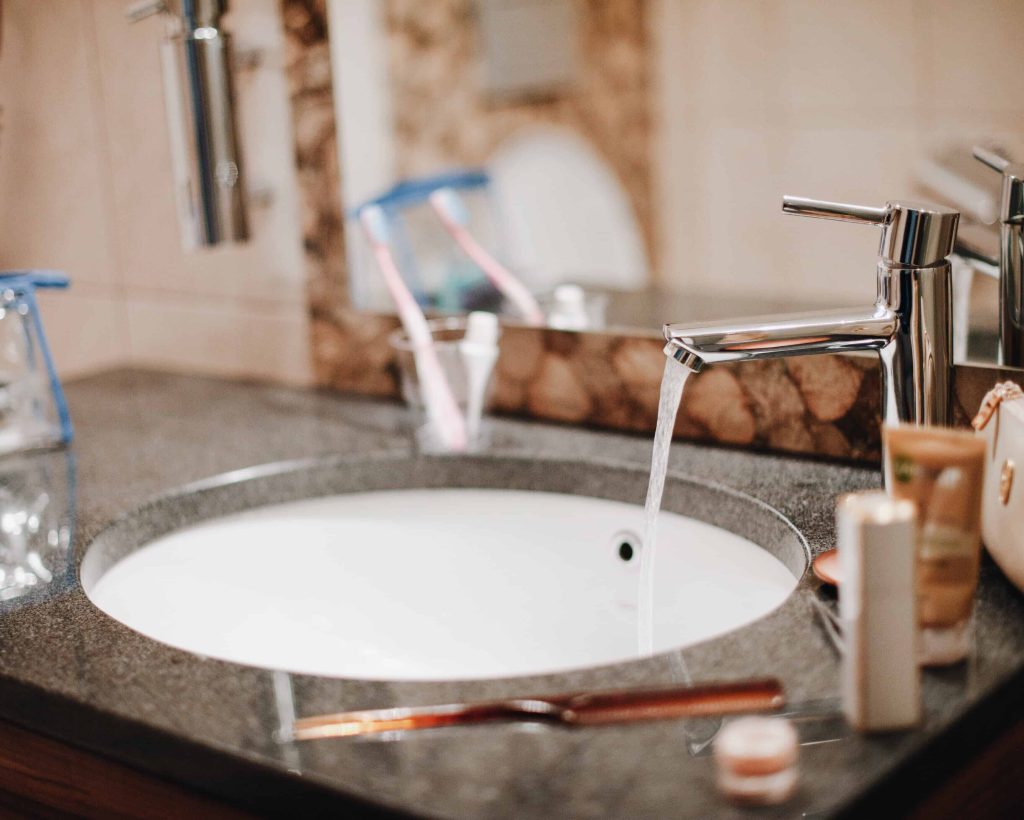
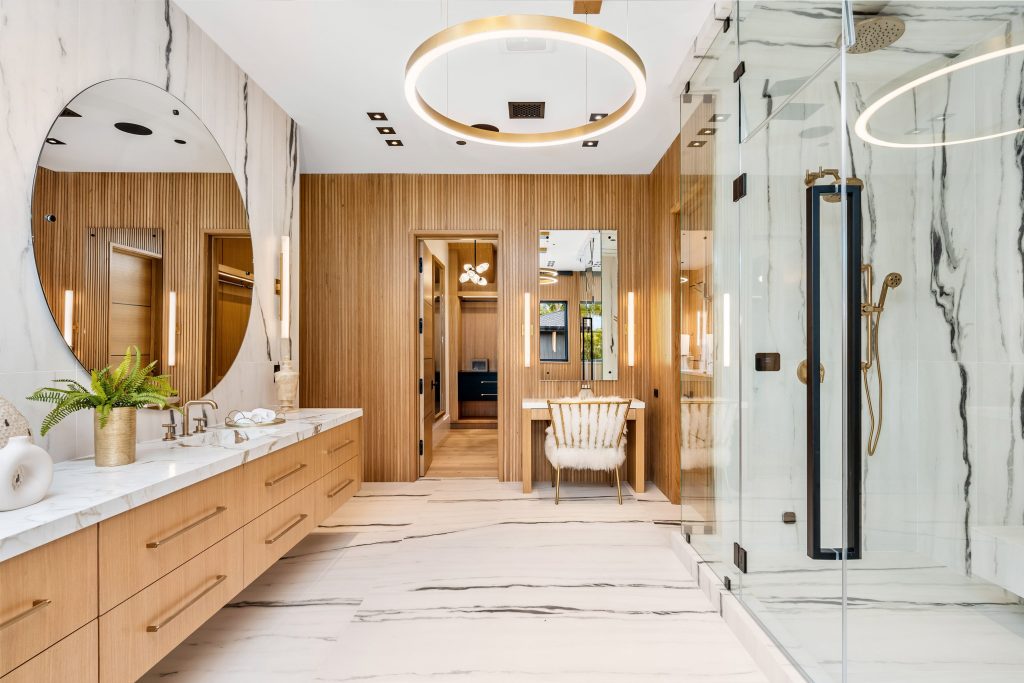
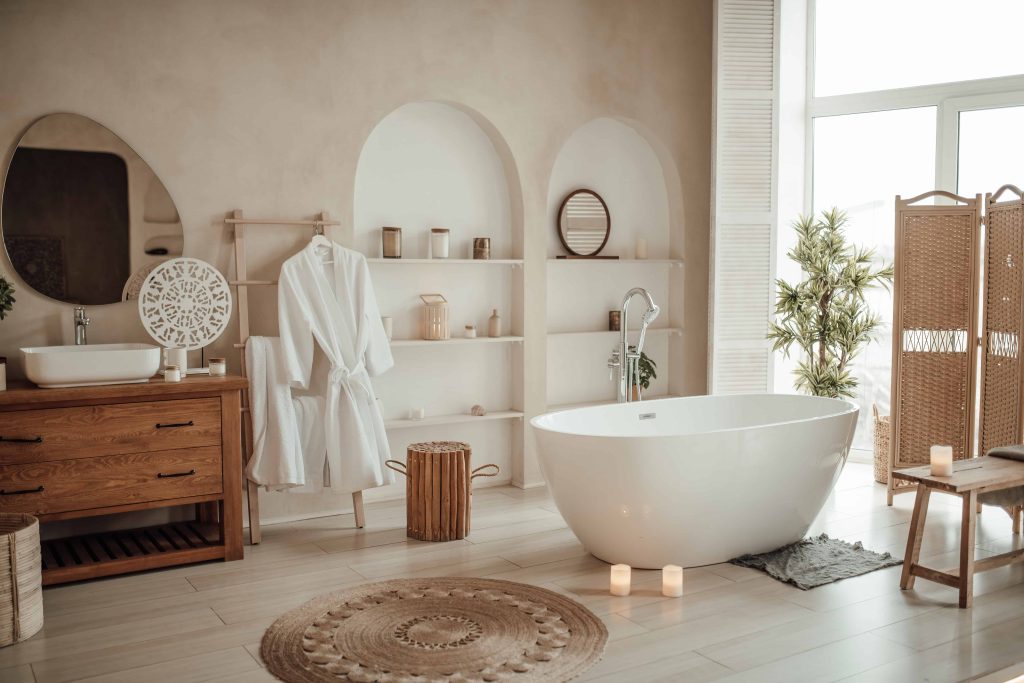
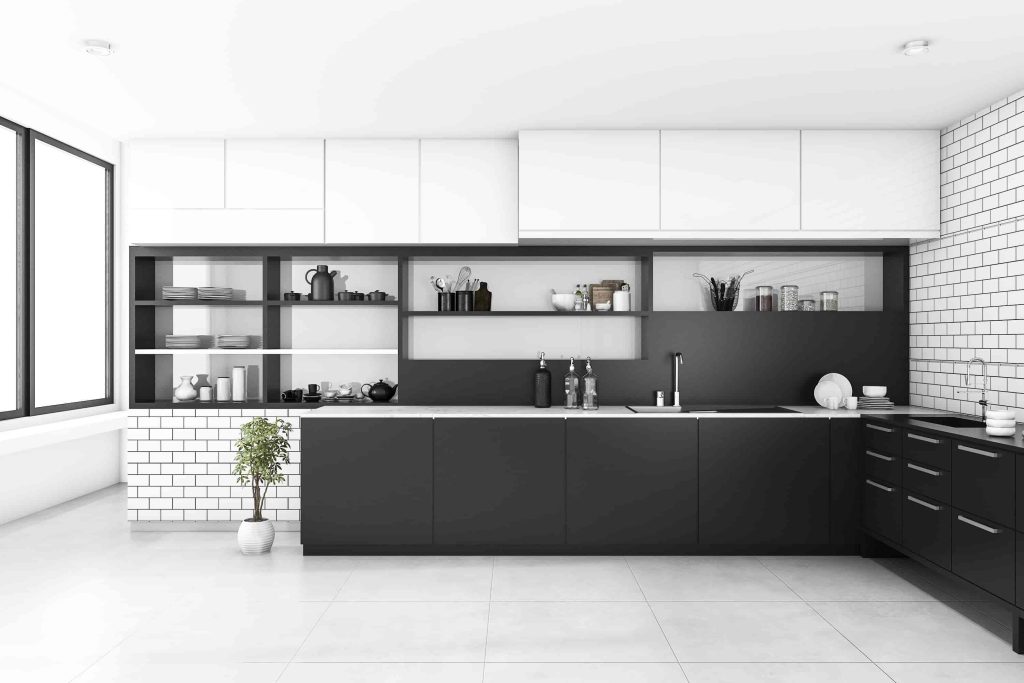
Lighting is one of the most important elements in home design, yet it is often overlooked. The right lighting can completely change how a space looks and feels—it can make a small room appear larger, a dull room feel warm and inviting, and a plain space look stylish and modern.
Improving home lighting is not just about adding more lights. It is about using the right combination of brightness, placement, and style to create a comfortable and balanced atmosphere.
In this guide, we’ll explore practical ways to improve home lighting for better ambience in every room.
1. Understand the Three Layers of Lighting
The foundation of good lighting design is layering. A well-lit home always uses a combination of three types of lighting:
Ambient Lighting (General Lighting)
This is the main source of light in a room. It provides overall brightness.
Examples:
- Ceiling lights
- Chandeliers
- Recessed lighting
Task Lighting
This lighting is focused on specific activities.
Examples:
- Desk lamps
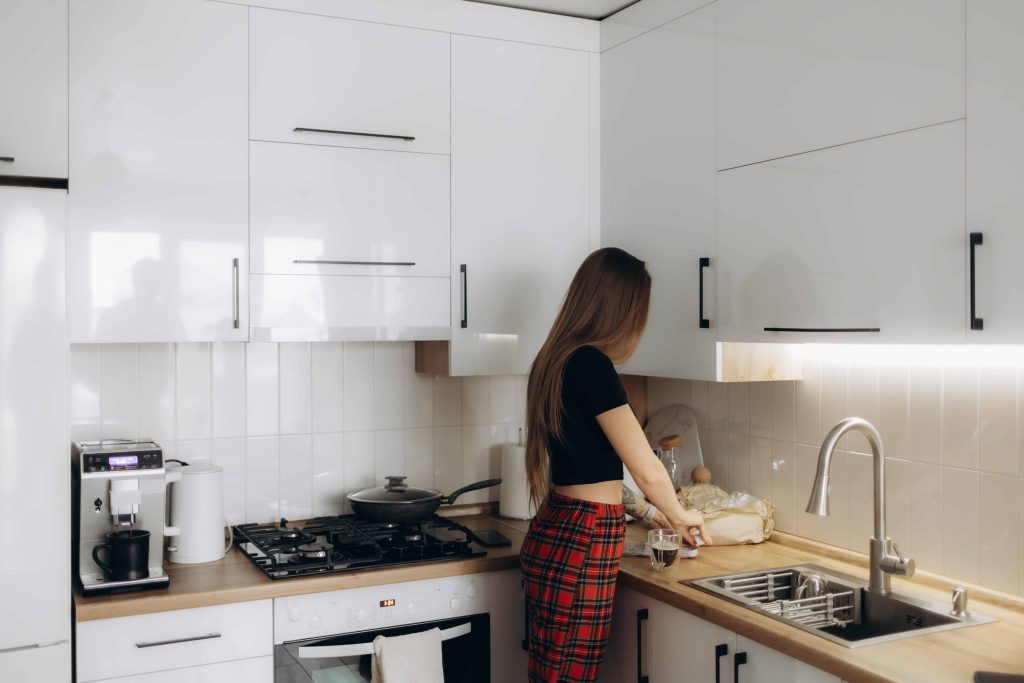
- Kitchen counter lights
- Reading lamps
Accent Lighting
Accent lighting highlights décor and architectural features.
Examples:
- LED strip lights
- Wall sconces
- Spotlights on artwork
When these three layers are combined, your home feels more balanced and visually appealing.
2. Use Warm Lighting for a Cozy Atmosphere
Light temperature has a major impact on ambience.
Warm Light (2700K–3000K):
- Creates a cozy and relaxing environment
- Best for bedrooms and living rooms
- Makes spaces feel inviting
Cool Light (4000K–5000K):
- Bright and energetic
- Best for kitchens, bathrooms, and work areas
- Improves visibility and focus
For a comfortable home ambience, use warm lighting in relaxation areas and cool lighting in functional spaces.
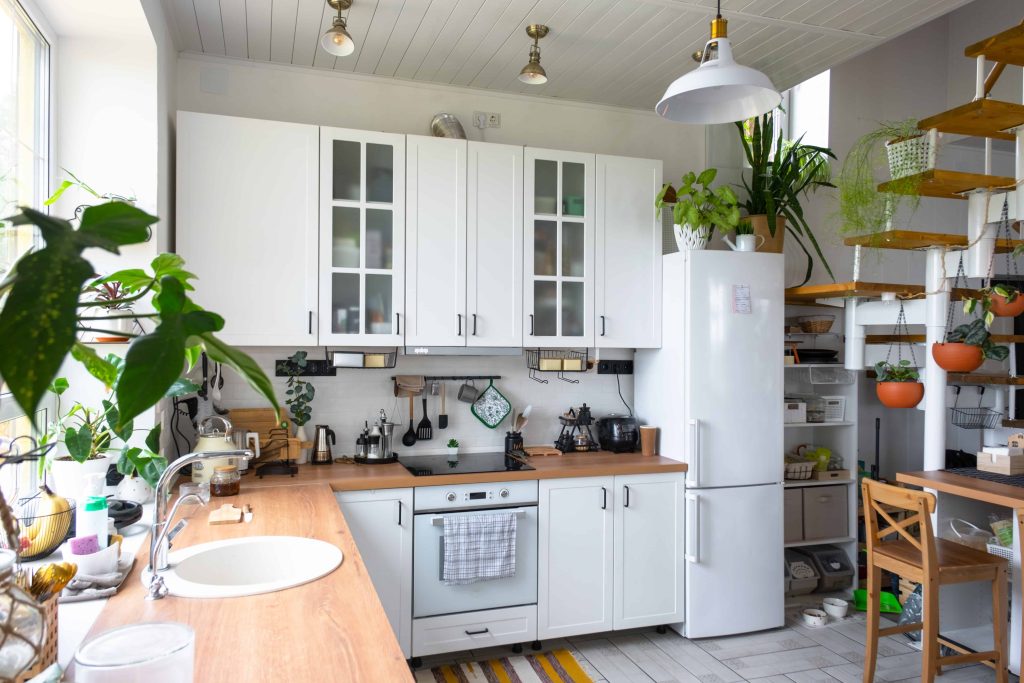
3. Maximize Natural Light
Natural light is the most beautiful and cost-effective form of lighting.
How to improve it:
- Use light or sheer curtains
- Keep windows clean and unobstructed
- Place mirrors opposite windows
- Use reflective surfaces like glass or light-colored walls
Natural light makes any space feel brighter, fresher, and more spacious.
4. Add Dimmer Switches for Flexibility
One of the simplest ways to improve ambience is by installing dimmer switches.
Benefits:
- Adjust brightness based on mood or time of day
- Create soft lighting for evenings
- Save energy
- Extend bulb lifespan
Dimmer switches allow you to control the atmosphere of a room instantly.
5. Use Layered Lighting in Every Room
Each room should have multiple light sources instead of just one overhead light.
Example:
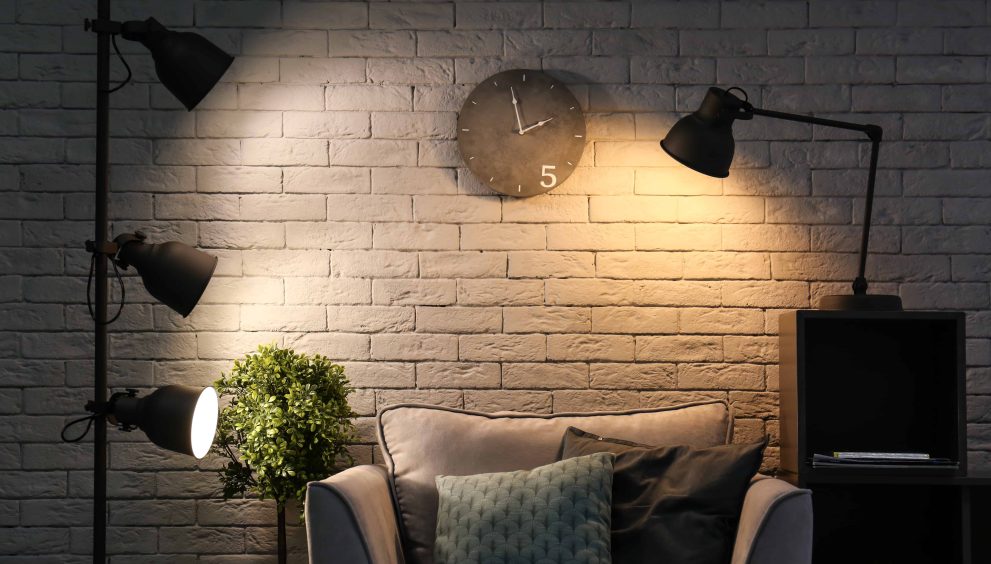
In a living room:
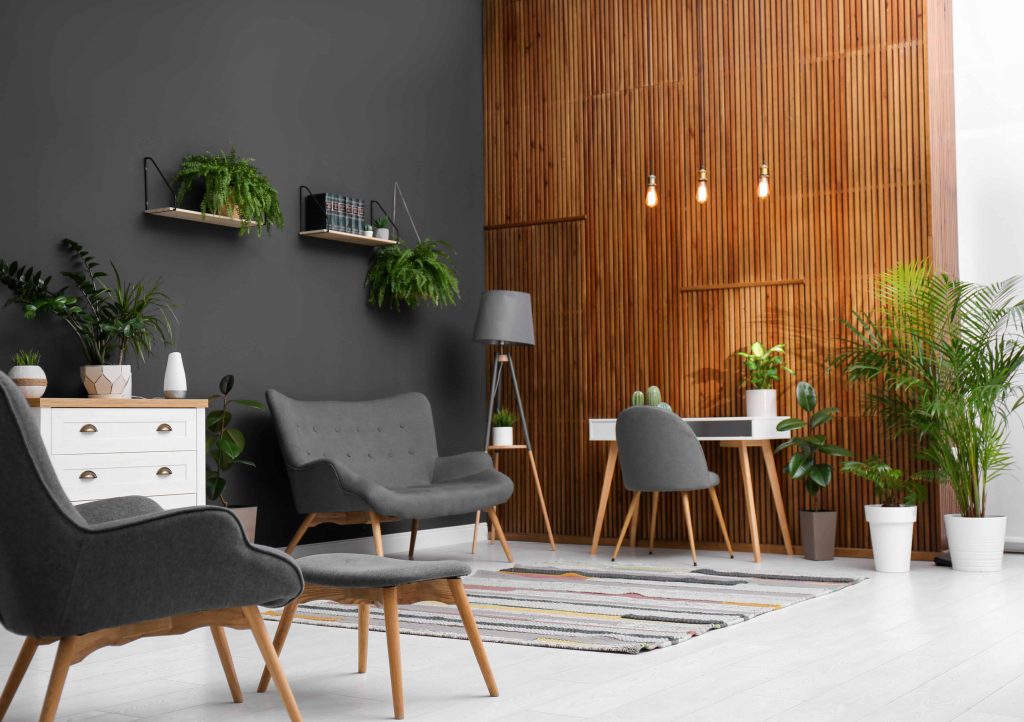
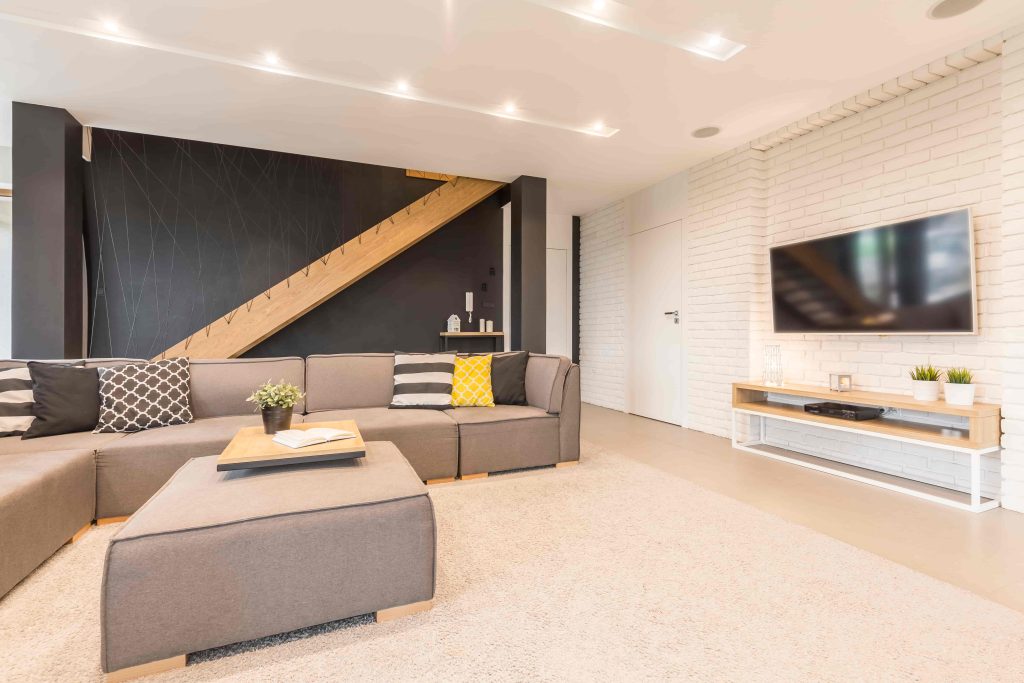
- Ceiling light for general brightness
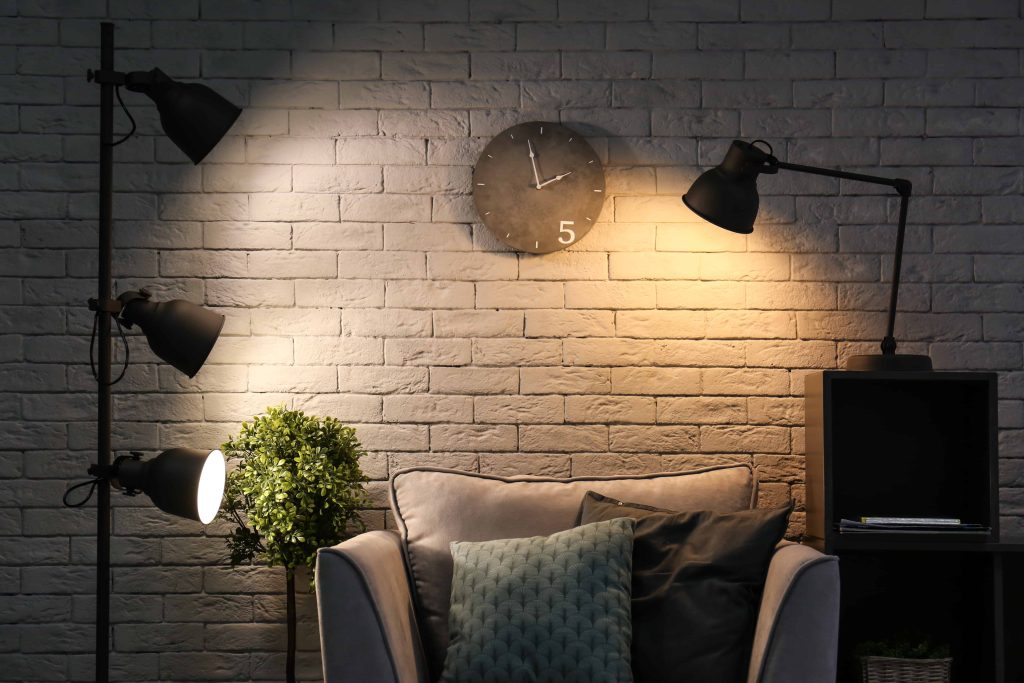
- Floor lamp for reading
- Wall lighting or LED strips for ambiance
Layered lighting adds depth and prevents harsh shadows.
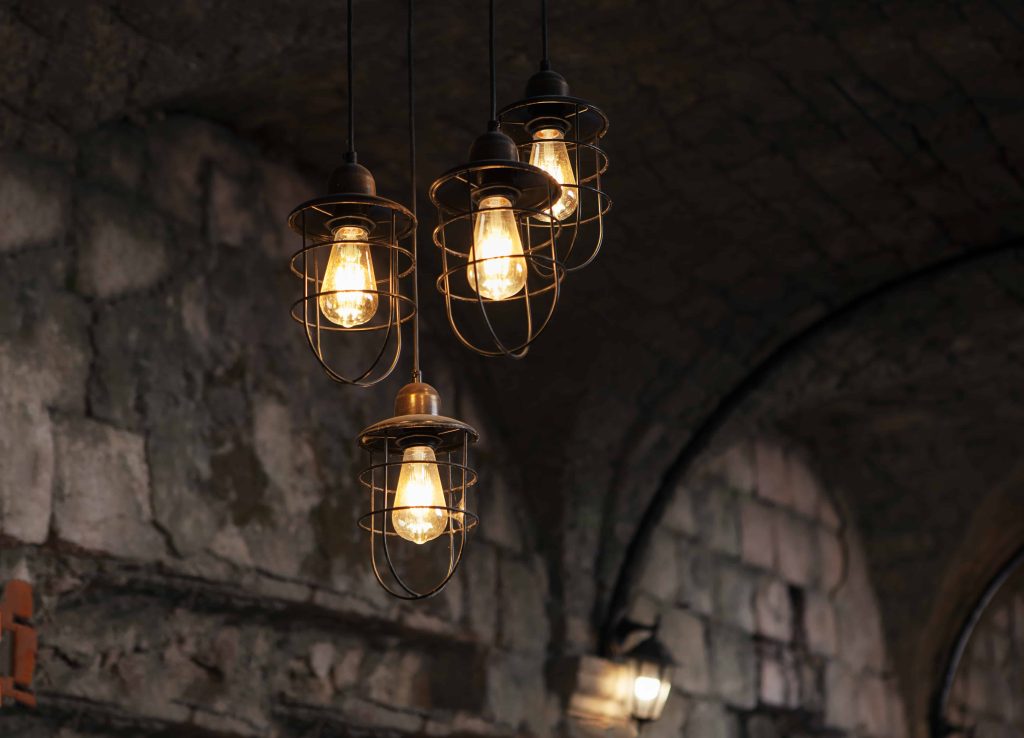
6. Choose Stylish Light Fixtures
Lighting fixtures are not just functional—they are also part of your décor.
Modern lighting styles:
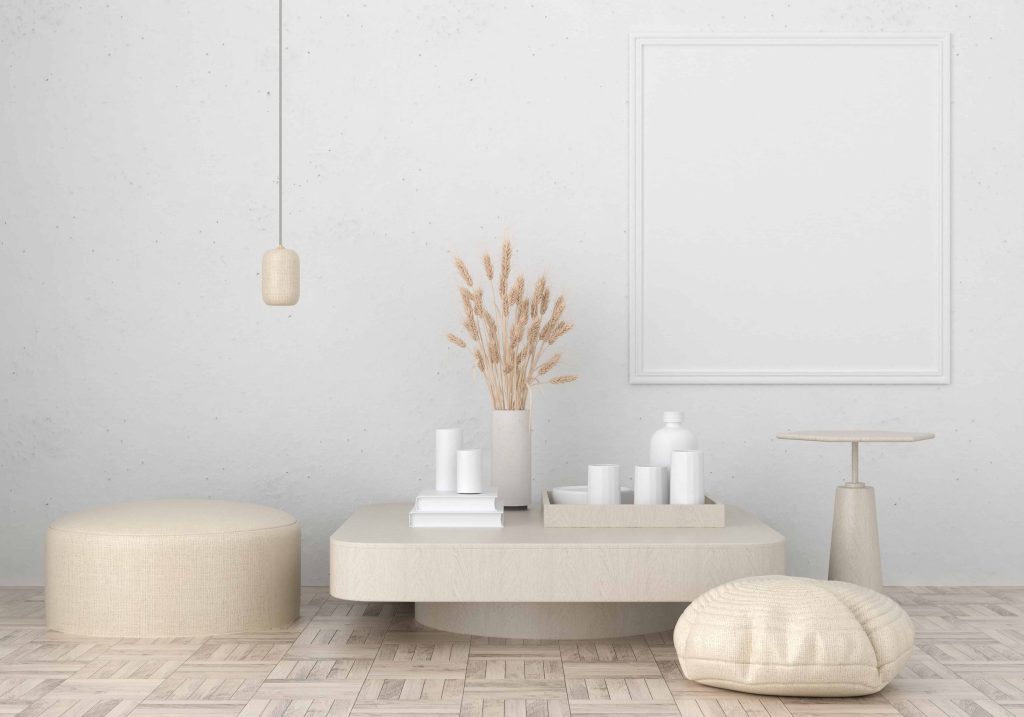
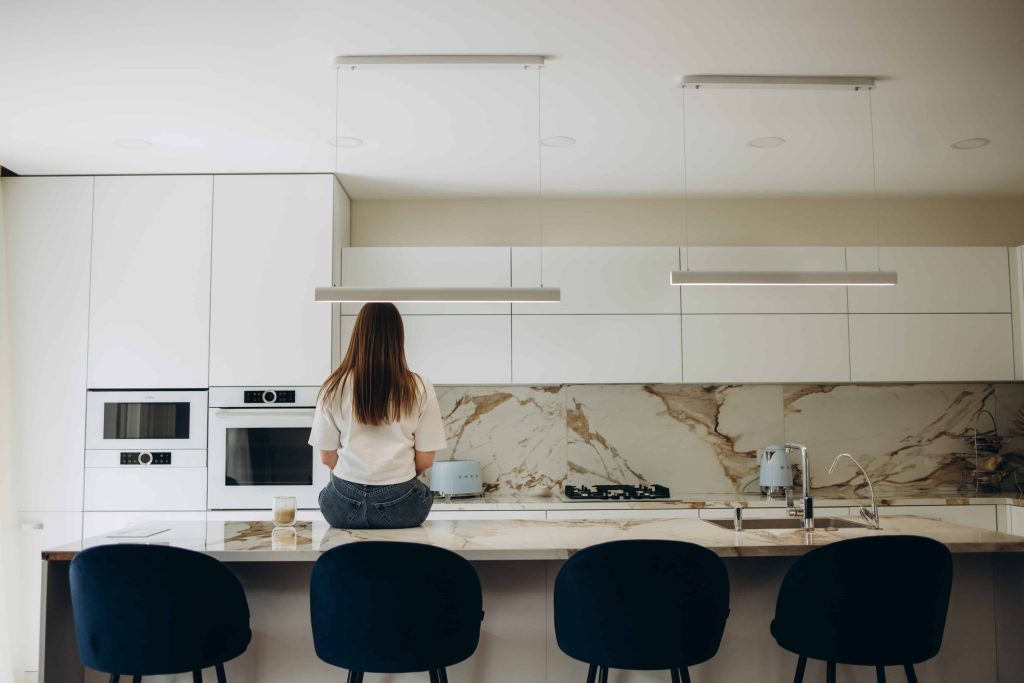
- Minimalist pendant lights
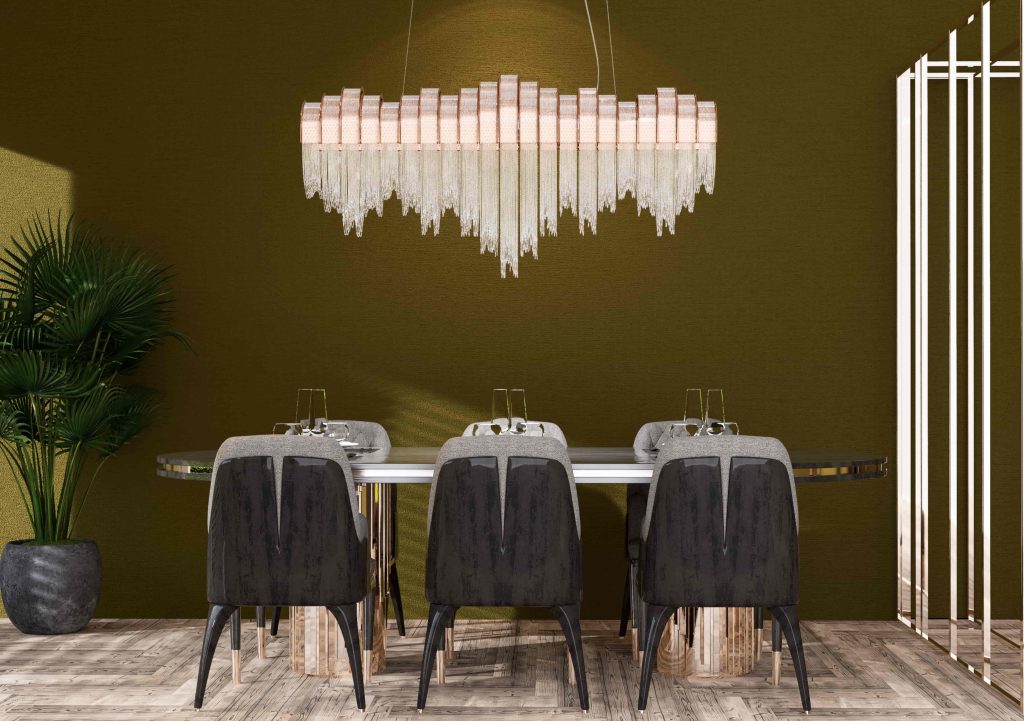
- Geometric chandeliers
- Matte black or brass finishes
- Hidden LED lighting
A well-designed fixture can act as a focal point in a room.
7. Use Mirrors to Reflect Light
Mirrors are a powerful tool for improving lighting without adding more fixtures.
Benefits:
- Reflect natural and artificial light
- Make rooms feel larger
- Brighten dark corners
Best placement:
- Opposite windows
- Behind light sources
- In narrow hallways
This simple trick enhances brightness and ambience instantly.
8. Highlight Key Areas with Accent Lighting
Accent lighting adds depth and character to your home.
Ideas:
- LED strips under cabinets
- Spotlights on artwork
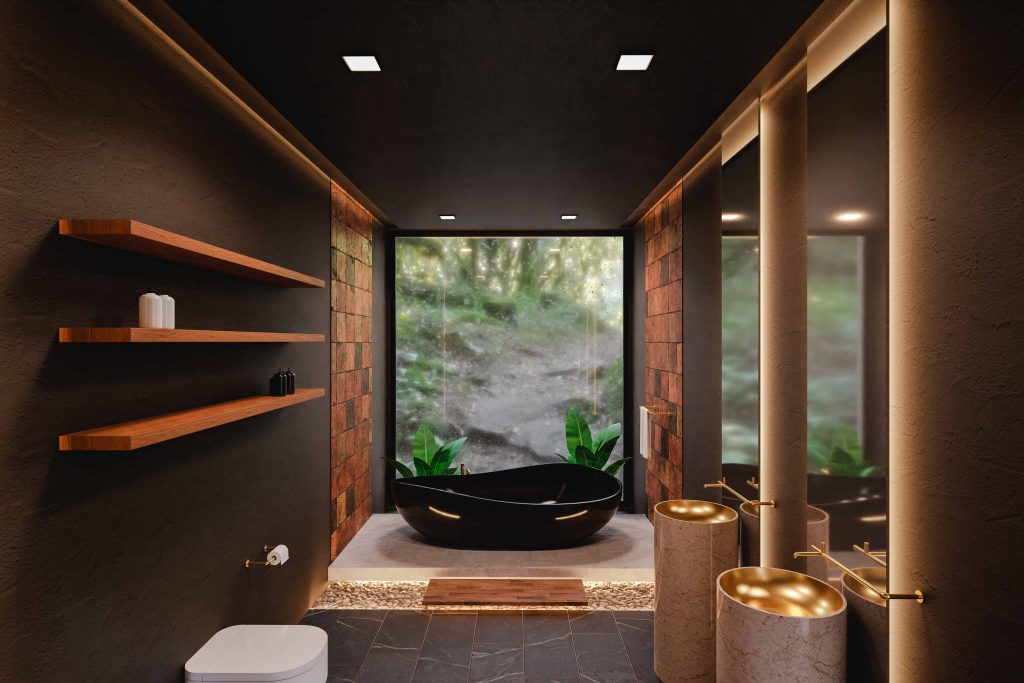
- Backlit mirrors
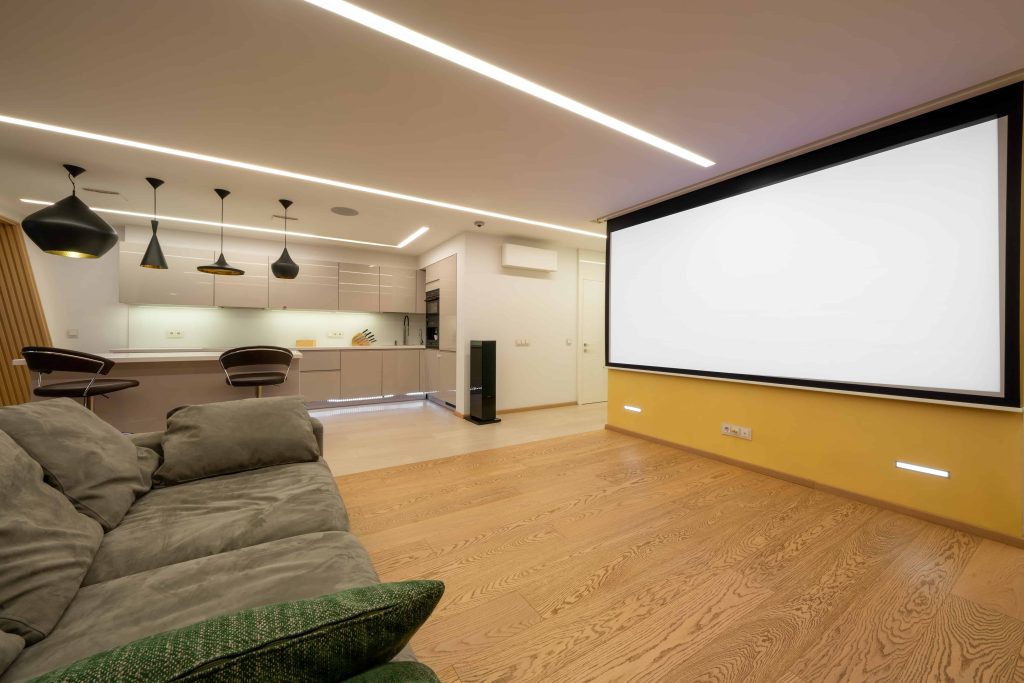
- Cove lighting in ceilings
Accent lighting creates a modern and luxurious feel when used correctly.
9. Avoid Harsh Overhead Lighting
A single bright ceiling light can make a room feel flat and uncomfortable.
Instead:
- Use multiple light sources
- Soften brightness with shades or covers
- Add lamps for balance
Soft, distributed lighting always creates a better ambience than harsh direct lighting.
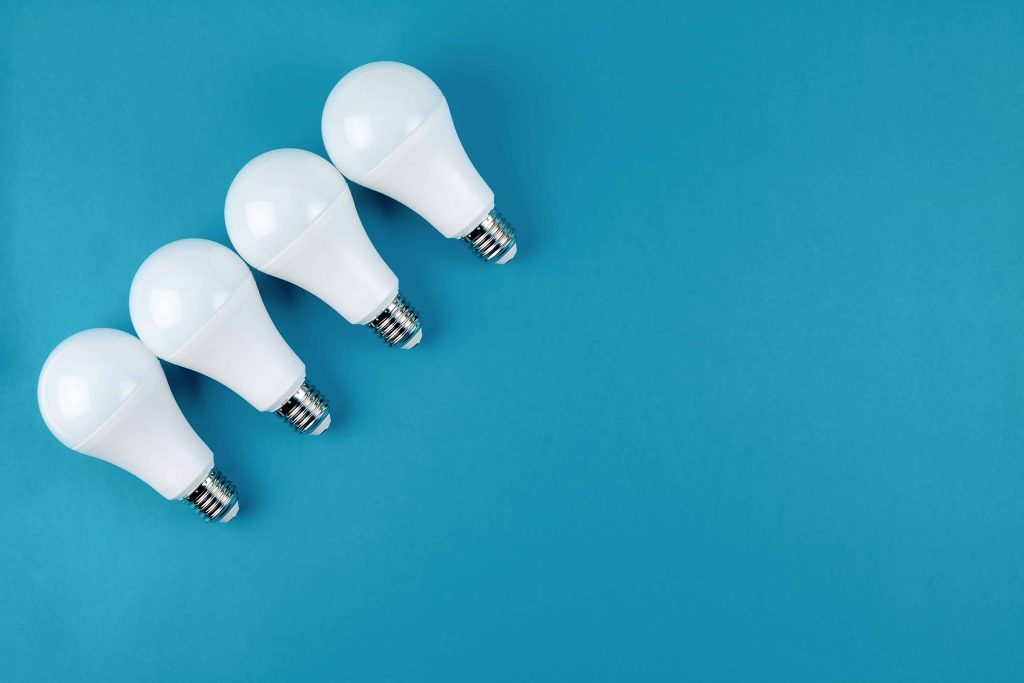
10. Use LED Lighting for Efficiency and Style
LED lights are the modern standard for home lighting.
Advantages:
- Energy-efficient
- Long-lasting
- Available in different color temperatures
- Compatible with smart systems
LED strips and bulbs also allow for creative lighting designs in modern homes.
11. Match Lighting with Room Purpose
Each room needs different lighting based on its function.
Living Room:
Warm, layered lighting for relaxation
Kitchen:
Bright, focused lighting for cooking
Bedroom:
Soft, dimmable lighting for comfort
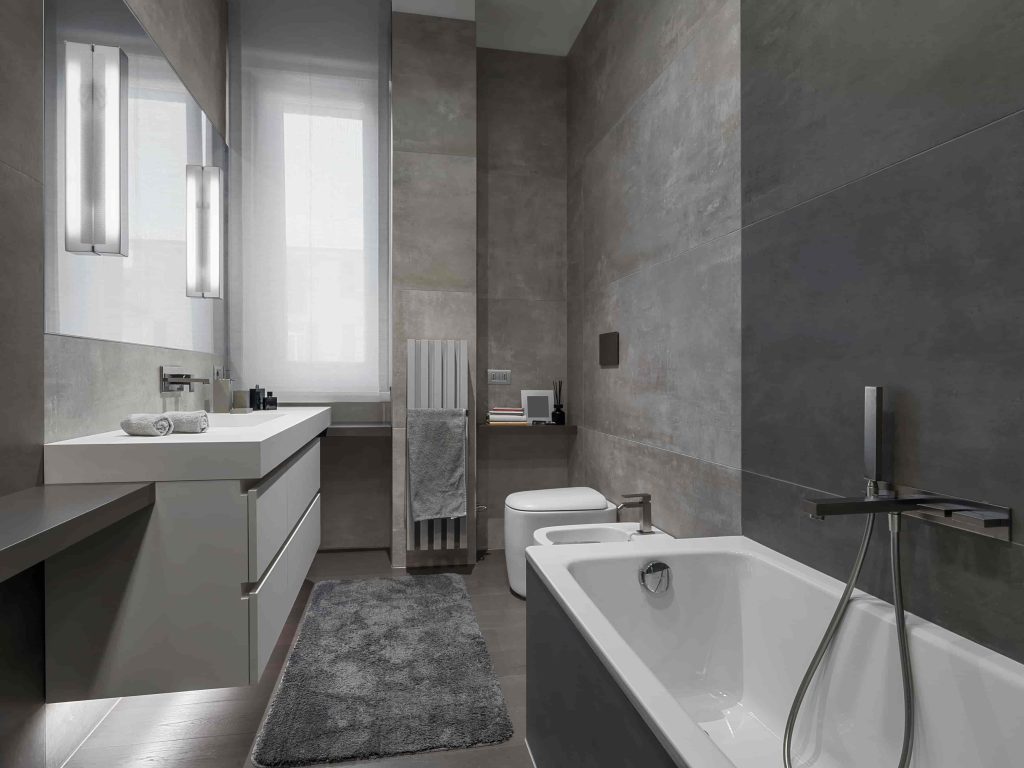
Bathroom:
Clear, bright lighting for grooming
When lighting matches function, the ambience feels natural and balanced.
12. Add Smart Lighting Systems
Smart lighting adds convenience and modern control to your home.
Features:
- Voice or app control
- Adjustable colors and brightness
- Scheduled lighting settings
- Energy-saving automation
Smart lighting allows you to change the mood of your home instantly.
Final Thoughts
Improving home lighting is one of the most effective ways to enhance ambience without major renovations. By combining layered lighting, natural light, warm tones, and smart fixtures, you can completely transform the atmosphere of your home.
The key is balance—too much light feels harsh, while too little feels dull. When planned correctly, lighting can make your home feel more spacious, comfortable, and visually appealing.
A well-lit home is not just brighter—it is more welcoming, functional, and enjoyable to live in every day.
 English