Electricity powers almost every aspect of modern living—from lighting and appliances to heating, cooling, and entertainment. However, inefficient electrical usage can lead to high energy bills, unnecessary waste, and increased environmental impact. Improving electrical efficiency at home is not just about saving money; it’s about creating a smarter, more sustainable, and comfortable living environment.
The good news is that improving energy efficiency doesn’t always require major renovations. With the right strategies and upgrades, you can significantly reduce electricity consumption while maintaining (or even improving) performance.
In this comprehensive guide, we’ll explore practical and effective ways to improve electrical efficiency in your home.
Why Electrical Efficiency Matters
Improving electrical efficiency offers several benefits:
- Lower energy bills: Reduced electricity usage means lower monthly costs
- Environmental impact: Less energy consumption reduces carbon emissions
- Longer appliance lifespan: Efficient systems experience less strain
- Improved comfort: Better temperature control and lighting quality
- Increased home value: Energy-efficient homes are more attractive to buyers
Efficiency is about using less energy to achieve the same—or better—results.
1. Switch to LED Lighting
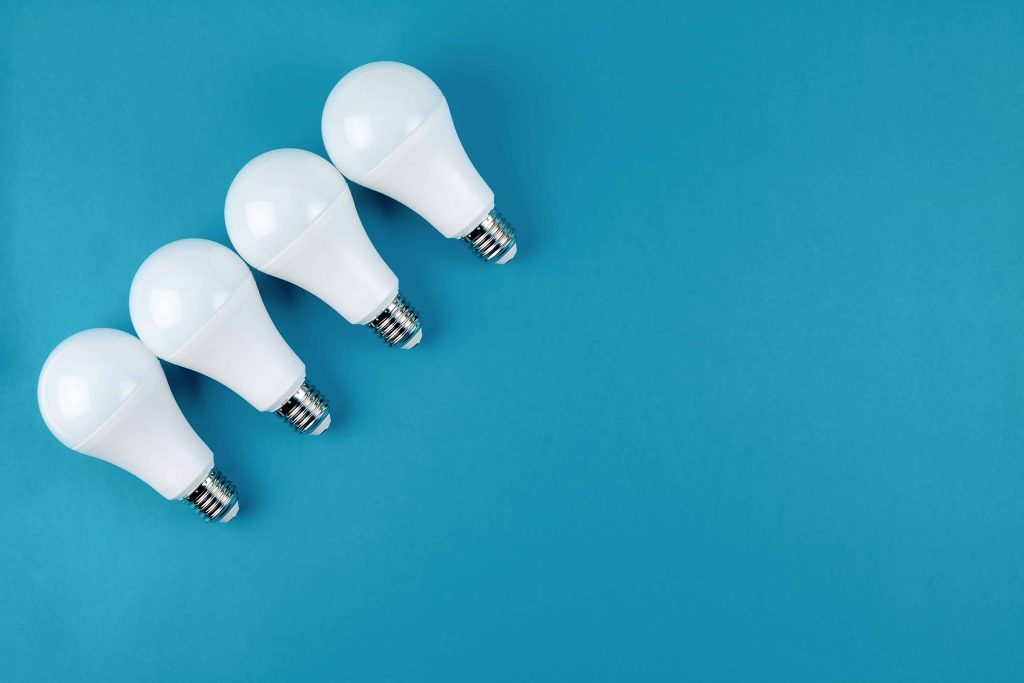
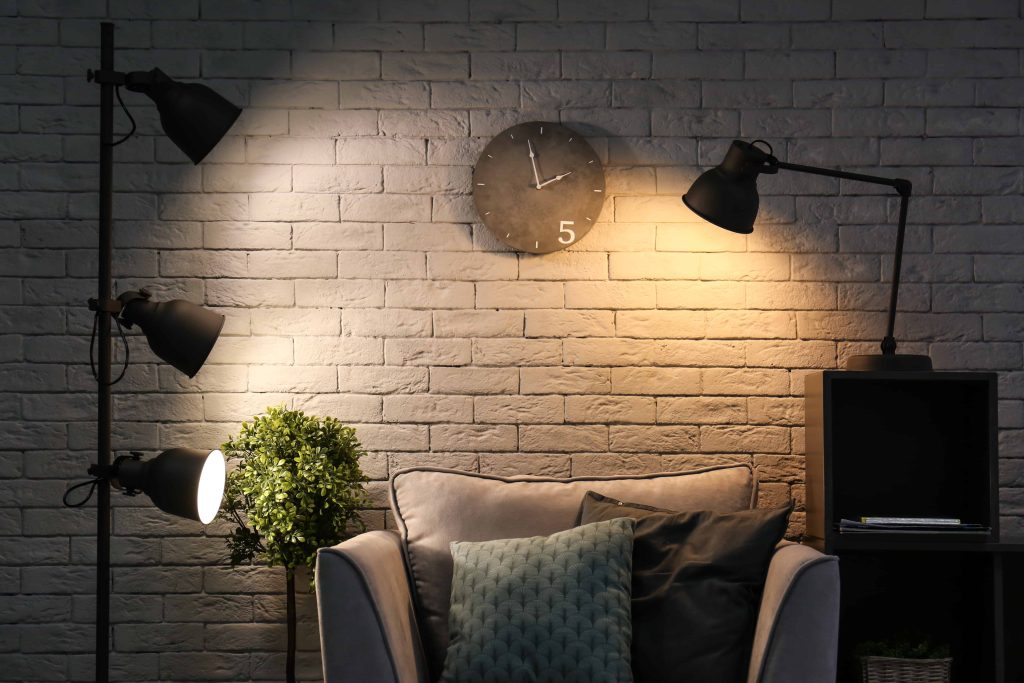
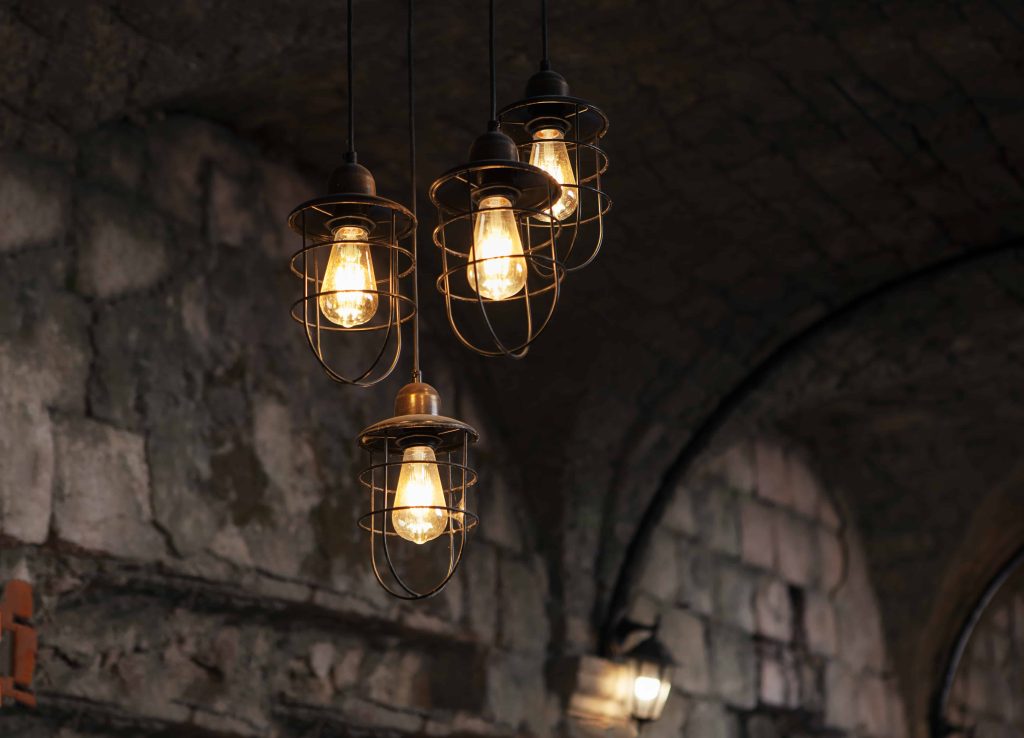
One of the easiest and most impactful upgrades is replacing traditional bulbs with LED lights.
Why LEDs are efficient:
- Use up to 80–90% less energy than incandescent bulbs
- Produce less heat, reducing cooling load
- Last significantly longer (up to 25,000 hours or more)
- Available in multiple brightness levels and color temperatures
Where to use:
- Living rooms
- Bedrooms
- Kitchens
- Outdoor lighting
Switching your entire home to LED lighting can lead to noticeable savings over time.
2. Upgrade to Energy-Efficient Appliances
Older appliances tend to consume more electricity compared to modern energy-efficient models.
Common high-energy appliances:
- Refrigerators
- Air conditioners
- Washing machines
- Water heaters
What to look for:
- Energy-efficient ratings or certifications
- Inverter technology in ACs
- Smart features for optimized usage
Although energy-efficient appliances may cost more upfront, they provide long-term savings and better performance.
3. Use Smart Thermostats
Heating and cooling systems are among the biggest energy consumers in any home.
Benefits of smart thermostats:
- Automatically adjust temperature based on usage
- Reduce energy waste when you’re not home
- Provide remote control via smartphone
- Learn your schedule and optimize performance
Tip:
Set slightly higher temperatures in summer and lower in winter to reduce energy usage without sacrificing comfort.
4. Improve Home Insulation
Poor insulation allows heat to enter in summer and escape in winter, increasing energy demand.
Key areas to insulate:
- Attic
- Walls
- Floors
- Windows and doors
Benefits:
- Reduces need for heating and cooling
- Maintains stable indoor temperature
- Improves overall energy efficiency
Good insulation works hand-in-hand with your electrical systems to reduce consumption.
5. Seal Air Leaks
Air leaks are a hidden source of energy loss in many homes.
Common leakage points:
- Windows and doors
- Electrical outlets
- Ductwork
- Gaps in walls
Solutions:
- Apply weather stripping
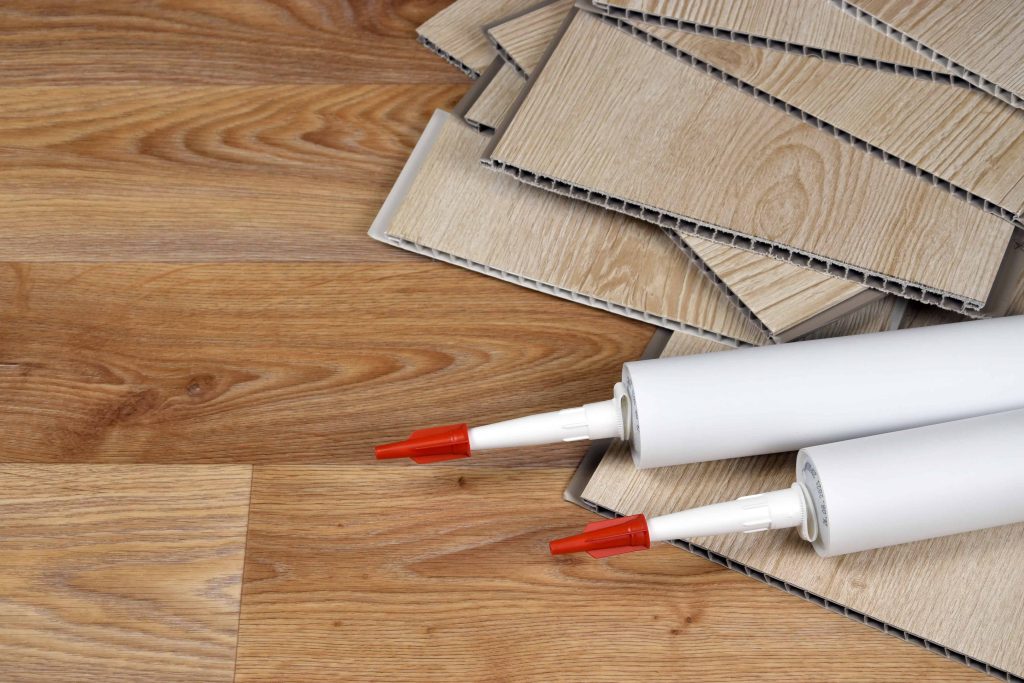
- Use caulk to seal gaps
- Install door sweeps
Sealing leaks ensures that conditioned air stays inside, reducing strain on HVAC systems.
6. Use Power Strips and Unplug Devices
Many electronics consume power even when turned off. This is known as “phantom” or “standby” energy.
Examples:
- TVs
- Chargers
- Computers
- Gaming consoles
Solutions:
- Use smart power strips
- Unplug devices when not in use
- Turn off appliances completely
Reducing standby power can cut unnecessary energy usage.
7. Optimize Lighting Usage
Using lighting efficiently is just as important as choosing efficient bulbs.
Tips:
- Turn off lights when leaving a room
- Use natural daylight whenever possible
- Install dimmer switches
- Use task lighting instead of lighting entire rooms
Strategic lighting use reduces overall electricity consumption.
8. Maintain Your HVAC System
An inefficient HVAC system consumes more energy than necessary.
Maintenance steps:
- Replace air filters regularly
- Clean air ducts and vents
- Schedule professional servicing annually
- Check thermostat accuracy
A well-maintained system operates more efficiently and lasts longer.
9. Install Energy-Efficient Windows
Windows play a major role in heat transfer.
Benefits of energy-efficient windows:
- Reduce heat gain in summer
- Prevent heat loss in winter
- Improve insulation
- Enhance comfort
Double-glazed or energy-rated windows can significantly improve efficiency.
10. Use Ceiling Fans Effectively
Ceiling fans help circulate air, reducing reliance on air conditioning.
Tips:
- Use fans along with AC to distribute cool air
- Set fans to rotate counterclockwise in summer
- Turn off fans when leaving the room
Fans use less electricity than AC systems and improve comfort.
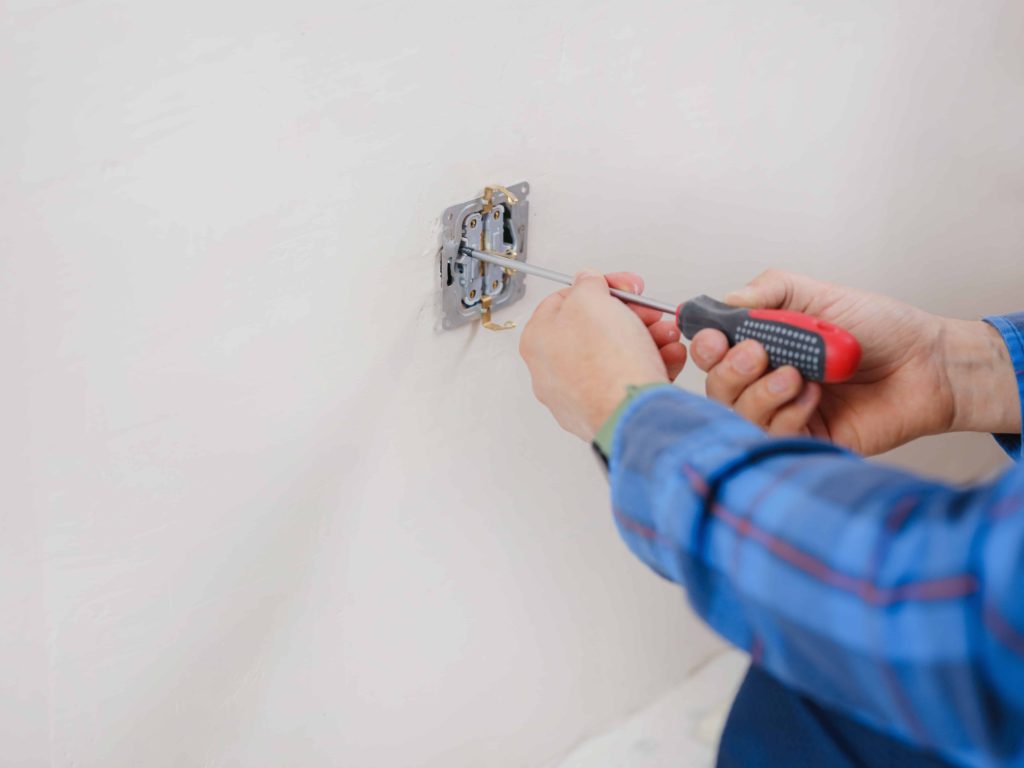
11. Upgrade Your Electrical System
Older electrical systems may not be designed for modern energy demands.
Signs you need an upgrade:
- Frequent circuit breaker trips
- Outdated wiring
- Limited outlets
- Inconsistent power supply
Upgrading your electrical system ensures efficient energy distribution and reduces waste.
12. Use Solar Energy (If Possible)
Solar panels are one of the most effective long-term solutions for energy efficiency.
Benefits:
- Reduces dependence on grid electricity
- Lowers energy bills significantly
- Environmentally friendly
- Increases property value
While the initial investment is higher, long-term savings are substantial.
13. Schedule Regular Energy Audits
A home energy audit helps identify inefficiencies.
What it includes:
- Checking insulation
- Identifying air leaks
- Evaluating appliance efficiency
- Assessing lighting usage
Professional audits provide a clear plan for improving efficiency.
14. Use Appliances Wisely
Smart usage habits can make a big difference.
Tips:
- Run washing machines with full loads
- Use energy-saving modes on appliances
- Avoid overusing high-power devices
- Turn off appliances when not needed
Simple behavior changes can reduce energy consumption significantly.
15. Install Motion Sensors and Timers
Automation helps reduce unnecessary energy usage.
Where to use:
- Outdoor lighting
- Hallways
- Bathrooms
Benefits:
- Lights turn off automatically when not in use
- Reduces electricity waste
- Improves convenience
Common Mistakes to Avoid
- Leaving lights on unnecessarily
- Ignoring maintenance of appliances
- Using outdated electrical systems
- Overloading circuits
- Relying heavily on extension cords
Avoiding these mistakes helps maintain consistent efficiency.
Final Thoughts
Improving electrical efficiency at home is a smart investment that benefits both your wallet and the environment. From switching to LED lighting and upgrading appliances to sealing air leaks and using smart technology, there are many ways to reduce energy consumption without compromising comfort.
The key is consistency—small changes in daily habits combined with smart upgrades can lead to significant long-term savings.
 English