

 English






















































Home Electrical Safety Tips Every Homeowner Should Know
-
Admin_Renovators / 5 months
- April 16, 2026
- 0
- 5 min read

Electricity is one of the most essential parts of modern living, but it can also be dangerous if not handled properly. Faulty wiring, overloaded circuits, and careless usage are among the leading causes of house fires and electrical accidents worldwide. That’s why every homeowner should understand basic electrical safety practices to protect their home and family.
The good news is that most electrical hazards can be prevented with awareness, regular maintenance, and safe habits. In this guide, we’ll cover essential home electrical safety tips every homeowner should know.
1. Never Overload Electrical Outlets
One of the most common electrical mistakes is plugging too many devices into a single outlet.
Why it’s dangerous:
- Causes overheating
- Increases risk of fire
- Damages appliances and wiring
Safe practice:
- Use power strips with built-in circuit breakers
- Avoid “daisy chaining” extension cords
- Distribute appliances across different outlets
If you frequently rely on extension cords, it may be a sign your home needs additional outlets installed by a professional.
2. Inspect Cords and Plugs Regularly
Damaged cords are a serious but often overlooked hazard.
Warning signs:
- Frayed or exposed wires
- Cracked insulation
- Loose or bent plugs
- Burn marks near sockets
What to do:
- Replace damaged cords immediately
- Avoid taping over exposed wires
- Do not use faulty appliances
Even small damage can lead to electric shocks or fire risks.
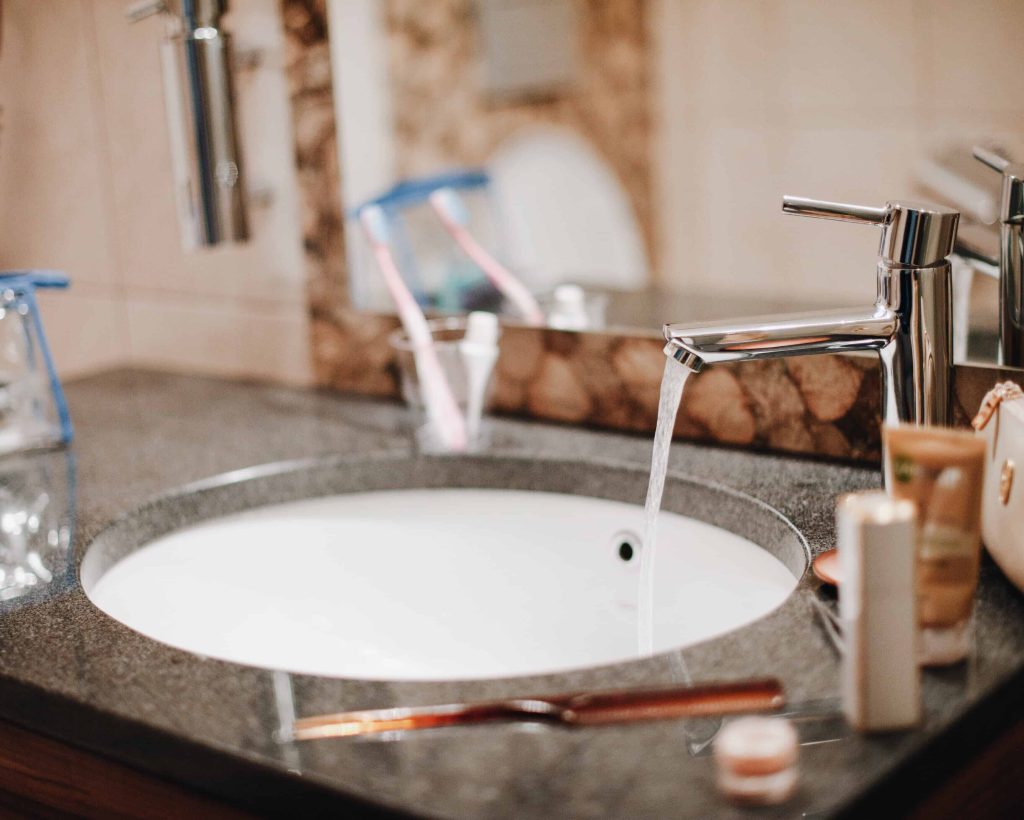
3. Avoid Water Near Electrical Devices
Water and electricity are a dangerous combination.
Safety rules:
- Keep appliances away from sinks and bathtubs
- Never use electronics with wet hands
- Install Ground Fault Circuit Interrupters (GFCIs) in kitchens and bathrooms
- Dry hands before plugging or unplugging devices
GFCI outlets automatically shut off power when they detect moisture, reducing shock risk.
4. Don’t Ignore Flickering Lights
Flickering lights may seem minor, but they often indicate a deeper issue.
Possible causes:
- Loose wiring
- Faulty switches
- Voltage fluctuations
- Overloaded circuits
What to do:
If lights flicker frequently, it’s best to have an electrician inspect the wiring. Ignoring the issue can lead to serious electrical faults.
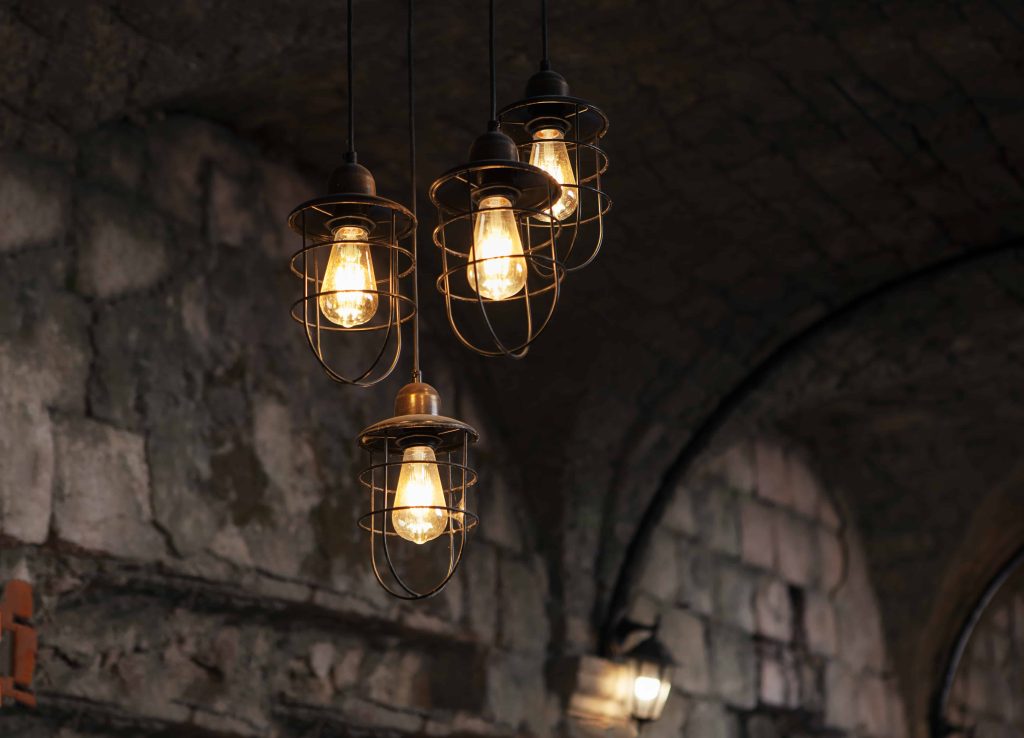
5. Use the Right Wattage for Light Fixtures
Using incorrect bulbs can cause overheating and damage fixtures.
Safety tips:
- Always check maximum wattage rating on fixtures
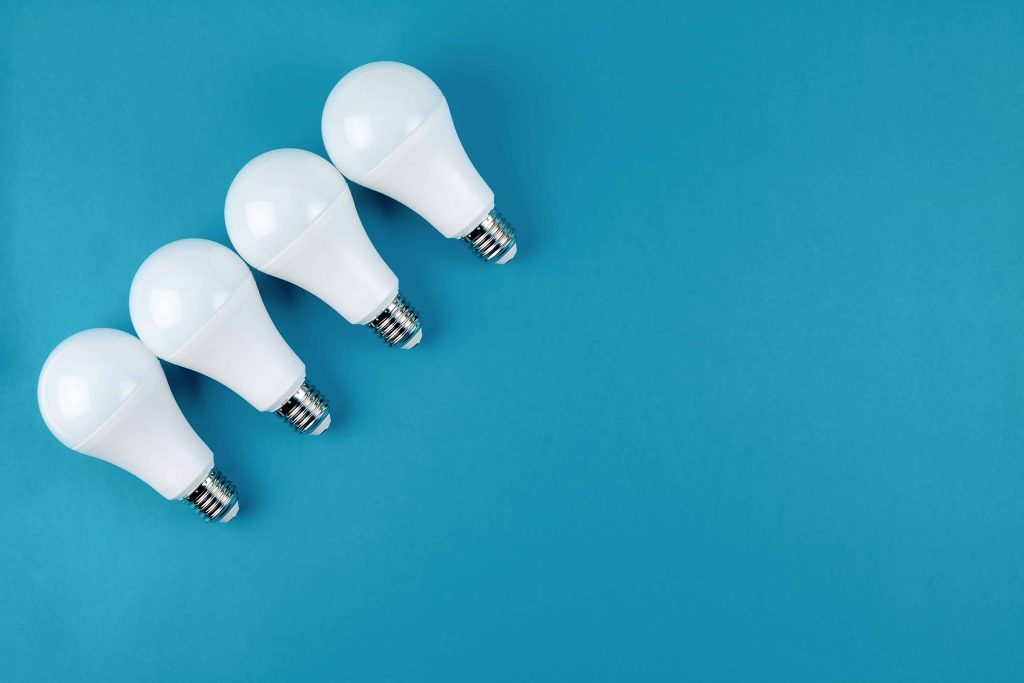
- Use energy-efficient LED bulbs
- Avoid mixing incompatible bulb types
LED lights are the safest and most energy-efficient option for modern homes.
6. Keep Electrical Panels Accessible
Your electrical panel is the control center of your home’s power system.
Best practices:
- Ensure it is easy to access in emergencies
- Label all circuit breakers clearly
- Keep area around panel dry and uncluttered
- Know how to turn off main power
In case of emergencies, quick access can prevent further damage or injury.
7. Use Extension Cords Properly
Extension cords are useful but should be used temporarily, not permanently.
Common mistakes:
- Running cords under carpets
- Using indoor cords outdoors
- Overloading cords with heavy appliances
Safe usage:
- Use cords rated for the correct power load
- Replace worn or damaged cords
- Avoid permanent use—install additional outlets instead
Misusing extension cords is a major fire hazard.
8. Install Smoke and Carbon Monoxide Detectors
These devices are critical for early warning in case of electrical fires.
Maintenance tips:
- Test alarms monthly
- Replace batteries regularly
- Install detectors in bedrooms and hallways
- Replace units every 7–10 years
Early detection can save lives in emergencies.
9. Keep Appliances in Good Condition
Faulty appliances are a common source of electrical problems.
Warning signs:
- Burning smell during use
- Unusual noises
- Overheating
- Frequent tripping of breakers
What to do:
- Unplug and stop using damaged appliances
- Have them repaired or replaced
- Avoid DIY repairs unless qualified
10. Protect Your Home from Power Surges
Power surges can damage electronics and wiring instantly.
Causes:
- Lightning strikes
- Faulty wiring
- Sudden power restoration
Protection methods:
- Install surge protectors
- Use UPS systems for sensitive electronics
- Consider whole-house surge protection
This is especially important for computers, TVs, and smart home systems.
11. Keep Electrical Areas Dry and Clean
Dust and moisture can increase electrical risks.
Tips:
- Clean around outlets and switches regularly
- Avoid placing liquids near electrical devices
- Ensure proper ventilation around appliances
Simple cleanliness reduces fire and shock risks.
12. Know When to Call a Professional Electrician
Some problems should never be handled as DIY repairs.
Call a professional if you notice:
- Burning smell from outlets or panels
- Frequent circuit breaker trips
- Sparking outlets
- Buzzing sounds from wiring
- Outdated electrical systems
Electrical work requires training and proper tools. Attempting complex repairs can be extremely dangerous.
Final Thoughts
Electrical safety is essential for every home, regardless of size or age. Many accidents can be prevented by following simple precautions like avoiding overloaded outlets, inspecting cords, and maintaining appliances.
However, it’s equally important to recognize your limits. While small safety habits go a long way, electrical repairs and upgrades should always be handled by qualified professionals.
By staying alert and practicing these home electrical safety tips, you can protect your home, reduce risks, and ensure a safe living environment for your family.