

 English










































Best Gutter Systems for Heavy Rain Protection
-
Admin_Renovators / 5 months
- April 16, 2026
- 0
- 5 min read

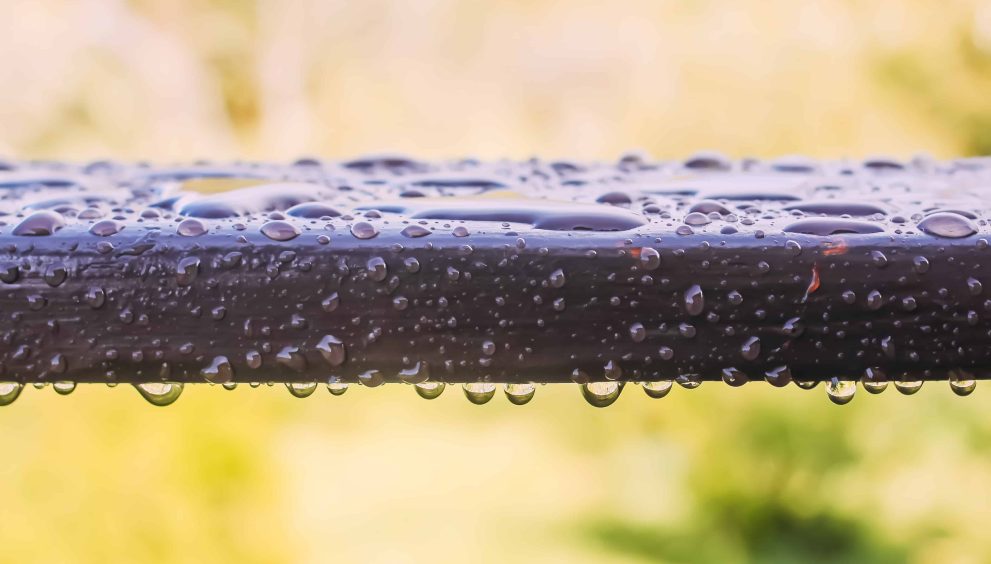
When you live in an area with heavy rainfall, storms, or seasonal downpours, your gutter system becomes one of the most important parts of your home. A weak or poorly designed gutter can overflow easily, leading to roof leaks, foundation damage, and costly repairs. That’s why choosing the right gutter system for heavy rain protection is essential.
Below are the most effective gutter systems that are specifically designed to handle large volumes of water and keep your home safe and dry.
1. Seamless Aluminum Gutters (Best Overall Choice)
Seamless aluminum gutters are widely considered the best option for heavy rain protection. Unlike sectional gutters, which are joined in pieces, seamless gutters are custom-made in long continuous runs.
Why they work well:
- Fewer joints = fewer leaks
- Strong enough to handle heavy rainfall
- Rust-resistant and lightweight
- Custom-fit reduces overflow risk
Aluminum is especially popular because it balances durability and affordability. It performs reliably in most climates and can last 20–30 years with proper maintenance.
Seamless design is the key advantage here—since most gutter failures happen at joints, eliminating them significantly improves performance during heavy storms.
2. K-Style Gutters (High Capacity Residential Standard)
K-style gutters are the most commonly installed residential gutter system in many countries, and they are especially effective in heavy rain conditions.
Why they work well:
- Higher water capacity than rounded styles
- Flat back attaches securely to fascia boards
- Strong structural design for storm resistance
- Available in 5-inch and 6-inch sizes
The unique shape of K-style gutters allows them to carry more water without overflowing compared to half-round gutters of the same size.
For heavy rainfall areas, 6-inch K-style gutters are often recommended because they handle larger roof runoff volumes more efficiently.
3. Box Gutters (Maximum Water Capacity)
Box gutters are one of the most powerful drainage systems available for residential and commercial buildings. They are designed with a deep rectangular shape that allows them to carry large amounts of water.
Why they work well:
- Extremely high water capacity
- Ideal for large roofs or flat surfaces
- Handles fast water flow during storms
- Common in commercial or custom homes
Because of their size and structure, box gutters are often used in buildings where standard systems would overflow during heavy rainfall.
However, they require professional installation and are more expensive, making them best suited for high-demand drainage needs.
4. 6-Inch Oversized Gutters (Upgraded Flow System)
In heavy rain regions, upgrading from standard 5-inch gutters to 6-inch systems can make a big difference.
Why they work well:
- Holds significantly more water volume
- Reduces risk of overflow during storms
- Better suited for large roof areas
- Works well with oversized downspouts
This simple upgrade is often one of the most cost-effective ways to improve rain protection without changing your entire system.
5. Half-Round Gutters (Only for Light to Moderate Rain)
Half-round gutters are not usually the best choice for heavy rain, but they are still used in some homes for aesthetic reasons.
Limitations:
- Lower water capacity than K-style gutters
- More likely to overflow in storms
- Best suited for smaller roof areas
While water flows smoothly through them, their reduced capacity makes them less ideal for high rainfall environments.
6. Gutter Guards (Essential Add-On for Heavy Rain Areas)
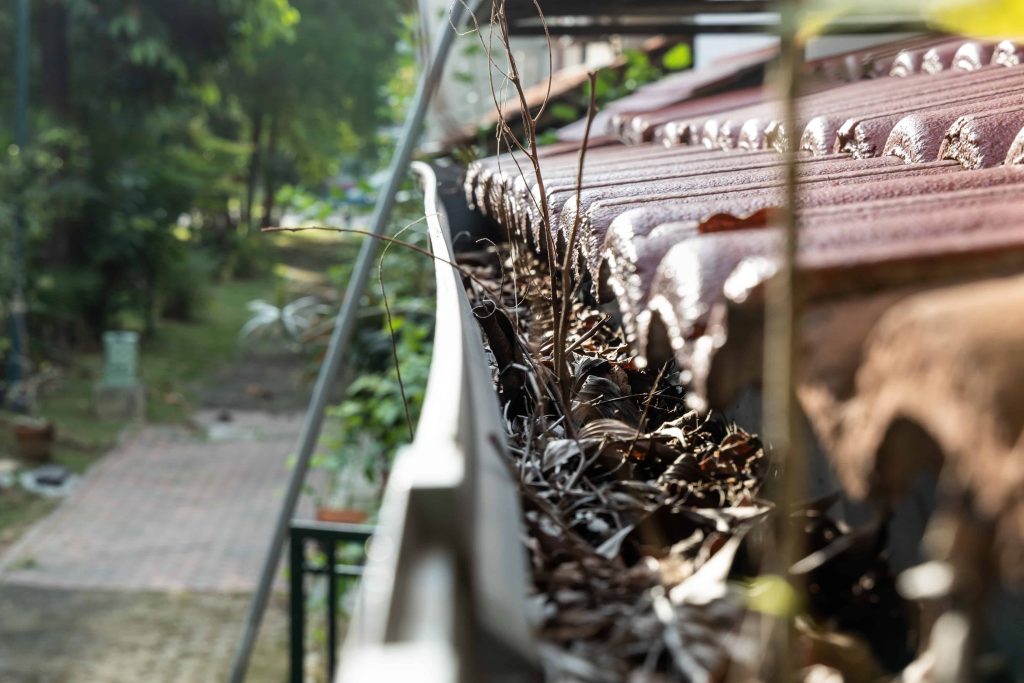
Even the best gutter system can fail if it gets clogged with leaves, dirt, or debris. That’s why gutter guards are essential in heavy rain regions.
Benefits:
- Prevents blockages and overflow
- Reduces maintenance needs
- Keeps water flowing smoothly during storms
- Protects against debris buildup
Without gutter guards, even high-capacity systems can overflow during storms due to clogging rather than capacity issues.
Key Features of a Heavy Rain Gutter System
To ensure your gutters perform well in extreme weather, look for these important features:
1. High Water Capacity
Wider gutters (6-inch or box-style) handle more rainfall.
2. Seamless Design
Fewer joints means fewer leak points.
3. Strong Material
Aluminum and steel are preferred for durability.
4. Proper Slope Installation
Ensures fast drainage toward downspouts.
5. Large Downspouts
Prevents water backup during heavy storms.
Common Mistakes to Avoid
Many gutter problems come from poor design or installation rather than the system itself:
- Using undersized 5-inch gutters in heavy rain areas
- Ignoring maintenance and clog buildup
- Installing too few downspouts
- Poor slope alignment causing standing water
- Choosing style over function
Avoiding these mistakes can significantly improve performance and lifespan.
Final Thoughts
The best gutter systems for heavy rain protection are those that combine high capacity, durability, and seamless water flow. In most residential cases, seamless aluminum K-style gutters provide the best balance of performance and affordability. For larger homes or extreme rainfall conditions, box gutters or oversized 6-inch systems offer even greater protection.
Ultimately, the right system depends on your roof size, local climate, and maintenance preferences. But one thing is clear: investing in a strong, well-designed gutter system is one of the most effective ways to protect your home from water damage during heavy rain.