
 English






Durable Roofing Options for Long-Term Protection
-
Admin_Renovators / 5 months
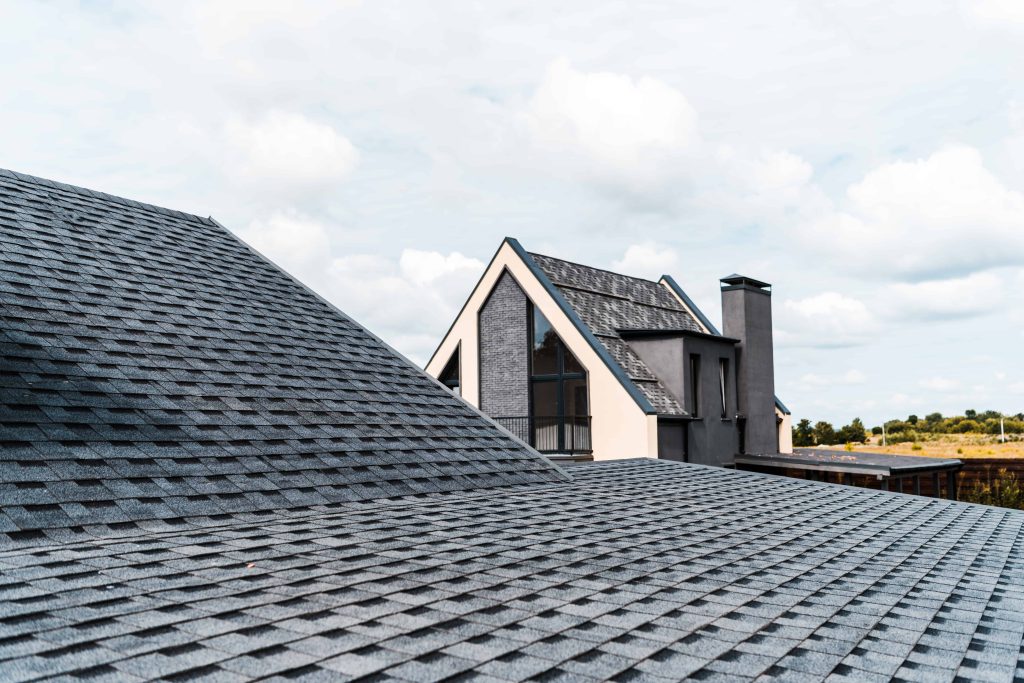
- April 16, 2026
- 0
- 5 min read

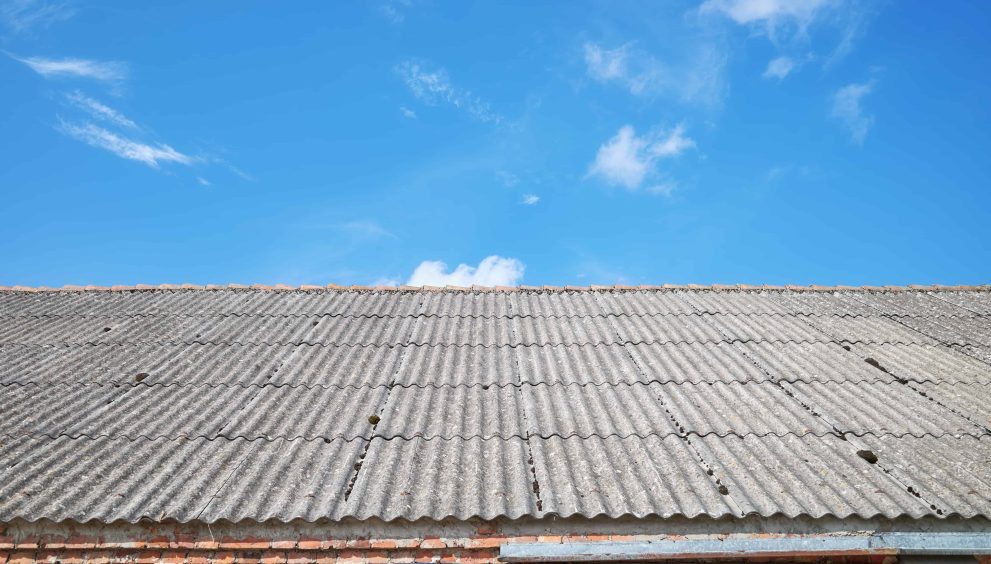
Your roof is one of the most important investments in your home. It protects your structure from rain, wind, snow, heat, and everything in between. Choosing a durable roofing material is not just about today’s cost—it’s about long-term protection, fewer repairs, and peace of mind for decades.
With so many roofing options available, it can be difficult to know which material truly offers the best durability. In this guide, we’ll explore the most reliable roofing options and what makes them strong enough to withstand the test of time.
Why Roofing Durability Matters
A durable roof does more than just cover your home. It plays a key role in:
- Preventing water leaks and structural damage
- Reducing long-term maintenance costs
- Improving energy efficiency
- Increasing property value
- Withstanding extreme weather conditions
A weak roofing system can lead to frequent repairs, mold growth, and even foundation issues. That’s why selecting the right material from the beginning is essential.
1. Metal Roofing: The Long-Term Champion
Metal roofing is widely considered one of the most durable roofing options available today. It is made from materials like steel, aluminum, zinc, or copper, all known for their strength and resilience.
Why it’s durable:
- Resistant to wind, hail, and heavy rain
- Does not crack or warp easily
- Handles extreme temperature changes
- Naturally sheds snow and ice
Lifespan:
Typically 40–70 years, with some metal roofs lasting even longer with proper care.
Benefits:
- Very low maintenance
- Excellent weather resistance
- Energy efficient due to heat reflection
- Long lifespan reduces replacement costs
Metal roofing is ideal for homeowners who want a long-term, worry-free solution, especially in regions with harsh weather conditions.
2. Slate Roofing: Natural Strength and Elegance
Slate roofing is one of the oldest and most durable roofing materials in existence. Made from natural stone, it offers unmatched longevity and a premium appearance.
Why it’s durable:
- Extremely resistant to fire and moisture
- Not affected by rot or insects
- Withstands harsh weather conditions
- Heavy weight adds structural stability
Lifespan:
75–100+ years, making it one of the longest-lasting roofing materials available.
Benefits:
- Exceptional durability
- Timeless, high-end appearance
- Very low long-term maintenance
Considerations:
- High installation cost
- Requires strong structural support due to weight
- Professional installation is essential
Slate is often used in luxury homes or historic properties where longevity and aesthetics are top priorities.
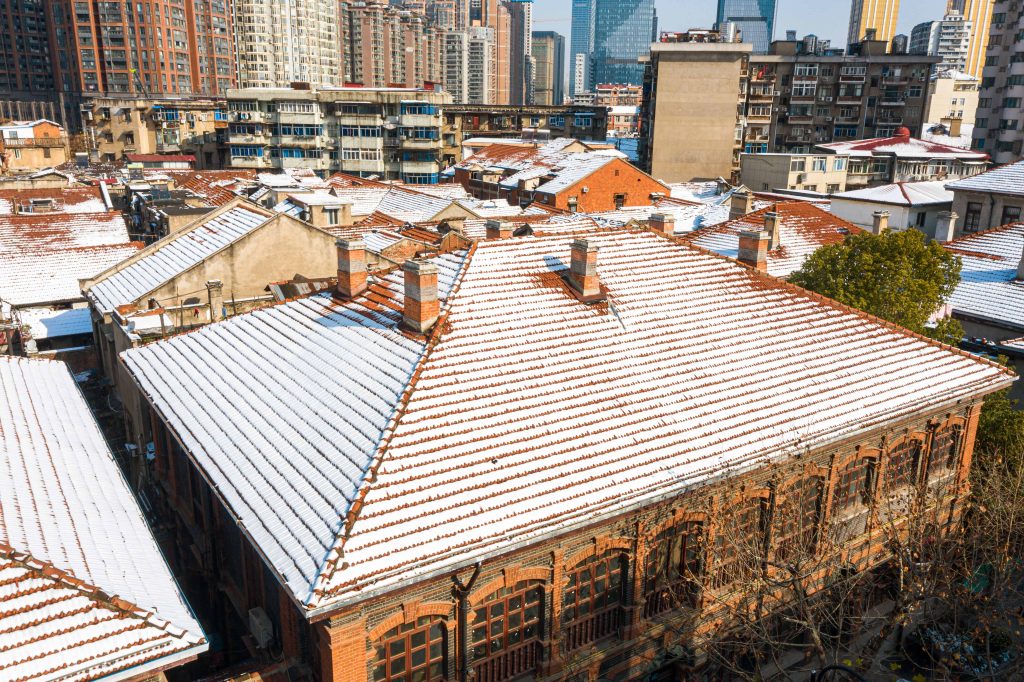
3. Clay and Concrete Tiles: Strong and Weather-Resistant
Clay and concrete tiles are another highly durable roofing option, commonly used in warm and coastal climates but also effective in many other regions.
Why they’re durable:
- Resistant to fire, rot, and insects
- Excellent performance in hot weather
- Strong resistance to wind damage
- Long-lasting under proper installation
Lifespan:
50–100 years, depending on maintenance and climate.
Benefits:
- Strong weather resistance
- Distinct architectural style
- Good thermal performance
Considerations:
- Heavy material requiring reinforced structure
- Can crack under impact if not handled carefully
- Higher installation cost than asphalt
These roofs are especially popular in Mediterranean-style and luxury homes.
4. Architectural Asphalt Shingles: Improved Durability at a Lower Cost
While standard asphalt shingles are common, architectural (laminated) shingles offer much better durability and performance.
Why they’re more durable:
- Thicker and more wind-resistant than basic shingles
- Better protection against UV rays and moisture
- Designed to withstand moderate storms
Lifespan:
25–30 years, sometimes longer with proper care.
Benefits:
- Affordable compared to premium materials
- Easier installation and repair
- Wide availability
Considerations:
- Shorter lifespan than metal or slate
- Can be damaged by severe weather over time
Architectural shingles are a good middle-ground option for homeowners who want improved durability without a high price tag.
5. Synthetic Roofing Materials: Modern and Reliable
Synthetic roofing materials are becoming increasingly popular due to their ability to mimic traditional materials like slate or wood while offering enhanced performance.
Why they’re durable:
- Resistant to cracking, fading, and impact
- Lightweight but strong
- Designed for extreme weather conditions
- Flexible in freezing temperatures
Lifespan:
30–50 years, depending on product quality.
Benefits:
- Lower maintenance than natural materials
- Lightweight and easier to install
- Good balance of cost and performance
Considerations:
- Quality varies by manufacturer
- Mid-to-high price range
Synthetic roofing is a strong option for homeowners who want durability with modern convenience.
6. Modified Bitumen (Best for Flat Roofs)
For homes with flat or low-slope roofs, modified bitumen is one of the most durable choices.
Why it’s durable:
- Multi-layer waterproof system
- Excellent resistance to water pooling
- Flexible in changing temperatures
Lifespan:
20–30 years
Benefits:
- Strong waterproofing
- Good for snow and rain-heavy regions
- Cost-effective for flat roof systems
Considerations:
- Requires professional installation
- Not suitable for steep roofs
Key Factors That Improve Roof Durability
Even the best materials need proper installation and maintenance. To maximize roof lifespan, focus on:
Proper Installation
A poorly installed roof will fail much faster, regardless of material quality.
Ventilation System
Good airflow prevents moisture buildup and reduces heat damage.
Regular Inspections
Early detection of small issues prevents major damage later.
Weather Protection Layers
Ice and water shields add extra protection in snowy or rainy climates.
Final Thoughts
When it comes to long-term protection, not all roofing materials are created equal. Metal and slate stand out as the most durable options, offering decades of reliable performance. Clay tiles and synthetic materials also provide excellent strength, while architectural asphalt shingles offer a more affordable upgrade with improved durability.
The best choice depends on your budget, home structure, and climate conditions. However, investing in a durable roofing system from the start will save you money, reduce stress, and ensure your home stays protected for many years to come.