
 English













































Emergency Home Maintenance Tips for Homeowners
-
Admin_Renovators / 5 months
- April 16, 2026
- 0
- 5 min read

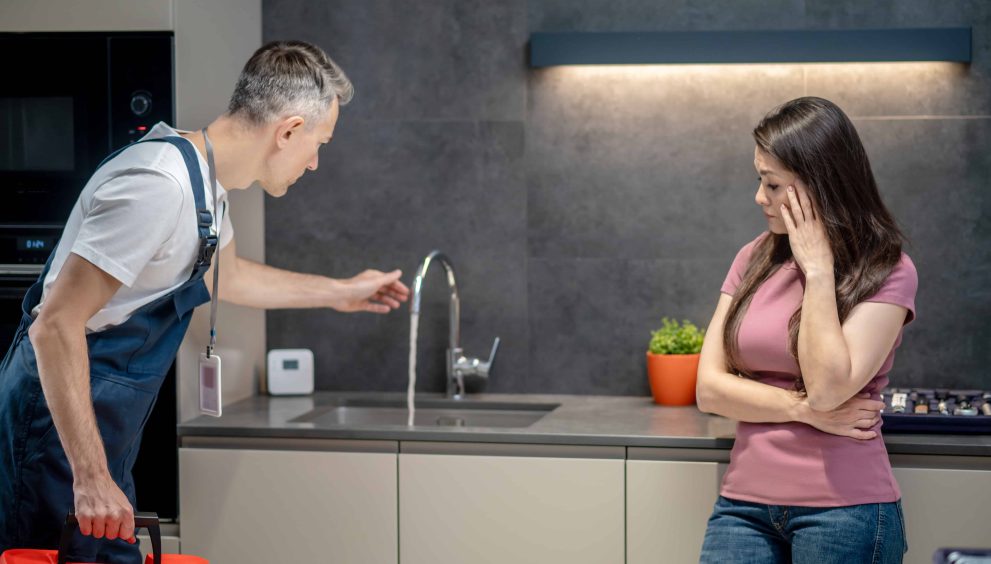
Home emergencies rarely happen at a “good time.” A burst pipe at midnight, a power outage during dinner, or a roof leak during heavy rain can quickly turn into stressful situations if you are not prepared. While not every emergency can be avoided, most damage can be minimized with the right knowledge and quick action.
Emergency home maintenance is about prevention, fast response, and smart decision-making. The goal is to protect your home, reduce damage, and ensure safety until professional help arrives.
In this guide, you’ll learn essential emergency home maintenance tips every homeowner should know.
1. Know Where Your Main Shut-Offs Are
One of the most important steps in emergency preparedness is knowing how to shut off utilities.
Water Shut-Off
- Controls all water supply in the house
- Usually located near the water meter or basement
Electricity Shut-Off
- Main breaker panel controls all power
- Found in utility room, garage, or outside box
Gas Shut-Off
- Typically located near gas meter
- Should only be turned off if you smell gas or suspect a leak
Why it matters:
Quickly shutting off utilities can prevent flooding, fire, and serious damage.
2. Keep an Emergency Tool Kit Ready
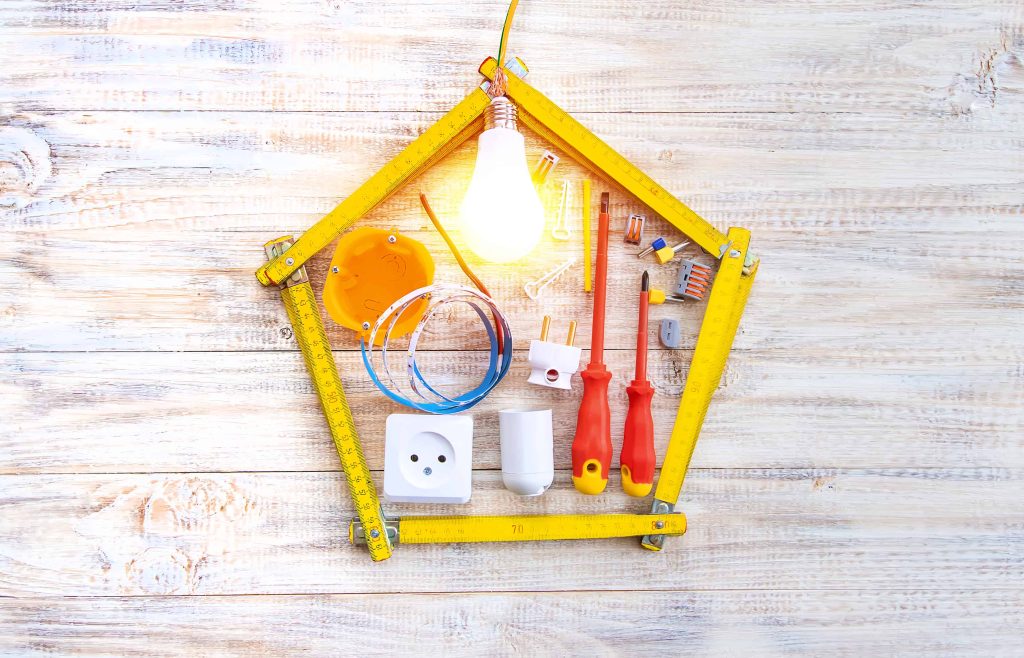
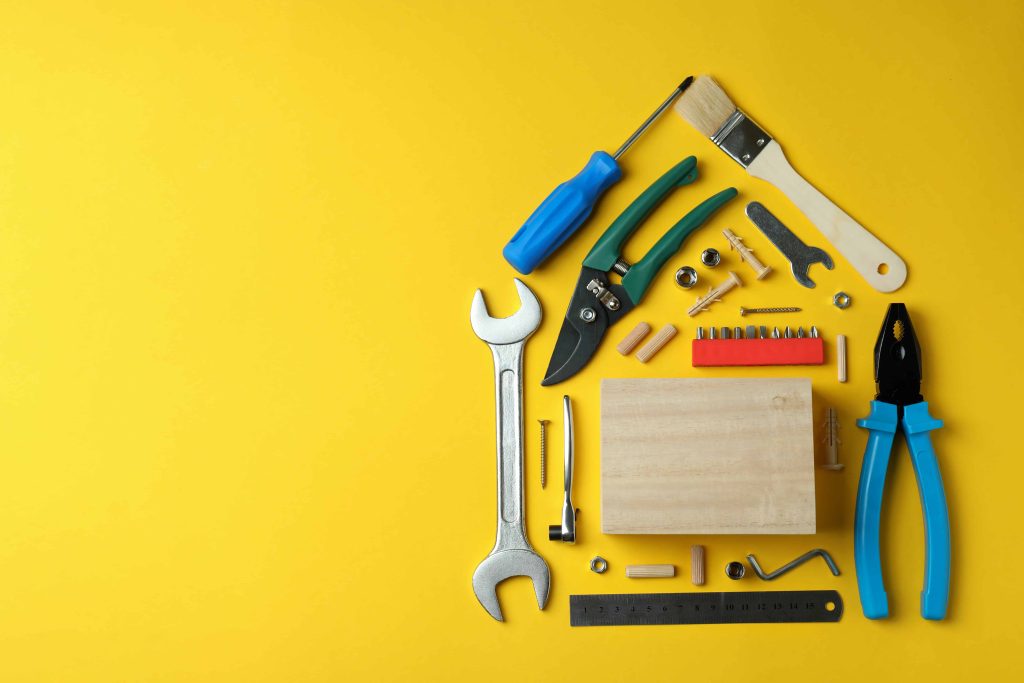
Having basic tools available can save valuable time during emergencies.
Essential items:
- Adjustable wrench
- Screwdrivers
- Plunger
- Flashlight and extra batteries
- Duct tape
- Towels and buckets
- Utility knife
- Gloves
Tip:
Store your kit in an easily accessible place known to all family members.
3. Handle Water Leaks Immediately
Water damage spreads fast and can weaken walls, floors, and electrical systems.
Emergency steps:
- Turn off main water supply
- Move furniture and valuables away
- Use buckets or containers to collect water
- Dry affected areas quickly
Why it’s critical:
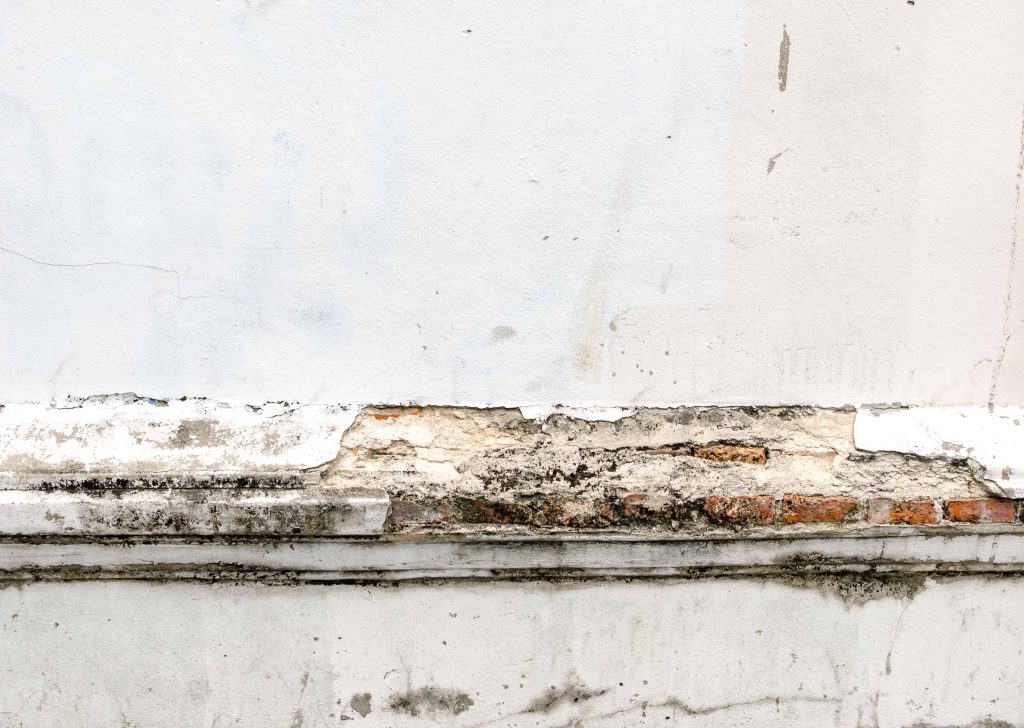
Even small leaks can lead to mold growth within 24–48 hours if not addressed.
4. Respond Quickly to Burst Pipes
Burst pipes are one of the most serious home emergencies.
What to do:
- Shut off main water valve immediately
- Turn on faucets to drain remaining water
- Contain flooding with towels or buckets
- Call a plumber urgently
Prevention tip:
Insulate pipes in winter to reduce freezing risk.
5. Electrical Emergencies Require Caution
Electricity-related issues can be extremely dangerous.
Warning signs:
- Burning smell near outlets
- Sparks or smoke
- Frequent breaker trips
- Flickering lights across the house
Emergency steps:
- Turn off main power supply
- Avoid touching wet or damaged outlets
- Do not use affected appliances
- Call a licensed electrician
Never attempt DIY electrical repairs during emergencies.
6. Know the Signs of a Gas Leak
Gas leaks are life-threatening and require immediate action.
Warning signs:
- Rotten egg smell
- Hissing sound near gas lines
- Dizziness or nausea indoors
What to do:
- Leave the house immediately
- Do not use electrical switches or flames
- Call emergency services from outside
Safety should always come first.
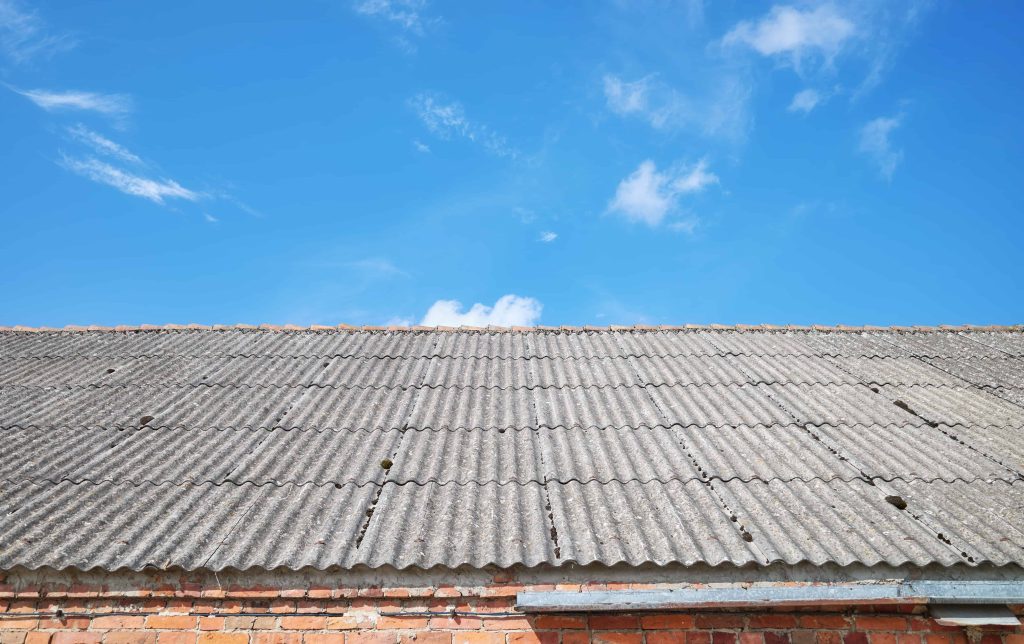
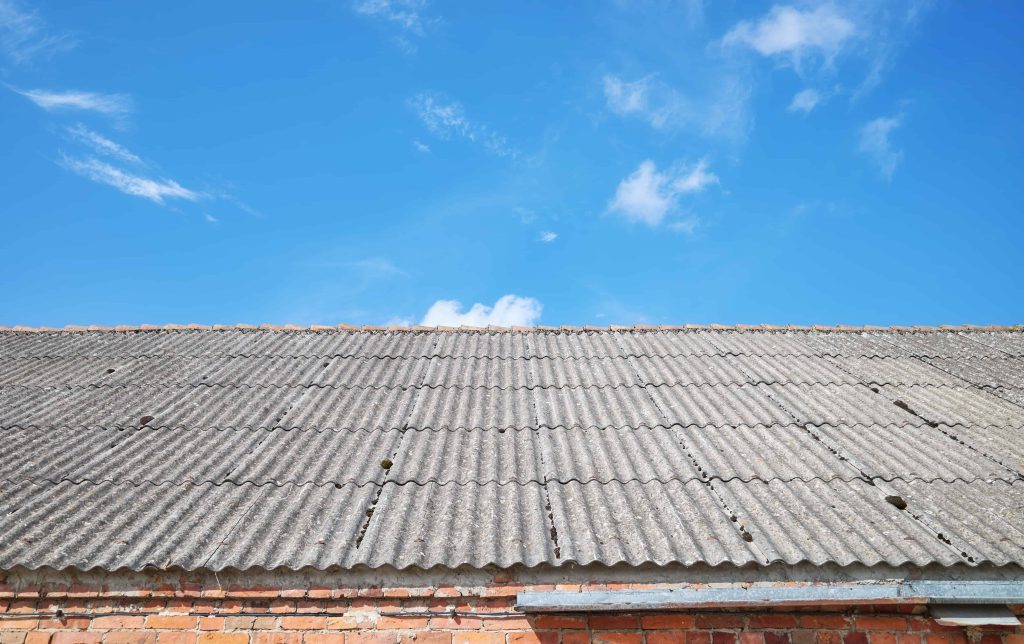
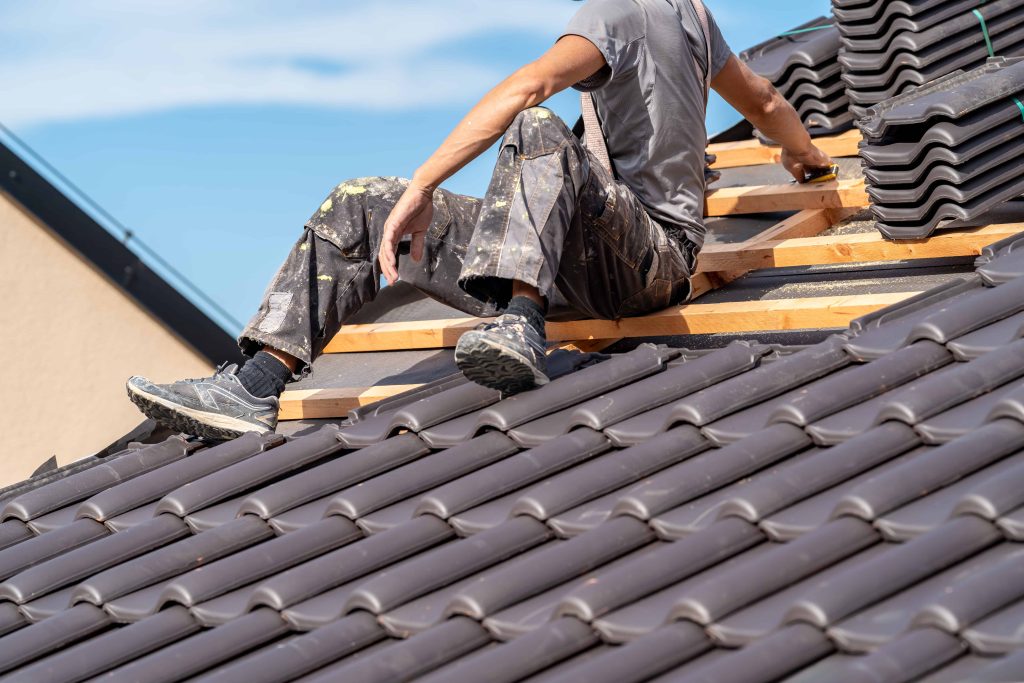
7. Manage Roof Leaks During Storms
Roof damage can quickly lead to water entering your home.
Emergency actions:
- Place buckets under leaks
- Move furniture and electronics away
- Use a tarp to cover damaged roof areas (if safe)
- Document damage with photos
Tip:
Temporary fixes help control damage, but professional repair is always required.
8. Prepare for Power Outages
Power outages can disrupt daily life, especially during storms.
What to do:
- Keep flashlights and batteries ready
- Unplug sensitive electronics
- Avoid opening refrigerator frequently
- Use backup power sources if available
Safety tip:
Never use generators indoors due to carbon monoxide risk.
9. Deal with Overflowing Toilets
Toilet overflow is a common household emergency.
Quick response:
- Turn off toilet water valve
- Use a plunger to clear blockage
- Avoid flushing repeatedly
- Clean surrounding area immediately
Prevention:
Avoid flushing non-degradable items.
10. Prevent Fire Hazards
Fire emergencies can escalate quickly if not controlled.
Safety essentials:
- Install smoke detectors in key areas
- Keep fire extinguishers accessible
- Avoid overloading electrical outlets
- Never leave cooking unattended
If a fire starts:
- Evacuate immediately
- Call emergency services
- Do not attempt to fight large fires
11. Control Flooding Inside the Home
Flooding can happen due to heavy rain, plumbing failure, or drainage issues.
Emergency steps:
- Shut off water supply if plumbing-related
- Move valuables to higher ground
- Use sandbags or barriers if needed
- Remove standing water quickly
Tip:
Drying quickly helps prevent mold and structural damage.
12. Maintain Emergency Contact List
In emergencies, quick access to help is crucial.
Keep contacts for:
- Plumber
- Electrician
- HVAC technician
- Roofing contractor
- Local emergency services
Tip:
Store numbers on your phone and also keep a printed copy at home.
13. Protect Valuables and Documents
During emergencies, important items can get damaged quickly.
What to protect:
- Important documents
- Electronics
- Jewelry and valuables
- Family photos
Tip:
Use waterproof storage boxes for added protection.
14. Practice Regular Home Inspections
Prevention reduces emergency situations significantly.
Monthly checks:
- Look for leaks under sinks
- Inspect electrical outlets
- Test smoke alarms
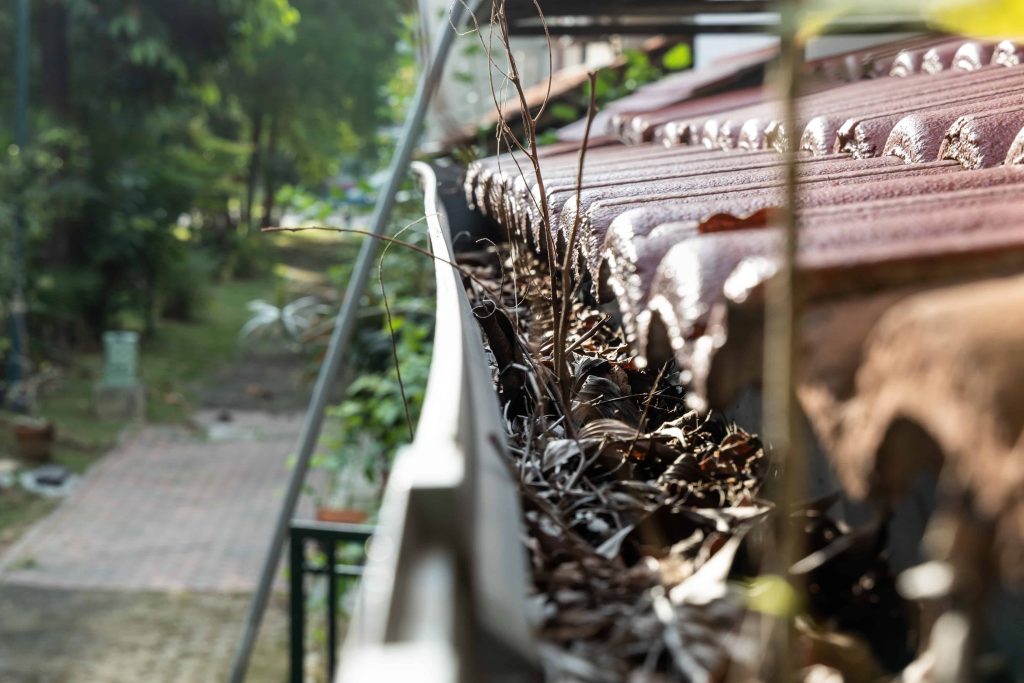
- Check roof and gutters
Seasonal maintenance:
- Winterize pipes
- Clean gutters before storms
- Service HVAC systems
Regular inspections help detect problems early.
15. Create a Home Emergency Plan
Every household should have a clear plan for emergencies.
Include:
- Exit routes from each room
- Utility shut-off locations
- Emergency meeting point outside
- Roles for family members
Tip:
Practice your plan so everyone knows what to do.
Common Mistakes During Home Emergencies
- Panicking instead of acting quickly
- Ignoring shut-off valves
- Attempting unsafe DIY repairs
- Delaying professional help
- Not documenting damage
Avoiding these mistakes can significantly reduce damage and risk.
When to Call Professionals Immediately
Always seek expert help for:
- Major water leaks or flooding
- Electrical sparks or burning smells
- Gas leaks
- Structural damage
- Sewer backups
Professional intervention ensures safety and proper repair.
Final Thoughts
Emergency home maintenance is not just about reacting to problems—it is about being prepared before they happen. Every homeowner should understand basic emergency steps, know their home’s utility systems, and have a clear plan in place.
Quick action during emergencies can prevent small issues from turning into major disasters. With proper preparation, the right tools, and awareness, you can protect your home, reduce damage, and ensure your family’s safety.