
 English
















































Should You Repair or Replace Your Roof? Complete Guide
-
Admin_Renovators / 5 months
- April 16, 2026
- 0
- 5 min read

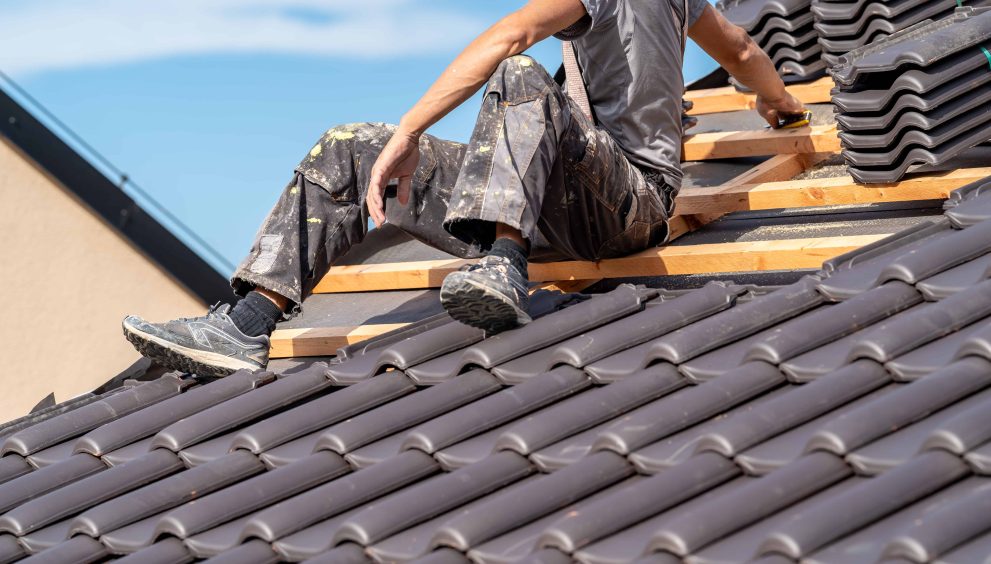
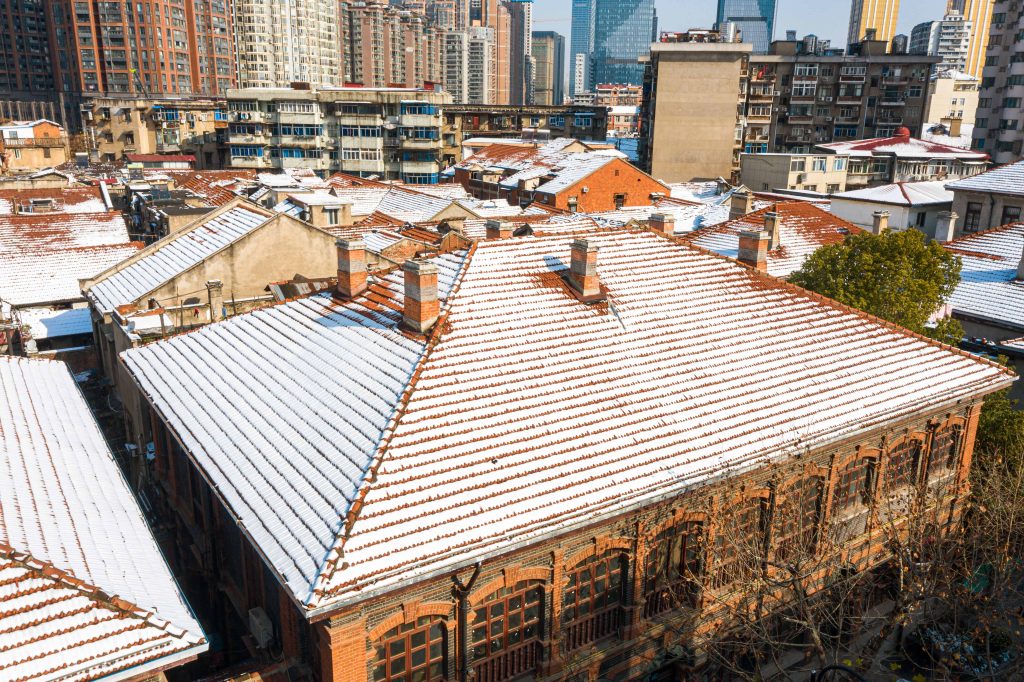
Your roof is one of the most critical components of your home, protecting everything beneath it from weather, moisture, and damage. Over time, however, even the best roofs begin to show signs of wear. When problems arise, homeowners often face a tough decision: should you repair your roof or replace it entirely?
Making the right choice can save you thousands of dollars and prevent future headaches. This guide will help you understand when a repair is enough and when a full replacement is the smarter investment.
Understanding the Condition of Your Roof
Before deciding anything, it’s essential to evaluate the current condition of your roof. Some issues are minor and easily fixable, while others indicate deeper structural problems.
Common signs of roof damage include:
- Missing or cracked shingles
- Water leaks or stains on ceilings
- Sagging areas on the roof
- Mold, moss, or algae growth
- Damaged flashing around vents or chimneys
If your roof only has minor, localized issues, repair may be sufficient. However, widespread damage could point toward replacement.
When Roof Repair Is the Right Choice
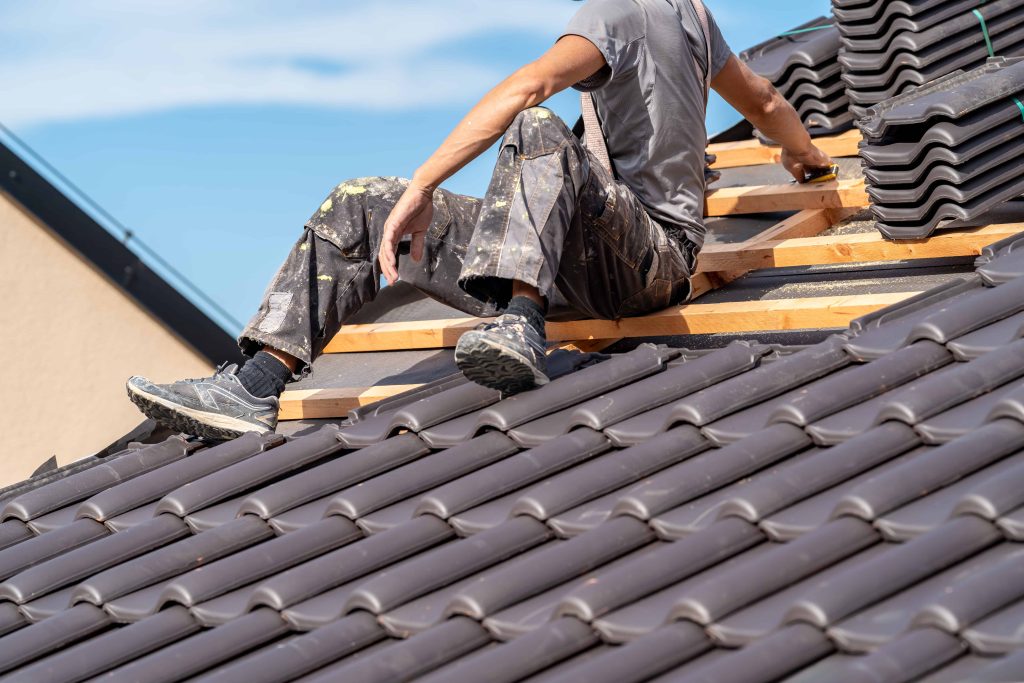
Roof repairs are typically more affordable and quicker than a full replacement. They are ideal when the damage is limited and the overall structure is still in good shape.
Minor Damage
If only a few shingles are missing or damaged due to wind or a storm, a simple repair can restore your roof’s integrity.
Recent Roof Installation
If your roof is relatively new—usually less than 10–15 years old—it likely doesn’t need replacing. Repairs can extend its lifespan without major investment.
Small Leaks
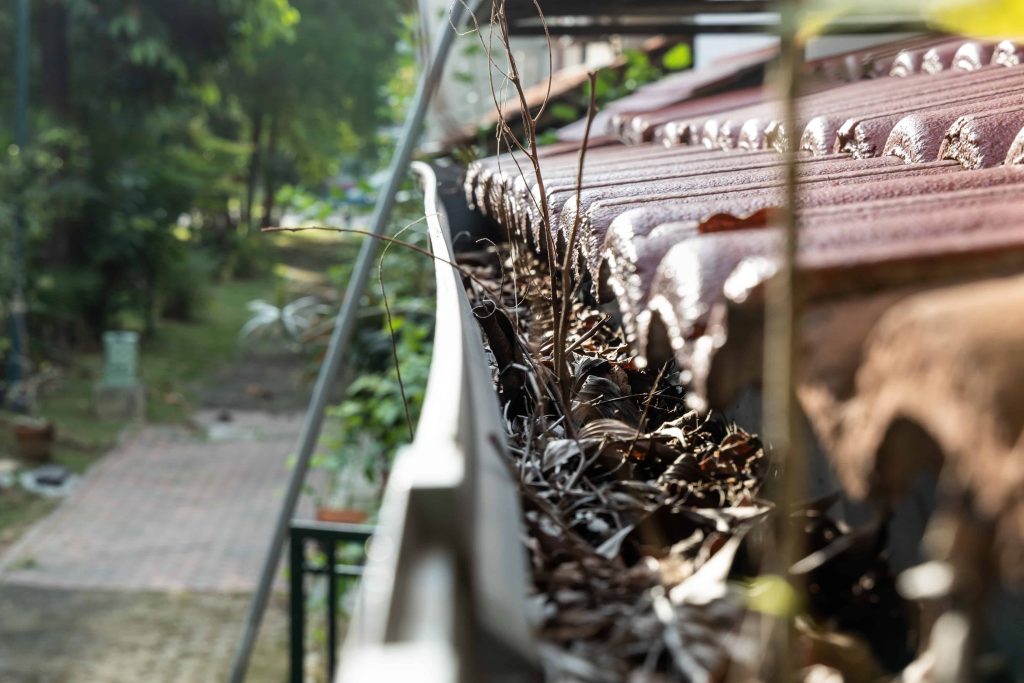
Leaks caused by isolated issues, such as damaged flashing or clogged gutters, can often be fixed without replacing the entire roof.
Budget Constraints
If you’re not ready for the cost of a full replacement, repairs can serve as a temporary solution while you plan for future work.
When Roof Replacement Is the Better Option
While repairs may seem cheaper upfront, they’re not always the most cost-effective solution in the long run. In some cases, replacing your roof entirely is the smarter decision.
Aging Roof
Most roofs have a lifespan of 20–30 years, depending on the material. If your roof is nearing the end of its life, replacing it is usually more practical than ongoing repairs.
Extensive Damage
If more than 25–30% of your roof is damaged, repairs may not be enough. A replacement ensures complete protection and prevents recurring issues.
Frequent Repairs
If you find yourself fixing your roof repeatedly, those costs can quickly add up. A replacement eliminates the need for constant maintenance.
Structural Issues
Problems like sagging or rot indicate deeper damage to the roof’s structure. These issues typically require a full replacement rather than surface-level fixes.
Cost Comparison: Repair vs Replacement
Cost is often the biggest factor in this decision.
Roof Repair Costs
- Generally lower upfront cost
- Ideal for small fixes
- Can range from minor expenses to moderate costs depending on damage
Roof Replacement Costs
- Higher initial investment
- Long-term savings due to fewer repairs
- Increases property value and energy efficiency
While repairs are cheaper initially, a replacement can be more economical over time if your roof is in poor condition.
Factors That Influence Your Decision
Several additional factors can help you determine the best option for your home:
Climate and Weather
If you live in an area with harsh weather conditions, a compromised roof may fail quickly. Replacement might be safer.
Future Plans
If you plan to sell your home soon, a new roof can boost resale value and attract buyers.
Energy Efficiency
Modern roofing materials offer better insulation and energy savings, making replacement more appealing.
Roofing Materials
Some materials, like asphalt shingles, are easier and cheaper to repair, while others may require full replacement for significant damage.
Pros and Cons at a Glance
Roof Repair
Pros:
- Lower cost
- Faster completion
- Less disruption
Cons:
- Temporary solution
- May not address underlying issues
- Costs can add up over time
Roof Replacement
Pros:
- Long-term solution
- Improved durability
- Better energy efficiency
- Increased home value
Cons:
- Higher upfront cost
- Longer installation time
Professional Inspection Matters
One of the smartest steps you can take is hiring a professional roofing contractor for an inspection. Experts can assess hidden damage, provide accurate cost estimates, and recommend the best course of action.
A professional evaluation ensures you don’t overlook serious issues or spend money unnecessarily on repairs when replacement is needed.
Final Thoughts
Deciding whether to repair or replace your roof ultimately depends on the extent of the damage, the age of your roof, and your long-term goals. Minor issues and newer roofs are usually good candidates for repair, while older roofs with widespread damage often require replacement.
Think of it this way: if your roof still has life left and the problem is small, repair it. But if your roof is nearing the end of its lifespan or causing ongoing problems, replacement is a smarter, more secure investment.
Taking the time to evaluate your options carefully will help you protect your home, save money, and ensure peace of mind for years to come.