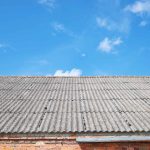
Choosing between asphalt and metal roofing is one of the most important decisions for homeowners. Both materials are widely used, but they differ significantly in terms of cost, durability, lifespan, maintenance, and performance in extreme weather. The right choice depends on your budget, climate, and long-term goals.
In this guide, we’ll break down the key differences so you can decide which roofing system is best for your home.
Overview of Asphalt and Metal Roofing
Asphalt Roofing
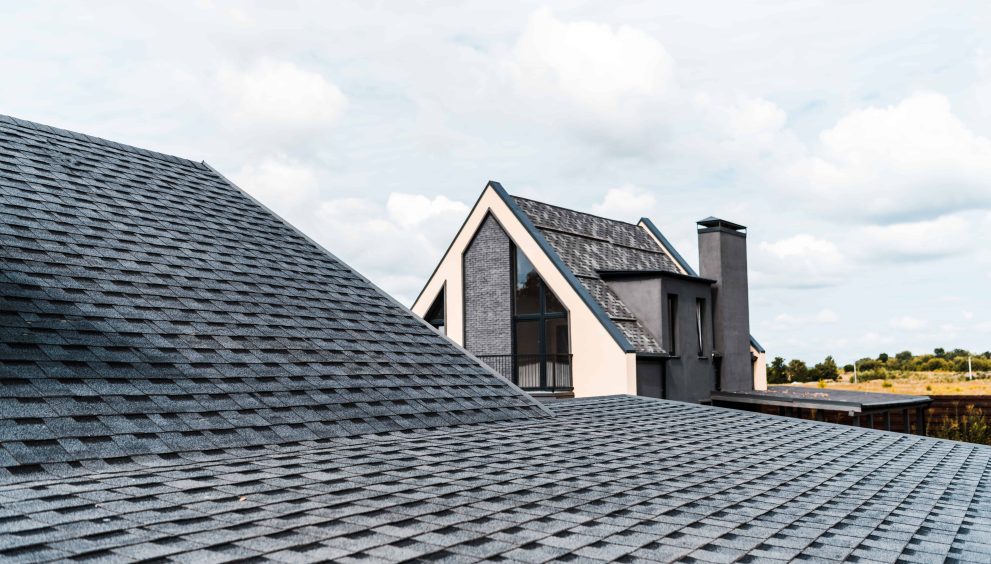
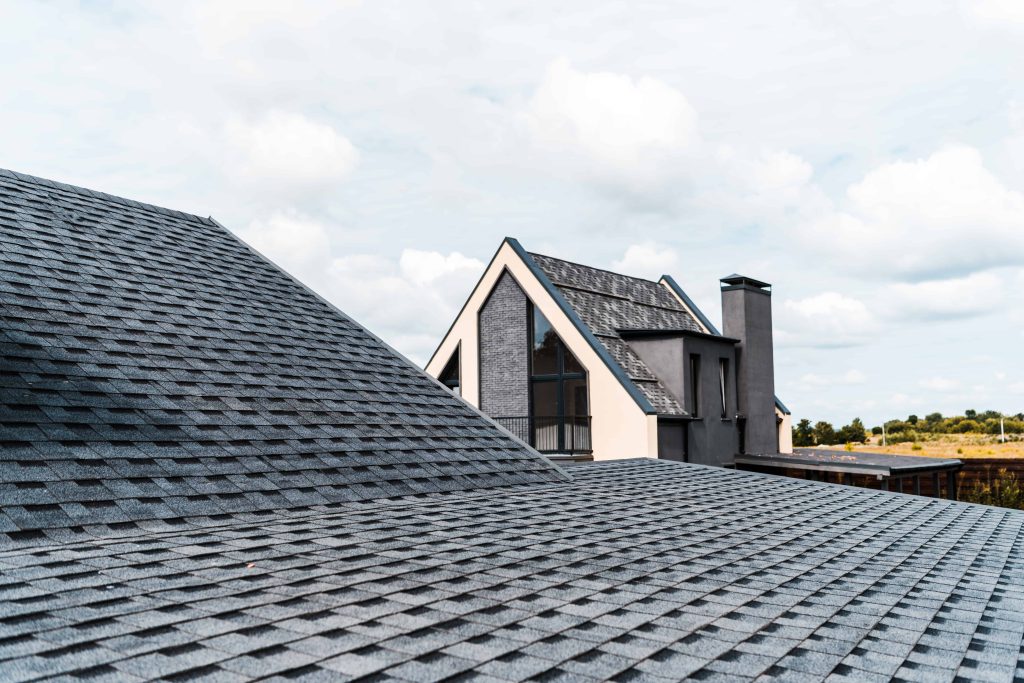
Asphalt shingles are the most common roofing material in North America due to their affordability and easy installation. They are made from a fiberglass base coated with asphalt and protective granules.
- Popular for residential homes
- Lower upfront cost
- Easier and faster to install
Typical lifespan: 15–30 years
Metal Roofing
Metal roofing is made from materials such as steel, aluminum, zinc, or copper. It comes in panels or shingles and is known for its strength and long-term performance.
- Increasingly popular in modern homes
- Higher initial investment
- Excellent durability and weather resistance
Typical lifespan: 40–70 years
Cost Comparison
Asphalt Roofing (More Affordable)
Asphalt shingles are significantly cheaper upfront, making them ideal for budget-conscious homeowners. Installation is also simpler, which reduces labor costs.
- Lower material cost
- Lower installation cost
- Easier repairs
However, the lower price comes with shorter lifespan and more frequent replacements.
Metal Roofing (Higher Investment)
Metal roofs cost more initially—sometimes 2–3 times more than asphalt—but they last much longer and require fewer repairs over time.
- Higher upfront cost
- Lower long-term maintenance cost
- Better return on investment over decades
While expensive at first, metal roofing can be more cost-effective in the long run.
Durability and Lifespan
Asphalt Roofing
Asphalt shingles perform well in moderate weather conditions but can be affected by:
- Strong winds
- Hail damage
- Moisture and algae growth
- Cracking in extreme temperatures
They typically need replacement every 15–30 years.
Metal Roofing
Metal roofing is built for extreme durability and performs better in harsh conditions.
- Resistant to wind, snow, and heavy rain
- Does not crack easily in freezing temperatures
- Reflects heat, improving energy efficiency
Metal roofs can last 40–70 years or more with proper installation.
Weather Performance
Asphalt in Harsh Weather
In extreme climates, asphalt shingles may struggle with:
- Ice dams in winter
- Shingle lifting during storms
- Heat absorption in summer
This can lead to more frequent repairs over time.
Metal in Harsh Weather
Metal roofing performs exceptionally well in severe weather:
- Snow slides off easily, reducing weight load
- Strong wind resistance (excellent for storms)
- Reflects sunlight, reducing heat buildup
- Highly resistant to fire and moisture
This makes it especially suitable for areas with extreme seasonal changes.
Maintenance Requirements
Asphalt Roofing Maintenance
Asphalt roofs require:
- Regular inspections
- Shingle replacement after storms
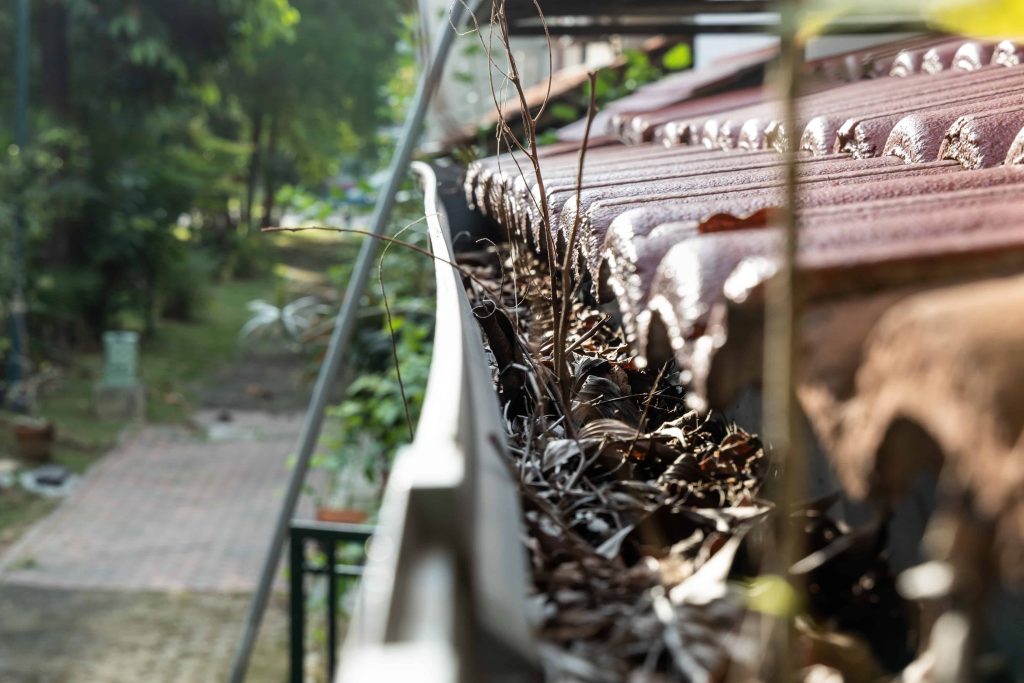
- Cleaning of moss or algae buildup
- More frequent repairs over time
Metal Roofing Maintenance
Metal roofs are low maintenance:
- Occasional inspections
- Minimal repairs
- Long-term durability reduces upkeep costs
This makes metal a “set it and forget it” option for many homeowners.
Energy Efficiency
Asphalt Roofing
Asphalt absorbs heat, which can:
- Increase indoor cooling costs in summer
- Reduce energy efficiency in hot climates
Metal Roofing
Metal roofs reflect solar heat, which helps:
- Lower cooling costs in summer
- Improve energy efficiency year-round
- Reduce strain on HVAC systems
This is one of the biggest long-term advantages of metal roofing.
Noise and Appearance
Asphalt Roofing
- Quieter during rain and hail
- Available in many styles and colors
- Traditional appearance that blends easily with most homes
Metal Roofing
- Can be noisier during heavy rain (if not insulated properly)
- Modern and sleek appearance
- Available in styles that mimic shingles, tiles, or slate
Pros and Cons Summary
Asphalt Roofing
Pros:
- Affordable
- Easy installation
- Simple repairs
- Widely available
Cons:
- Shorter lifespan
- More maintenance
- Less durable in extreme weather
Metal Roofing
Pros:
- Extremely long lifespan
- High durability
- Energy efficient
- Low maintenance
- Excellent weather resistance
Cons:
- Higher upfront cost
- Can be noisy without insulation
- Requires professional installation
Which One Should You Choose?
The best roofing material depends on your priorities:
Choose Asphalt If:
- You want a lower upfront cost
- You plan to stay in the home short to medium term
- You prefer easier repairs and replacement
Choose Metal If:
- You want a long-term investment
- You live in an area with harsh weather
- You want better energy efficiency and durability
- You prefer low maintenance over time
Final Thoughts
Both asphalt and metal roofing have their strengths, but they serve different homeowner needs. Asphalt shingles are practical and budget-friendly, making them the most common choice. Metal roofing, on the other hand, offers unmatched durability and long-term value, especially in regions with extreme weather conditions.
If you’re thinking long-term and want fewer repairs, metal roofing is often the better investment. But if upfront cost and simplicity matter more, asphalt remains a reliable and widely trusted option.
 English