Basements often become the most underutilized areas of a home, especially when space is limited. Many homeowners use them for storage, but without proper organization, basements can quickly turn into cluttered, hard-to-navigate spaces. The good news is that with smart planning and the right storage solutions, even a small basement can become highly functional, organized, and visually clean.
This guide explores practical and smart basement storage ideas designed specifically for small spaces.
1. Use Vertical Wall Storage
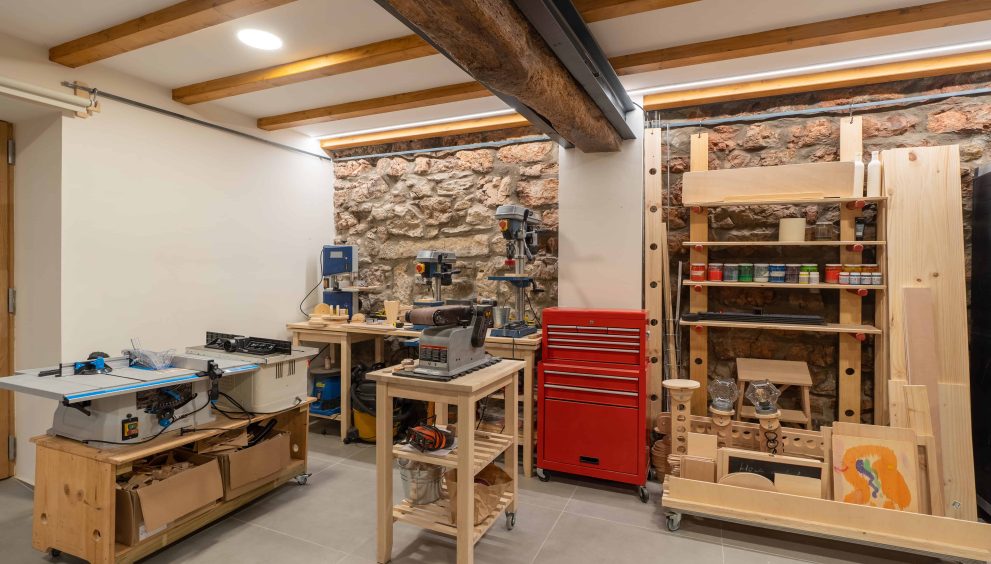
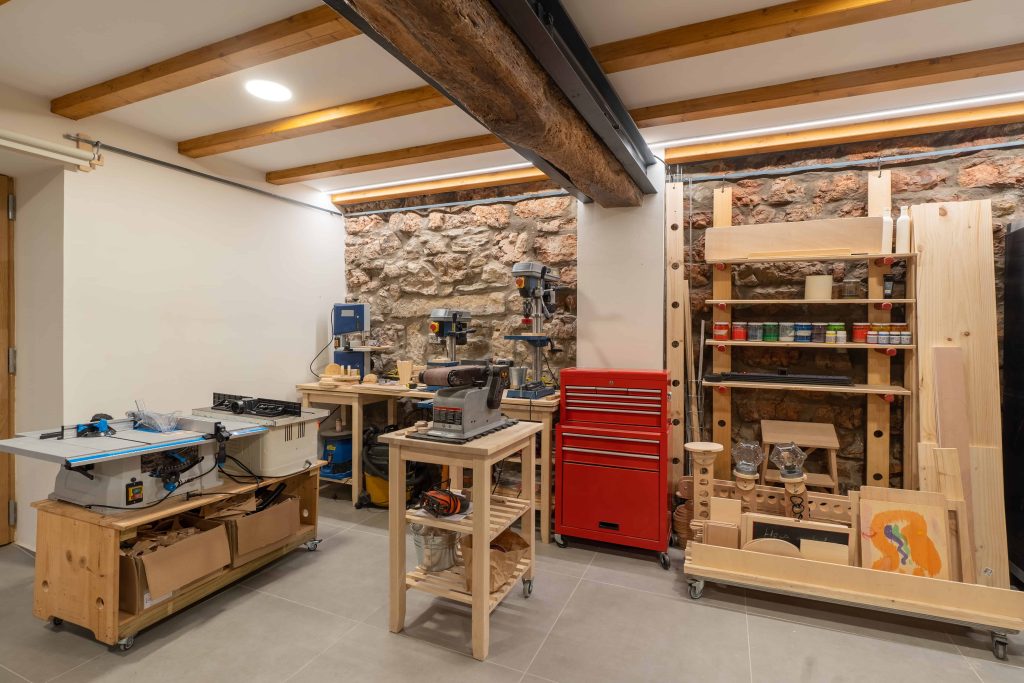
When floor space is limited, the best solution is to think vertically. Walls offer a huge amount of unused storage potential in basements.
Smart vertical storage ideas:
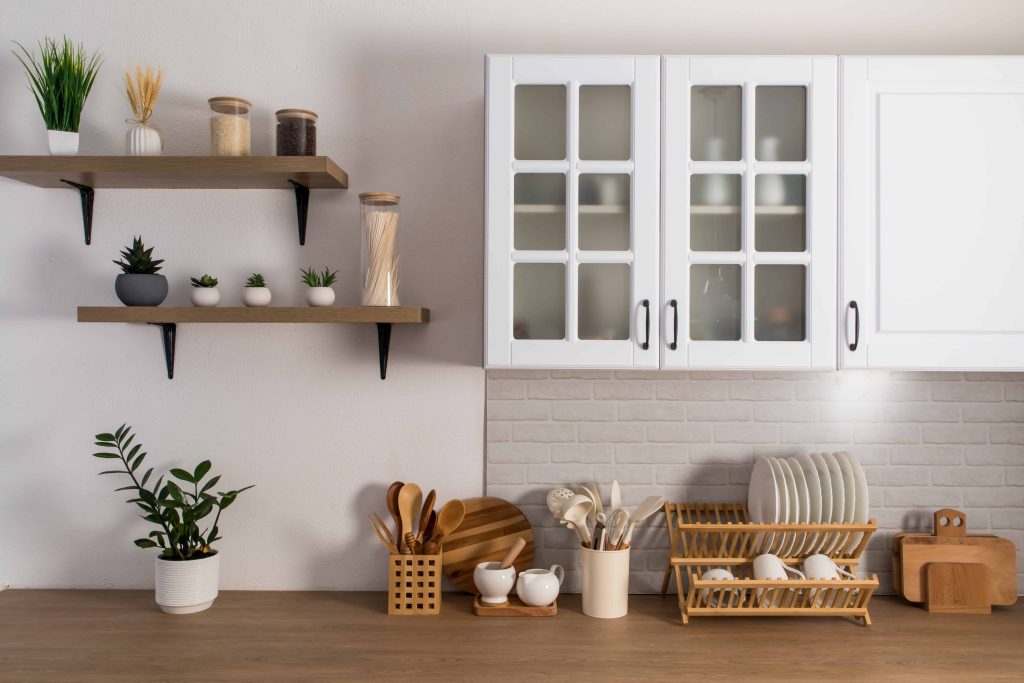
- Wall-mounted shelves
- Pegboards for tools and accessories
- Hanging storage racks
- Tall cabinets reaching the ceiling
Vertical storage keeps items off the floor, freeing up space for walking or other activities. It also makes everything easier to find and access.
2. Install Built-In Shelving Units
Built-in shelves are one of the most efficient ways to maximize basement storage. Unlike movable furniture, built-ins are custom-fitted to your walls, which eliminates wasted space.
Benefits include:
- Maximum use of wall space
- Clean, organized appearance
- Strong support for heavy items
- Long-term durability
You can use built-in shelves to store boxes, seasonal decorations, books, or household supplies while keeping everything neatly arranged.
3. Use Clear Storage Bins and Labels
In small basements, visibility is key. Using clear storage bins helps you quickly identify what’s inside without opening every container.
Best practices:
- Use stackable plastic bins
- Label each box clearly
- Group similar items together
- Store frequently used items at eye level
This system not only saves time but also prevents unnecessary clutter and confusion.
4. Under-Stair Storage Solutions
The space under basement stairs is often wasted, but it can be transformed into highly functional storage.
Ideas for under-stair storage:
- Pull-out drawers for tools or shoes
- Small cabinets for seasonal items
- Open shelving for easy access
- Hidden storage compartments
This area is perfect for storing items you don’t use daily but still want easy access to.
5. Multi-Functional Furniture
In small basements, furniture should serve more than one purpose. Multi-functional pieces help reduce clutter while increasing usability.
Examples include:
- Storage ottomans
- Beds with built-in drawers
- Foldable desks or tables
- Sofa beds with hidden compartments
These pieces are especially useful if your basement is also used as a living space or guest room.
6. Ceiling Storage Systems
Many homeowners overlook ceiling space, but it can be a valuable storage area, especially for seasonal or rarely used items.
Options include:
- Overhead storage racks
- Hanging bicycle hooks
- Suspended shelving systems
Ceiling storage works best for lightweight or seasonal items like holiday decorations, camping gear, or sports equipment.
7. Install Modular Storage Units
Modular storage systems are flexible and can be adjusted based on your needs. They are ideal for basements that serve multiple purposes.
Advantages:
- Easy to rearrange
- Expandable over time
- Suitable for different item sizes
- Clean and modern appearance
These systems allow you to customize your storage as your needs change.
8. Use Sliding Doors Instead of Swing Doors
In small basements, traditional doors can take up valuable space when opened. Sliding doors are a smarter option.
Benefits:
- Save floor space
- Improve movement flow
- Provide a cleaner look
- Work well for closets and storage rooms
Sliding doors are especially useful in tight hallways or compact basement layouts.
9. Create Zoned Storage Areas
Organizing your basement into zones helps keep everything structured and easy to manage.
Example zones:
- Seasonal storage zone
- Tools and maintenance zone
- Sports and recreation zone
- Household supplies zone
Zoning prevents clutter from mixing and makes it easier to locate items quickly.
10. Use Hooks, Rails, and Hanging Systems
Small items can easily clutter surfaces if not properly stored. Hooks and rails are simple yet powerful solutions.
Use them for:
- Bikes
- Tools
- Bags and backpacks
- Cleaning equipment
Hanging storage keeps items off the floor and creates a more organized environment.
11. Keep Aisles Clear and Accessible
Even in small basements, it’s important to maintain walking space. Overcrowding storage can make the basement unusable.
Tips:
- Avoid blocking pathways with large items
- Stack items vertically instead of spreading them out
- Leave clear access to frequently used areas
Good layout planning ensures your basement remains functional, not just full.
12. Control Moisture Before Storing Items
Before organizing storage, make sure your basement is dry and protected from moisture. Damp conditions can damage stored items.
Prevent moisture by:
- Using a dehumidifier
- Sealing foundation cracks
- Improving ventilation
- Installing waterproof flooring or coatings
This ensures your belongings stay safe and your storage system lasts longer.
Conclusion
Smart basement storage is all about using space efficiently, especially in small areas. By combining vertical storage, built-in shelving, multi-functional furniture, and organized zoning, you can transform even a cramped basement into a highly practical space.
The key is to keep things organized, accessible, and moisture-free. With the right storage strategies, your basement can become one of the most functional and well-organized areas of your entire home.
 English