
 English























DIY Plumbing Repair Tips for Beginners
-
Admin_Renovators / 5 months
- April 16, 2026
- 0
- 5 min read

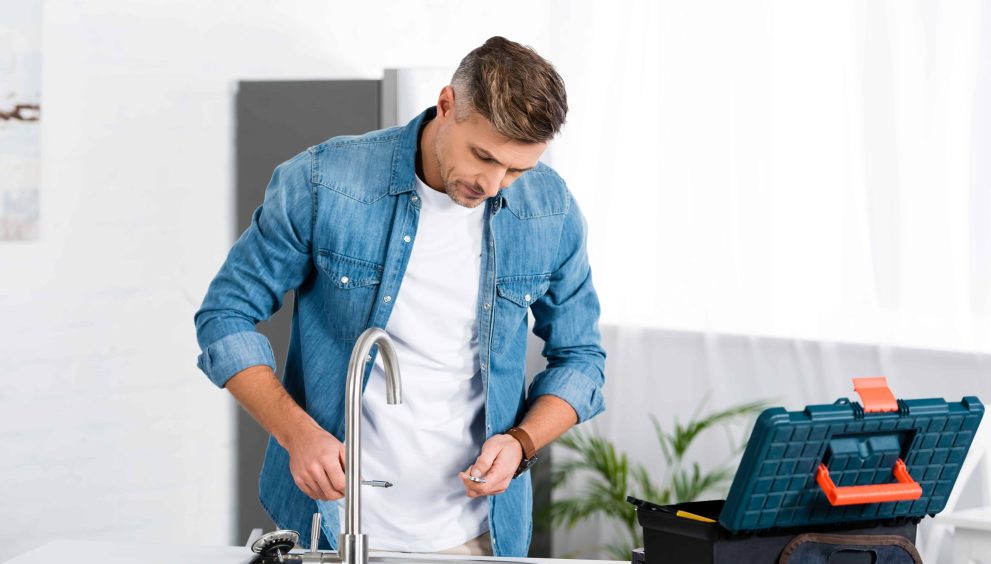
Plumbing problems are common in every home, and while some issues require a professional, many small repairs can be handled on your own with the right knowledge and tools. Learning basic DIY plumbing skills not only saves money but also helps you respond quickly when minor issues appear.
If you’re a beginner, the key is to start small, understand your plumbing system, and follow safe repair methods. In this guide, you’ll learn essential DIY plumbing repair tips that every homeowner should know.
1. Know Your Home’s Water Shut-Off Valves
Before attempting any plumbing repair, you must know how to turn off the water supply.
Why it’s important:
- Prevents flooding during repairs
- Gives you control over leaks and emergencies
- Protects your home from water damage
Types of shut-off valves:
- Main water valve (controls entire house)
- Fixture valves (under sinks, toilets, appliances)
Tip:
Always turn off water before starting any repair, no matter how small.
2. Start with Simple Repairs First
As a beginner, avoid complex plumbing jobs and focus on easy fixes.
Good beginner tasks:
- Fixing dripping faucets
- Unclogging drains
- Replacing showerheads
- Tightening loose fittings
- Replacing toilet flappers
These tasks build confidence and help you understand how plumbing systems work.
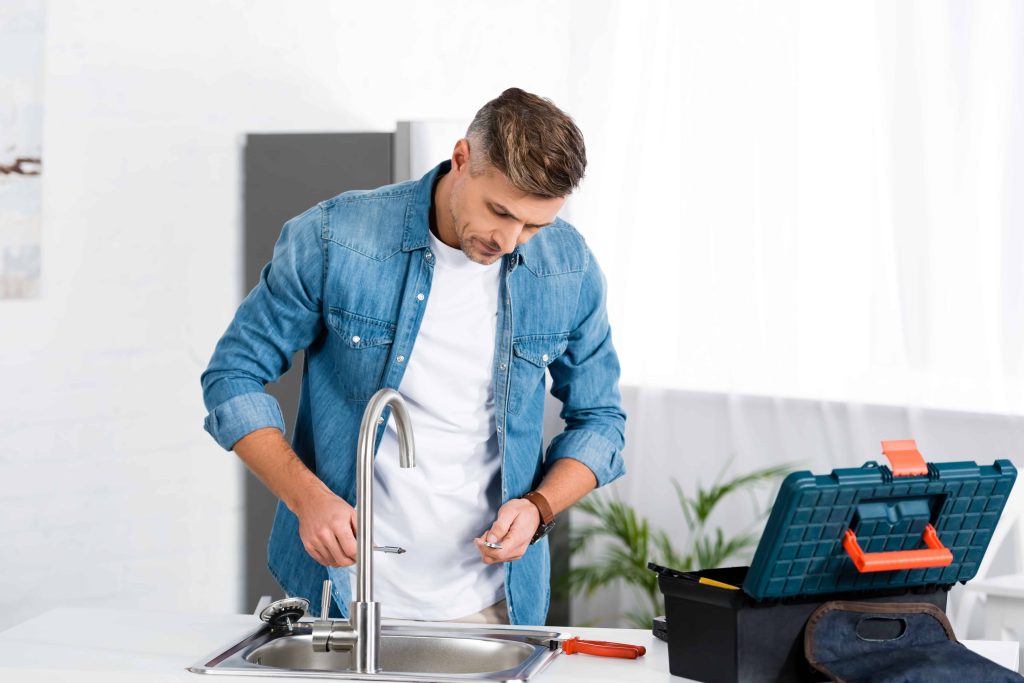
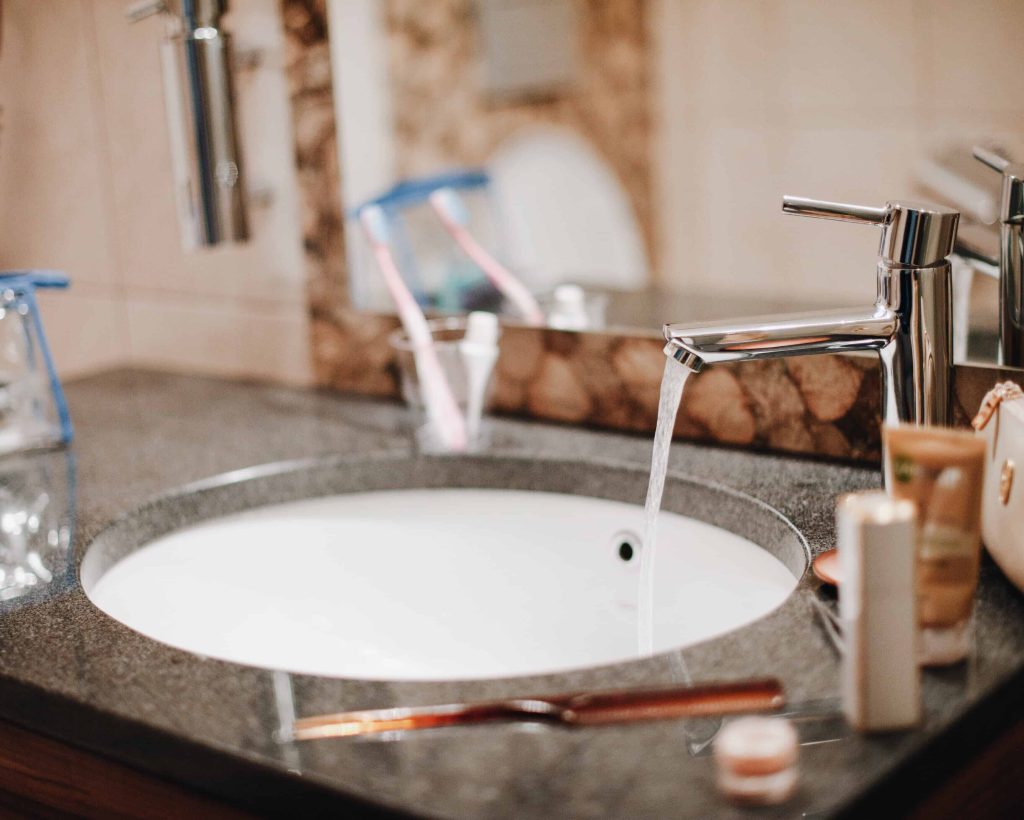
3. Fixing a Leaky Faucet
A dripping faucet is one of the easiest plumbing problems to fix.
Common causes:
- Worn rubber washer
- Damaged O-ring
- Loose internal parts
Basic steps:
- Turn off water supply
- Remove faucet handle
- Replace washer or O-ring
- Reassemble and test
This simple repair can save a lot of water over time.
4. Unclogging a Drain
Clogged sinks and showers are very common in households.
Beginner-friendly methods:
- Use a plunger
- Pour hot water into the drain
- Use baking soda and vinegar
- Clean visible debris from drain cover
When needed:
A drain snake can be used for deeper blockages.
Avoid:
Overusing chemical drain cleaners, as they can damage pipes.
5. Fixing a Running Toilet
A running toilet wastes water and increases bills.
Common causes:
- Faulty flapper
- Improper float level
- Loose chain inside tank
Easy fix:
- Open toilet tank
- Check flapper seal
- Adjust or replace parts if needed
Most toilet repairs require inexpensive replacement parts.
6. Replacing a Showerhead
This is one of the simplest DIY plumbing tasks.
Steps:
- Turn off water (optional but recommended)
- Unscrew old showerhead
- Clean threads
- Wrap plumber’s tape
- Install new showerhead
Tip:
Choose a water-efficient showerhead to save water.
7. Tightening Loose Pipe Fittings
Sometimes leaks happen because of loose connections.
What to do:
- Use a wrench to gently tighten fittings
- Avoid over-tightening
- Check for leaks after adjustment
If tightening doesn’t help, seals may need replacement.
8. Cleaning Faucet Aerators
Low water pressure is often caused by clogged aerators.
Steps:
- Unscrew faucet tip
- Remove debris or mineral buildup
- Soak in vinegar for 30–60 minutes
- Reinstall and test water flow
This simple fix improves water pressure instantly.
9. Using Plumber’s Tape (Teflon Tape)
Plumber’s tape is essential for sealing pipe threads.
How to use:
- Wrap clockwise around threads
- Apply 2–3 layers
- Reconnect fittings
It helps prevent leaks in threaded connections.
10. Dealing with Minor Pipe Leaks
Small leaks can sometimes be temporarily fixed at home.
Temporary solutions:
- Use pipe repair tape
- Apply epoxy putty
- Tighten loose joints
Important:
These are short-term fixes—permanent repair may require replacing the pipe section.
11. Maintain Your Plumbing System Regularly
Prevention is better than repair.
Simple maintenance habits:
- Don’t pour grease down sinks
- Clean drains weekly
- Check for leaks monthly
- Inspect under sinks regularly
- Test water pressure occasionally
Regular care reduces the chances of major plumbing problems.
12. Use the Right Tools
Having basic tools makes DIY plumbing much easier.
Essential tools:
- Adjustable wrench
- Plunger
- Drain snake
- Plumber’s tape
- Bucket and towels
- Screwdrivers
With these tools, you can handle most small repairs at home.
13. Safety Tips for Beginners
Plumbing work is generally safe, but precautions are important.
Always:
- Turn off water before repairs
- Wear gloves if needed
- Avoid forcing stuck parts
- Work slowly and carefully
Never:
- Ignore major leaks
- Attempt complex pipe replacements without experience
- Use excessive force on fittings
When to Call a Professional Plumber
Some problems are beyond DIY repairs.
Call a plumber if:
- Pipes are severely leaking or burst
- Sewer lines are blocked
- No water supply in home
- Water heater is malfunctioning
- Repeated plumbing issues occur
Professional help ensures safe and permanent solutions.
Final Thoughts
DIY plumbing is a valuable skill for every homeowner, especially beginners. By starting with simple tasks like fixing leaks, unclogging drains, and replacing basic parts, you can save money and build confidence over time.
The key to successful DIY plumbing is preparation, patience, and knowing your limits. While small repairs are manageable at home, complex issues should always be handled by professionals.
With the right tools and basic knowledge, you can keep your home’s plumbing system running smoothly and avoid many common problems before they become serious.