

 English












Top Flooring Options for Finished Basements
-
Admin_Renovators / 5 months
- April 15, 2026
- 0
- 4 min read

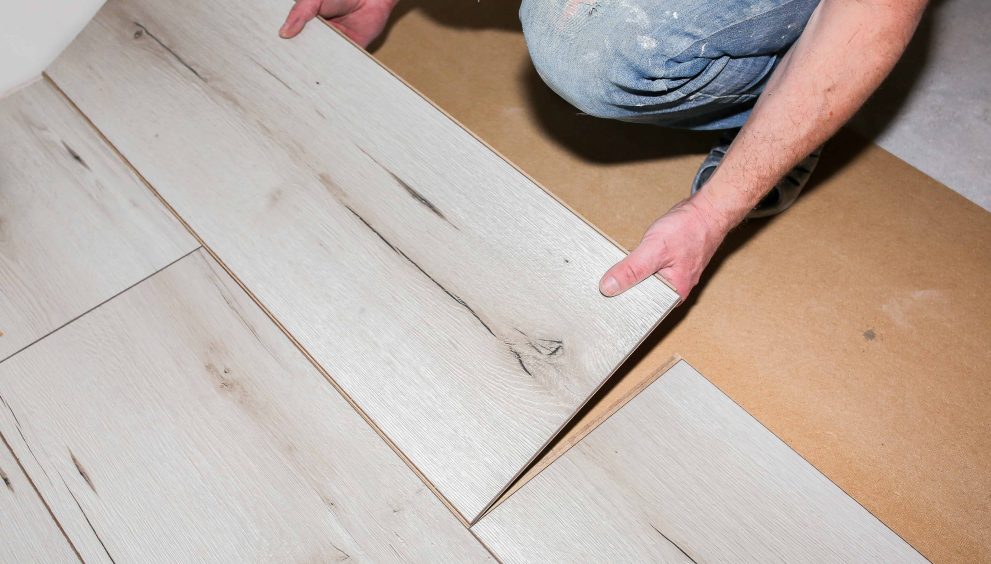
Choosing the right flooring for a finished basement is one of the most important design decisions you can make. Basements have unique challenges such as moisture, temperature changes, and concrete subfloors, so not every flooring type will perform well in this environment. The right choice should be moisture-resistant, durable, comfortable, and low-maintenance while still matching your interior style.
Below are the best flooring options for finished basements and why they work so well.
1. Luxury Vinyl Plank (LVP) Flooring
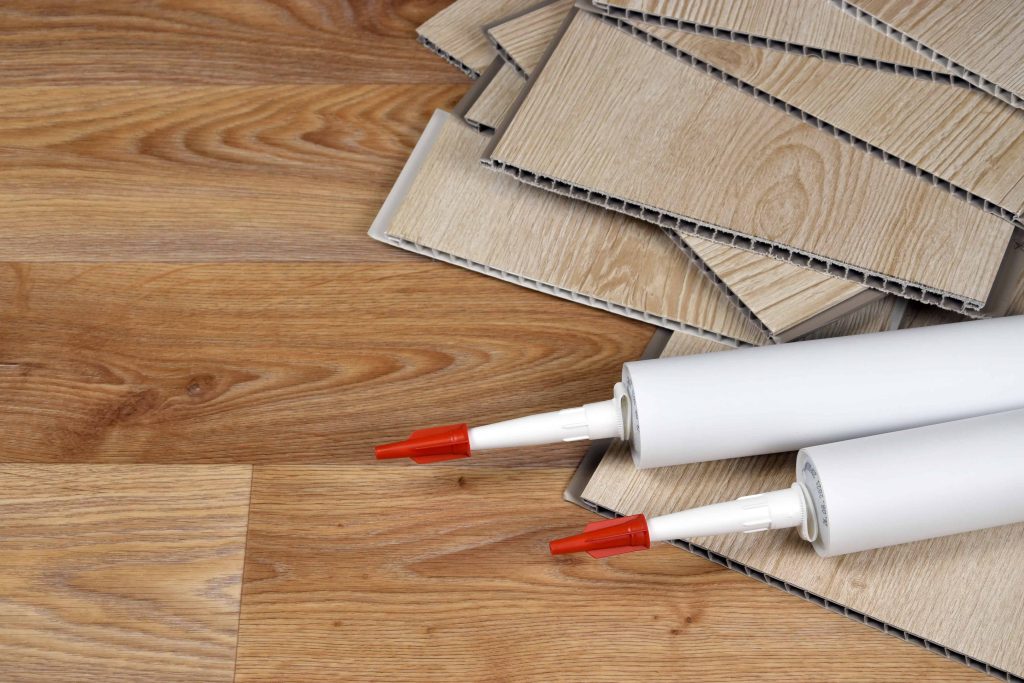
Luxury Vinyl Plank (LVP) is one of the most popular basement flooring choices today, and for good reason. It offers the look of real wood while being highly resistant to moisture.
Why it works:
- 100% waterproof construction
- Resists warping and swelling
- Soft and comfortable underfoot
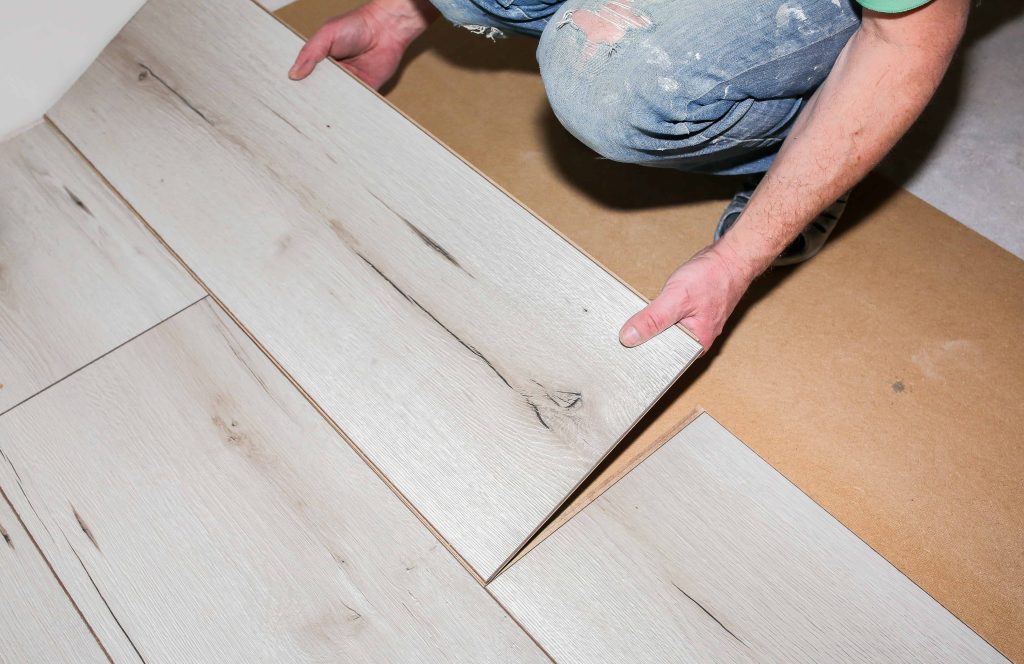
- Easy click-lock installation over concrete
LVP is ideal for basement living rooms, bedrooms, and entertainment spaces because it balances comfort and durability. It also comes in a wide variety of wood and stone designs, making it easy to match any interior style.
2. Porcelain or Ceramic Tile
Tile is one of the most durable and waterproof flooring options available for basements. It performs extremely well in areas with high moisture exposure.
Why it works:
- Nearly waterproof surface
- Extremely durable and long-lasting
- Easy to clean and maintain
- Available in wood, stone, and modern patterns
Porcelain tile is especially strong because it absorbs very little water, making it ideal for basements prone to dampness or occasional leaks.
Consideration:
Tile can feel cold and hard underfoot, so adding rugs or radiant heating improves comfort.
3. Epoxy Flooring
Epoxy flooring is a seamless coating applied directly over concrete, creating a smooth and highly durable surface. It is commonly used in garages but works extremely well in basements too.
Why it works:
- Fully waterproof surface
- Resistant to stains and chemicals
- Extremely durable for heavy use
- Easy to clean and maintain
Epoxy is especially useful for utility basements, workshops, or modern industrial-style spaces where durability matters more than softness.
4. Rubber Flooring
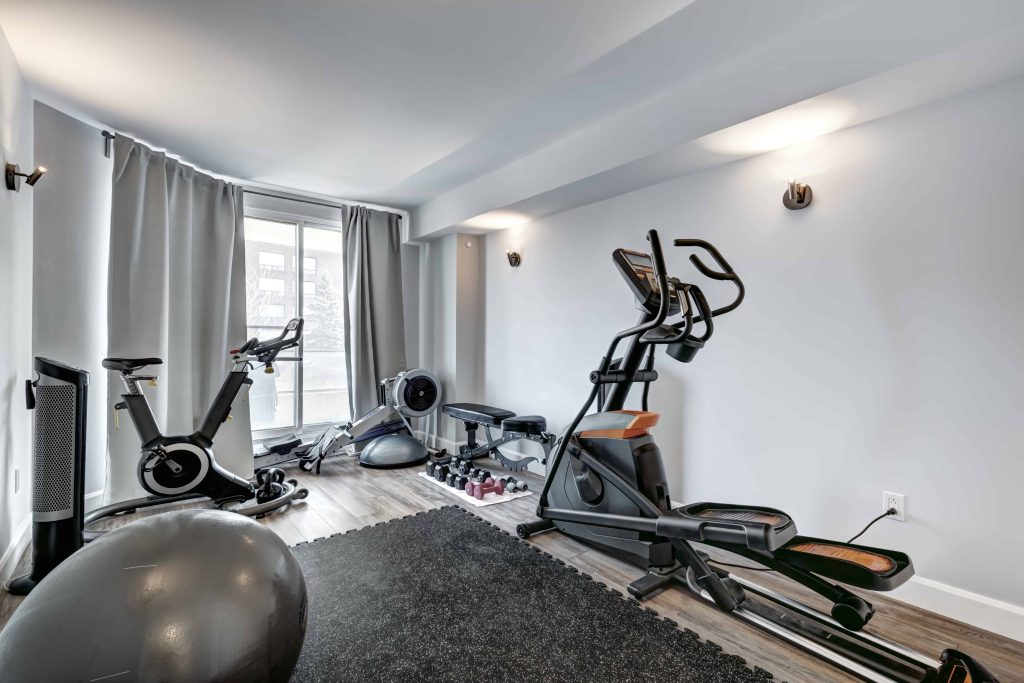
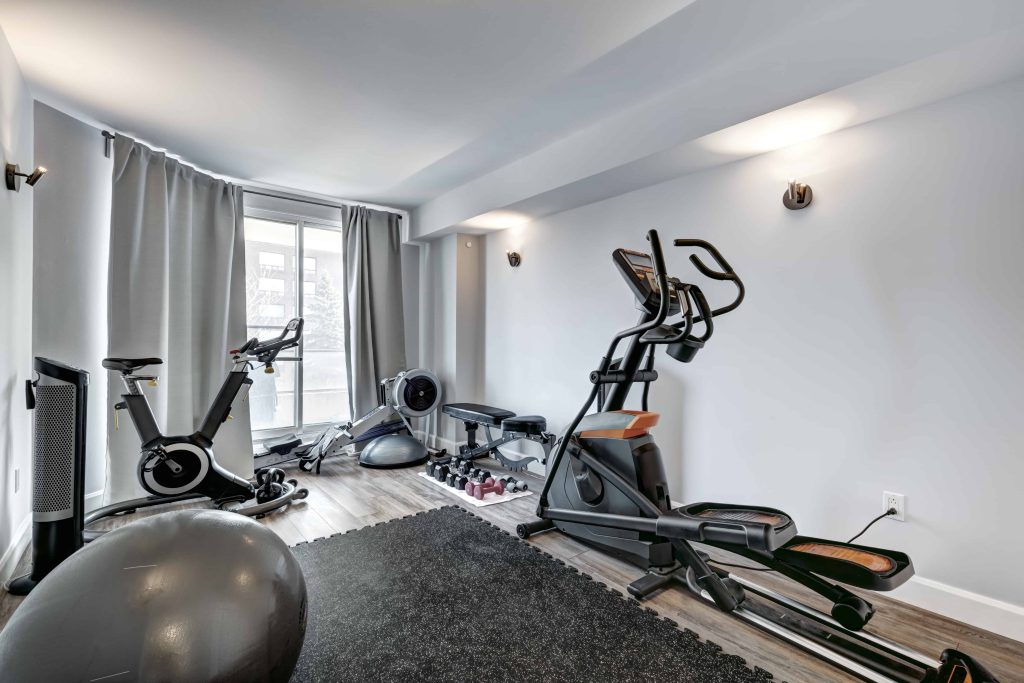
Rubber flooring is one of the best options for basement gyms and play areas because it offers comfort and shock absorption.
Why it works:
- Water-resistant and moisture-safe
- Soft and impact-absorbing
- Slip-resistant surface
- Reduces noise and vibration
Rubber flooring is ideal for home gyms or children’s playrooms because it protects joints and provides a safer surface for movement.
5. Carpet Tiles (Moisture-Resistant Types)
Carpet tiles are a flexible option for finished basements that are kept dry and well-ventilated. Unlike traditional carpet, tiles can be replaced individually if damaged.
Why it works:
- Warm and comfortable underfoot
- Improves insulation and sound control
- Easy to replace damaged sections
- Available in modular designs
Carpet tiles are best for cozy basement bedrooms or lounge areas, but they should only be used in basements with good moisture control.
6. Polished Concrete
Polished concrete is a modern and low-maintenance flooring option that uses the existing basement slab.
Why it works:
- Extremely durable surface
- Resistant to water and stains
- Very low maintenance
- Modern industrial appearance
It’s a great choice for homeowners who prefer a minimalist or industrial design. However, it can feel cold and hard, so rugs are often used for comfort.
Flooring Types to Avoid in Basements
Some flooring materials are not suitable for below-grade spaces due to moisture sensitivity.
Avoid:
- Solid hardwood: warps easily with moisture
- Standard laminate: can swell and get damaged
- Low-quality carpet: traps moisture and encourages mold
These materials can lead to long-term damage and costly repairs.
Best Flooring Choice by Basement Use
- Living room / bedroom: LVP or carpet tiles
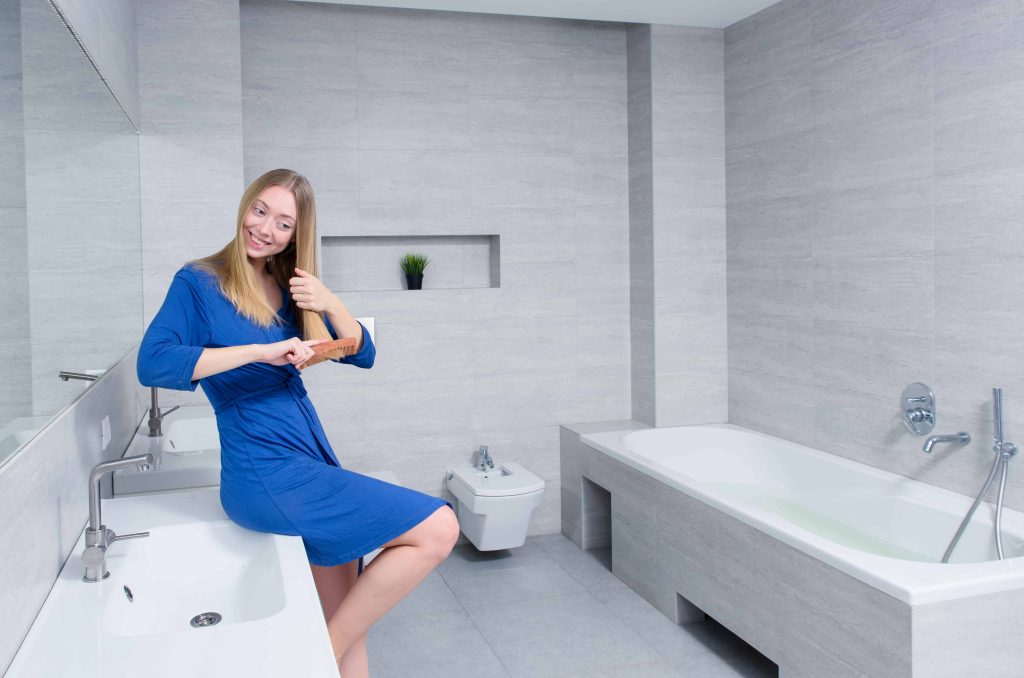
- Bathroom / laundry: Porcelain tile or epoxy
- Home gym: Rubber flooring
- Budget remodel: LVP or polished concrete
Conclusion
The best flooring for a finished basement depends on how you plan to use the space, but moisture resistance should always be the top priority. Options like LVP, tile, epoxy, rubber, and carpet tiles offer excellent performance in basement environments while still allowing you to achieve a stylish and comfortable design.
By choosing the right flooring, you can turn your basement into a fully functional extension of your home that is both durable and visually appealing for years to come.