
 English






How to Select Durable Flooring for Your Home
-
Admin_Renovators / 5 months
- April 16, 2026
- 0
- 5 min read

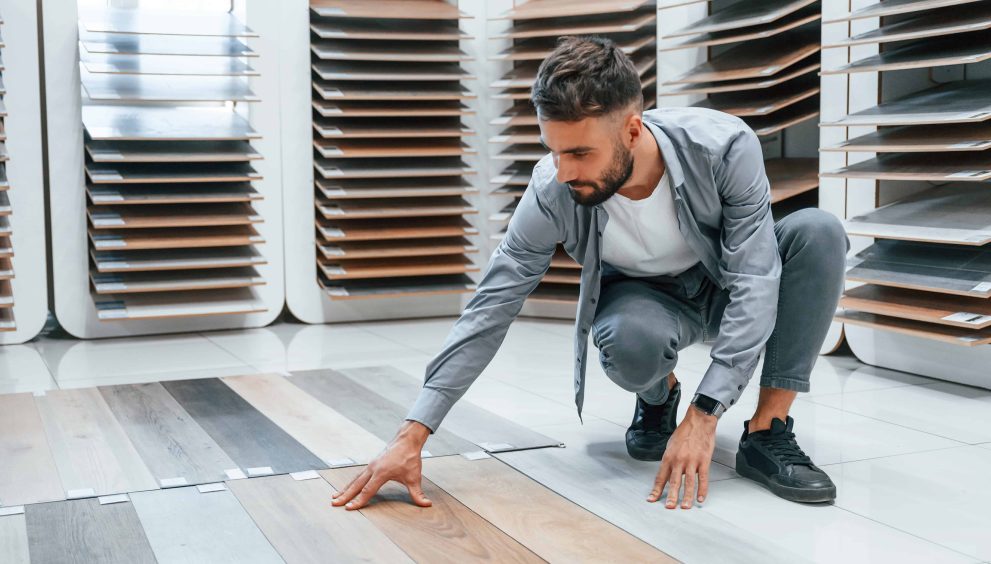
Choosing flooring is one of the most important decisions in any home design or renovation project. Flooring is not just a design element—it is the foundation of your living space. It affects comfort, durability, maintenance, and even your home’s long-term value. Since floors take the most daily abuse from foot traffic, furniture, spills, pets, and temperature changes, selecting durable flooring should always be a top priority.
In this guide, we’ll break down everything you need to know to choose flooring that lasts for years while still matching your style and budget.
Why Durable Flooring Matters
Durable flooring is essential because it directly impacts:
- Long-term maintenance costs
- Appearance over time
- Resistance to scratches, dents, and stains
- Home resale value
- Comfort and usability
Poor-quality flooring may look good at first but can quickly wear out in busy households, leading to expensive repairs or replacement.
Step 1: Understand Your Lifestyle Needs
Before choosing any flooring material, evaluate how your home is used on a daily basis.
Ask yourself:
- Do you have kids or pets?
- Is your home high-traffic or low-traffic?
- Do you entertain guests frequently?
- Is moisture or humidity an issue in your area?
Example scenarios:
- Families with pets/kids: Need scratch-resistant and waterproof flooring
- Luxury homes: May prioritize appearance and long-term value
- Apartments or rentals: Need budget-friendly and easy-to-replace options
Your lifestyle should always guide your flooring choice before anything else.
Step 2: Know the Most Durable Flooring Materials
Let’s explore the most reliable flooring options based on durability.
1. Porcelain Tile Flooring (Highest Durability)
Porcelain tile is one of the strongest flooring materials available for homes.
Why it is durable:
- Extremely hard and dense surface
- Resistant to scratches and stains
- Water-resistant and ideal for wet areas
- Long lifespan with minimal wear
Porcelain tiles are often used in kitchens, bathrooms, and entryways because they can handle heavy traffic without damage. (consumerreports.org)
Best for:
- Kitchens
- Bathrooms
- Hallways
- Entryways
Limitation:
Hard surface and may feel cold underfoot.
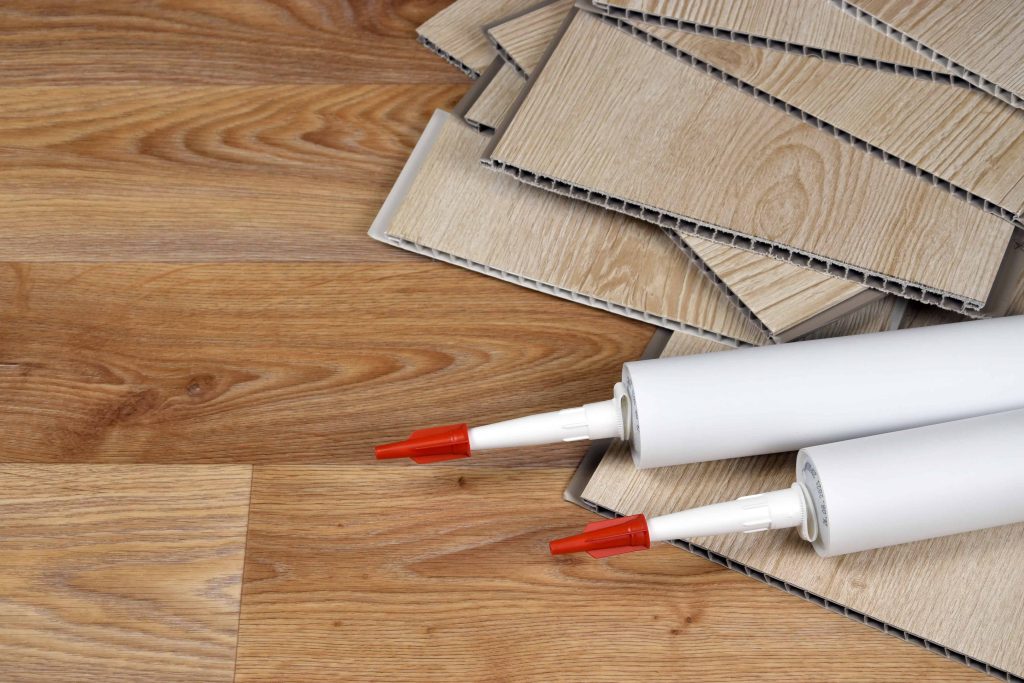
2. Luxury Vinyl Flooring (Best Overall Durability + Comfort)
Luxury vinyl plank (LVP) is one of the most popular modern flooring choices.
Why it is durable:
- Scratch and dent resistant surface
- Waterproof options available
- Flexible and impact-resistant
- Performs well in high-traffic homes
Luxury vinyl is especially ideal for busy households because it combines durability with comfort and style. (flooringamerica.com)
Best for:
- Living rooms
- Kitchens
- Basements
- Entire homes
Limitation:
Cannot be refinished like hardwood.
3. Engineered Hardwood (Natural Look + Strength)
Engineered hardwood offers the beauty of real wood with improved durability compared to solid hardwood.
Why it is durable:
- Multiple layered construction prevents warping
- Real wood top layer adds elegance
- Better moisture resistance than solid wood
Best for:
- Living rooms
- Dining areas
- Bedrooms
Limitation:
Still less water-resistant than vinyl or tile.
4. Laminate Flooring (Budget-Friendly Durability)
Laminate flooring is designed with a tough protective layer that resists scratches and wear.
Why it is durable:
- Strong wear layer
- Scratch-resistant surface
- Good for moderate traffic areas
Best for:
- Bedrooms
- Living rooms
- Hallways
Limitation:
Not waterproof and can swell with moisture.
5. Natural Stone Flooring (Premium Durability)
Stone flooring like granite, slate, and marble is extremely strong and long-lasting.
Why it is durable:
- Naturally hard material
- Resistant to wear and tear
- Extremely long lifespan
Stone flooring is commonly used in luxury homes due to its strength and appearance. (houzzwire.com)
Best for:
- Entryways
- Kitchens
- Luxury interiors
Limitation:
Expensive and may require sealing.
Step 3: Consider Water Resistance
Durable flooring must also handle moisture well, especially in kitchens, bathrooms, and basements.
Best water-resistant options:
- Luxury vinyl flooring
- Porcelain tile
- Stone flooring
Moderate resistance:
- Engineered hardwood
Low resistance:
- Laminate
- Solid hardwood
If your home has moisture exposure, water resistance should be a top priority.
Step 4: Evaluate Scratch and Impact Resistance
Homes with pets, kids, or heavy furniture need flooring that resists damage.
Best options for scratch resistance:
- Porcelain tile
- Luxury vinyl
- Laminate (moderate resistance)
Least resistant:
- Solid hardwood
- Soft natural wood floors
Choosing the right surface layer helps prevent visible damage over time.
Step 5: Think About Maintenance Requirements
Durable flooring should also be easy to maintain.
Low maintenance options:
- Vinyl flooring (simple cleaning)
- Tile flooring (easy wipe-down)
- Laminate flooring (basic care)
Higher maintenance options:
- Hardwood (requires refinishing and care)
- Stone (may need sealing)
If you want long-term convenience, choose low-maintenance materials.
Step 6: Match Flooring With Room Type
Different rooms require different durability levels.
Living Room:
- Engineered hardwood
- Luxury vinyl
- Laminate
Kitchen:
- Tile
- Vinyl
Bathroom:
- Porcelain tile
- Waterproof vinyl
Bedrooms:
- Hardwood
- Laminate
- Carpet (soft comfort option)
Step 7: Consider Long-Term Value
Durable flooring is also a financial investment.
High resale value:
- Hardwood flooring
- Stone flooring
- Engineered wood
Budget-friendly value:
- Vinyl flooring
- Laminate flooring
If you plan to sell your home in the future, premium materials may offer better returns.
Step 8: Installation Quality Matters
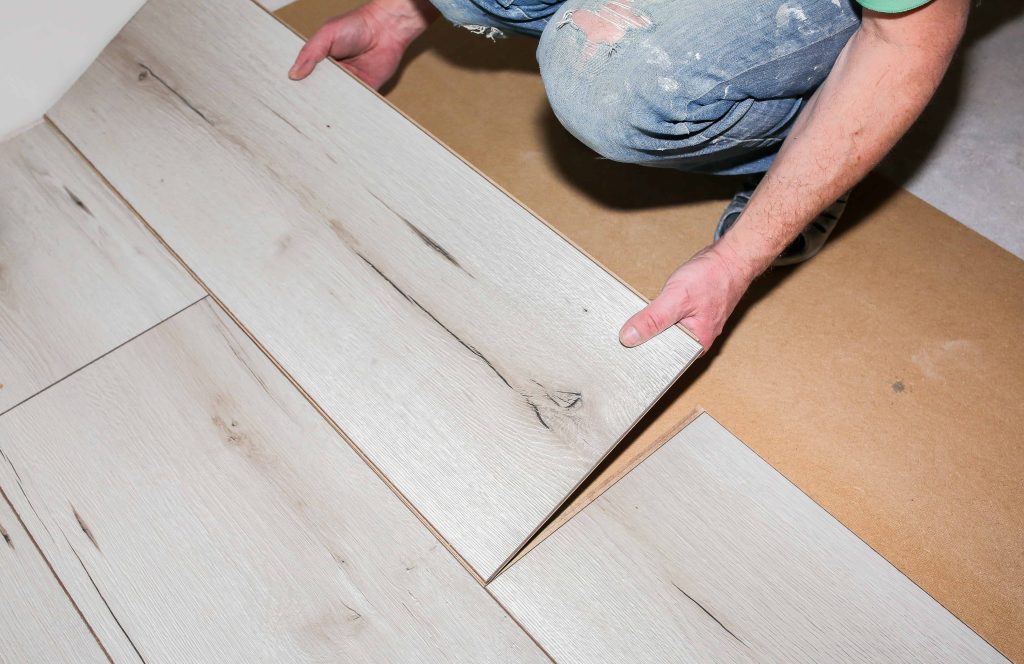
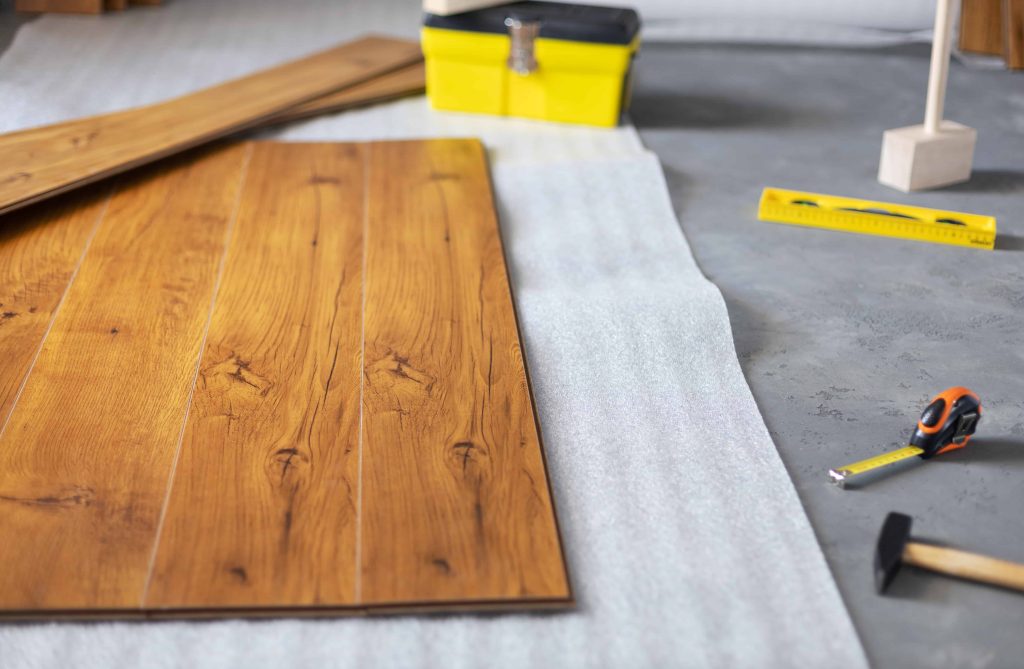
Even the best flooring will fail if installed poorly.
Important factors:
- Proper subfloor preparation
- Professional installation for heavy materials
- Correct moisture barriers
- Expansion spacing
Good installation increases lifespan significantly.
Common Mistakes to Avoid
- Choosing looks over durability
- Ignoring water resistance
- Using soft flooring in high-traffic areas
- Skipping professional installation
- Not considering long-term maintenance
Final Thoughts
Selecting durable flooring for your home is about finding the right balance between strength, style, maintenance, comfort, and cost. There is no single “best” option for every home—your lifestyle and environment determine what works best.
- For maximum durability: porcelain tile or stone
- For balanced performance: luxury vinyl
- For natural beauty: engineered hardwood
- For budget durability: laminate