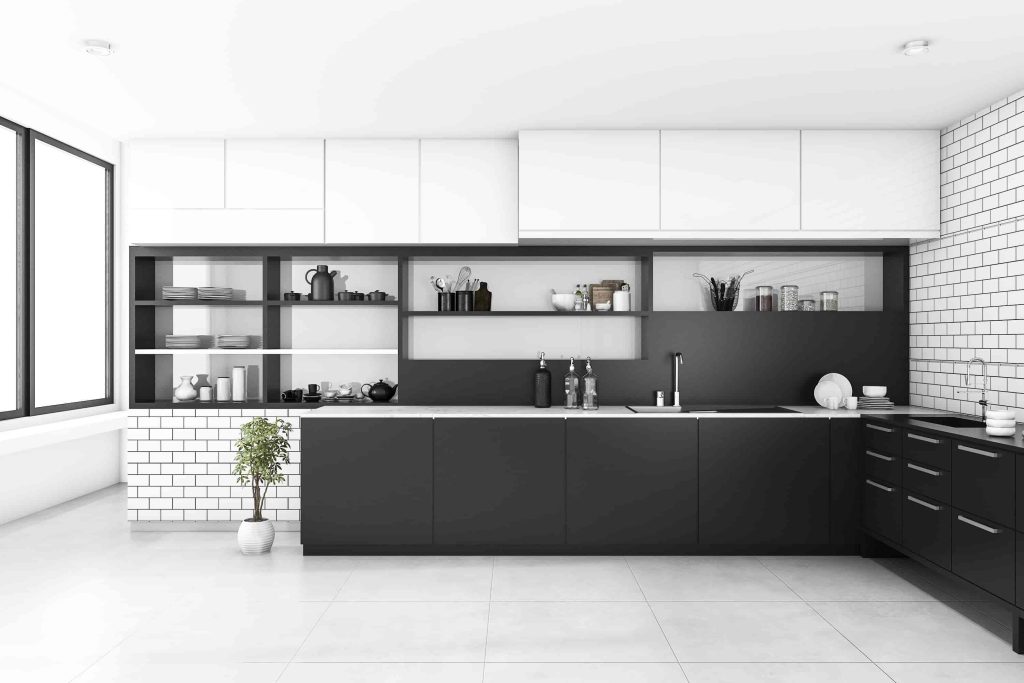
A bathroom renovation is one of the most impactful home improvement projects you can undertake. It improves comfort, enhances daily functionality, and significantly increases property value. Whether you’re upgrading an outdated bathroom or redesigning it for better use, careful planning is essential for success.
For homeowners in Chicago, bathroom remodeling also needs to consider seasonal temperature changes, plumbing efficiency, and durable material choices that can handle long-term use. This complete guide will walk you through everything you need to know for a successful bathroom renovation.
1. Start with a Clear Renovation Plan
Before you begin tearing anything out, define your renovation goals. Ask yourself what you want to achieve:
- Do you need more space or better storage?
- Are you upgrading for luxury or functionality?
- Is this a full remodel or a partial upgrade?
Having a clear vision helps guide decisions about layout, materials, and budget. It also prevents unnecessary changes during construction, which can increase costs.
2. Set a Realistic Budget
Budgeting is one of the most important steps in bathroom renovation. Costs can vary depending on size, materials, and labor.
Your budget should include:
- Demolition and removal costs
- Plumbing and electrical work
- Tiles, flooring, and wall finishes
- Fixtures (toilet, sink, bathtub, shower)
- Labor charges
- 10–15% extra for unexpected expenses
A well-planned budget ensures your project stays on track without financial stress.
3. Choose the Right Bathroom Layout
The layout determines how functional and comfortable your bathroom will be. Even small changes in layout can make a big difference.
Popular bathroom layouts include:
- Three-piece bathroom (sink, toilet, shower)
- Full bathroom (sink, toilet, bathtub, shower)
- Wet room design (fully waterproof open shower area)
When planning, focus on efficient use of space and easy movement. Proper placement of fixtures improves comfort and usability.
4. Focus on Plumbing and Electrical Systems
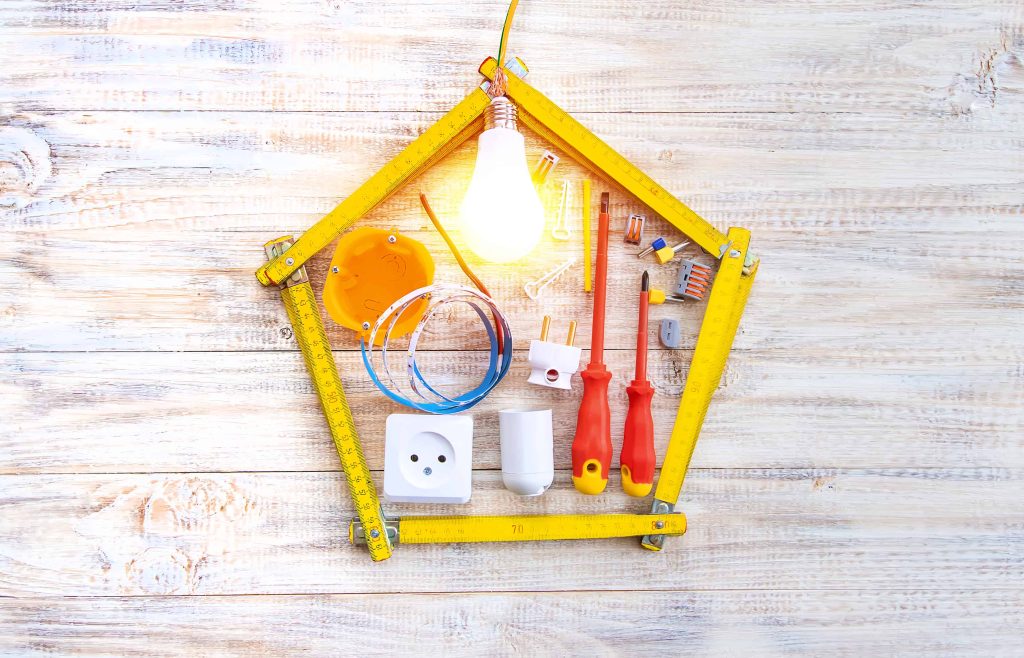
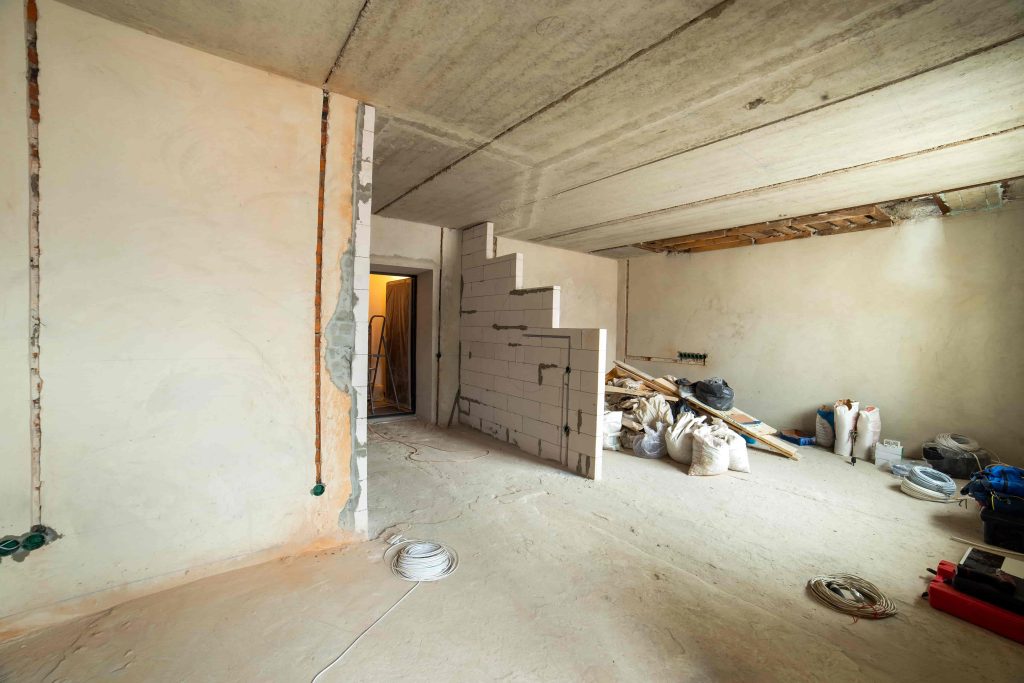
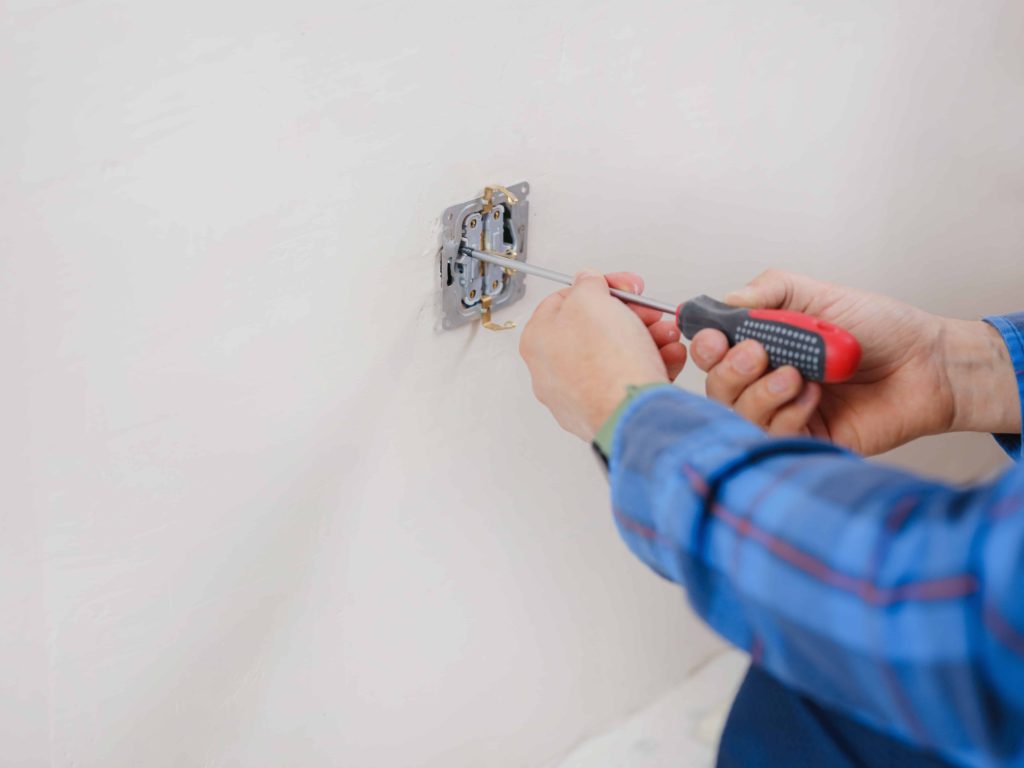
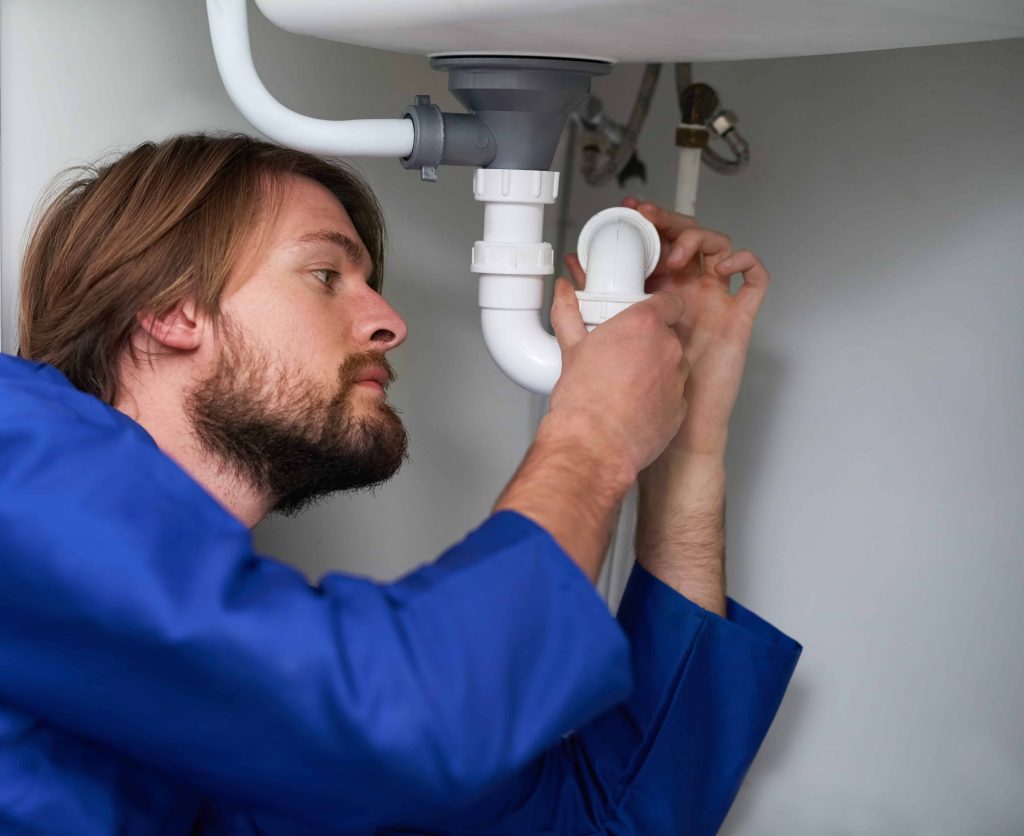
Behind every great bathroom is a strong infrastructure. Plumbing and electrical systems must be updated or inspected before finishing work begins.
Key considerations:
- Replace old or leaking pipes
- Ensure proper drainage systems
- Install water-efficient fixtures
- Upgrade wiring for lighting and heaters
Ignoring these systems can lead to costly repairs later, so it’s important to prioritize them early in the renovation process.
5. Select Durable and Water-Resistant Materials
Bathrooms are high-moisture areas, so choosing the right materials is essential for durability and safety.
Best material choices include:
- Porcelain or ceramic tiles for floors and walls
- Quartz or granite countertops
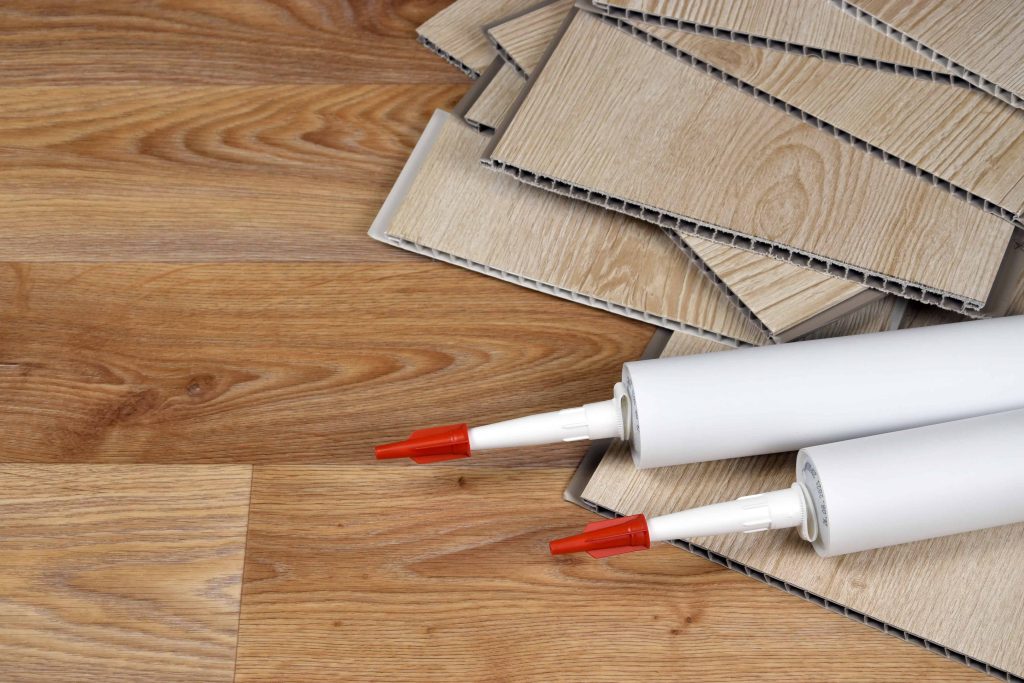
- Water-resistant paint or wall panels
- Anti-slip flooring materials
High-quality materials not only improve appearance but also extend the lifespan of your bathroom.
6. Upgrade to Modern Fixtures
Modern fixtures improve both aesthetics and functionality. They also help reduce water usage and maintenance costs.
Popular upgrades include:
- Rainfall showerheads
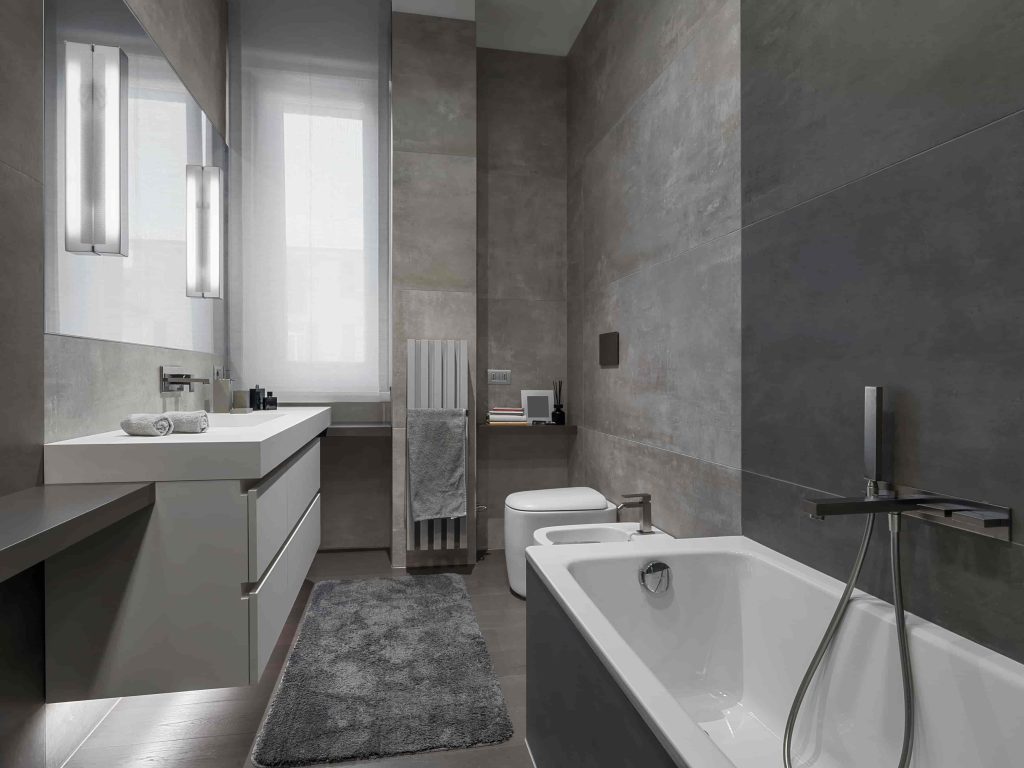
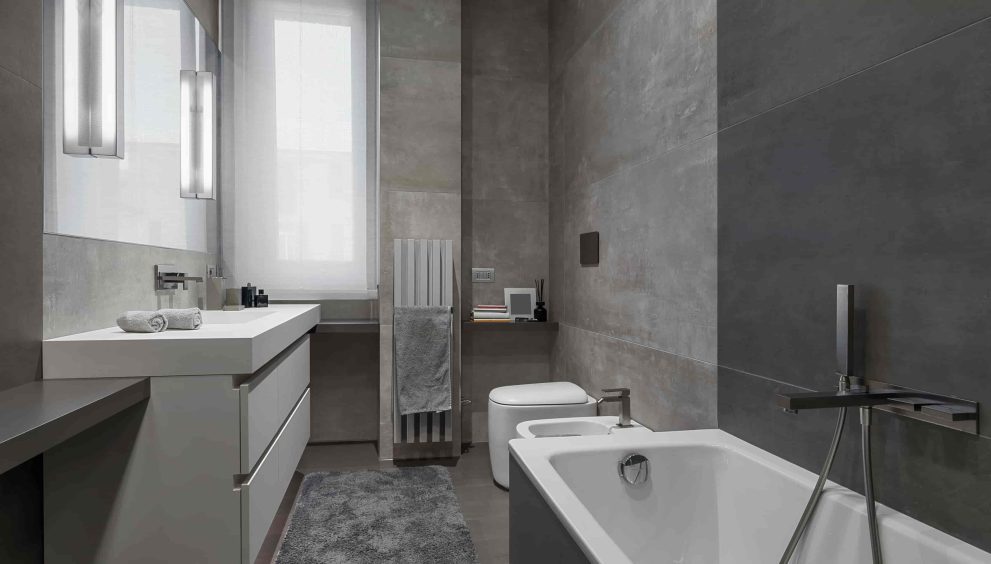
- Wall-mounted sinks and toilets
- Water-saving faucets
- Frameless glass shower enclosures
These upgrades create a clean, modern look while improving efficiency.
7. Improve Lighting and Ventilation
Lighting and ventilation are often overlooked but are critical in bathroom design. A well-lit and well-ventilated bathroom feels larger, cleaner, and more comfortable.
Lighting ideas:
- LED ceiling lights for general brightness
- Mirror lighting for grooming tasks
- Accent lighting for luxury appeal
Ventilation tips:
- Install a strong exhaust fan
- Add windows if possible for natural airflow
- Prevent moisture buildup to avoid mold growth
Proper ventilation is especially important in humid climates and helps protect your renovation investment.
8. Choose a Functional Storage System
A clutter-free bathroom is more functional and visually appealing. Smart storage solutions help keep everything organized.
Consider:
- Floating vanities with drawers
- Built-in wall shelves
- Medicine cabinets with mirrors
- Corner storage units
Good storage design ensures your bathroom remains clean and easy to use.
9. Hire Experienced Contractors
Bathroom renovation requires skilled professionals for plumbing, electrical, and tile work. Hiring experienced contractors ensures quality results and reduces the risk of future problems.
Look for contractors who:
- Are licensed and insured
- Have experience in bathroom remodeling
- Provide clear project timelines
- Offer transparent pricing
A reliable team can make the renovation process smoother and stress-free.
10. Final Inspection and Finishing Touches
Once the renovation is complete, carefully inspect all work. Check for leaks, uneven tiles, proper drainage, and fixture installation.
Then add finishing touches:
- Decorative mirrors
- Plants for freshness
- Stylish towels and accessories
- Soft lighting for ambiance
These small details complete the transformation and give your bathroom a polished, modern look.
Conclusion
A successful bathroom renovation is all about careful planning, quality materials, and professional execution. From layout design and plumbing upgrades to lighting and storage solutions, every detail contributes to a functional and stylish space.
For homeowners in Chicago, investing in a well-designed bathroom not only improves daily comfort but also adds long-term value to the property. With the right approach, your bathroom can become one of the most beautiful and efficient spaces in your home.
 English