
 English
























How to Turn Your Basement into a Functional Room
-
Admin_Renovators / 5 months
- April 10, 2026
- 0
- 4 min read

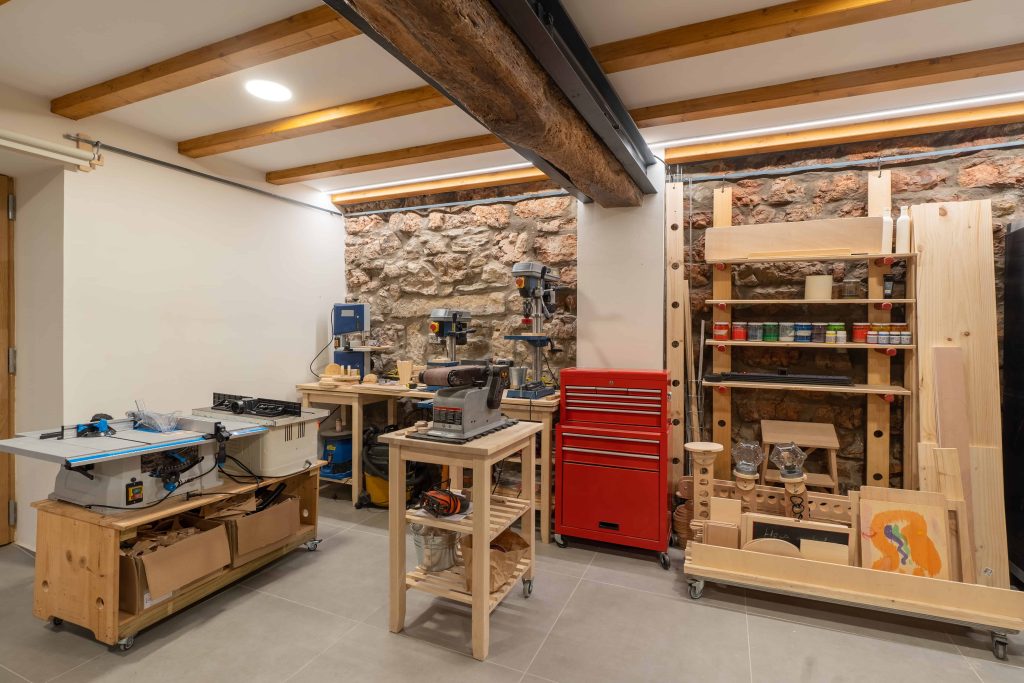
A basement is often one of the most underused areas in a home. Instead of leaving it dark, empty, or full of storage boxes, you can transform it into a fully functional living space. Whether you want a home office, guest suite, gym, or entertainment area, a well-planned basement conversion can significantly increase both your home’s value and usability.
In this guide, we’ll walk you through how to turn your basement into a functional room step by step.
1. Start with a Clear Purpose
Before making any changes, decide how you want to use the space. A basement can serve many purposes, but it works best when designed around a specific function.
Popular options include:
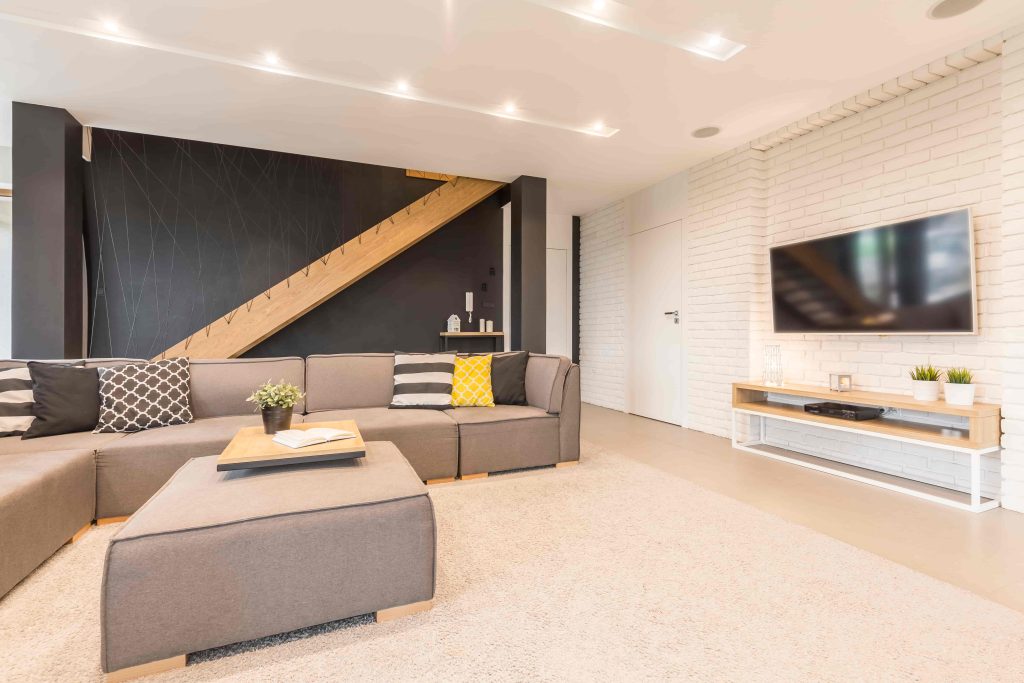
- Family living room
- Home office
- Guest bedroom
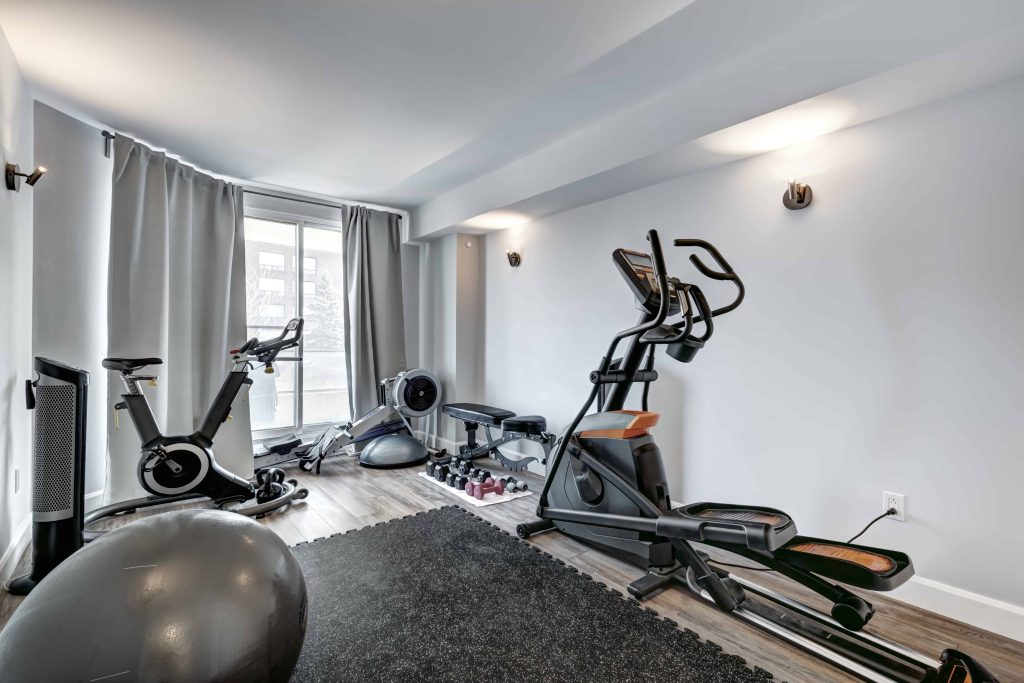
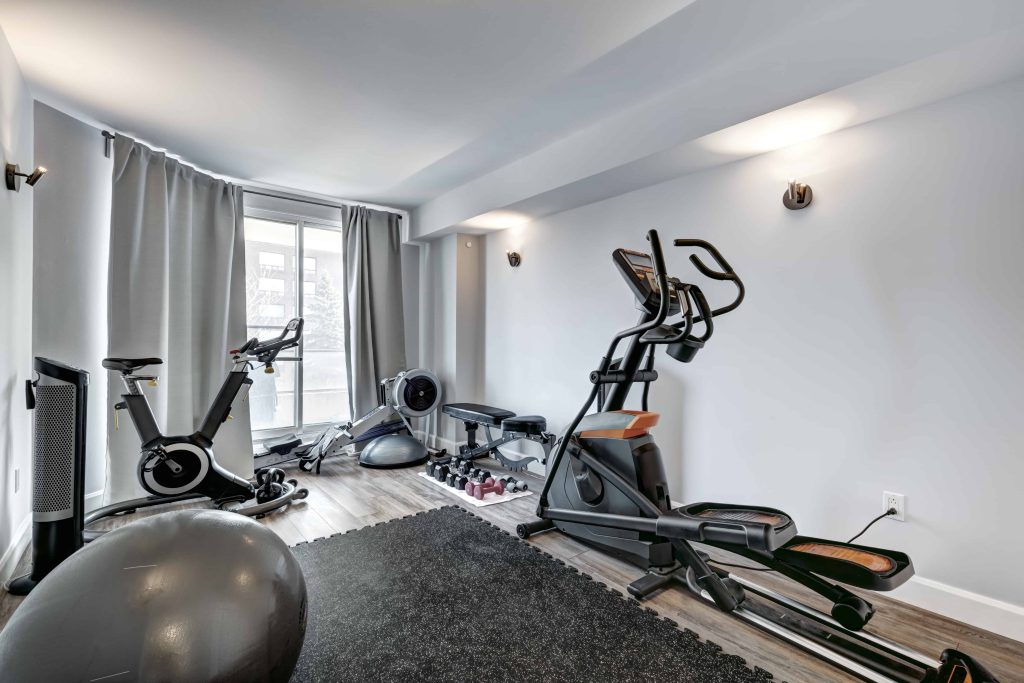
- Home gym
- Entertainment or game room
- Rental apartment
Having a clear purpose will help guide your design, layout, and budget decisions.
2. Inspect and Prepare the Basement
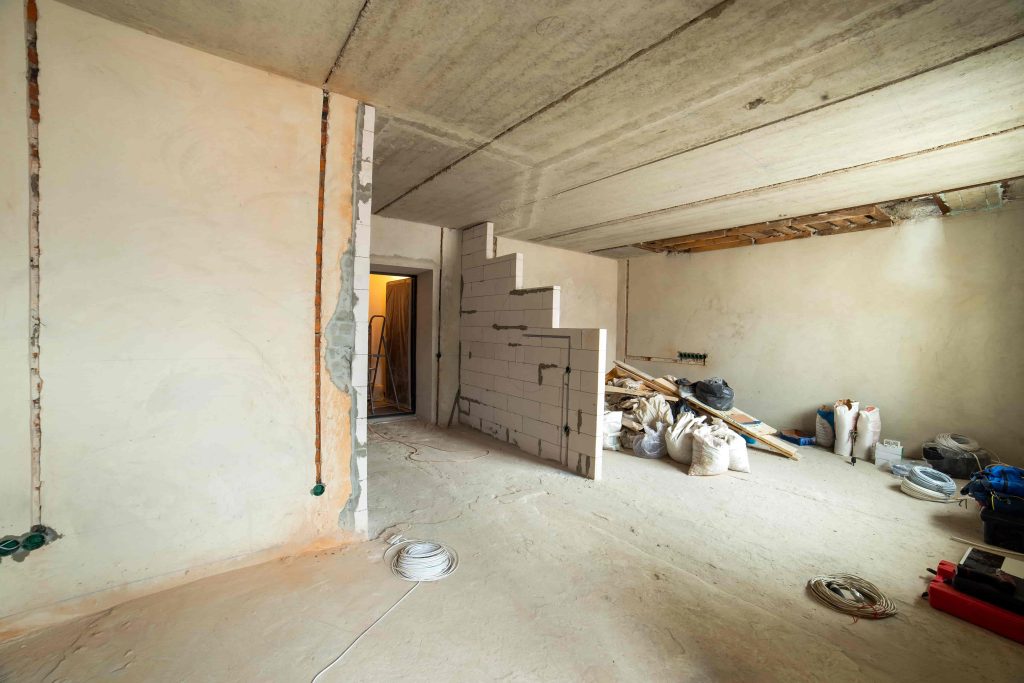
Basements often come with hidden issues that must be addressed before renovation begins. A proper inspection ensures your space is safe and livable.
Check for:
- Moisture or water leaks
- Mold or mildew
- Cracks in walls or foundation
- Low ceiling height
- Poor ventilation
If you notice any of these issues, fix them before starting the remodeling process. Waterproofing and sealing are especially important to prevent long-term damage.
3. Waterproof and Insulate the Space
A functional basement must be dry, warm, and comfortable. Waterproofing and insulation are essential steps.
Waterproofing solutions:
- Seal foundation cracks
- Install a sump pump if needed
- Use waterproof coatings on walls
Insulation tips:
- Insulate walls and ceilings to control temperature
- Use moisture-resistant materials
- Install vapor barriers to prevent dampness
This step ensures your basement remains usable in all seasons.
4. Plan the Layout Wisely
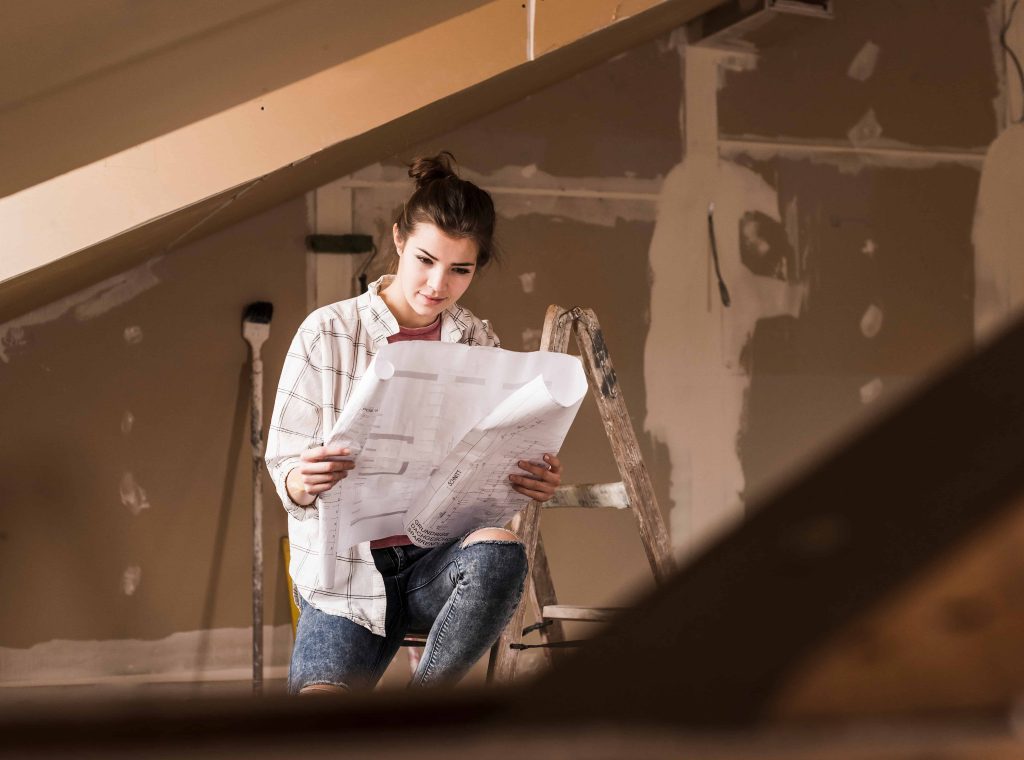
A smart layout can make even a small basement feel spacious and functional. Think about how people will move through the space.
Layout ideas:
- Open-plan design for multipurpose use
- Separate zones (e.g., seating area + office corner)
- Built-in storage to reduce clutter
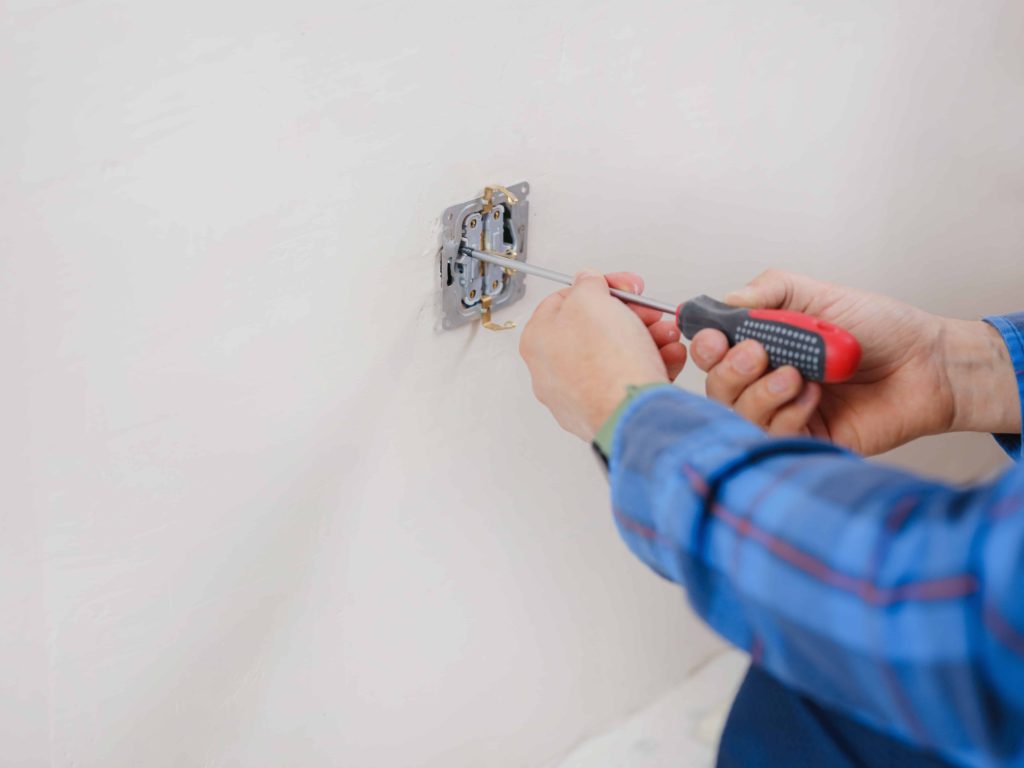
Keep essential utilities like plumbing and electrical points in mind when planning the layout.
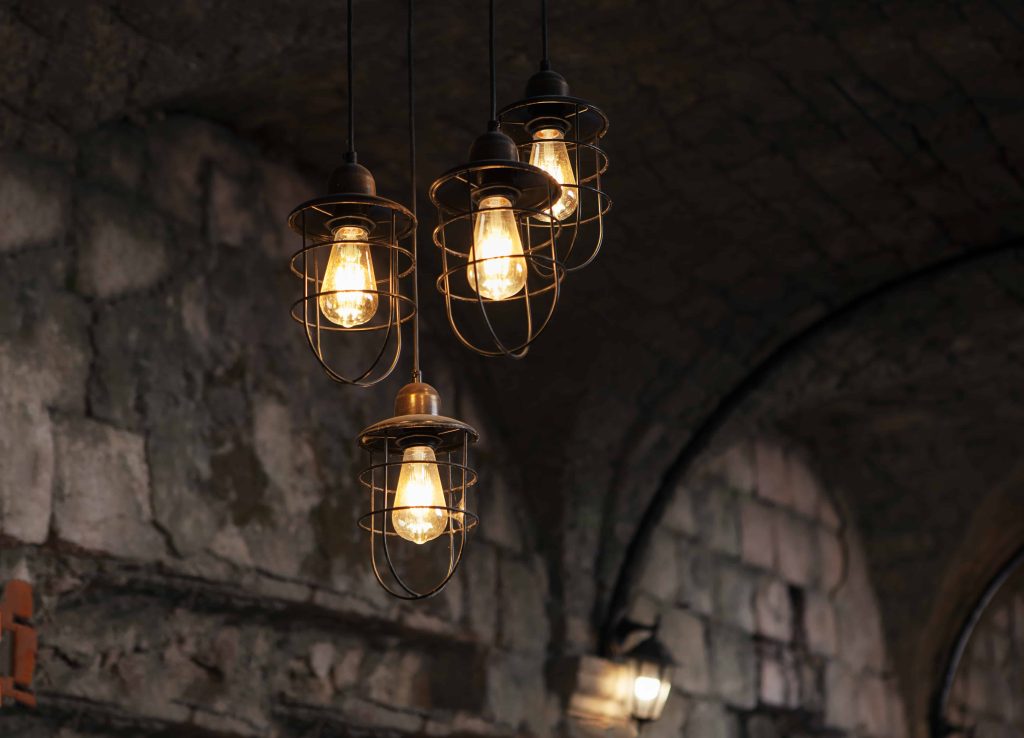
5. Focus on Lighting Design
Basements typically lack natural light, so lighting plays a crucial role in making the space feel inviting.
Best lighting strategies:
- Recessed ceiling lights for overall brightness
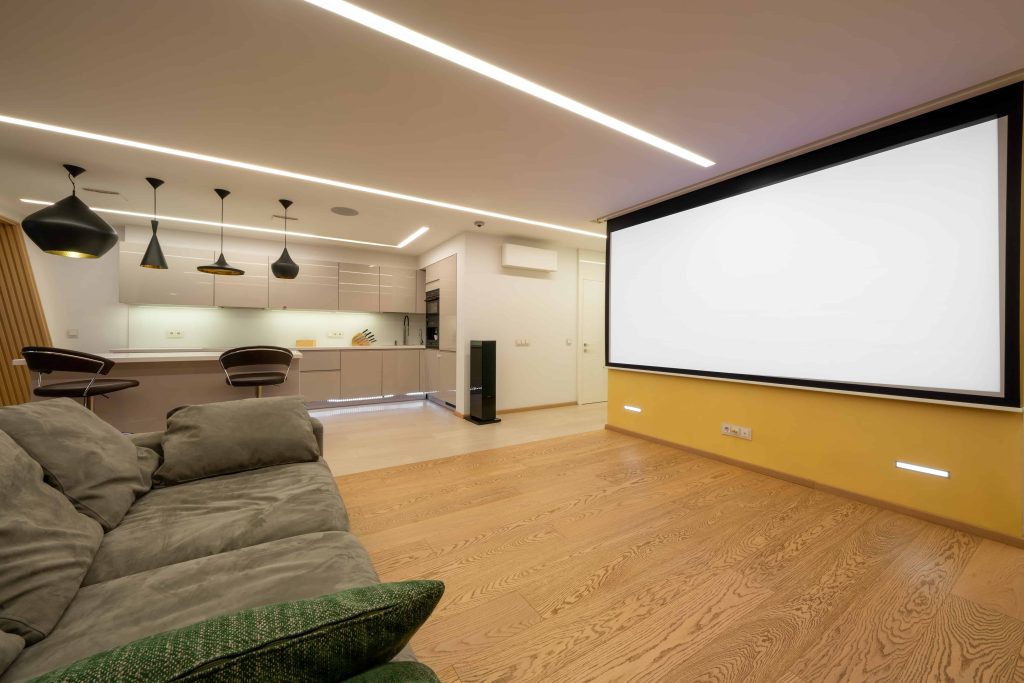
- LED strip lighting for modern accents
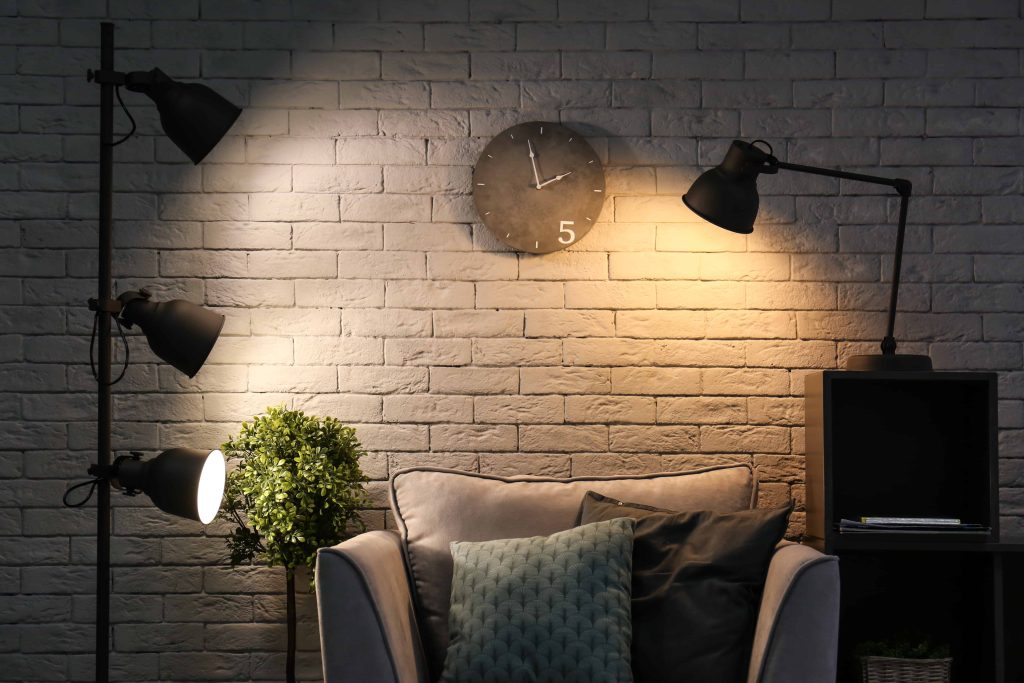
- Floor lamps for cozy corners
- Wall sconces for soft ambiance
Use warm white lighting to create a comfortable and welcoming environment.
6. Improve Ventilation and Air Quality
Proper airflow is essential for a healthy and comfortable basement. Poor ventilation can lead to dampness, odors, and discomfort.
Ways to improve air quality:
- Install exhaust fans
- Add air vents or ducts
- Use air purifiers
- Ensure HVAC system extends to basement
Good ventilation helps maintain freshness and prevents moisture buildup.
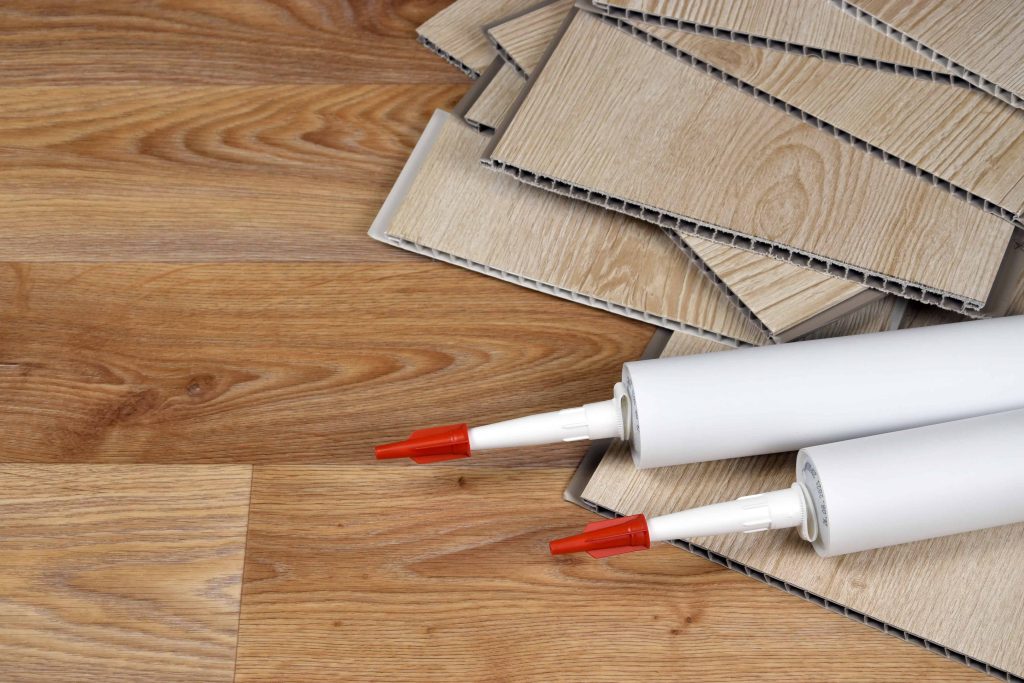
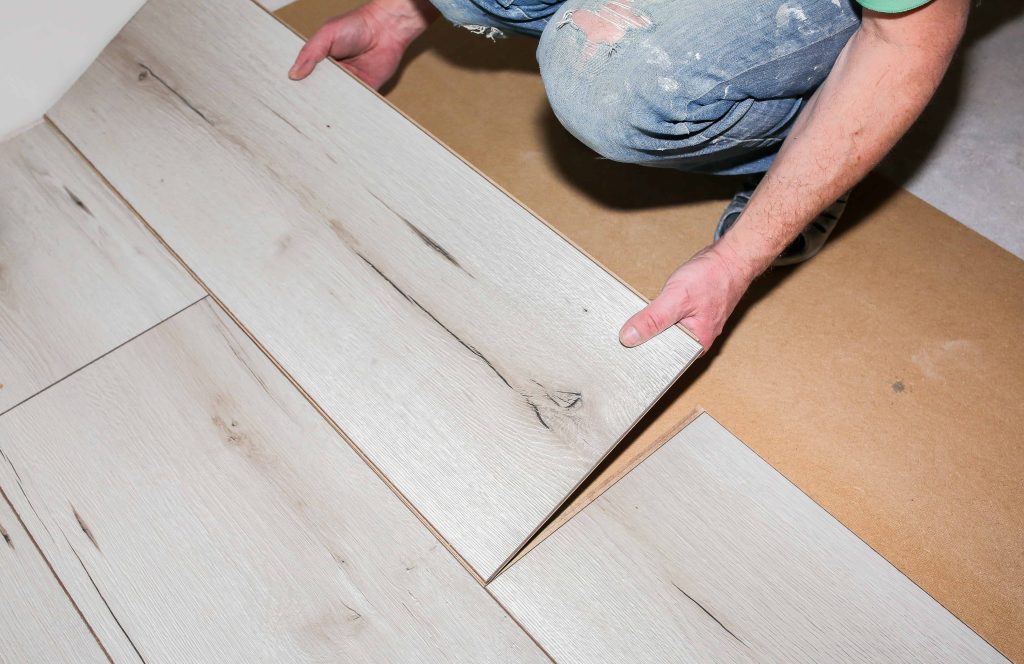
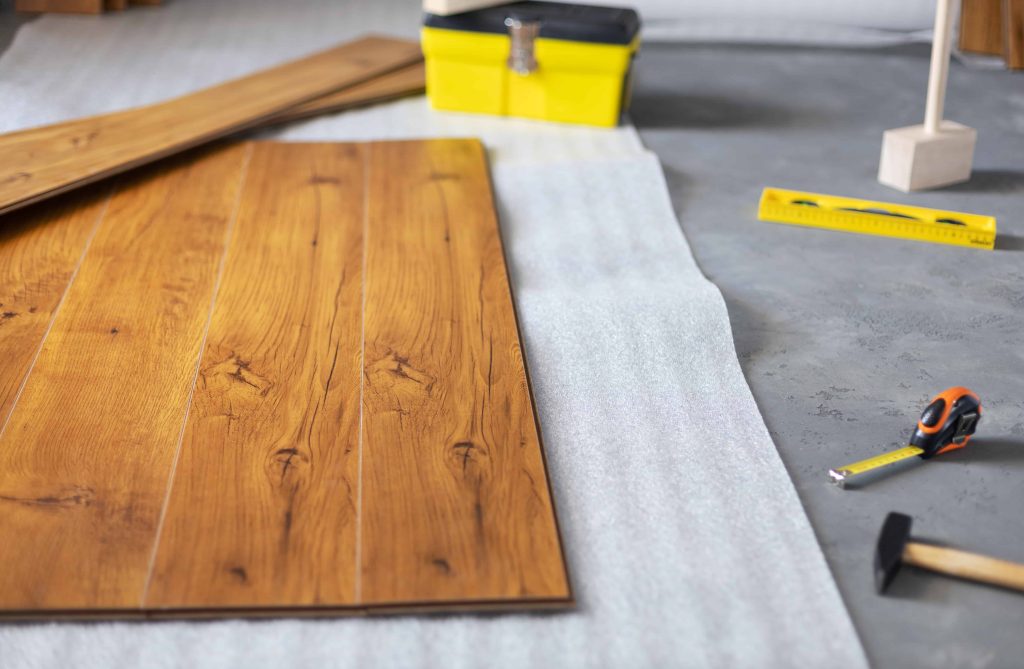
7. Choose the Right Flooring
Basement flooring must be durable, moisture-resistant, and easy to maintain.
Best flooring options:
- Vinyl planks (water-resistant and stylish)
- Ceramic or porcelain tiles
- Epoxy flooring for durability
- Engineered wood (with moisture protection)
Avoid untreated hardwood, as it can warp in humid conditions.
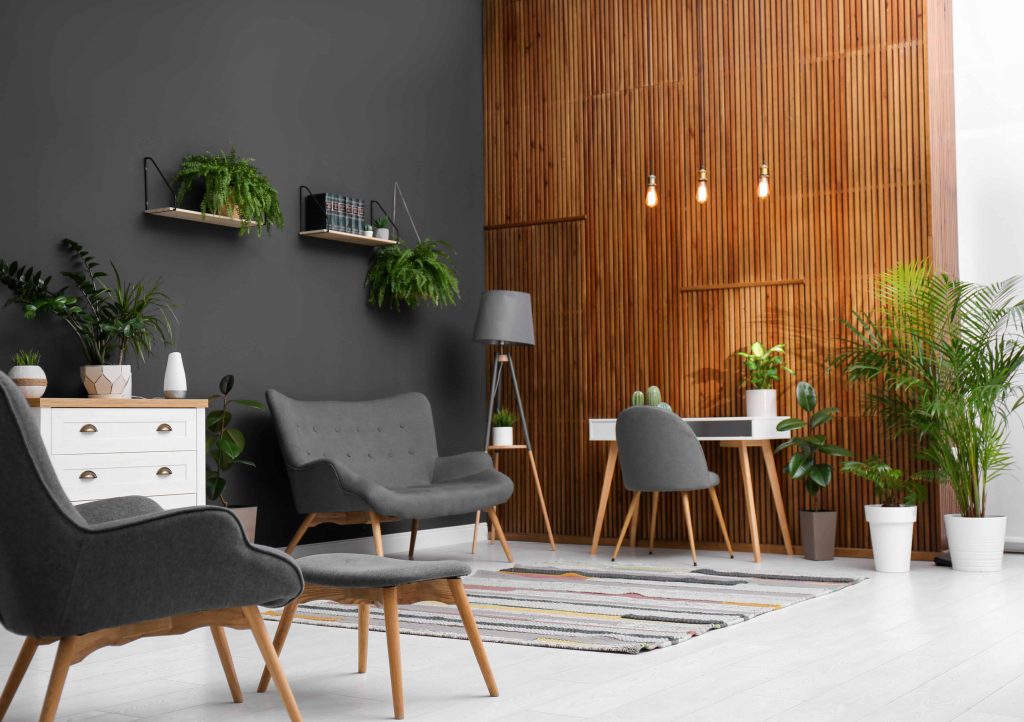
8. Add Functional Furniture and Storage
To make your basement truly functional, choose furniture that fits the purpose of the room.
Smart furniture ideas:
- Sofa beds for guest rooms
- Foldable desks for offices
- Wall-mounted shelves
- Multi-purpose storage units
Built-in storage helps keep the space organized and clutter-free.
9. Soundproof the Area (Optional but Useful)
If you plan to use the basement as a media room, office, or rental unit, soundproofing can greatly improve comfort.
Soundproofing methods:
- Acoustic wall panels
- Insulated drywall
- Thick carpets or rugs
- Door seals and insulation strips
This reduces noise transfer between floors and improves privacy.
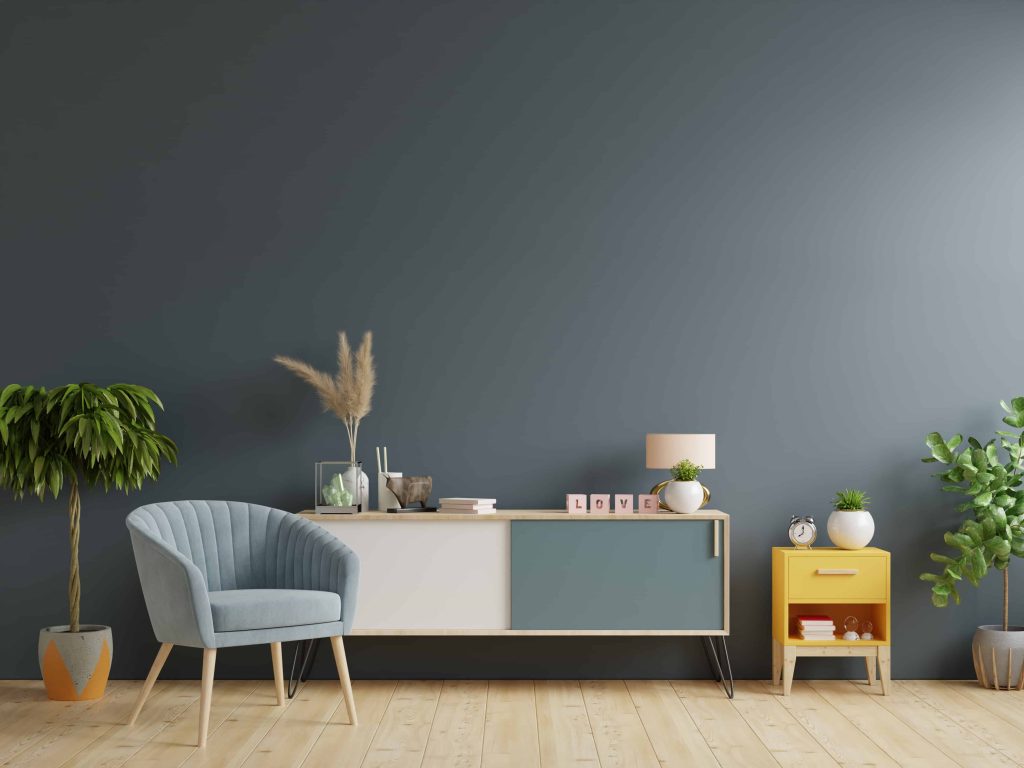
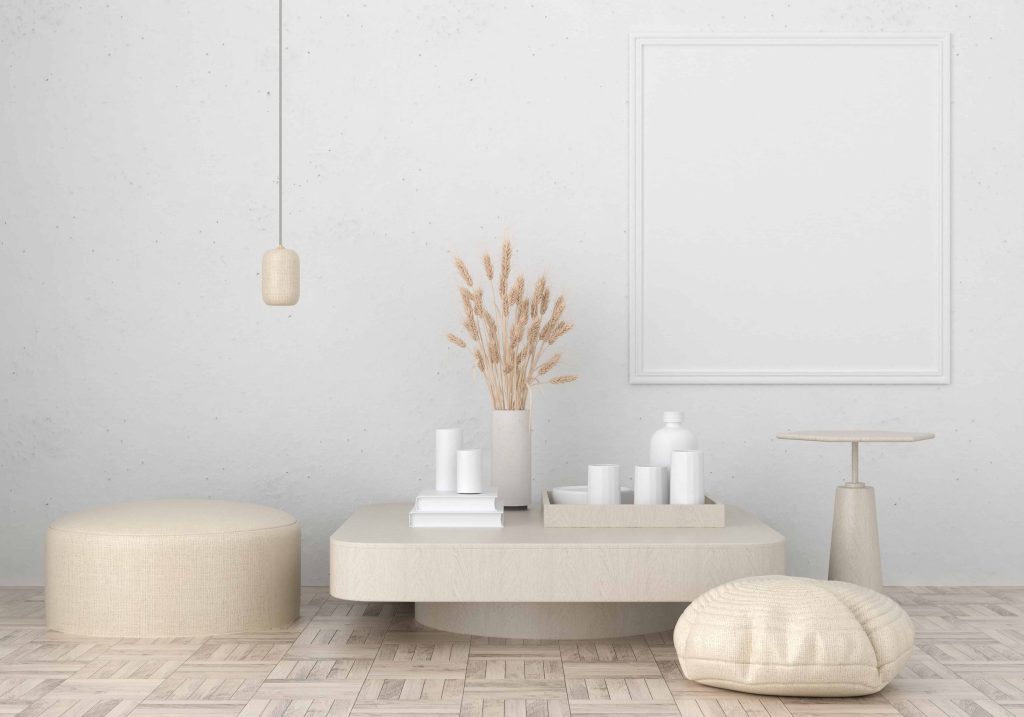
10. Add Final Design Touches
Once the structure is complete, focus on décor and finishing touches to bring the space to life.
Decor ideas:
- Neutral or light wall colors
- Large mirrors to reflect light
- Area rugs for warmth
- Wall art or minimal décor
Keep the design simple to avoid making the basement feel cramped.
Final Thoughts
Turning your basement into a functional room is a smart investment that enhances both your lifestyle and property value. With proper planning, waterproofing, lighting, and design, you can transform a dark, unused space into one of the most useful areas in your home.
Whether you choose a cozy family room, a productive office, or a private guest suite, the key is to design with purpose and practicality in mind. A well-finished basement doesn’t just add space—it adds comfort, flexibility, and long-term value to your home.