
 English































































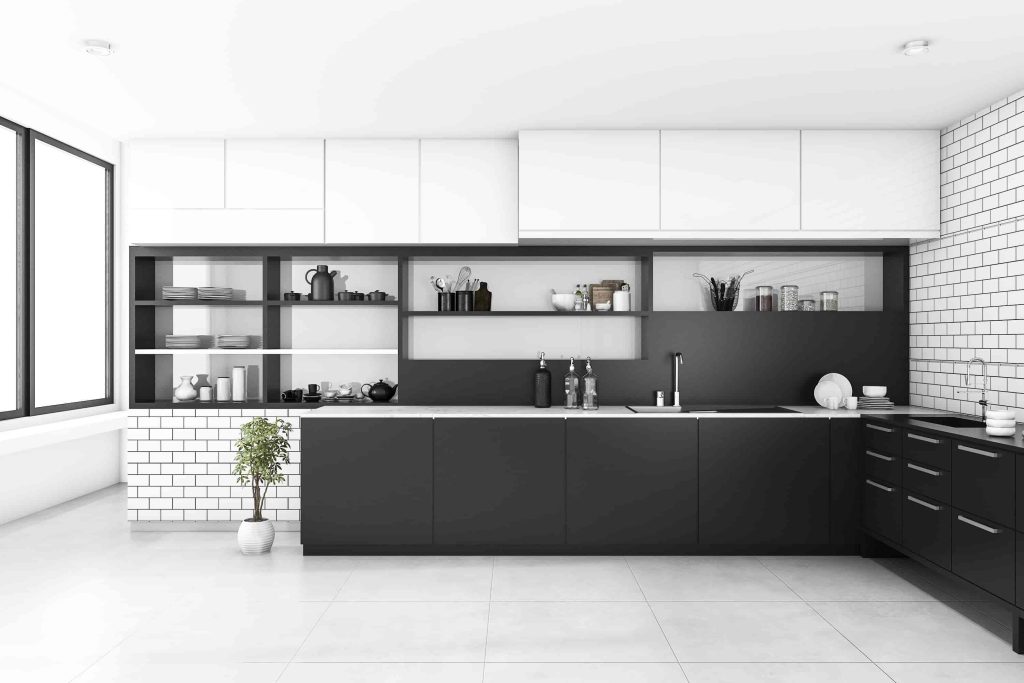
Complete Guide to Whole Home Renovation in Chicago
-
Admin_Renovators / 5 months
- April 10, 2026
- 0
- 4 min read


A whole home renovation is one of the most exciting yet complex home improvement projects a homeowner can take on. In a city like Chicago—where homes range from historic brownstones to modern condos—renovations require careful planning, budgeting, and compliance with local building codes. Whether you want to modernize an older home, improve functionality, or increase property value, a full renovation can completely transform your living space.
This guide will walk you through everything you need to know about a whole home renovation in Chicago.
1. Understand What a Whole Home Renovation Includes
A whole home renovation goes beyond simple cosmetic updates. It typically involves multiple areas of the house and may include structural, mechanical, and design changes.
Common renovation elements:
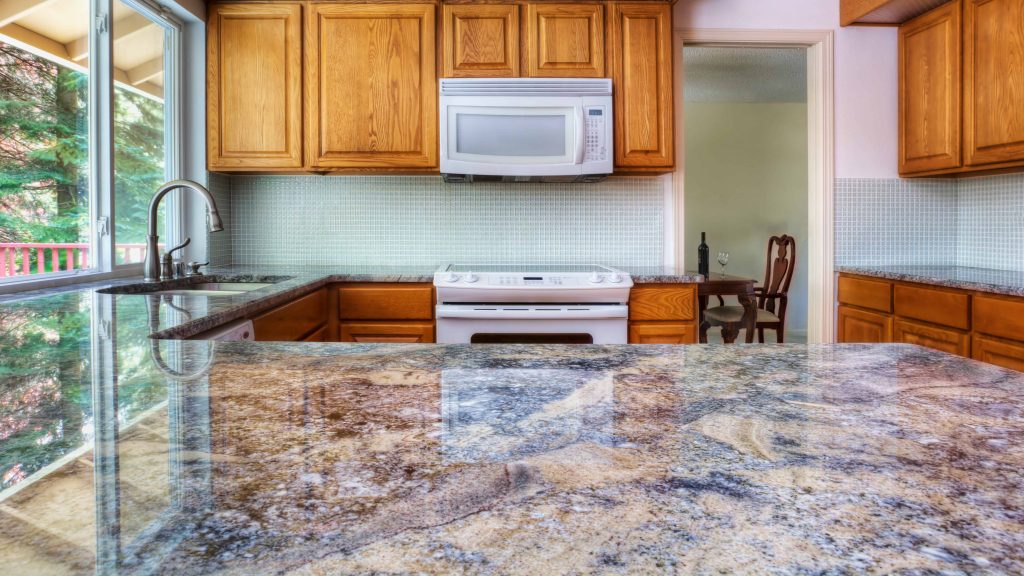
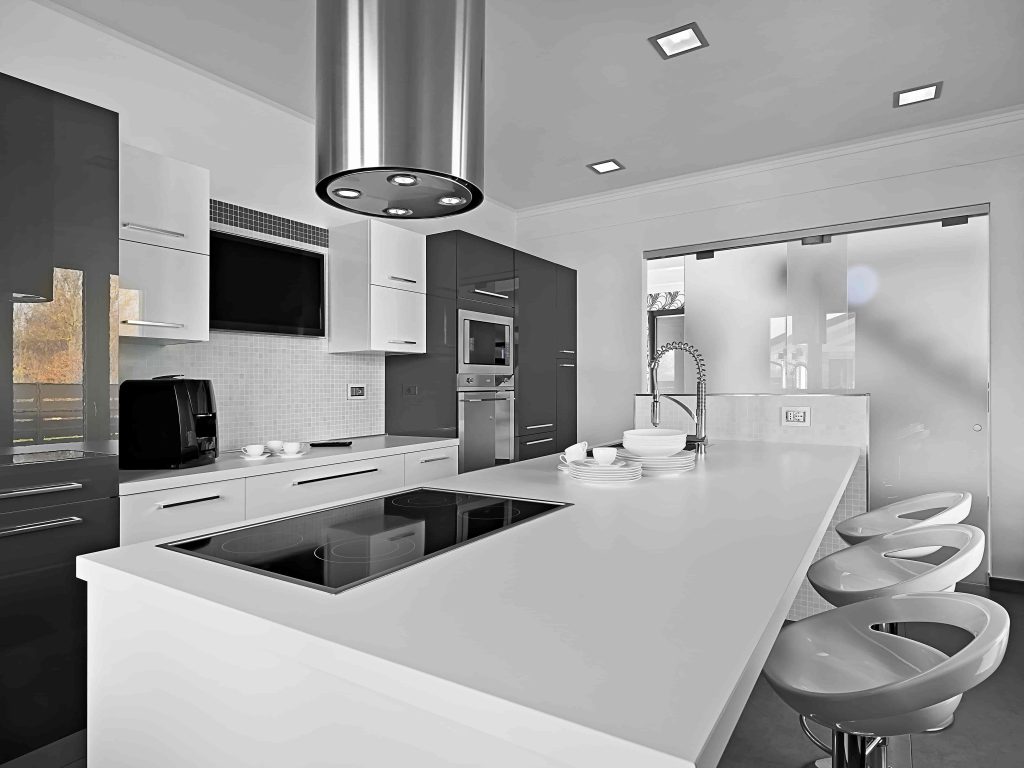
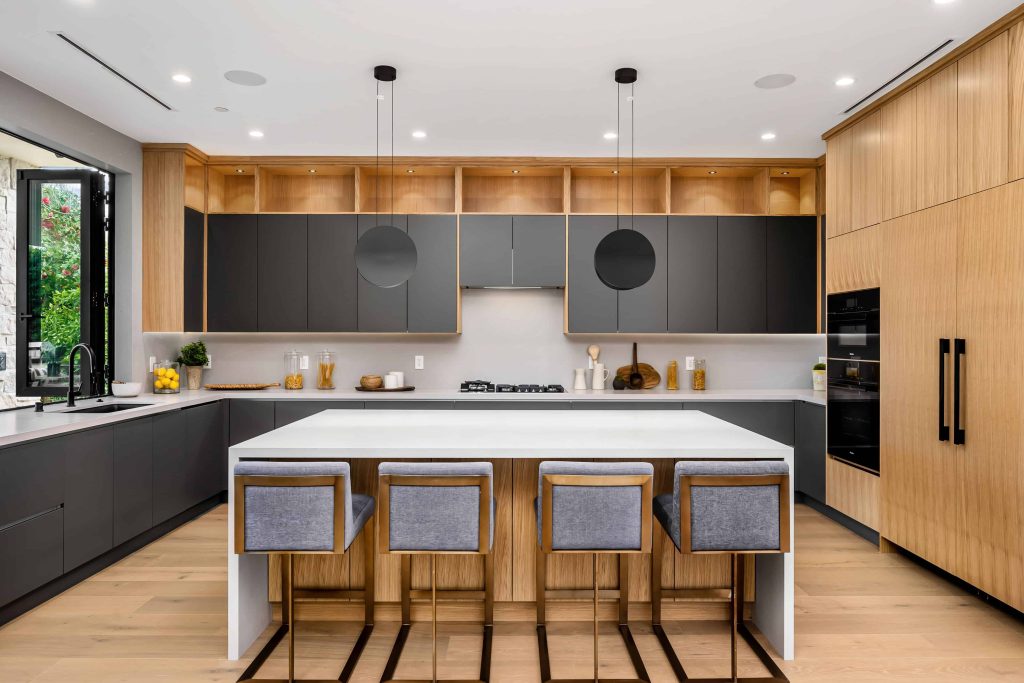
- Kitchen remodeling
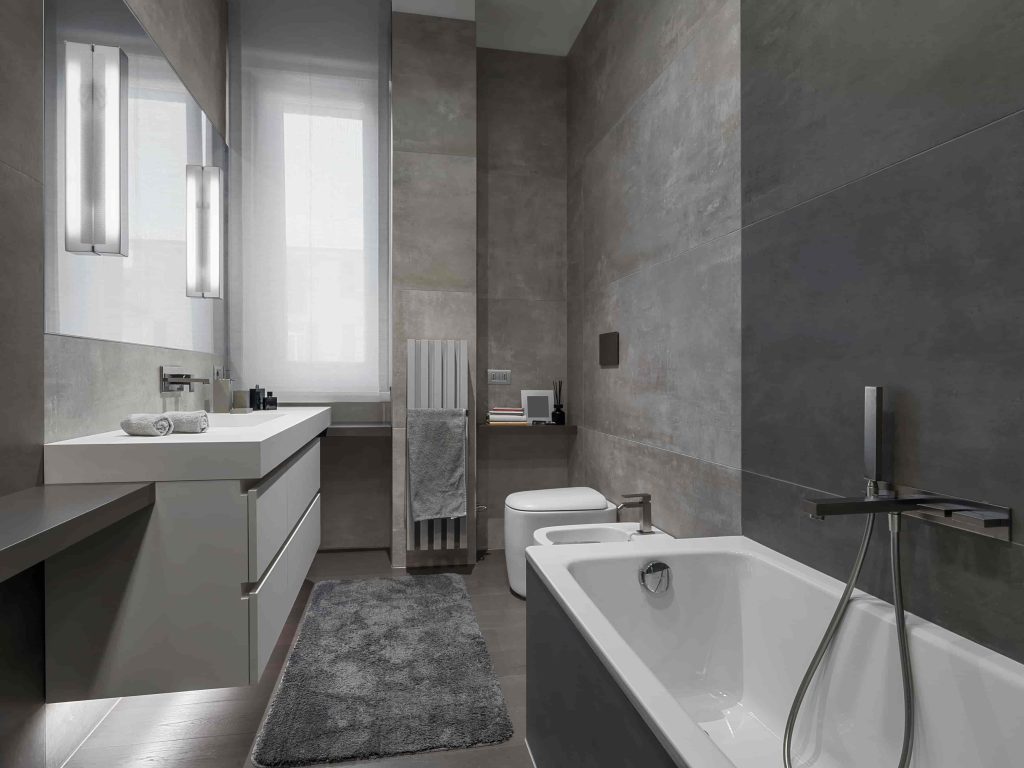
- Bathroom upgrades
- Basement finishing
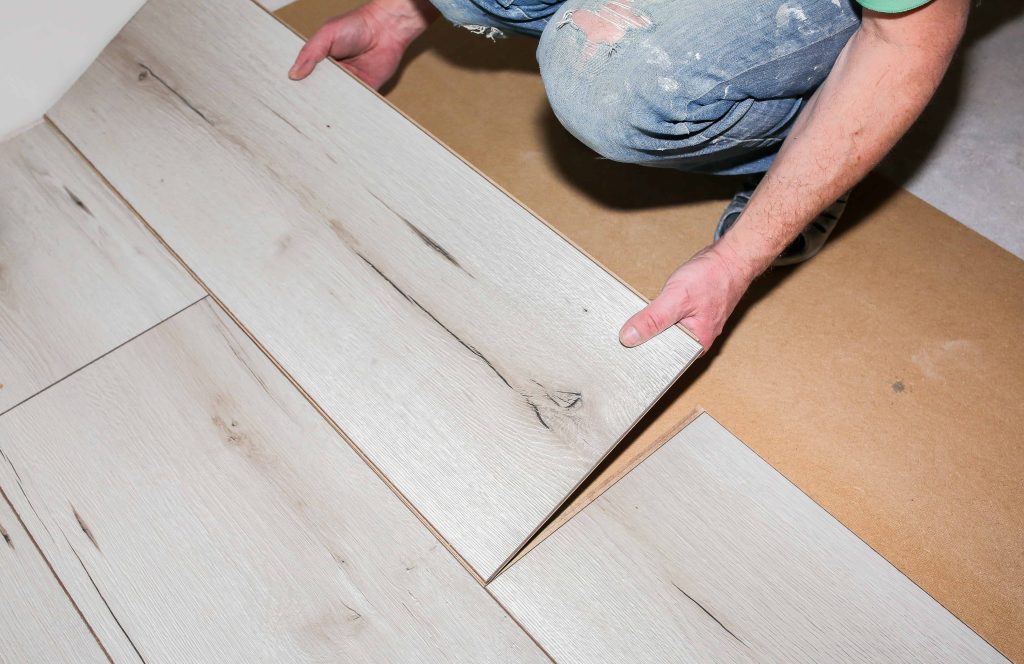
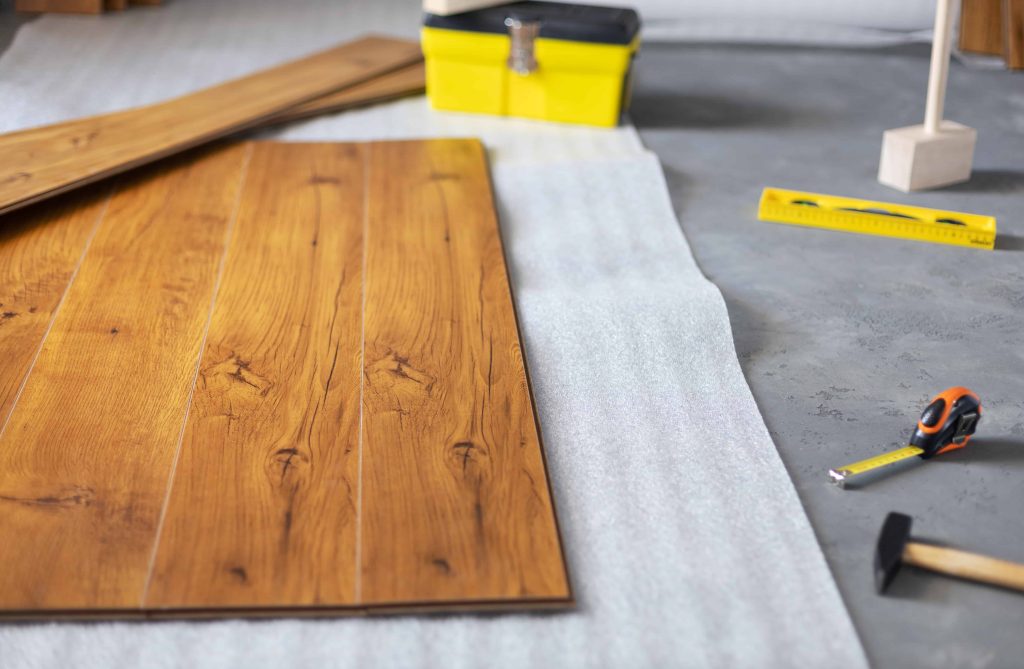
- Flooring replacement
- Electrical and plumbing updates
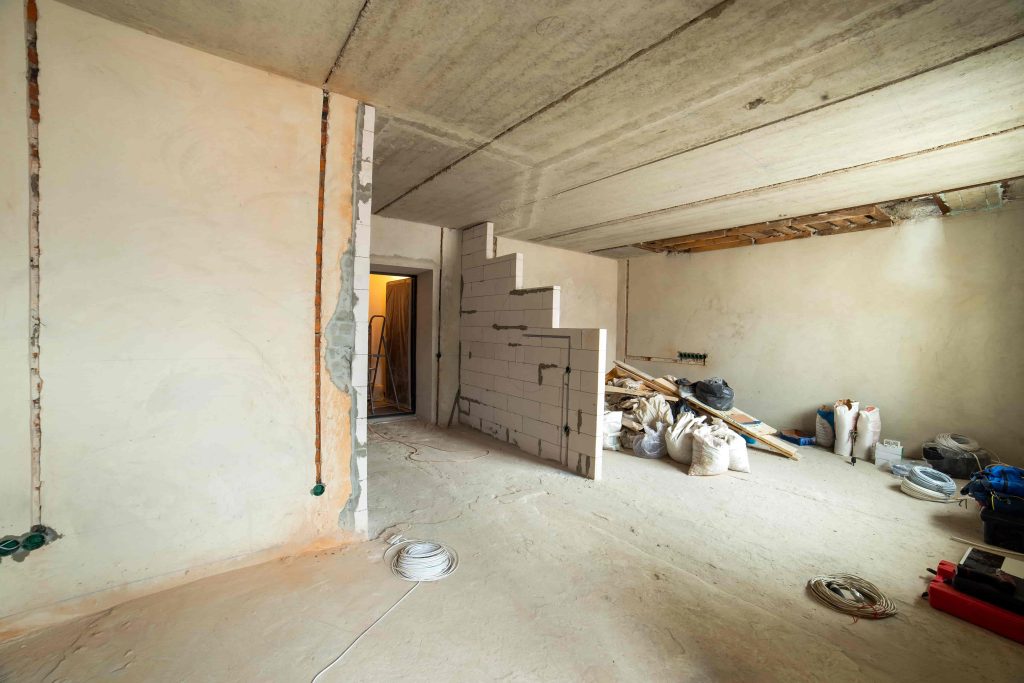
- Wall removal or layout changes
- Exterior improvements
Depending on your goals, it can range from a partial refresh to a complete reconstruction of the interior.
2. Set Clear Goals for Your Renovation
Before starting, define why you are renovating. Your goals will shape your design decisions and budget.
Ask yourself:
- Do I want to increase home value?
- Do I need more space or better layout flow?
- Am I modernizing an older property?
- Do I want energy efficiency improvements?
Clear goals help avoid unnecessary expenses and design changes later in the process.
3. Plan Your Budget Carefully
Budgeting is one of the most critical steps in a whole home renovation. Costs in Chicago can vary significantly based on home size, materials, and labor.
Typical ranges:
- Small home renovation: $50,000 – $100,000
- Mid-range renovation: $100,000 – $250,000
- High-end renovation: $250,000 – $500,000+
Always include a 10–20% contingency fund for unexpected issues like structural repairs or outdated wiring.
4. Hire the Right Professionals
A successful renovation depends heavily on the team you hire. For a full home renovation, you may need:
- General contractor
- Architect or interior designer
- Licensed plumber
- Electrician
- HVAC specialist
Make sure to:
- Check licenses and insurance
- Review past projects
- Get multiple quotes
- Read client reviews
An experienced team familiar with Chicago building codes is especially important.
5. Understand Chicago Building Codes and Permits
Chicago has strict building regulations, especially for structural changes and older homes.
You may need permits for:
- Electrical upgrades
- Plumbing modifications
- Wall removal or structural changes
- Basement finishing
- Exterior work
Failing to obtain proper permits can result in fines or delays. Always work with professionals who understand local regulations.
6. Create a Functional Design Plan
A good design improves both comfort and efficiency. Focus on creating a layout that suits your lifestyle.
Key design considerations:
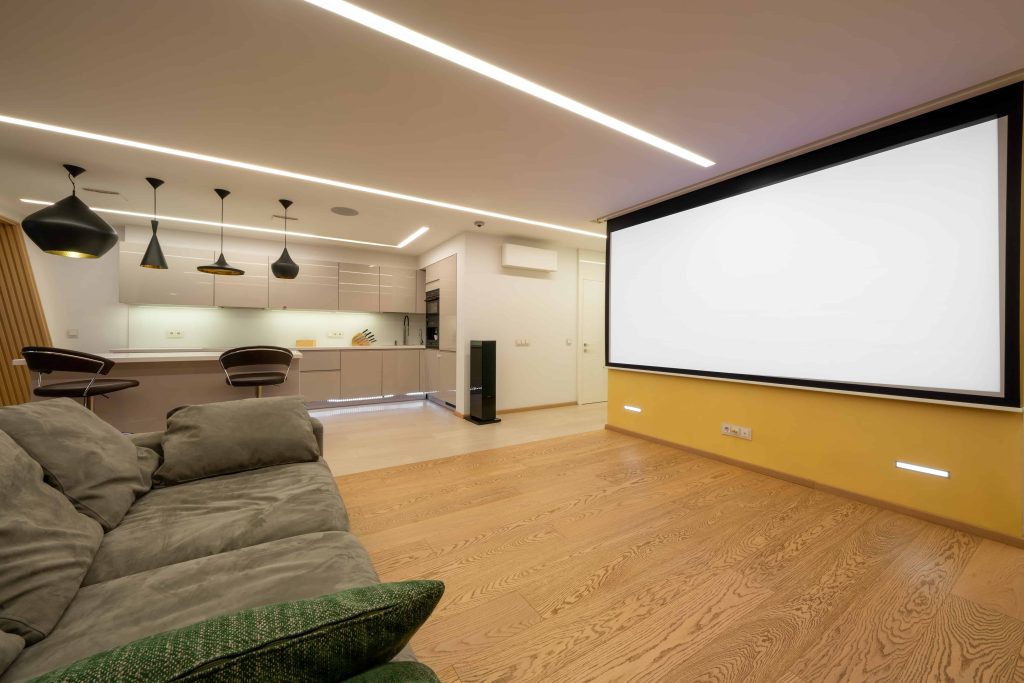
- Open vs. closed floor plans
- Natural light optimization
- Storage solutions
- Room flow and accessibility
- Future flexibility
Modern Chicago homes often favor open-concept layouts, but historic homes may require more careful structural planning.
7. Prioritize Structural and System Upgrades
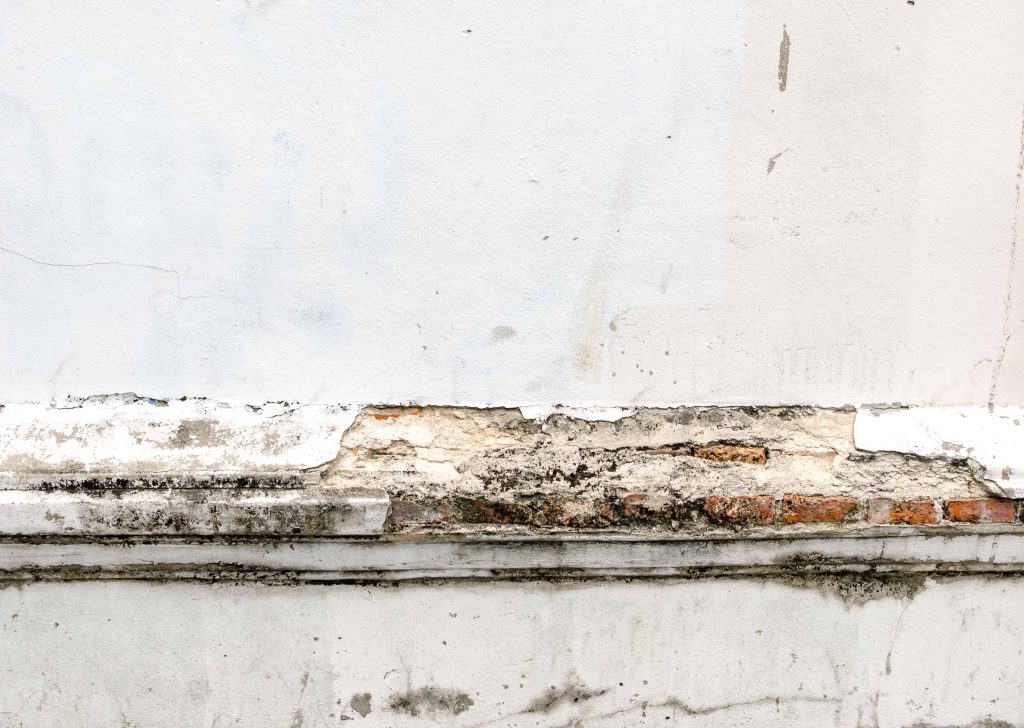
Before focusing on aesthetics, make sure your home’s core systems are in good condition.
Important upgrades:
- Electrical system modernization
- Plumbing replacement (if outdated)
- HVAC system efficiency
- Roof and insulation improvements
These upgrades improve safety, energy efficiency, and long-term durability.
8. Choose Quality Materials
Material selection has a major impact on both appearance and durability.
Popular choices include:
- Hardwood or engineered flooring
- Quartz countertops
- Ceramic or porcelain tiles
- Energy-efficient windows
- Durable cabinetry
In Chicago’s climate, materials should be chosen for durability and temperature resistance.
9. Plan the Renovation Timeline
A whole home renovation is a long process and requires careful scheduling.
Typical timeline:
- Planning & design: 2–6 weeks
- Permits & approvals: 2–8 weeks
- Demolition: 1–2 weeks
- Structural work: 2–6 weeks
- Electrical & plumbing: 2–4 weeks
- Finishing work: 4–8 weeks
Delays are common, so flexibility is important.
10. Prepare for Temporary Disruption
Living through a full renovation can be challenging. You may experience noise, dust, and limited access to certain areas.
To prepare:
- Set up temporary living arrangements if needed
- Protect furniture and belongings
- Create a safe zone in your home
- Plan for utility interruptions
Good preparation reduces stress during construction.
11. Focus on Energy Efficiency
Modern renovations in Chicago often include energy-saving upgrades.
Consider:
- Insulated windows
- LED lighting
- Smart thermostats
- High-efficiency HVAC systems
- Improved insulation
These upgrades reduce long-term utility costs and improve comfort year-round.
Final Thoughts
A whole home renovation in Chicago is a major investment, but it can completely transform your living experience and significantly increase property value. The key to success is careful planning, realistic budgeting, and working with experienced professionals who understand local requirements.
From structural upgrades to modern design choices, every decision should support your long-term goals. With the right approach, your renovation can turn an outdated home into a beautiful, functional, and energy-efficient space built for the future.