

 English



































































How to Budget for a Full House Remodel Effectively
-
Admin_Renovators / 5 months
- April 10, 2026
- 0
- 4 min read


A full house remodel is one of the biggest investments a homeowner can make. Whether you’re upgrading an older property, improving functionality, or increasing resale value, a well-planned budget is essential. Without proper budgeting, renovation costs can quickly spiral out of control and create unnecessary stress.
In this guide, we’ll break down how to budget effectively for a full house remodel so you can stay in control of your finances and complete your project successfully.
1. Understand the Scope of Your Remodel
Before you set a budget, you need to clearly define the scope of work. A full house remodel can include:
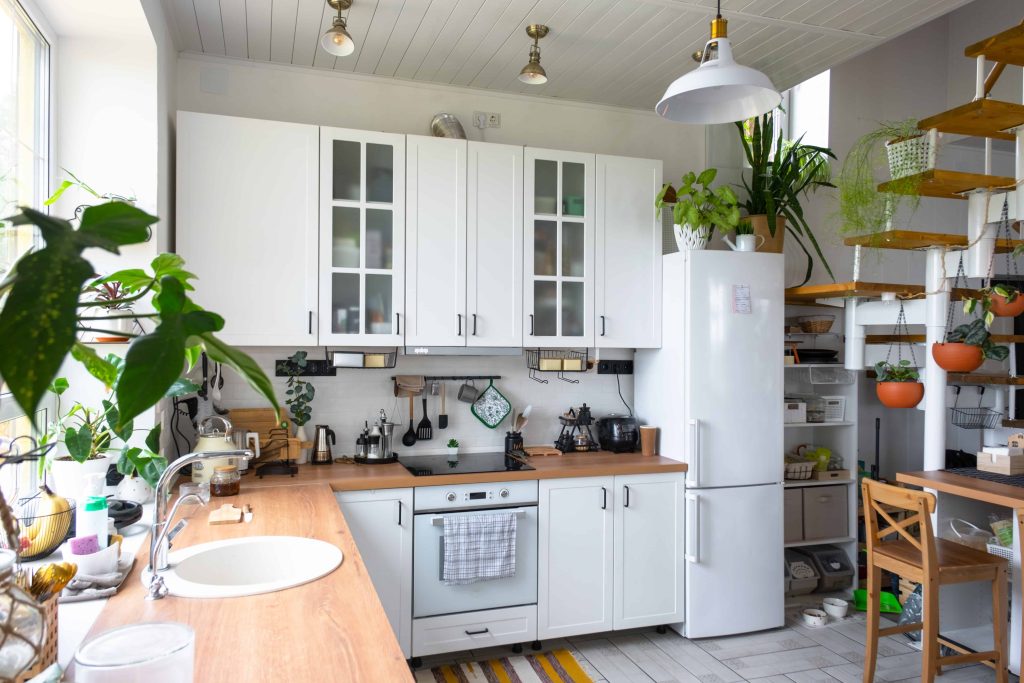
- Kitchen renovation
- Bathroom upgrades
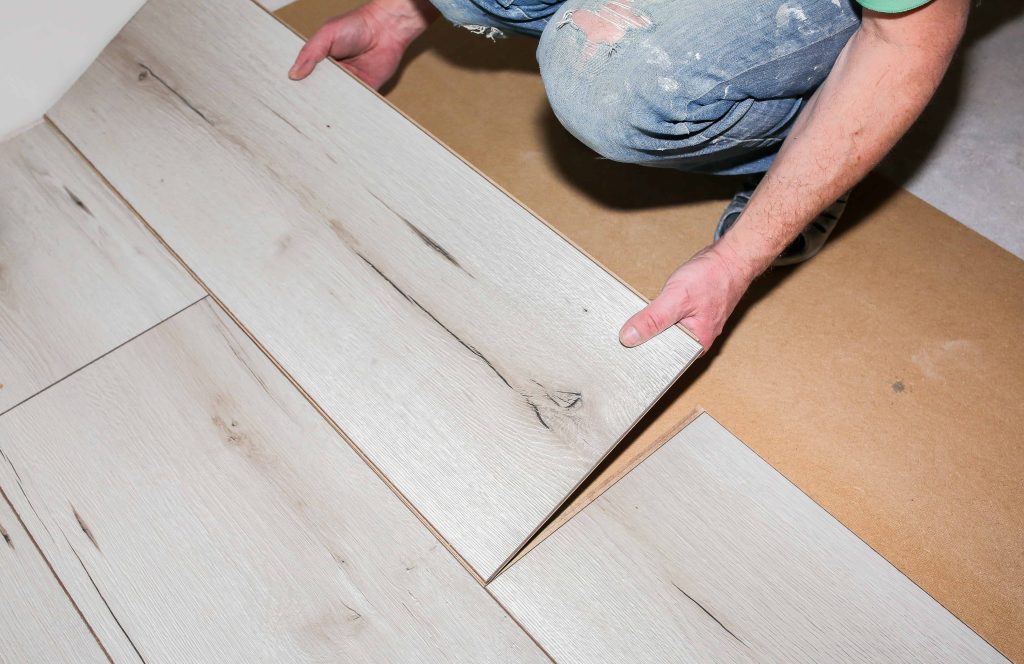
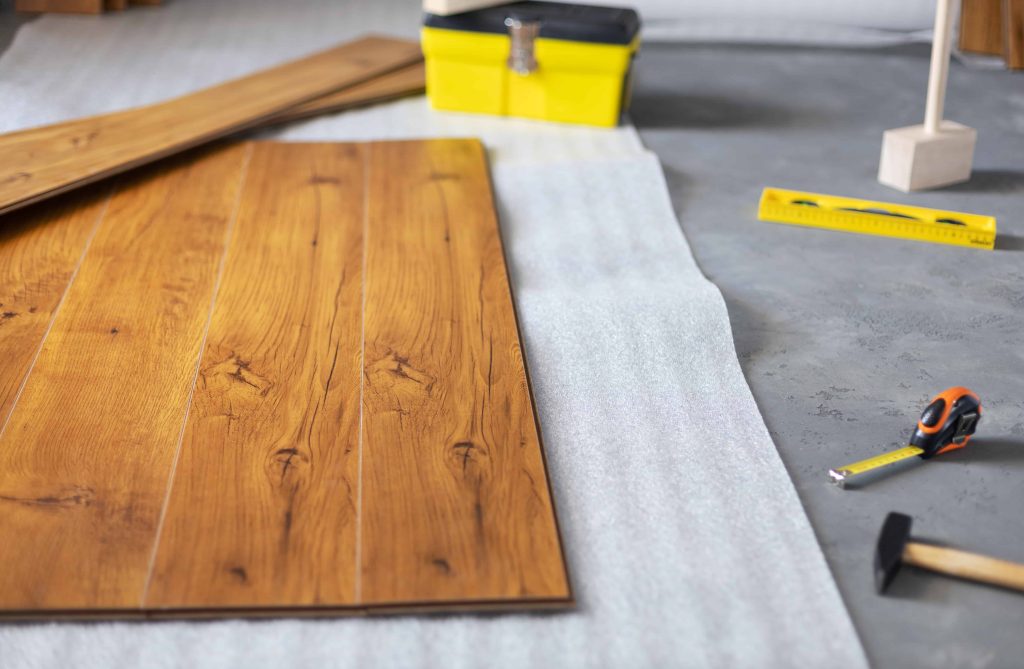
- Flooring replacement
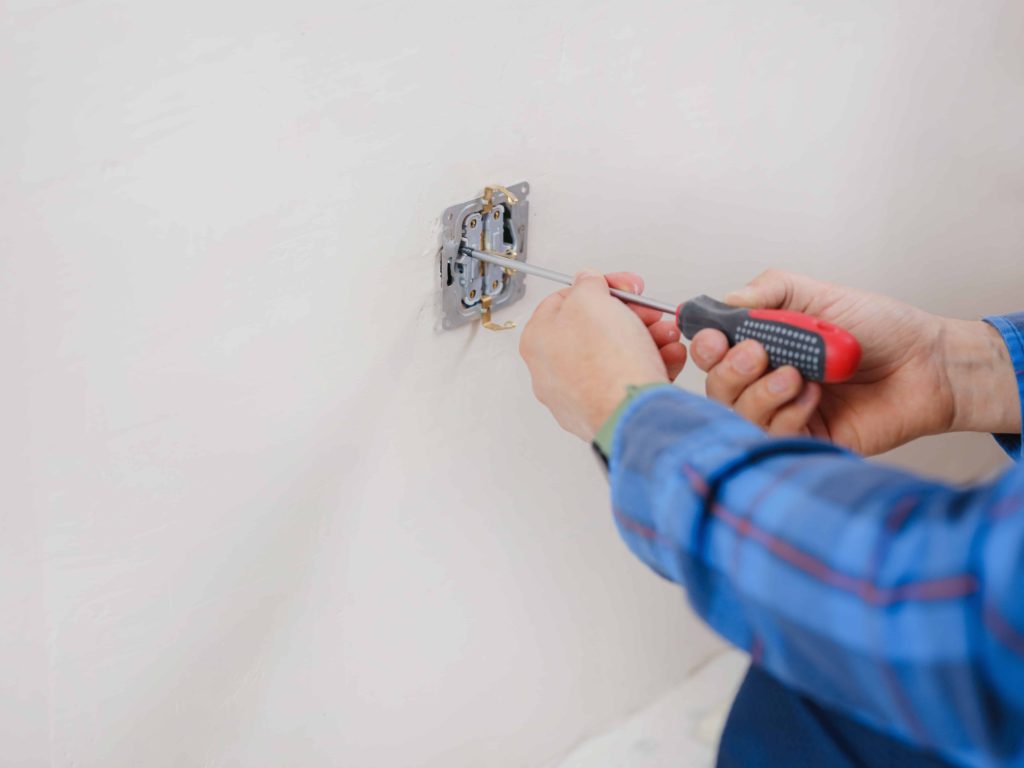
- Electrical rewiring
- Plumbing updates
- Basement finishing
- Wall removal or structural changes
- Exterior improvements
The more detailed your scope, the more accurate your budget will be. A vague plan often leads to unexpected expenses later.
2. Get a Realistic Cost Estimate
In most cities, a full house remodel can vary widely depending on size, materials, and labor. On average, costs can range from:
- Small homes: $50,000 – $120,000
- Mid-sized homes: $120,000 – $300,000
- Large or luxury homes: $300,000 – $600,000+
To get a clearer picture, request estimates from multiple contractors. Always compare:
- Labor costs
- Material costs
- Timeline expectations
- Included services
This helps you avoid underestimating your budget.
3. Break Your Budget Into Categories
Instead of treating your budget as one large number, divide it into sections. This makes it easier to track spending and avoid overspending in one area.
Typical breakdown:
- Kitchen: 20%–25%
- Bathrooms: 15%–20%
- Flooring: 10%–15%
- Electrical & plumbing: 15%–20%
- Structural changes: 10%–15%
- Miscellaneous & finishes: 10%–15%
This structured approach ensures balanced spending across the entire home.
4. Prioritize Needs Over Wants
One of the most important budgeting strategies is learning to separate essential upgrades from luxury features.
Needs include:
- Plumbing repairs
- Electrical safety upgrades
- Structural fixes
- Roof or insulation improvements
Wants include:
- High-end countertops
- Custom cabinetry
- Luxury lighting fixtures
- Decorative upgrades
Always prioritize safety and functionality first before spending on aesthetics.
5. Set Aside a Contingency Fund
Unexpected costs are extremely common in full home remodels. Hidden issues such as mold, outdated wiring, or plumbing problems often appear once construction begins.
Experts recommend setting aside:
- 10%–20% of your total budget as a contingency fund
For example, if your budget is $200,000, you should reserve at least $20,000–$40,000 for surprises. This prevents financial stress during the project.
6. Choose Materials Wisely
Material selection has a major impact on your total cost. You don’t always need premium materials to achieve a beautiful result.
Options to consider:
- Budget-friendly: laminate countertops, vinyl flooring
- Mid-range: quartz countertops, engineered wood
- High-end: marble, custom hardwood
A smart strategy is mixing materials—use premium finishes in key areas like kitchens and bathrooms, and more affordable options elsewhere.
7. Hire the Right Contractors
Labor often makes up a large portion of your renovation budget. Hiring the right team ensures efficiency and prevents costly mistakes.
When selecting contractors:
- Get at least 3–5 quotes
- Check licenses and insurance
- Review past work and references
- Confirm detailed written contracts
Avoid choosing the cheapest option without reviewing quality—it often leads to higher costs later.
8. Plan for Permits and Fees
Many homeowners forget to include permit costs in their budget. Depending on your location, permits may be required for:
- Structural changes
- Electrical work
- Plumbing modifications
- Basement finishing
- Major renovations
These fees can add up, so always include them in your planning stage.
9. Create a Payment Schedule
Instead of paying everything upfront, structure your payments in phases:
- Deposit (start of project)
- Progress payments (based on milestones)
- Final payment (after completion and inspection)
This protects your budget and ensures accountability from contractors.
10. Track Expenses Regularly
Once your remodel begins, tracking expenses is essential. Keep a detailed record of:
- Contractor invoices
- Material purchases
- Unexpected costs
- Change orders
Regular tracking helps you stay within budget and avoid financial surprises.
Final Thoughts
Budgeting for a full house remodel requires careful planning, realistic expectations, and disciplined decision-making. By clearly defining your scope, setting a detailed budget breakdown, and preparing for unexpected costs, you can avoid financial stress and keep your project on track.
A successful remodel is not just about design—it’s about smart financial planning. With the right budget strategy, you can transform your entire home into a beautiful, functional space without overspending.