
 English



























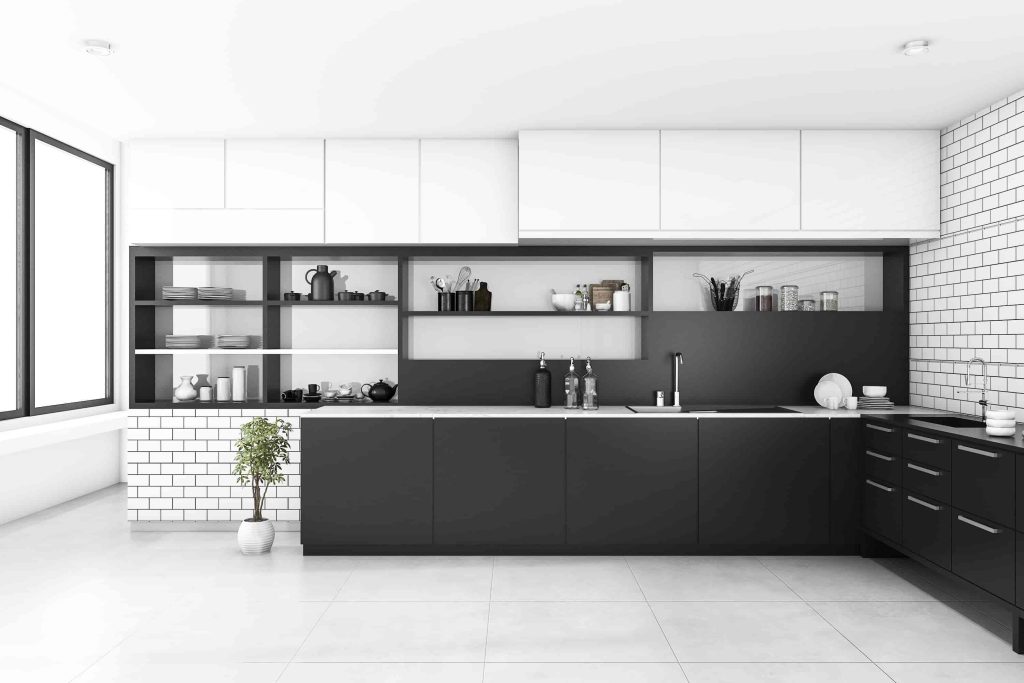
How to Choose the Right Kitchen Cabinets for Your Home
-
Admin_Renovators / 5 months
- April 10, 2026
- 0
- 5 min read

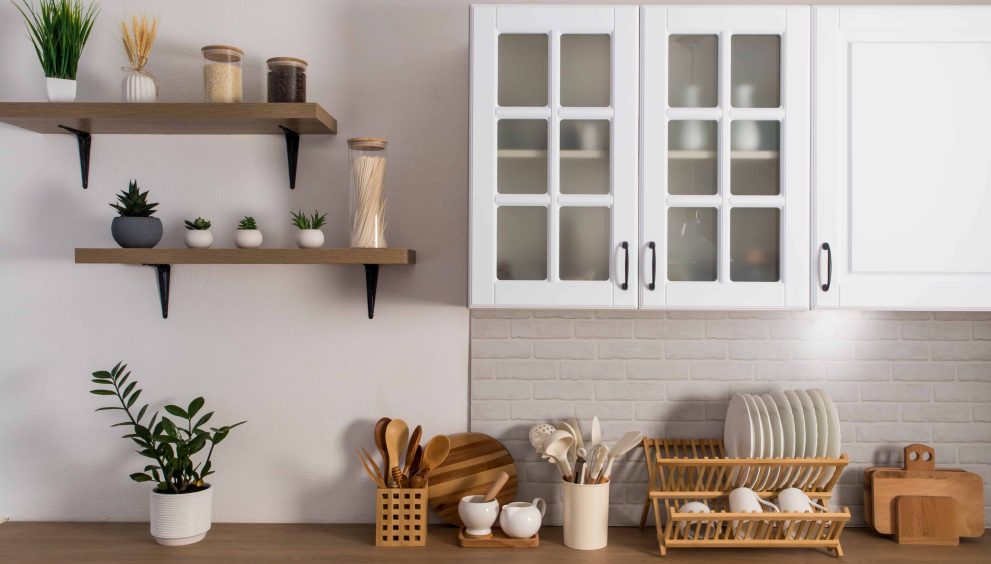
Kitchen cabinets are one of the most important elements of any kitchen design. They not only define the overall style of your space but also play a major role in functionality, storage, and long-term durability. Choosing the right kitchen cabinets can completely transform your kitchen into a more organized, stylish, and efficient space.
With so many materials, styles, and finishes available, it can feel overwhelming to make the right choice. In this guide, we’ll break down everything you need to know about selecting the perfect kitchen cabinets for your home.
1. Understand Your Kitchen Layout First
Before choosing cabinets, you need to understand your kitchen layout. The size and shape of your kitchen will influence the type and placement of cabinets.
Common kitchen layouts include:
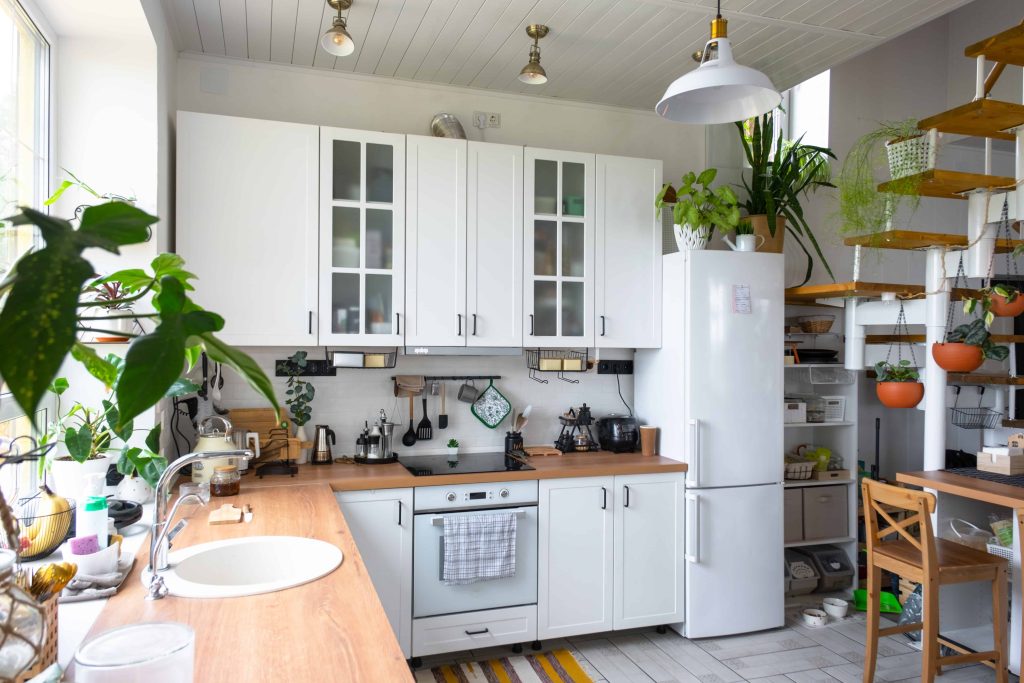
- L-shaped kitchens
- U-shaped kitchens
- Galley kitchens
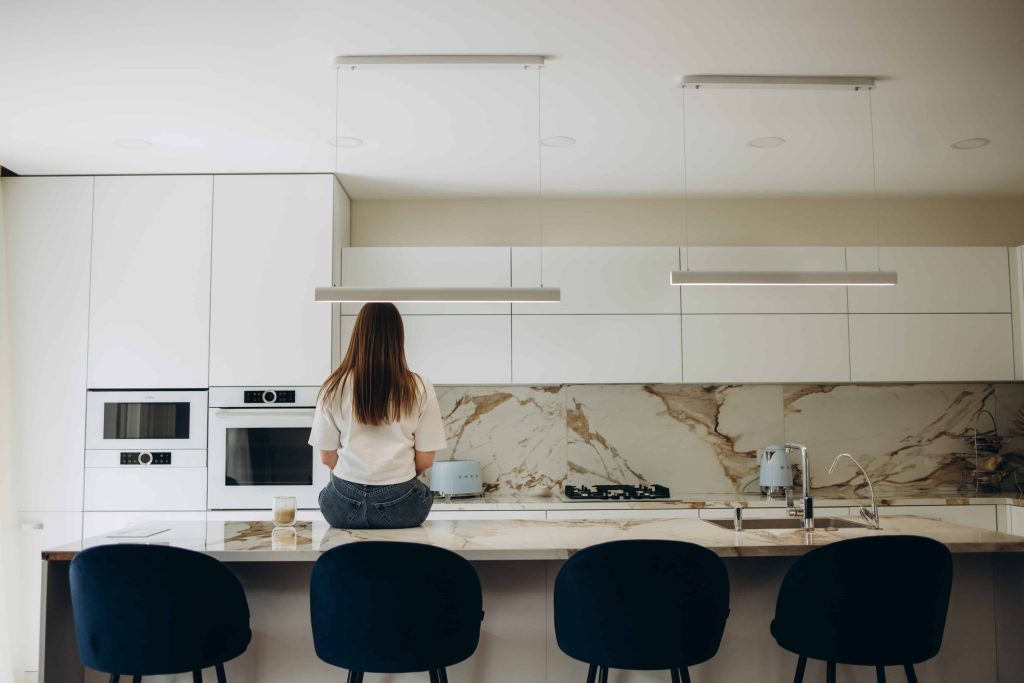
- Open-concept kitchens
Each layout requires different cabinet configurations. For example, small kitchens benefit from vertical storage, while larger kitchens allow for more custom cabinetry and islands.
2. Choose Between Stock, Semi-Custom, and Custom Cabinets
Kitchen cabinets generally fall into three categories:
Stock Cabinets
- Pre-made and ready to install
- Most affordable option
- Limited styles and sizes
Semi-Custom Cabinets
- More design flexibility
- Better material options
- Moderate price range
Custom Cabinets
- Fully personalized design
- Perfect fit for any kitchen layout
- Highest cost but best quality and flexibility
If you want a luxury or highly functional kitchen, custom cabinets are often the best choice. For budget-friendly projects, semi-custom options offer a great balance.
3. Select the Right Cabinet Material
The material of your cabinets determines durability, maintenance, and overall appearance.
Popular cabinet materials include:
- Solid wood: Strong, long-lasting, and classic look
- MDF (Medium Density Fiberboard): Smooth finish, cost-effective
- Plywood: Durable and resistant to moisture
- Laminate: Affordable and easy to clean
For long-term use, plywood and solid wood are excellent choices, especially in busy kitchens.
4. Pick a Style That Matches Your Home
Your kitchen cabinets should complement the overall design of your home. A consistent style creates a balanced and visually appealing space.
Popular cabinet styles:
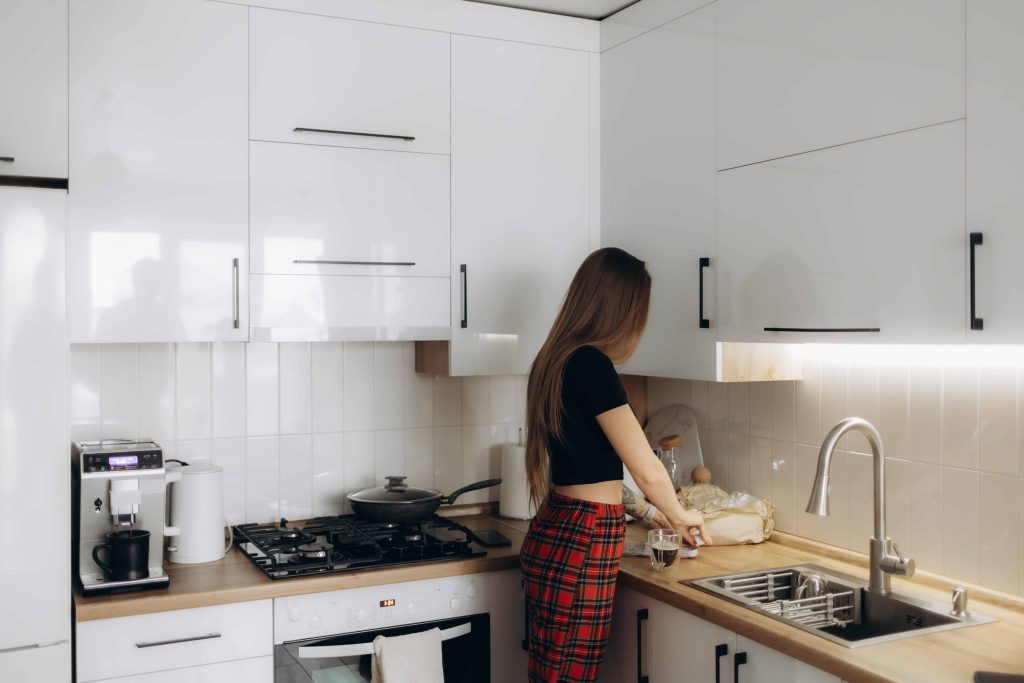
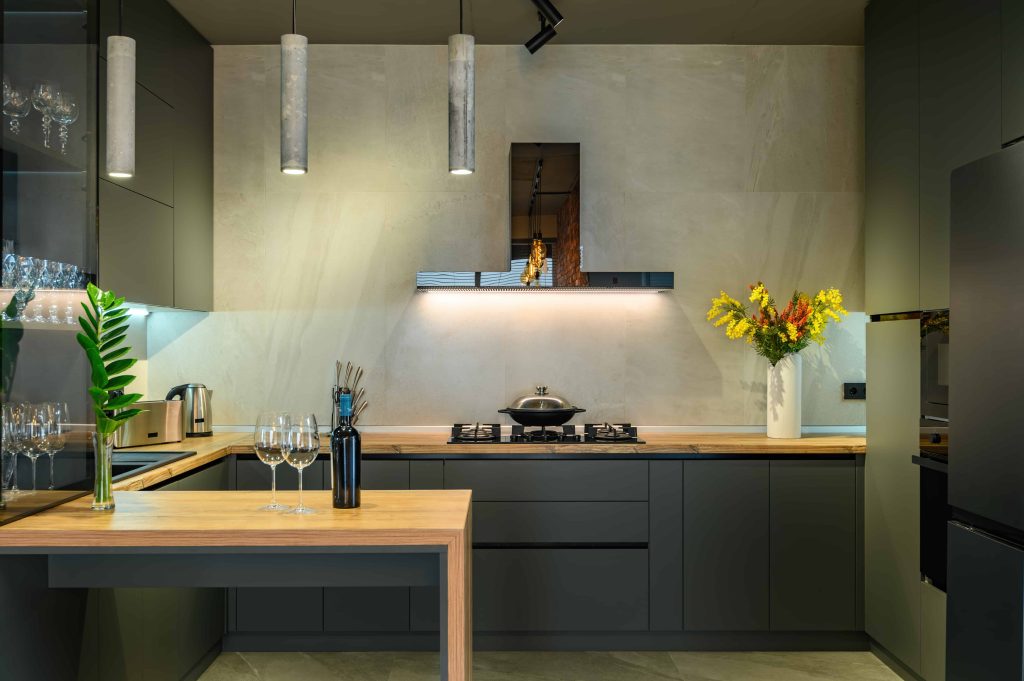
- Modern: Flat-panel, clean lines, minimal design
- Traditional: Detailed woodwork and classic finishes
- Transitional: A mix of modern and traditional styles
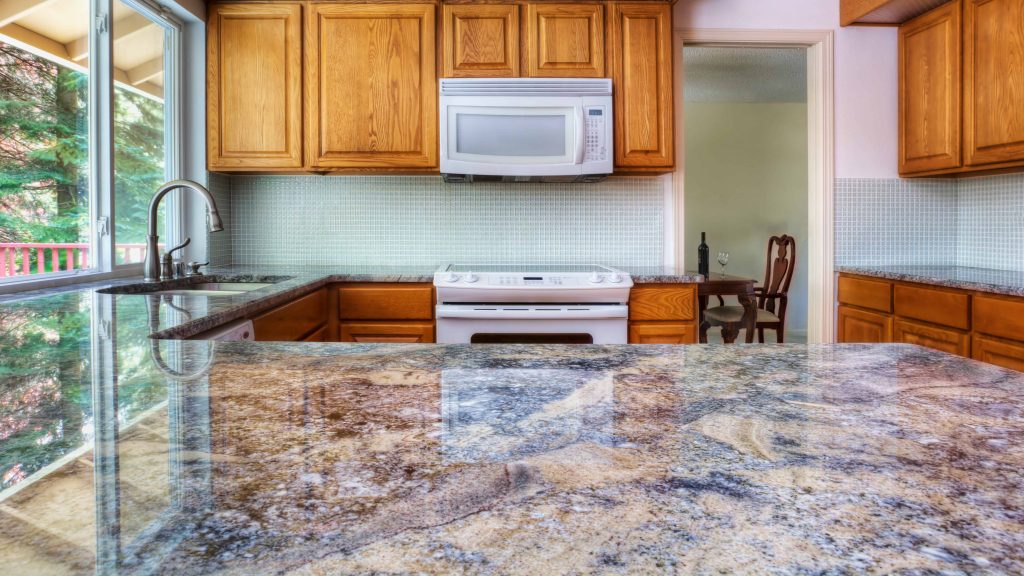
- Rustic: Natural wood textures and warm tones
Modern homes often prefer sleek, handleless cabinets, while traditional homes lean toward decorative details.
5. Focus on Color and Finish
Color plays a major role in defining the mood of your kitchen. The right finish can make your kitchen feel larger, brighter, or more luxurious.
Trending cabinet colors include:
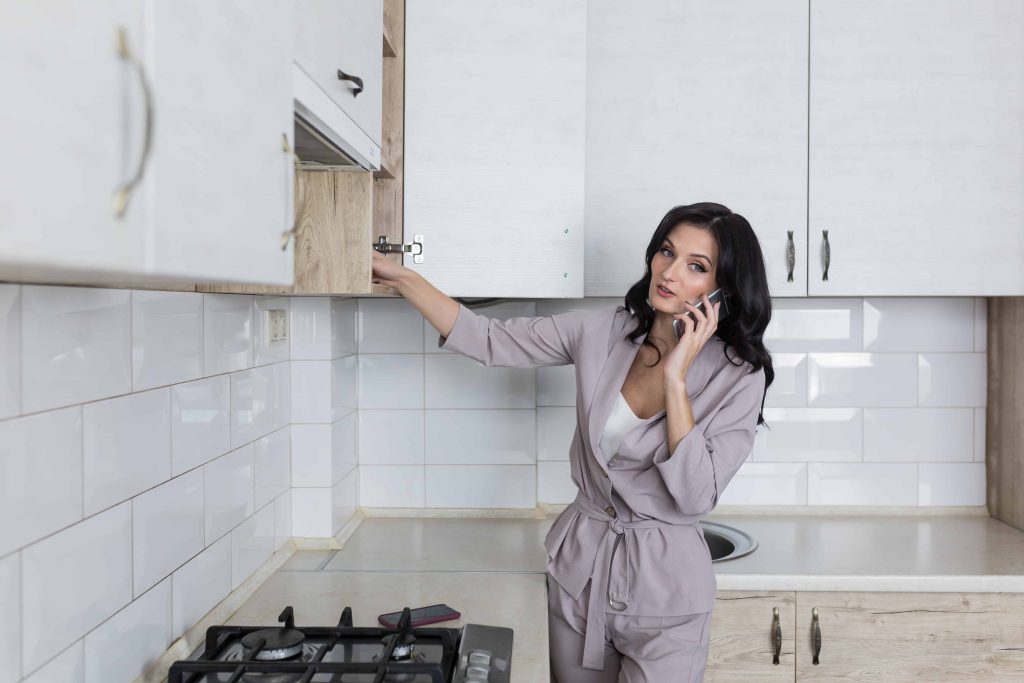
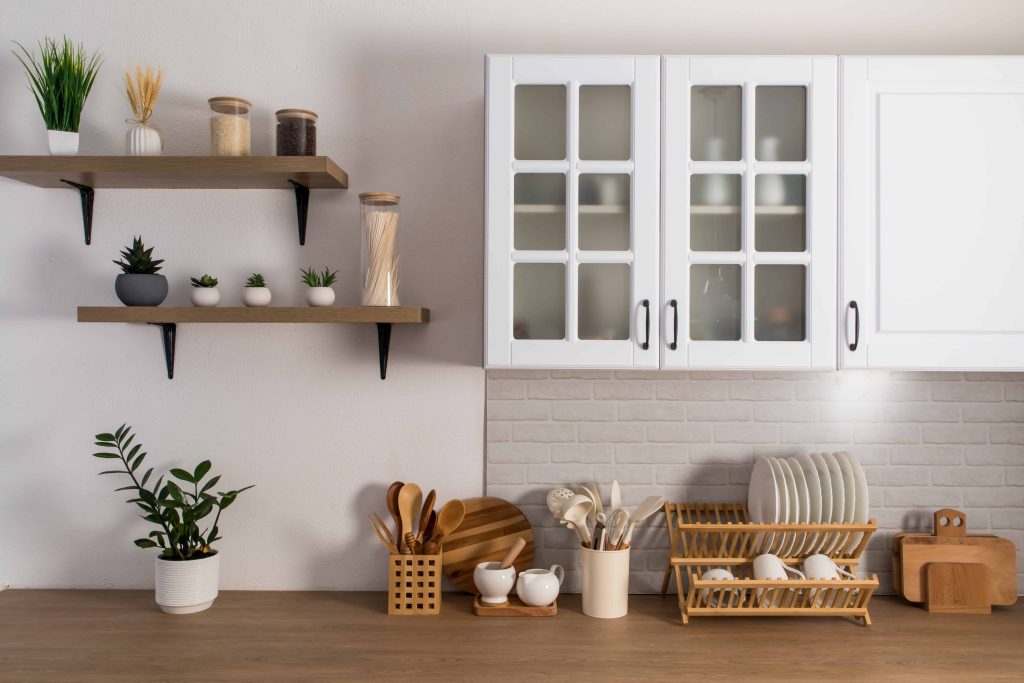
- White (clean and timeless)
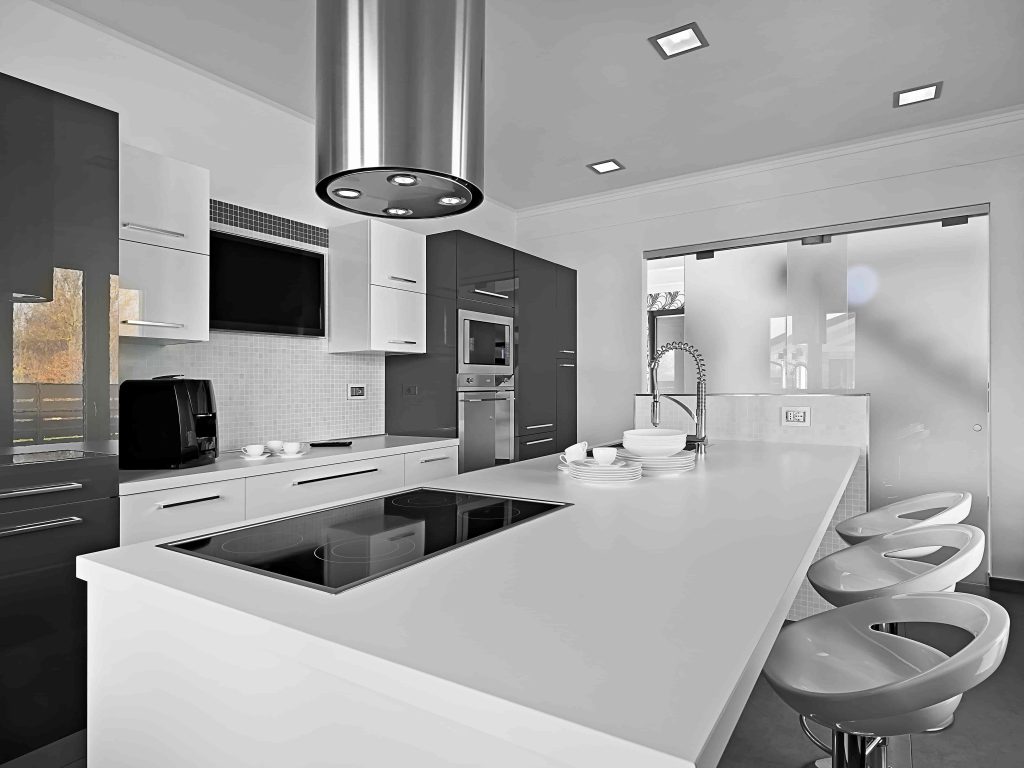
- Gray (modern and neutral)
- Navy blue (bold and elegant)
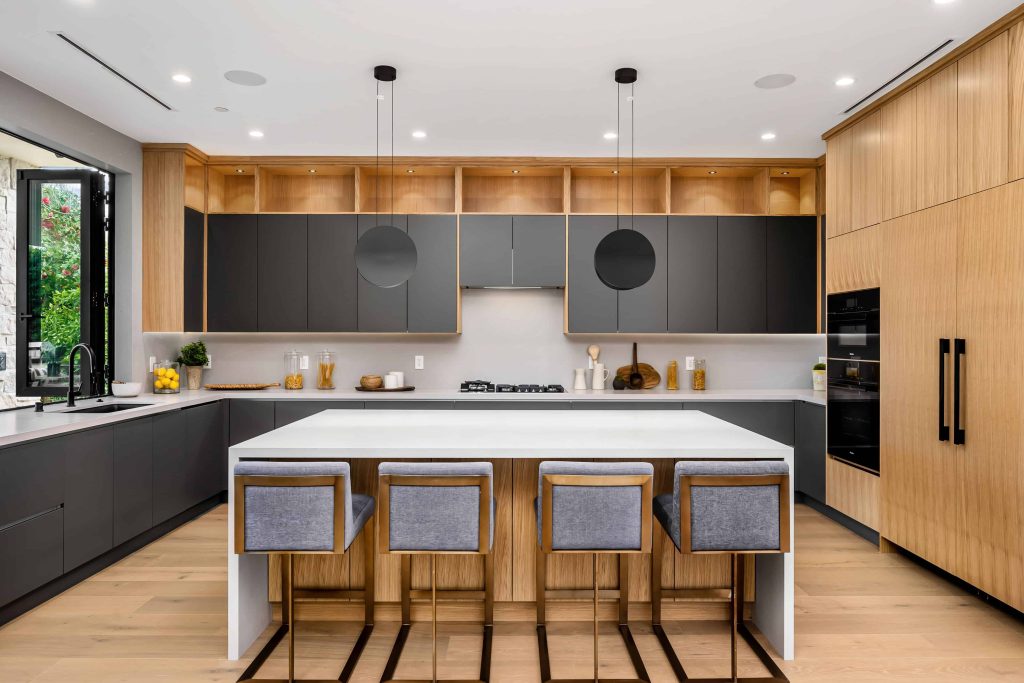
- Natural wood tones (warm and organic)
- Matte black (luxury and modern feel)
Finish options:
- Matte (soft and modern)
- Glossy (reflective and stylish)
- Satin (balanced and elegant)
Light colors are ideal for small kitchens, while darker tones work well in larger spaces.
6. Maximize Storage Efficiency
Cabinets should not only look good but also provide smart storage solutions.
Modern storage features include:
- Pull-out drawers
- Corner cabinet organizers
- Deep pot and pan drawers
- Built-in spice racks
- Vertical storage systems
Efficient storage helps keep your kitchen organized and clutter-free, improving both function and appearance.
7. Choose the Right Hardware
Cabinet hardware may seem like a small detail, but it significantly impacts both style and usability.
Popular hardware options:
- Stainless steel handles
- Matte black pulls
- Brass or gold finishes
- Handleless push-to-open systems
For a modern kitchen, minimal or hidden hardware is a popular choice. For traditional kitchens, decorative handles add character.
8. Consider Durability and Maintenance
Kitchen cabinets are exposed to heat, moisture, and daily use, so durability is essential.
Things to consider:
- Water-resistant materials
- Scratch-resistant finishes
- Easy-to-clean surfaces
- Strong hinges and drawer slides
High-quality cabinets may cost more upfront but save money in the long run due to lower maintenance and longer lifespan.
9. Match Cabinets with Countertops and Flooring
Cabinets should complement other kitchen elements to create a unified design.
Design tips:
- Light cabinets pair well with dark countertops
- Dark cabinets look great with light flooring
- Wood tones work well with neutral palettes
- Maintain consistency in style and color balance
A well-coordinated design enhances the overall look of your kitchen.
10. Set a Realistic Budget
Kitchen cabinets can take up a significant portion of your renovation budget. It’s important to plan carefully.
Budget breakdown:
- Stock cabinets: Low cost
- Semi-custom: Mid-range cost
- Custom cabinets: High-end cost
Always allocate extra budget for installation and hardware.
Final Thoughts
Choosing the right kitchen cabinets is a crucial step in creating a functional and beautiful kitchen. From materials and styles to storage and finishes, every detail matters in achieving the perfect balance of design and practicality.
By understanding your kitchen layout, selecting quality materials, and focusing on smart storage solutions, you can create cabinets that not only enhance your kitchen’s appearance but also improve everyday convenience.
A well-designed cabinet system transforms your kitchen into a space that is stylish, organized, and built to last for years to come.