

 English

























Quartz vs Granite Countertops: Which Is Better?
-
Admin_Renovators / 5 months
- April 10, 2026
- 0
- 5 min read

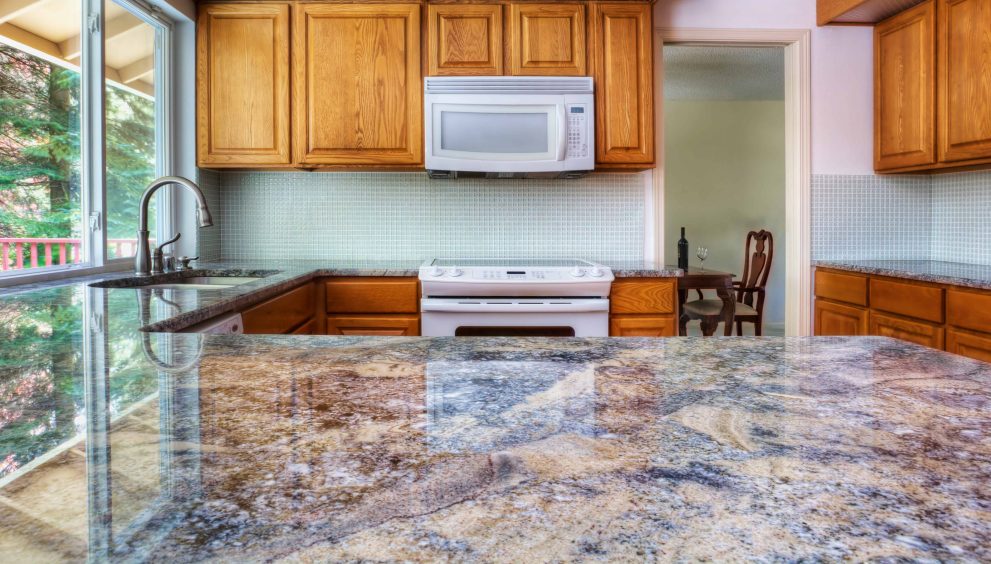
Choosing between quartz and granite countertops is one of the most important decisions in a kitchen renovation. Both materials are popular in modern homes, both are considered premium options, and both can dramatically enhance the look and value of your kitchen. However, they differ significantly in composition, maintenance, durability, appearance, and cost.
In this detailed guide, we’ll compare quartz vs granite countertops in depth to help you decide which one is better for your home, lifestyle, and budget.
1. What Are Quartz and Granite Countertops?
Before comparing them, it’s important to understand what each material actually is.
Quartz Countertops
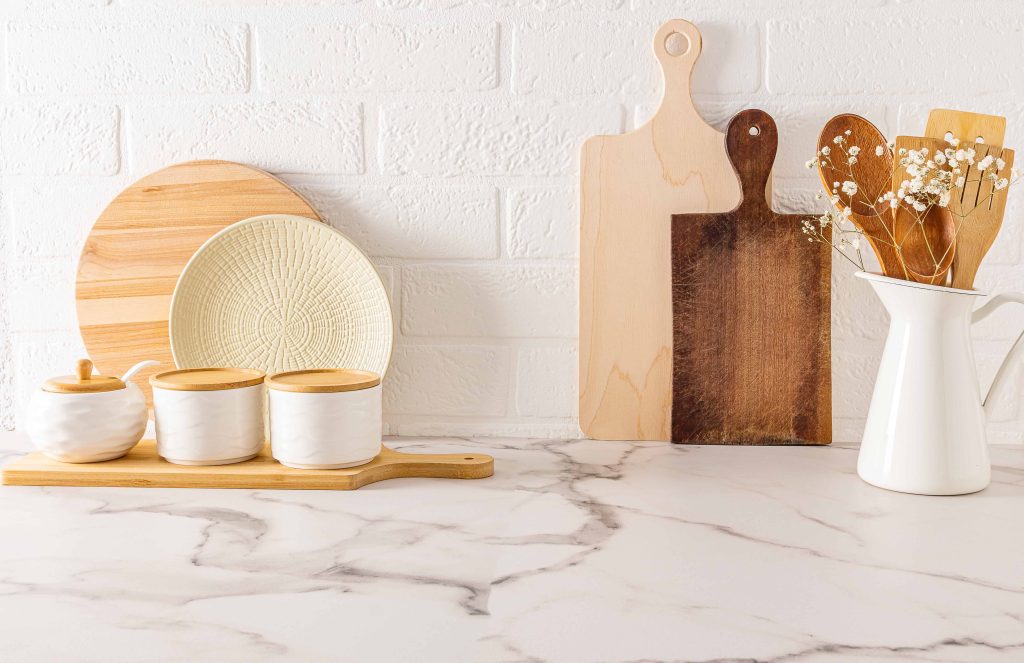
Quartz countertops are engineered stone surfaces made from approximately 90–95% crushed natural quartz mixed with resins and pigments. This combination creates a strong, non-porous surface that can be customized into many colors and patterns.
Because quartz is manufactured, it offers a very consistent and uniform appearance, making it ideal for modern and minimalist kitchens.
Granite Countertops
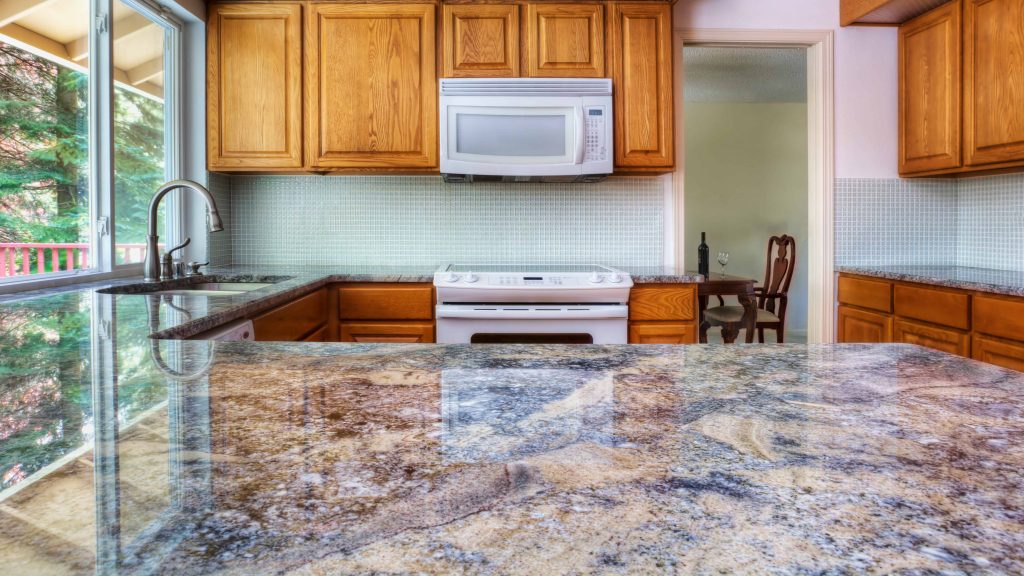
Granite is a 100% natural igneous stone that is mined from the earth and cut into slabs. Each piece is unique, with natural variations in color, veins, and patterns.
This makes granite a great choice for homeowners who want a more natural, organic, and one-of-a-kind look.
2. Appearance and Design Style
Quartz Appearance
Quartz offers:
- Clean, modern, and uniform look
- Wide range of colors (white, gray, black, marble-like patterns)
- Consistent patterns across slabs
Because of its engineered nature, quartz is often preferred in contemporary and luxury minimalist kitchens.
Granite Appearance
Granite offers:
- Natural and unique patterns
- Organic veining and mineral speckles
- No two slabs are exactly the same
Granite is ideal for traditional, rustic, or high-end natural stone kitchens.
Verdict:
- Quartz = modern, sleek, consistent
- Granite = natural, unique, textured
3. Durability Comparison
Both quartz and granite are extremely durable, but they perform differently under daily kitchen use.
Quartz Durability
Quartz is:
- Highly scratch-resistant
- Strong and long-lasting
- Resistant to cracks under normal use
However, quartz contains resin, which can be sensitive to extreme heat.
Granite Durability
Granite is:
- Very hard and heat-resistant
- Naturally strong and solid
- Resistant to damage from hot pans
But granite can be more prone to minor chipping at edges if heavily impacted.
Verdict:
- Quartz = better scratch and stain resistance
- Granite = better heat resistance
4. Maintenance and Cleaning
Quartz Maintenance
Quartz is one of the easiest countertop materials to maintain:
- No sealing required
- Easy cleaning with soap and water
- Highly resistant to bacteria and stains
Because it is non-porous, liquids do not easily penetrate the surface.
Granite Maintenance
Granite requires more care:
- Needs sealing upon installation
- Requires resealing periodically
- Can absorb liquids if not sealed properly
While modern sealers improve performance, granite still requires more upkeep than quartz.
Verdict:
- Quartz = low maintenance winner
- Granite = requires regular care
5. Stain and Water Resistance
Quartz
Quartz is non-porous, meaning:
- It resists stains from coffee, wine, oil
- It does not absorb moisture
- It prevents bacterial growth
Granite
Granite is slightly porous:
- Can stain if not sealed
- May absorb liquids over time
- Needs immediate spill cleanup
Verdict:
Quartz clearly wins in stain resistance.
6. Heat Resistance
Quartz
Quartz has resin content, which makes it:
- Less heat resistant
- Vulnerable to discoloration under hot pans
Granite
Granite performs better under heat:
- Can handle hot cookware directly
- Naturally heat resistant stone
Verdict:
Granite is the winner for heat resistance.
7. Cost Comparison
Pricing depends on quality, color, thickness, and installation, but general trends are:
- Quartz: typically $50–$150 per square foot installed
- Granite: ranges from $40–$200 per square foot installed
Granite can sometimes be cheaper, but premium exotic slabs can be very expensive.
Verdict:
- Budget-friendly options exist in both
- Granite has wider price variation
- Quartz is more predictable in pricing
8. Lifespan and Long-Term Value
Both materials can last decades if properly maintained.
Quartz:
- Long-lasting with minimal maintenance
- Retains consistent appearance over time
Granite:
- Extremely durable natural stone
- Can last a lifetime with proper sealing
Verdict:
Tie—both offer excellent long-term value.
9. Environmental Considerations
- Quartz is engineered and requires resins and manufacturing
- Granite is naturally mined but requires quarrying and transport
Both have environmental impacts, so this depends on sourcing and production methods.
10. Pros and Cons Summary
Quartz Pros:
- Low maintenance
- Highly stain-resistant
- Modern and uniform design
- Easy to clean
Quartz Cons:
- Less heat resistant
- Can fade in strong sunlight
- Manufactured appearance
Granite Pros:
- Natural and unique beauty
- Excellent heat resistance
- Very durable
- Timeless appeal
Granite Cons:
- Requires sealing
- Can stain if not maintained
- More variation in slabs
Final Verdict: Which Is Better?
There is no absolute winner—only the right choice for your lifestyle.
Choose Quartz if you want:
- Low maintenance
- Modern kitchen design
- Easy cleaning and stain resistance
Choose Granite if you want:
- Natural stone beauty
- Heat resistance for heavy cooking
- Unique, one-of-a-kind appearance
Final Thoughts
Quartz and granite are both excellent countertop choices that can elevate your kitchen design and increase home value. The decision ultimately depends on your cooking habits, design preferences, and willingness to maintain the surface.
If you prioritize convenience and a modern look, quartz is ideal. If you prefer natural beauty and heat resistance, granite is the better option.
Either way, both materials can transform your kitchen into a stylish, functional, and long-lasting space.