A bathroom renovation is not just about improving aesthetics—it is also the perfect opportunity to upgrade your plumbing system. Behind every beautiful bathroom is a reliable plumbing setup that ensures proper water flow, drainage, and long-term durability. If plumbing is ignored during renovation, it can lead to leaks, water damage, and costly repairs later. Here are the essential plumbing upgrades you should consider when renovating your bathroom.
1. Upgrade Old Pipes
One of the most important plumbing upgrades is replacing outdated pipes. Older homes often have galvanized steel or iron pipes, which corrode over time and reduce water quality and pressure.
Upgrading to modern materials such as PEX or copper pipes improves:
- Water flow efficiency
- Resistance to corrosion
- Long-term durability
- Overall water quality
If your bathroom renovation is part of a larger home upgrade, this is the best time to replace the entire piping system, as walls and floors are already exposed.
2. Install Modern Shut-Off Valves
Many older bathrooms lack accessible or functional shut-off valves. This can be a major issue during emergencies like leaks or burst pipes.
Installing modern shut-off valves allows you to:
- Quickly stop water supply in emergencies
- Perform maintenance without shutting off the entire house water system
- Improve control over individual fixtures
Quarter-turn ball valves are highly recommended for their durability and ease of use.
3. Upgrade the Shower System
The shower is one of the most used fixtures in any bathroom, so upgrading its plumbing system can significantly improve daily comfort.
Consider installing:
- Pressure-balanced shower valves (to avoid sudden temperature changes)
- Thermostatic mixers for precise temperature control
- High-efficiency showerheads for water savings
- Multi-function systems with handheld sprays or rainfall features
These upgrades not only improve comfort but also increase energy and water efficiency.
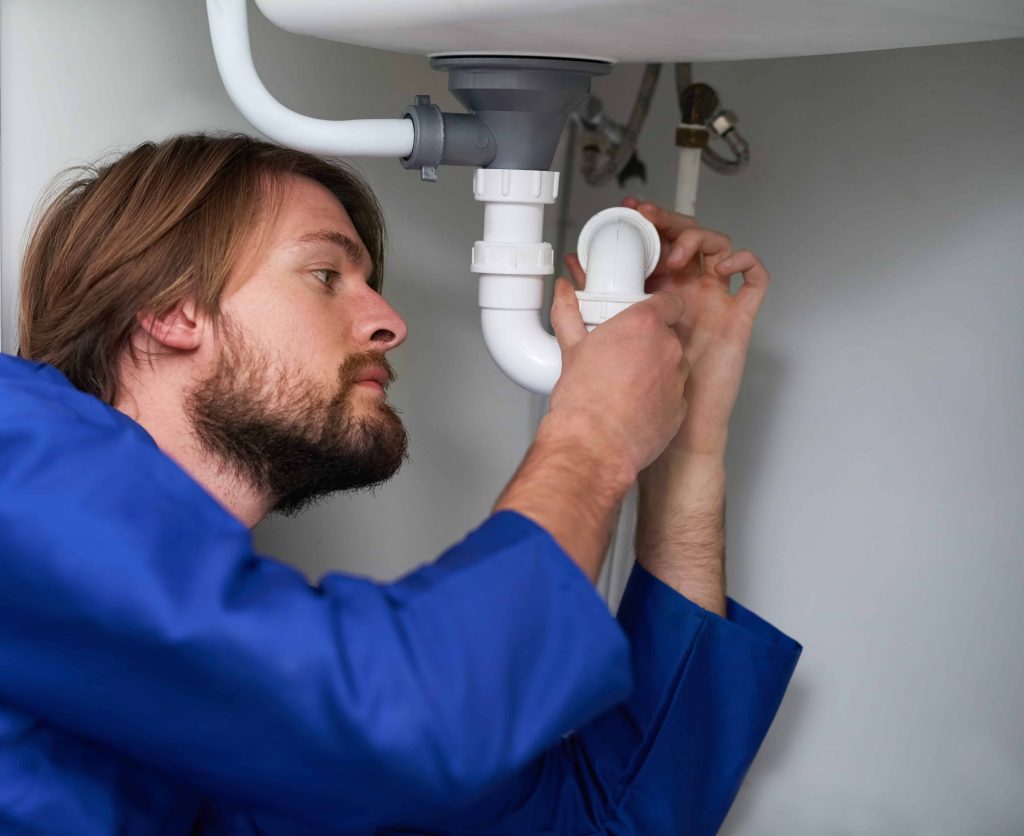
4. Improve Drainage Systems
Poor drainage can lead to standing water, unpleasant odors, and even structural damage. During renovation, it’s crucial to inspect and upgrade your drainage system.
Key improvements include:
- Installing larger or modern drain pipes for faster water flow
- Adding hair traps or strainers to prevent clogs
- Ensuring proper slope in shower floors for efficient drainage
- Replacing old or cracked drain lines
A properly designed drainage system helps maintain cleanliness and prevents long-term moisture issues.
5. Install Water-Efficient Fixtures
Modern plumbing upgrades focus heavily on water conservation. Installing water-efficient fixtures helps reduce utility bills and supports environmental sustainability.
Popular options include:
- Low-flow toilets that use less water per flush
- Water-saving faucets with aerators
- Eco-friendly showerheads that maintain pressure while reducing water usage
These fixtures are designed to conserve water without compromising performance, making them ideal for modern bathrooms.
6. Upgrade Bathroom Ventilation Plumbing
Although ventilation is often associated with electrical systems, plumbing plays a key role in preventing moisture buildup. Excess humidity can lead to mold growth and pipe damage.
Ensure your bathroom has:
- Properly installed exhaust systems
- Moisture-resistant plumbing insulation
- Well-sealed pipe penetrations to prevent vapor leaks
Good ventilation protects both your plumbing system and the overall bathroom structure.
7. Replace Old Fixtures and Connections
Old faucets, taps, and connectors often become loose or corroded over time, leading to leaks and inefficiency. During renovation, replacing these fixtures ensures reliability and modern performance.
Upgrade to:
- Stainless steel or brass fittings
- Leak-proof connectors
- High-quality faucet cartridges
- Durable hose and pipe connections
These improvements reduce maintenance needs and enhance the overall appearance of your bathroom.
8. Install a Water Pressure Regulator
In many homes, inconsistent water pressure can cause discomfort and damage plumbing fixtures. A water pressure regulator helps maintain steady pressure throughout the system.
Benefits include:
- Protection against pipe bursts
- Extended lifespan of fixtures
- Improved shower and faucet performance
This small upgrade can make a big difference in system stability.
9. Add Smart Plumbing Features
Modern bathrooms are increasingly adopting smart plumbing technology. These systems improve convenience and efficiency.
Examples include:
- Sensor-activated faucets
- Digital shower controls
- Leak detection systems
- Smart water monitoring devices
These features not only enhance luxury but also help detect issues early and prevent water waste.
Conclusion
Plumbing upgrades are a critical part of any bathroom renovation. While tiles, lighting, and fixtures improve visual appeal, a strong plumbing system ensures functionality, safety, and long-term reliability. From upgrading old pipes and improving drainage to installing modern fixtures and smart systems, each improvement contributes to a more efficient and comfortable bathroom.
Investing in quality plumbing during renovation saves money in the long run, reduces maintenance issues, and enhances your daily experience. A well-planned plumbing upgrade turns an ordinary bathroom into a durable, efficient, and modern space designed for everyday living.
 English