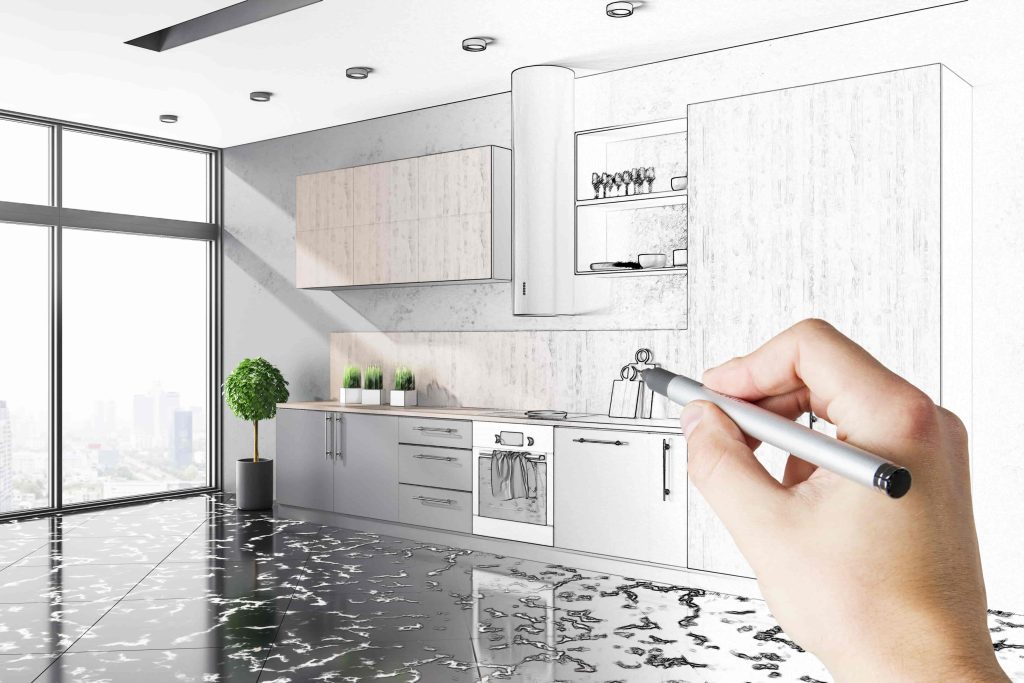
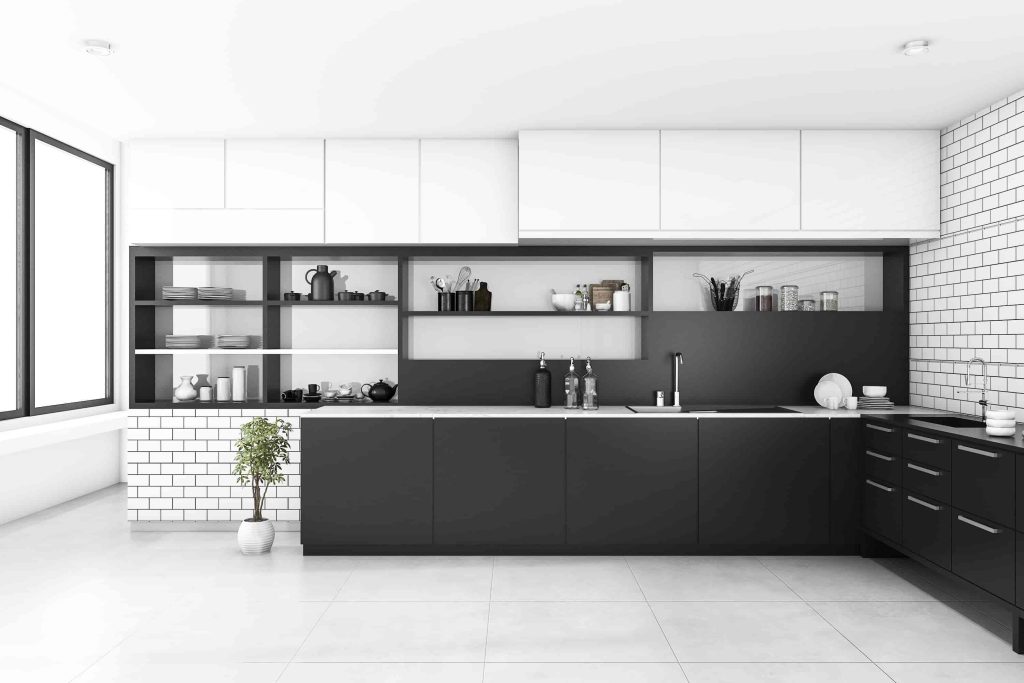
A bathroom renovation can significantly improve the comfort, functionality, and value of your home—but it can also become expensive if not planned carefully. The good news is that with the right strategies, you can achieve a modern, stylish bathroom without overspending. The key is making smart decisions at every stage, from planning to material selection and installation.
Here are practical cost-saving tips to help you manage your bathroom renovation project efficiently while staying within budget.
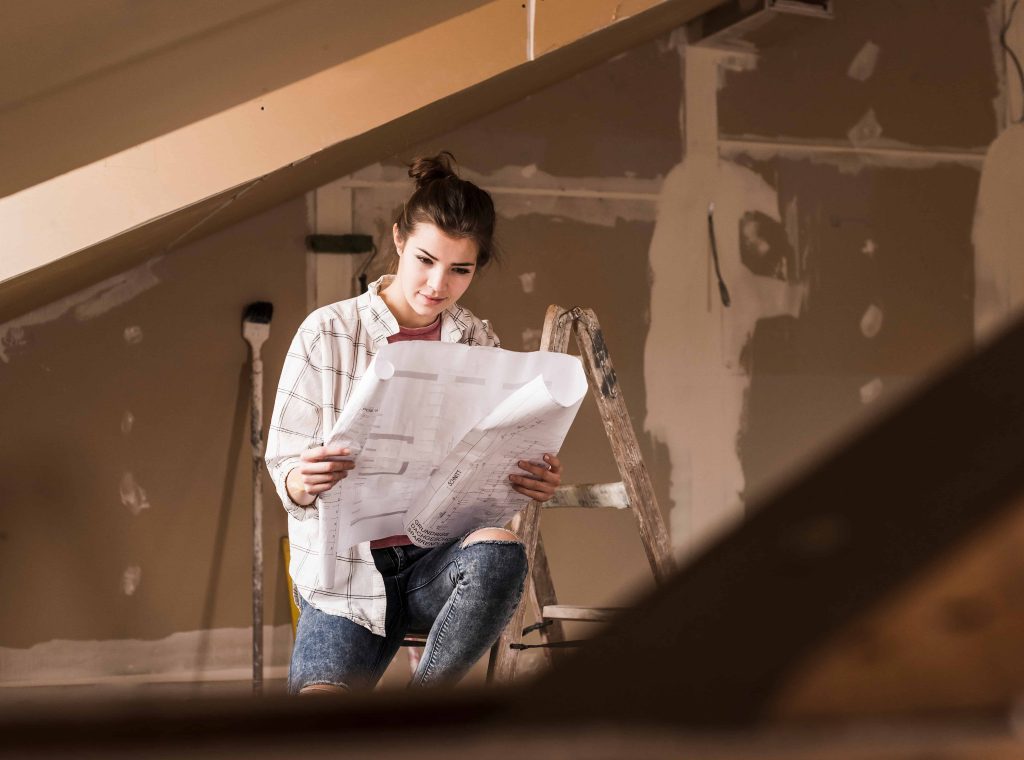
1. Plan Everything Before You Start
Proper planning is the foundation of a cost-effective renovation. Many people overspend because they make changes during the project, which increases labor and material costs.
Before starting, decide:
- Your total budget
- Bathroom layout (keep it or change it)
- Style and design theme
- Must-have vs optional features
Create a clear plan and stick to it. The more detailed your planning, the fewer unexpected expenses you’ll face later.
2. Avoid Changing Plumbing Layout
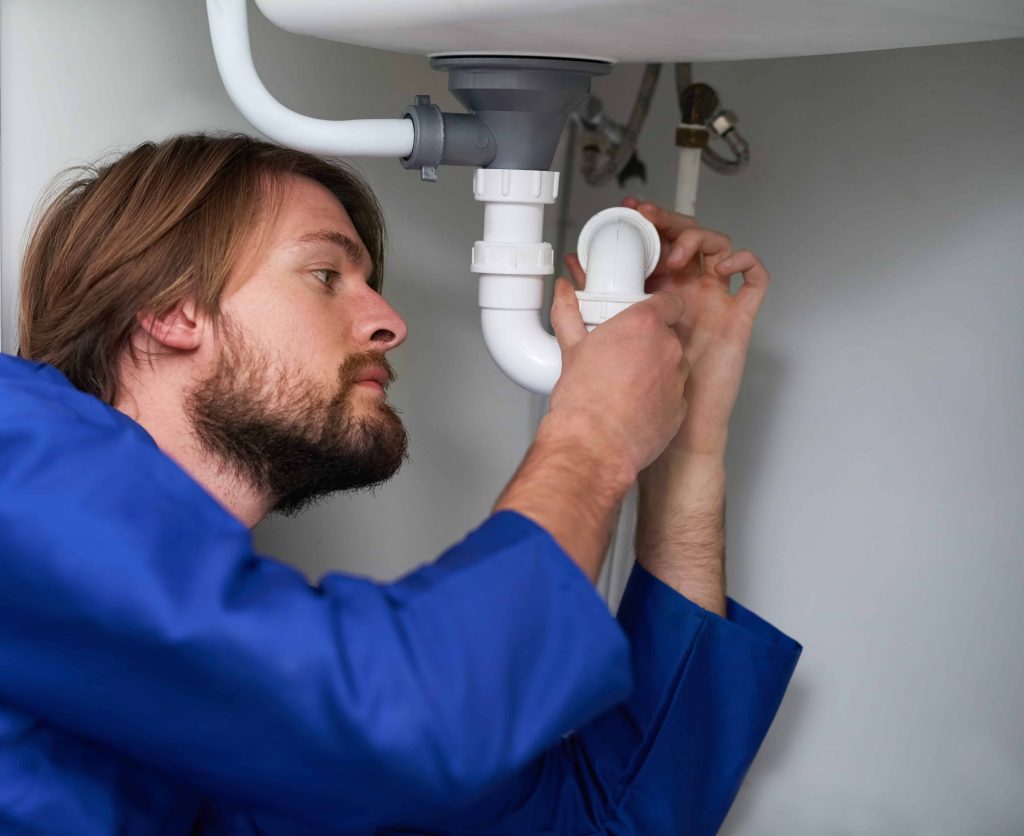
One of the most expensive parts of any bathroom renovation is moving plumbing lines. Relocating the toilet, sink, or shower requires extra labor, materials, and sometimes structural work.
To save money:
- Keep fixtures in their original positions
- Upgrade existing plumbing instead of relocating it
- Focus on improving fixtures instead of redesigning layout
This single decision can reduce renovation costs significantly.
3. Refinish Instead of Replacing
You don’t always need brand-new installations to achieve a fresh look. Refinishing existing elements is much more budget-friendly.
You can:
- Reglaze bathtubs instead of replacing them
- Repaint or refinish cabinets
- Re-grout tiles instead of retiling
- Polish existing fixtures
These updates can make your bathroom look brand new at a fraction of the cost.
4. Choose Affordable but Durable Materials
Material selection has a huge impact on your budget. High-end materials like marble and custom stone can quickly increase costs.
Instead, consider:
- Ceramic or porcelain tiles instead of natural stone
- Laminate countertops instead of quartz or granite
- Acrylic shower bases instead of custom tile showers
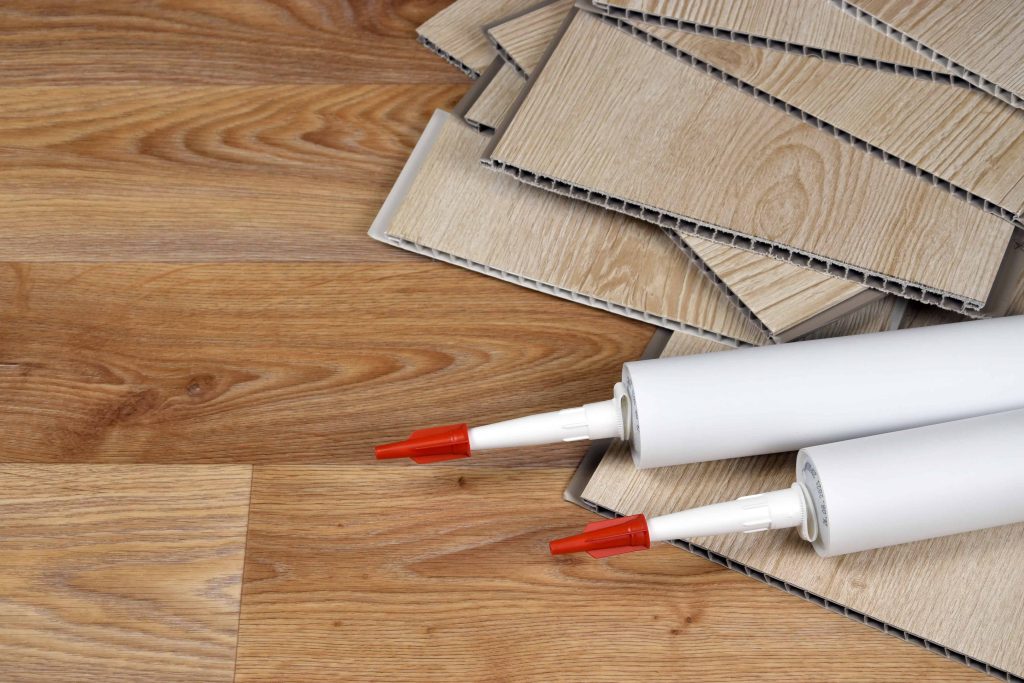
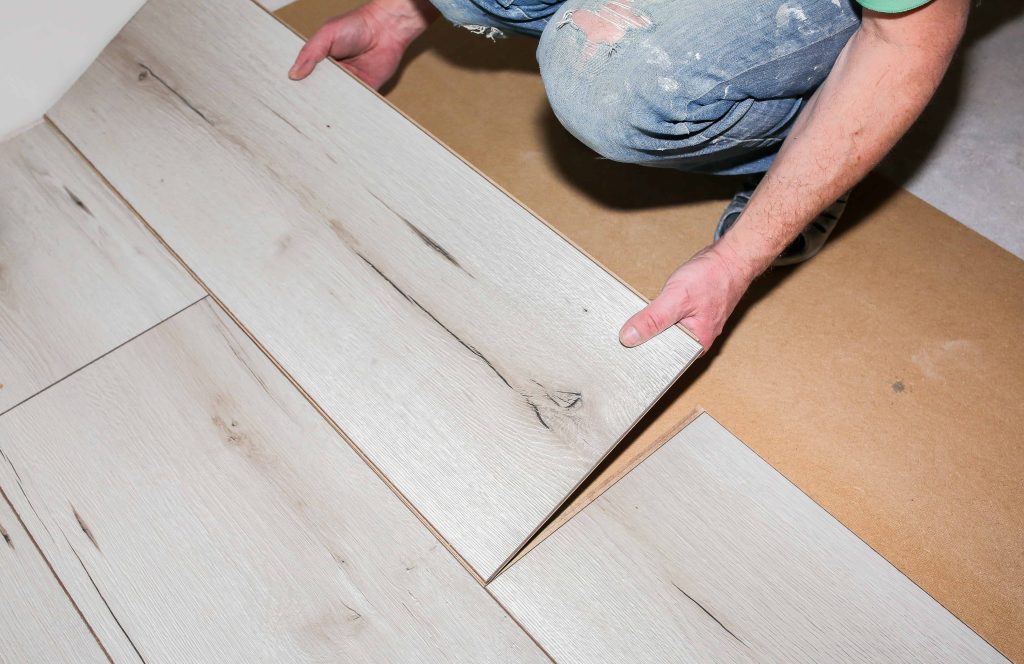
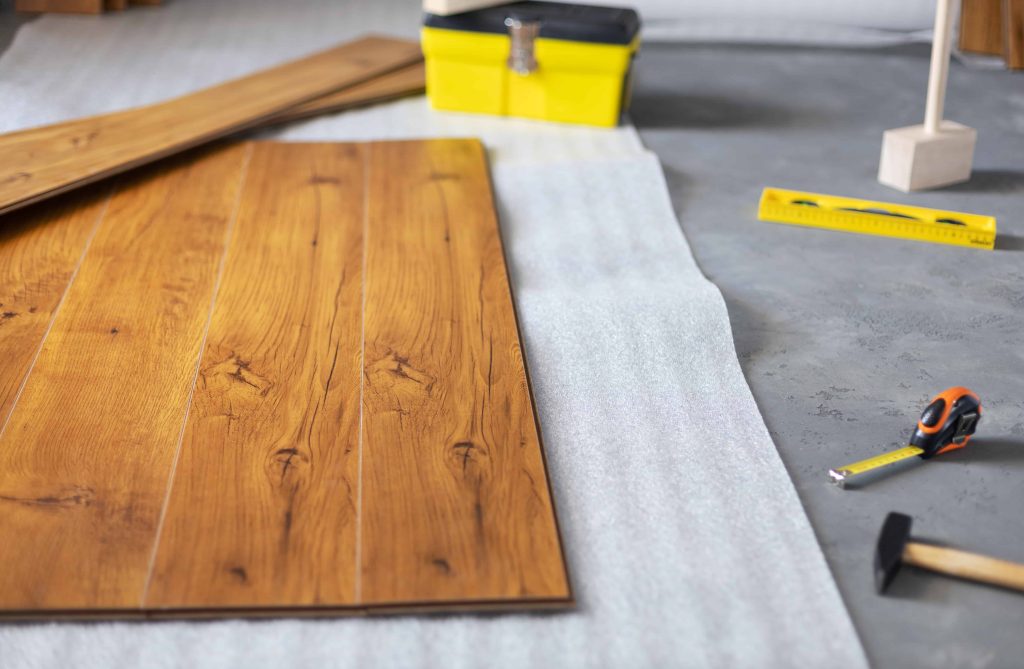
- Vinyl flooring designed to look like wood or stone
Modern affordable materials are durable, stylish, and widely available.
5. Shop Smart and Compare Prices
Never settle for the first price you see. Bathroom renovation materials can vary significantly in cost depending on where you buy them.
To save money:
- Compare prices at multiple stores
- Look for sales and clearance items
- Buy materials in bulk where possible
- Check online marketplaces for discounts
Small savings on each item can add up to a large overall reduction in cost.
6. Do Some Work Yourself
Labor costs can take up a large portion of your renovation budget. If you have basic skills, doing simple tasks yourself can help reduce expenses.
DIY-friendly tasks include:
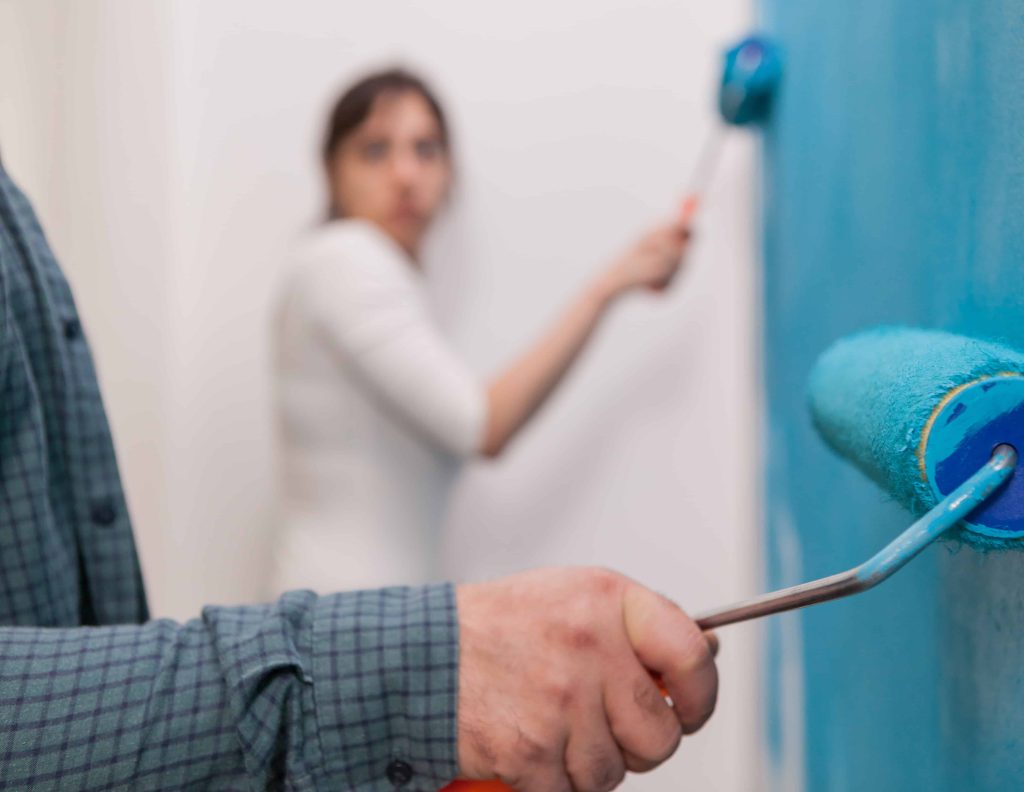
- Painting walls and cabinets
- Removing old fixtures
- Installing accessories like towel bars and mirrors
- Applying peel-and-stick tiles
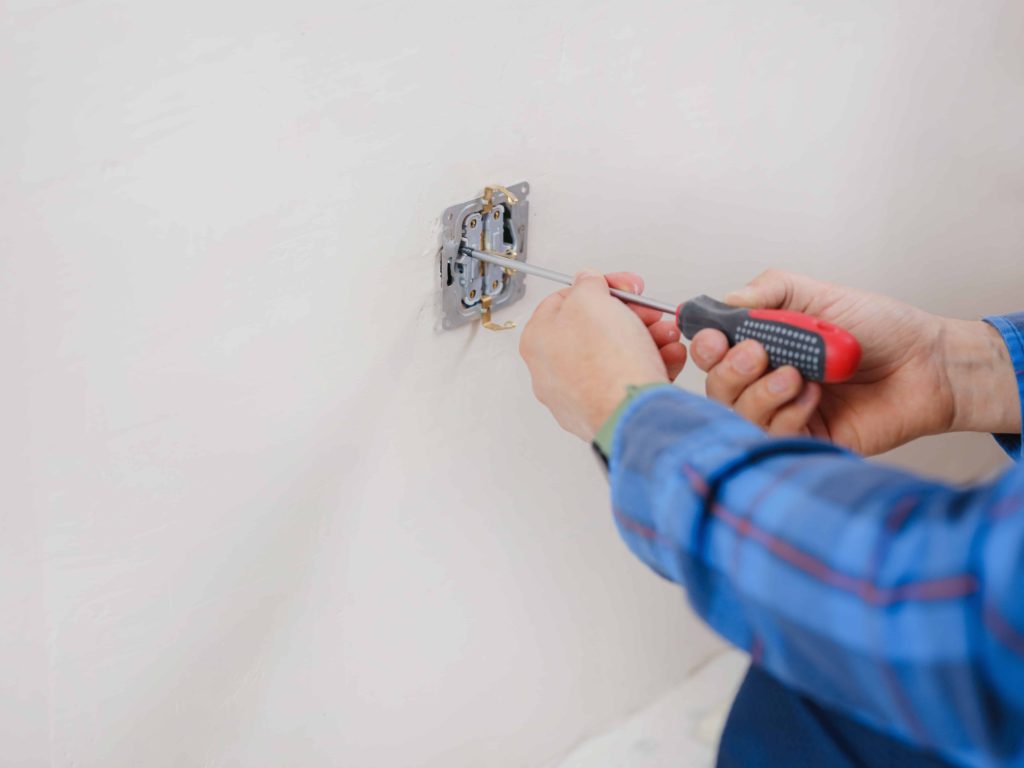
However, always hire professionals for plumbing and electrical work to avoid costly mistakes.
7. Upgrade Fixtures Strategically
Instead of replacing everything, focus on upgrading key fixtures that make the biggest impact.
Prioritize:
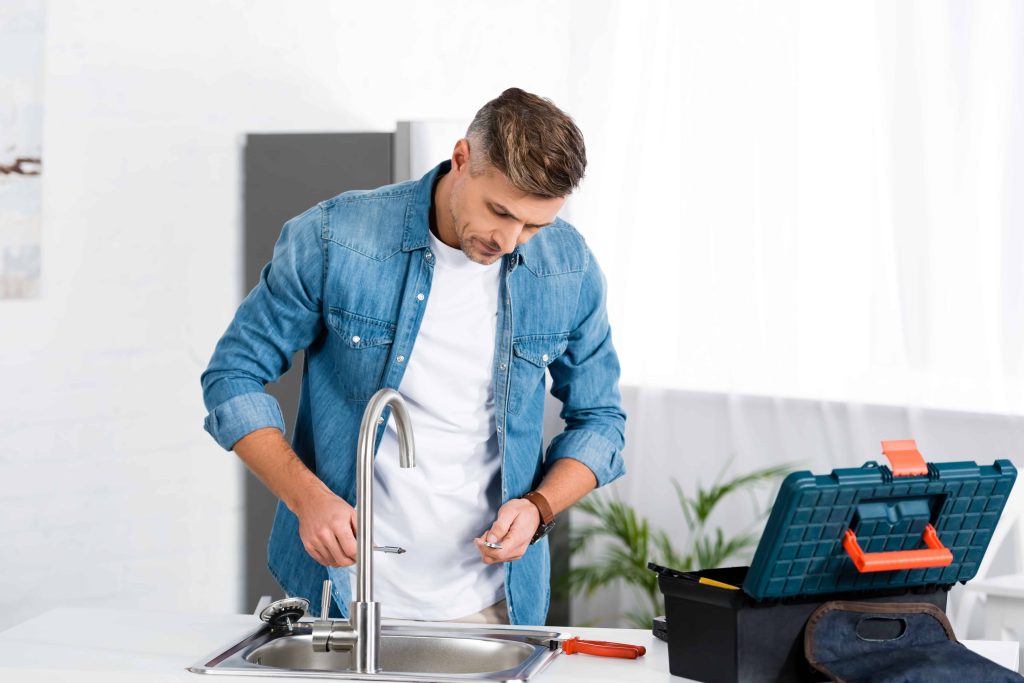
- A modern faucet
- A stylish showerhead
- Water-efficient toilet
- Updated cabinet handles
These small upgrades can completely refresh the bathroom’s appearance without full replacement costs.
8. Use Paint to Transform the Space
Paint is one of the cheapest and most effective ways to renovate a bathroom. A fresh coat can instantly brighten and modernize the space.
Cost-saving tips:
- Use moisture-resistant paint
- Choose light or neutral colors for a larger feel
- Paint cabinets instead of replacing them
- Use accent walls instead of full tiling
Paint offers maximum visual impact for minimal cost.
9. Reuse and Repurpose Where Possible
Not everything needs to be replaced. Reusing materials can significantly reduce renovation expenses.
Examples include:
- Reusing mirrors with new frames
- Reinstalling existing cabinets after refinishing
- Keeping plumbing fixtures that are still in good condition
- Repurposing shelves or storage units
With a little creativity, old items can look brand new again.
10. Keep the Design Simple
Complex designs often lead to higher costs due to specialized labor and materials. A simple, clean design is more affordable and easier to maintain.
To save money:
- Avoid custom-built features
- Choose standard-sized fixtures
- Stick to minimal design elements
- Limit decorative upgrades
Simple bathrooms often look more modern and elegant anyway.
Conclusion
Bathroom renovation doesn’t have to drain your budget. With careful planning, smart material choices, and a focus on essential upgrades, you can achieve a beautiful transformation at a reasonable cost. The key is to prioritize functionality, reuse what you can, and avoid unnecessary structural changes.
By applying these cost-saving tips, you can create a stylish, modern, and comfortable bathroom without overspending—proving that great design doesn’t always require a big budget.
 English