

 English


















































Turn Your Basement into a Home Gym: Complete Guide
-
Admin_Renovators / 5 months
- April 15, 2026
- 0
- 4 min read

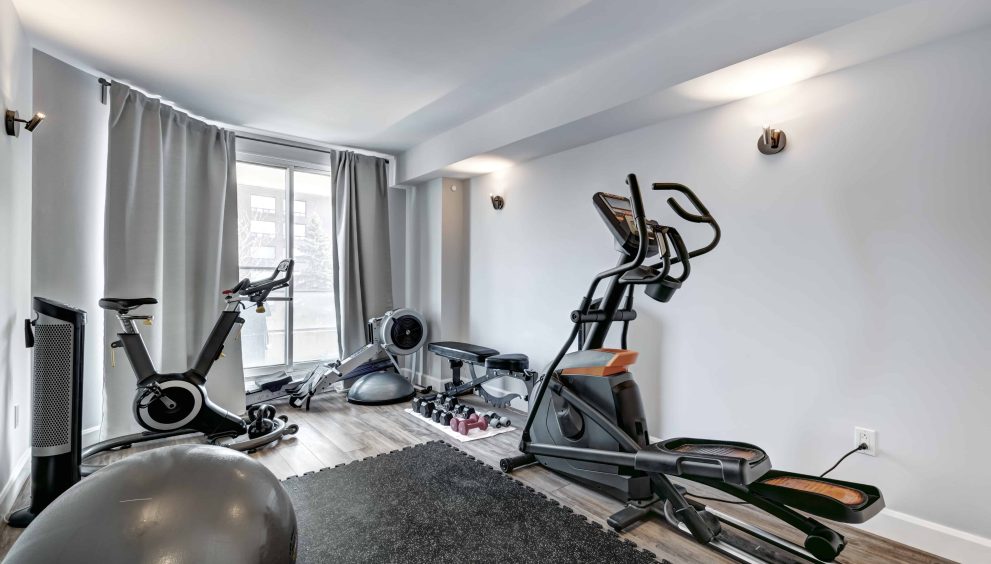
Turning your basement into a home gym is one of the smartest ways to use unused space in your home. Instead of paying monthly gym fees or traveling to fitness centers, you can create a personalized workout space right below your living area. With proper planning, even a simple basement can be transformed into a functional, motivating, and comfortable fitness zone.
This complete guide will walk you through everything you need to know to convert your basement into a home gym.
1. Evaluate Your Basement Space
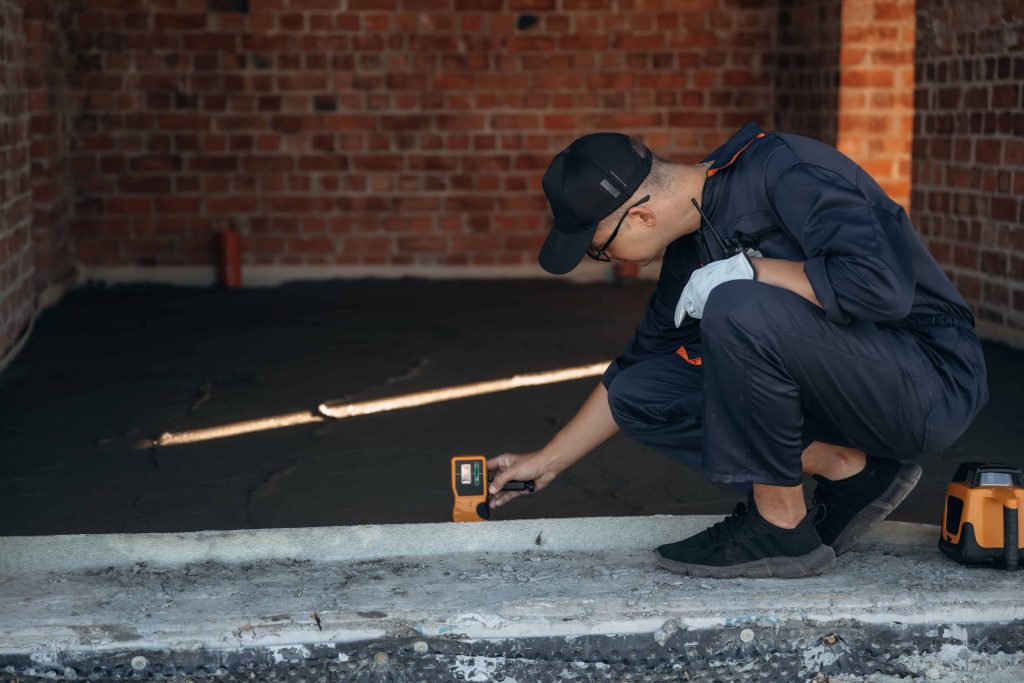
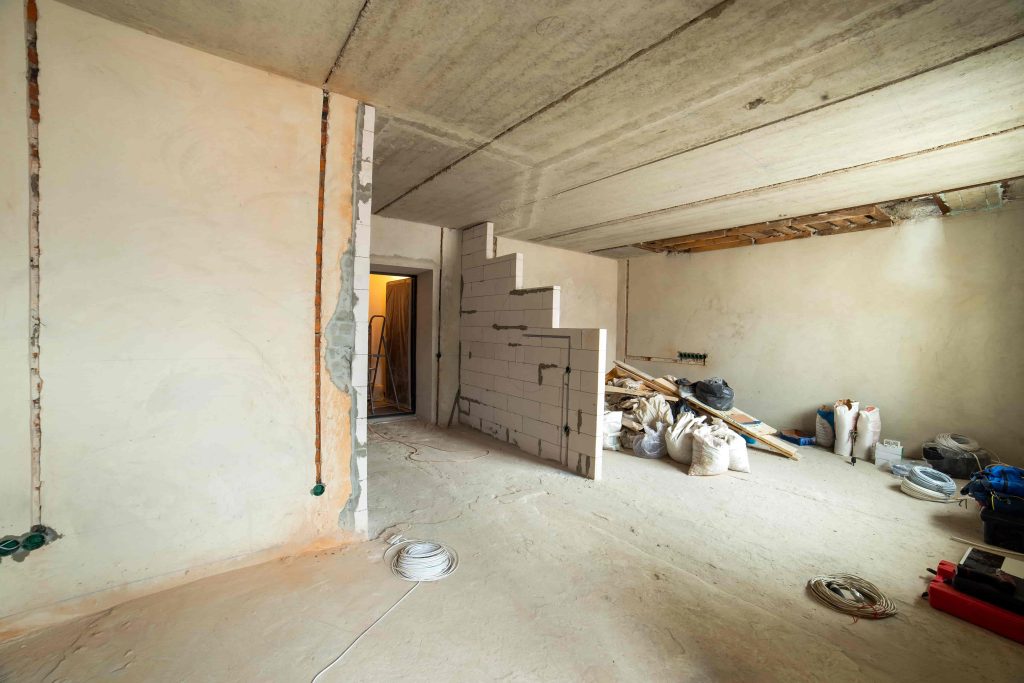
Before starting the transformation, carefully assess your basement. Not all basements are gym-ready, so you need to check a few key factors.
Look for:
- Ceiling height (enough for jumping and lifting exercises)
- Moisture or dampness issues
- Ventilation and airflow
- Available floor space
If your basement has moisture problems, fix them first. A dry, clean environment is essential for both safety and equipment durability.
2. Plan Your Gym Layout
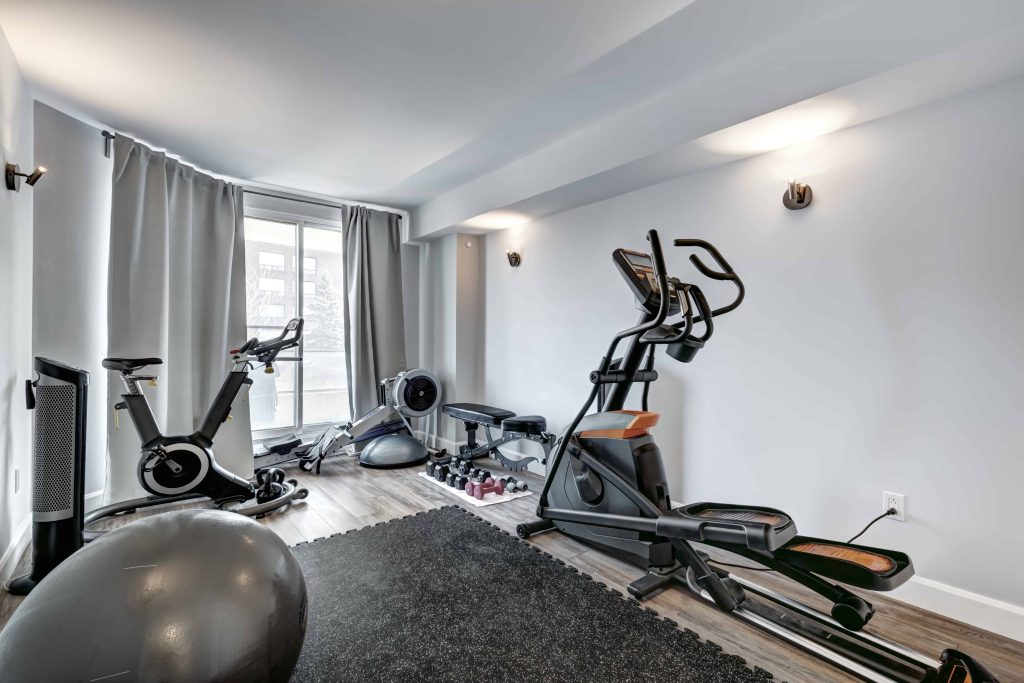
A well-planned layout ensures that your workout space is efficient and comfortable. Divide your basement into functional zones based on your fitness goals.
For example:
- Cardio zone (treadmill, cycling, rowing machine)
- Strength training area (weights, bench, squat rack)
- Stretching/yoga space (open floor area with mats)
Keep enough space between equipment to allow safe movement. Avoid overcrowding the area.
3. Install Proper Flooring
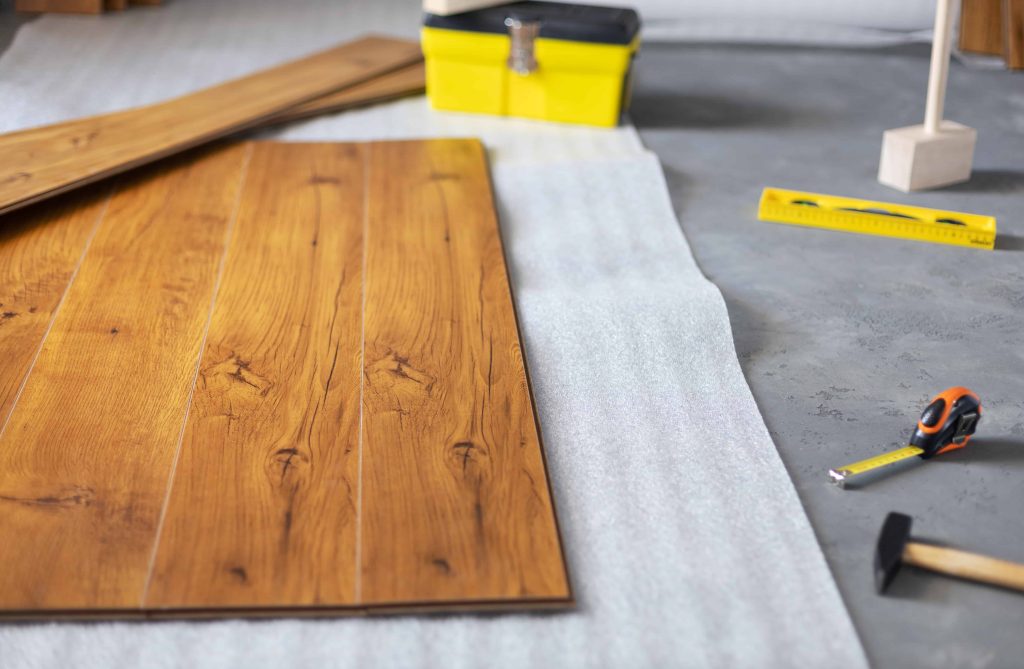
Basement floors are usually hard concrete, which is not suitable for workouts. Installing proper flooring improves comfort, safety, and noise reduction.
Best flooring options include:
- Rubber gym flooring tiles
- Foam mats for light workouts
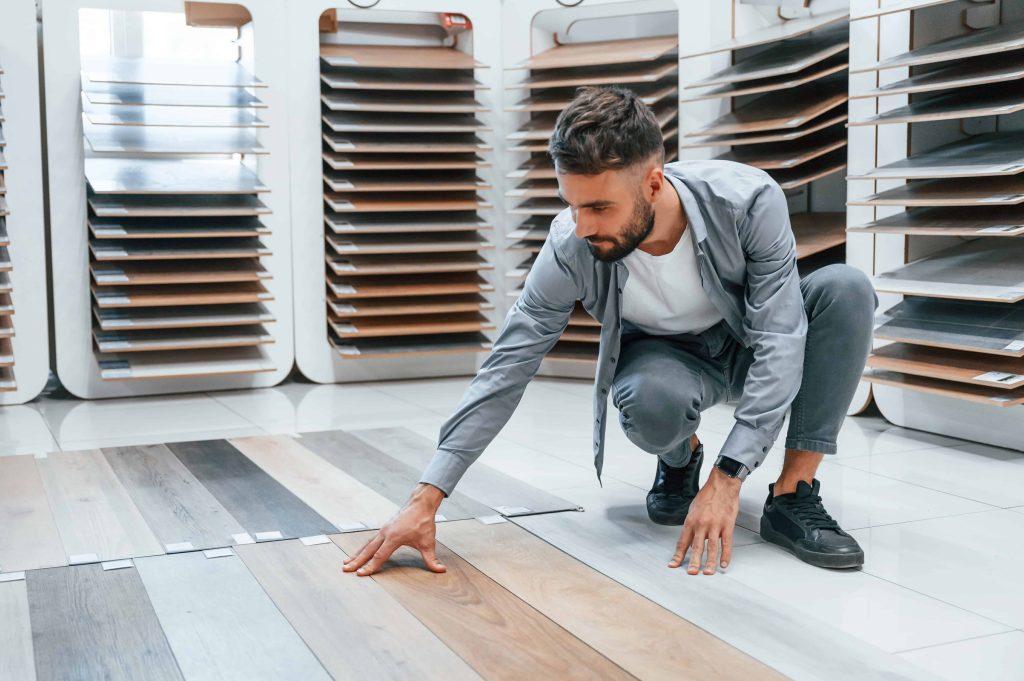
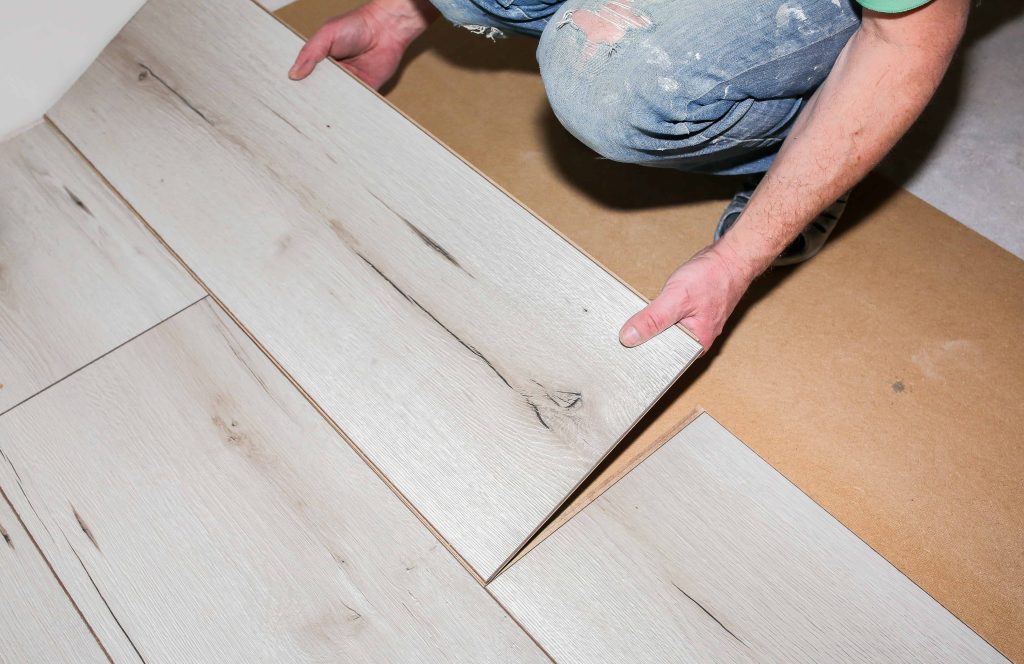
- Vinyl flooring for durability and easy cleaning
- Interlocking EVA mats for flexibility
Rubber flooring is especially recommended for weight training because it absorbs impact and protects both your equipment and floor.
4. Improve Lighting and Ventilation
Basements often lack natural light and proper airflow, which can make workouts uncomfortable. Improving lighting and ventilation is essential for a motivating gym environment.
You can:
- Install bright LED ceiling lights
- Add wall-mounted lights for better coverage
- Use fans or air circulation systems
- Install dehumidifiers to control moisture
Good ventilation keeps the air fresh and prevents the space from feeling closed or stuffy.
5. Choose Essential Gym Equipment
You don’t need expensive machines to build an effective home gym. Start with basic, versatile equipment based on your fitness goals.
Recommended essentials:
- Dumbbells and kettlebells
- Adjustable bench
- Resistance bands
- Yoga mat
- Jump rope
- Pull-up bar
If you have more space and budget, you can add treadmills, stationary bikes, or cable machines later.
6. Add Storage Solutions
Keeping your gym organized is important for safety and motivation. A clutter-free space allows you to focus better during workouts.
Storage ideas include:
- Wall-mounted racks for weights
- Shelves for accessories
- Hooks for resistance bands and ropes
- Storage bins for small items
Proper storage also helps protect equipment and extends its lifespan.
7. Create a Motivating Atmosphere
Your gym environment plays a big role in your workout consistency. A dull space can reduce motivation, while an inspiring setup keeps you energized.
Enhance your basement gym with:
- Mirrors on walls to track form
- Motivational posters or quotes
- Bluetooth speakers for music
- Neutral or bold paint colors
Mirrors are especially useful as they make the space feel larger and help you maintain proper exercise posture.
8. Control Temperature and Humidity
Basements can often feel colder or more humid than other parts of the house. Maintaining a comfortable temperature is important for effective workouts.
Consider:
- Portable heaters for winter
- Air conditioners or fans for summer
- Dehumidifiers to prevent moisture buildup
A comfortable environment ensures you can exercise consistently throughout the year.
9. Ensure Safety First
Safety should always be a priority in any home gym setup. Improper setup can lead to injuries or equipment damage.
Safety tips:
- Secure heavy equipment properly
- Use non-slip flooring
- Keep walkways clear
- Regularly inspect equipment for wear and tear
If you’re doing heavy lifting, consider installing safety bars or racks.
10. Start Simple and Upgrade Gradually
You don’t need to build a full professional gym overnight. Start with essential equipment and expand as your fitness routine grows.
Begin with:
- Basic weights
- A mat
- Simple cardio equipment
Over time, you can upgrade based on your needs and budget.
Conclusion
Transforming your basement into a home gym is a practical and rewarding investment in your health and lifestyle. With proper planning, flooring, lighting, and equipment selection, you can create a space that is both functional and motivating.
A well-designed home gym saves time, reduces costs, and gives you the freedom to work out whenever you want. By starting simple and improving gradually, you can build a personalized fitness space that supports your long-term health goals.