

 English



































Basement Bedroom Ideas for Extra Living Space
-
Admin_Renovators / 5 months
- April 15, 2026
- 0
- 4 min read

Transforming your basement into a bedroom is one of the most effective ways to add functional living space to your home. Whether you need a guest room, a private suite, or extra accommodation for family members, a well-designed basement bedroom can significantly increase comfort and property value. However, basements come with unique challenges such as low natural light, moisture, and ventilation concerns. With the right design approach, you can turn even a dark basement into a cozy, stylish, and inviting bedroom.
Here are practical and creative basement bedroom ideas to help you maximize your space.
1. Start with Proper Waterproofing and Insulation
Before designing the bedroom, it is essential to ensure the basement is dry and comfortable. Moisture is the biggest issue in basement spaces, and ignoring it can lead to mold, odors, and long-term damage.
Key steps include:
- Sealing foundation cracks
- Installing a proper vapor barrier
- Using waterproof paint on walls
- Adding insulation for temperature control
Good insulation also helps maintain a comfortable room temperature throughout the year, making the space livable in both summer and winter.
2. Maximize Natural and Artificial Lighting
Basements often lack natural light, which can make them feel closed and uninviting. Smart lighting design is essential to create a warm and open atmosphere.
You can improve lighting by:
- Installing egress windows if possible
- Using bright LED ceiling lights
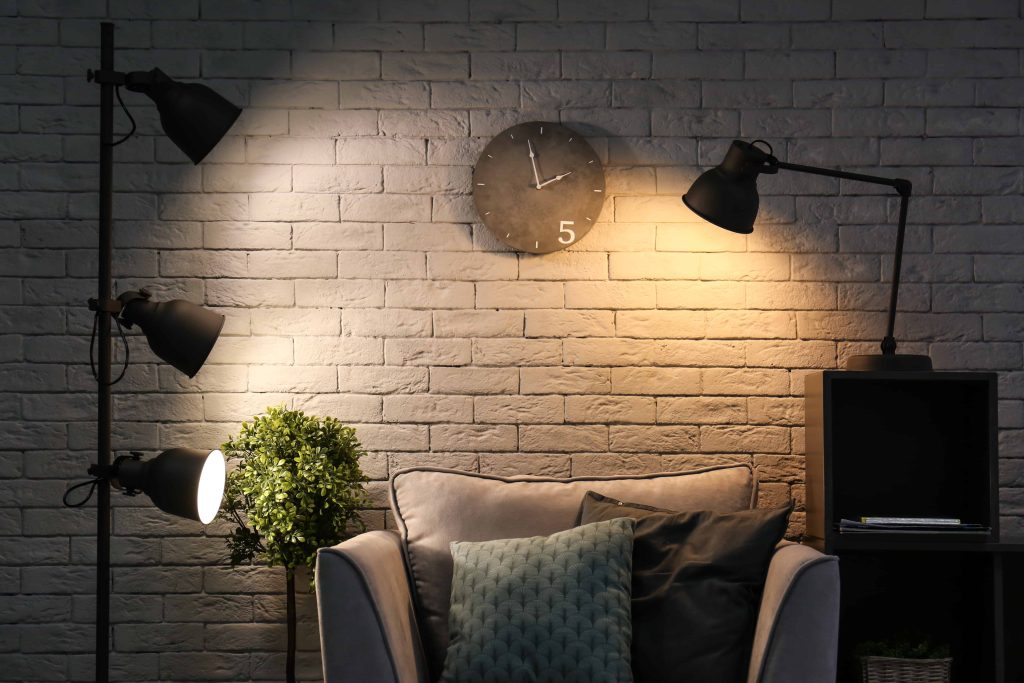
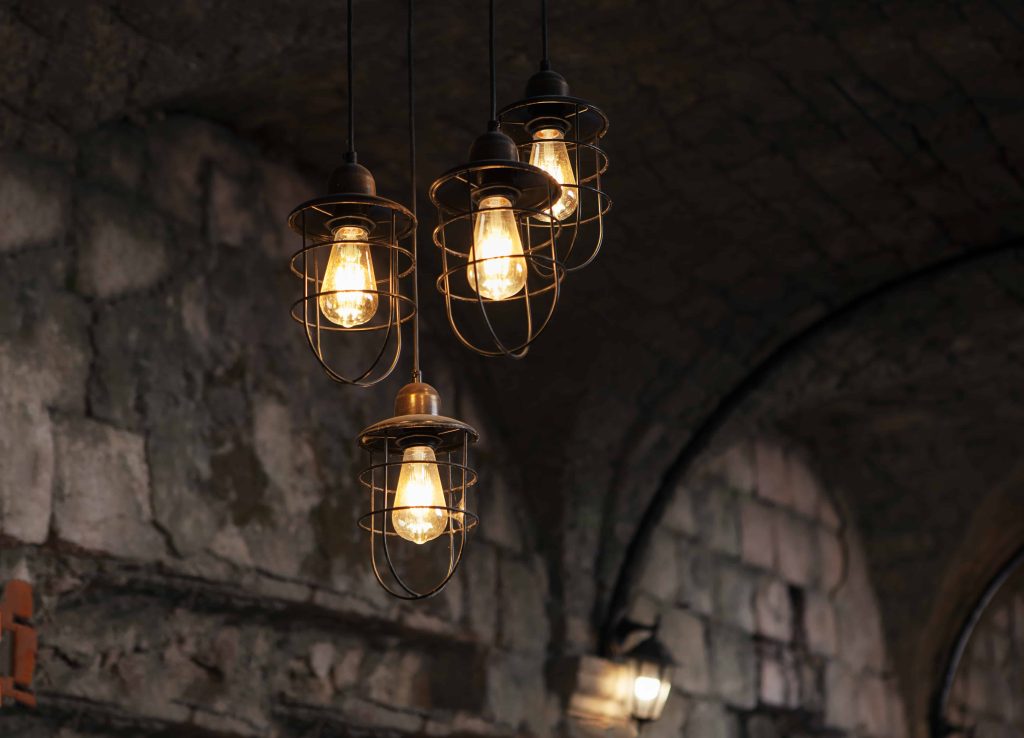
- Adding wall sconces for soft lighting
- Using mirrors to reflect light and open up space
Choose warm white lighting to create a cozy bedroom feel instead of harsh white tones.
3. Choose a Light and Neutral Color Palette
Color plays a major role in how spacious a basement bedroom feels. Dark colors can make the space feel smaller, while lighter shades create an airy and open environment.
Best color choices include:
- Soft white
- Light gray
- Beige or sand tones
- Pastel shades
You can also add contrast through furniture and décor to avoid a flat appearance while maintaining brightness.
4. Optimize Ceiling Height and Design
Basements often have lower ceilings, so it’s important to design in a way that avoids a cramped feeling.
Tips include:
- Using low-profile furniture
- Painting the ceiling white to create height illusion
- Installing recessed lighting instead of hanging fixtures
- Avoiding heavy ceiling decorations
These small adjustments can make the room feel more spacious and comfortable.
5. Select Space-Saving Furniture
Since basement bedrooms often have limited space, choosing the right furniture is key.
Smart furniture ideas:
- Platform beds with storage drawers
- Wall-mounted nightstands
- Foldable desks or tables
- Built-in wardrobes or sliding-door closets
Multifunctional furniture helps reduce clutter while maximizing usable space.
6. Add Proper Flooring for Comfort
Basement floors are typically cold concrete, so adding warm and comfortable flooring is essential.
Popular options include:
- Vinyl flooring for durability and moisture resistance
- Carpet tiles for warmth and comfort
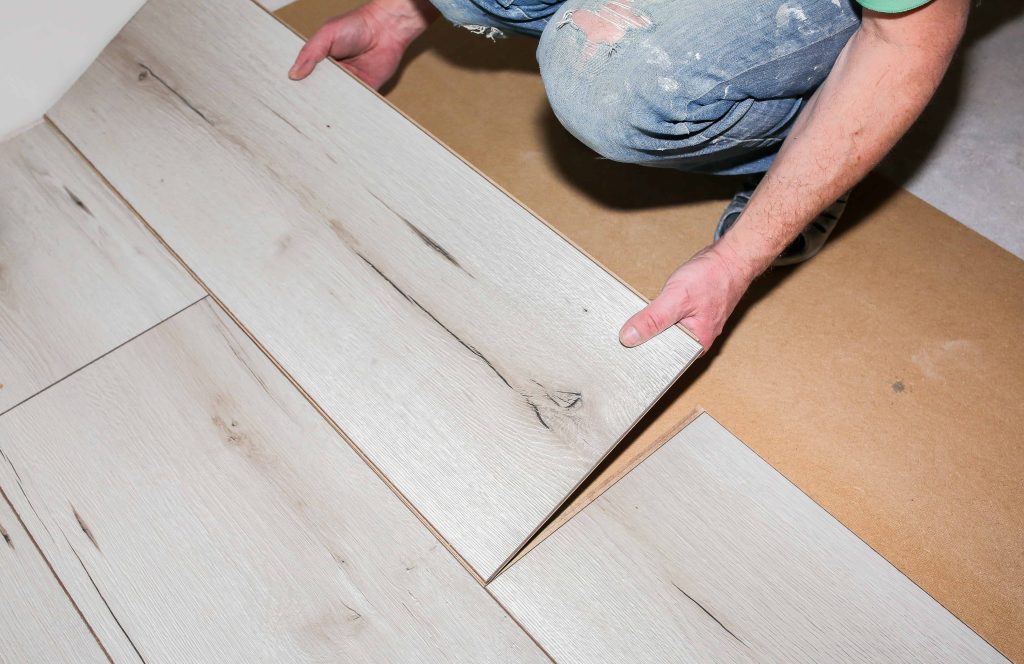
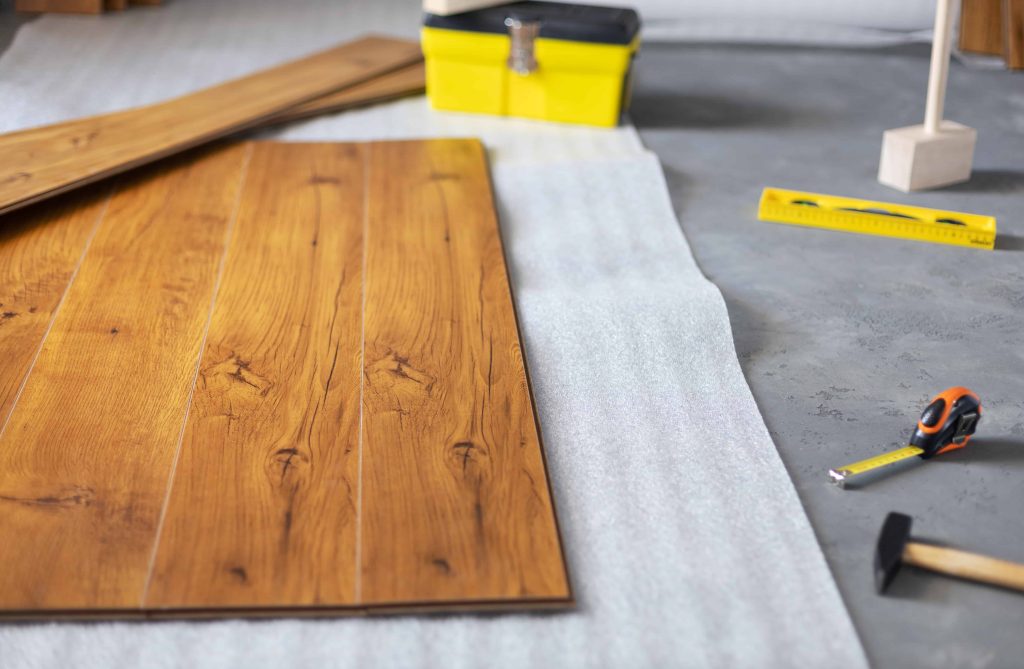
- Laminate flooring for a stylish wood-like appearance
- Area rugs for added softness
Flooring not only improves comfort but also enhances the overall bedroom aesthetic.
7. Improve Ventilation and Air Quality
Good air circulation is crucial for making a basement bedroom livable. Without proper ventilation, the space can feel stuffy or damp.
Solutions include:
- Installing air vents or ducts
- Using dehumidifiers to control moisture
- Adding ceiling or portable fans
- Ensuring HVAC integration if possible
Fresh air improves comfort and helps maintain a healthy indoor environment.
8. Create a Cozy and Stylish Atmosphere
A basement bedroom should feel like a relaxing retreat. Even simple design elements can help achieve a warm and inviting atmosphere.
Consider adding:
- Soft bedding with layered textures
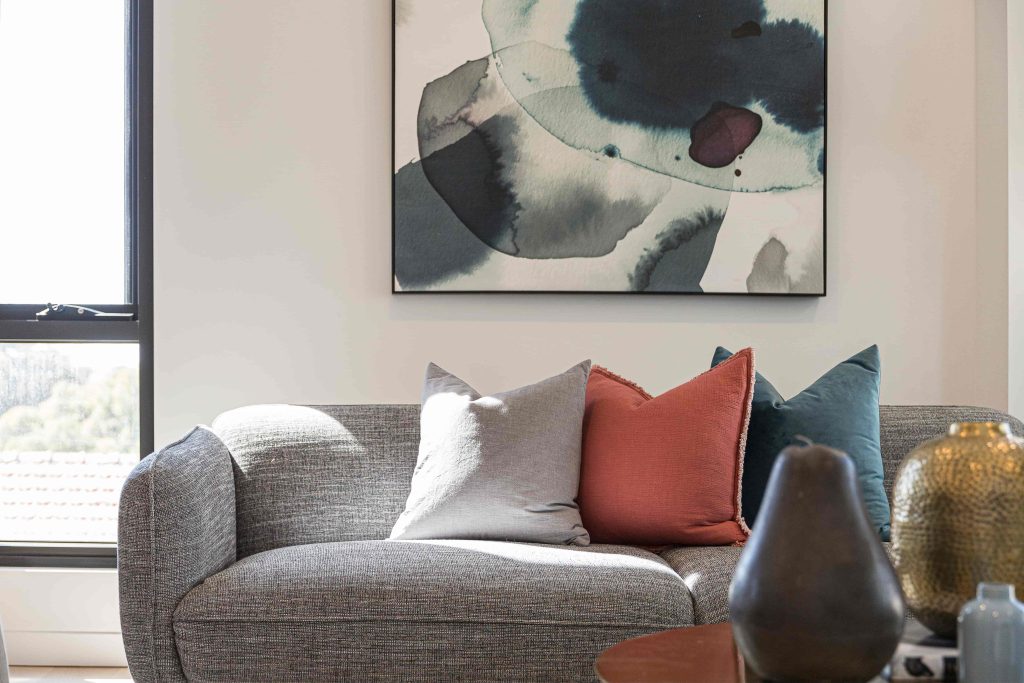
- Decorative cushions and throws
- Minimalist wall art
- Indoor plants for freshness
Keep décor simple and balanced to avoid overcrowding the space.
9. Add Built-In Storage Solutions
Efficient storage is important to keep the bedroom organized and clutter-free.
Storage ideas:
- Built-in wall shelves
- Under-bed storage units
- Closet organizers
- Floating shelves for décor and essentials
Smart storage helps maintain a clean, hotel-like appearance.
10. Consider Privacy and Soundproofing
If the basement bedroom will be used by guests or family members, privacy is important.
You can improve privacy by:
- Installing solid doors instead of hollow ones
- Using soundproof insulation in walls
- Adding thick curtains or blinds
- Placing rugs to reduce noise
These features make the bedroom more comfortable and private.
Conclusion
A basement bedroom is a practical and valuable way to expand your living space without building an extension. With proper waterproofing, smart lighting, space-saving furniture, and thoughtful design choices, you can transform an unused basement into a comfortable and stylish bedroom.
The key is to balance functionality with comfort. By focusing on light, ventilation, and smart storage, you can create a basement bedroom that feels just as inviting as any other room in your home.