Waterproofing your basement is one of the most important steps in protecting your home from long-term structural damage. A damp or leaking basement can lead to mold growth, unpleasant odors, weakened foundations, and costly repairs. Whether you’re planning to convert your basement into a living space or simply want to keep it dry and safe, proper waterproofing is essential.
This guide explains practical and effective ways to waterproof your basement properly and prevent future moisture problems.
1. Identify the Source of Moisture
Before starting any waterproofing work, you need to understand where the water is coming from. Basement moisture usually comes from three main sources:
- Surface water: Rainwater or poor drainage around the house
- Groundwater: Water seeping through foundation walls or floor
- Indoor humidity: Condensation caused by poor ventilation
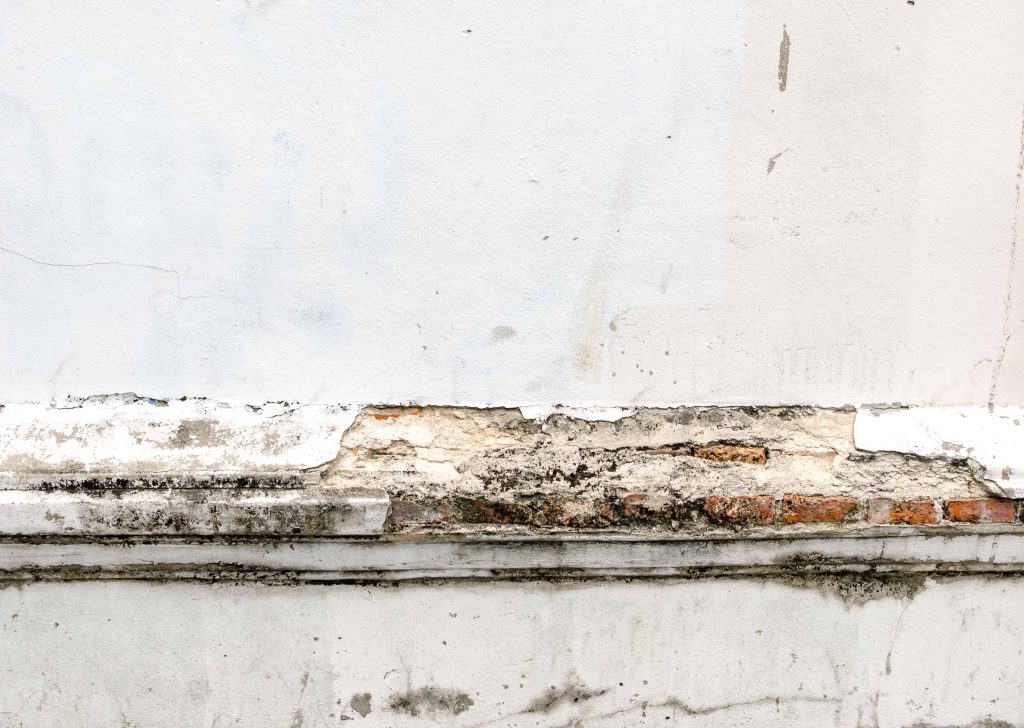
Carefully inspect your basement for signs such as wet walls, damp floors, mold patches, or water stains. Identifying the root cause helps you choose the right waterproofing method.
2. Improve Exterior Drainage
One of the most effective ways to waterproof a basement is by controlling water outside the house. If water is not directed away properly, it will eventually find its way inside.
To improve drainage:
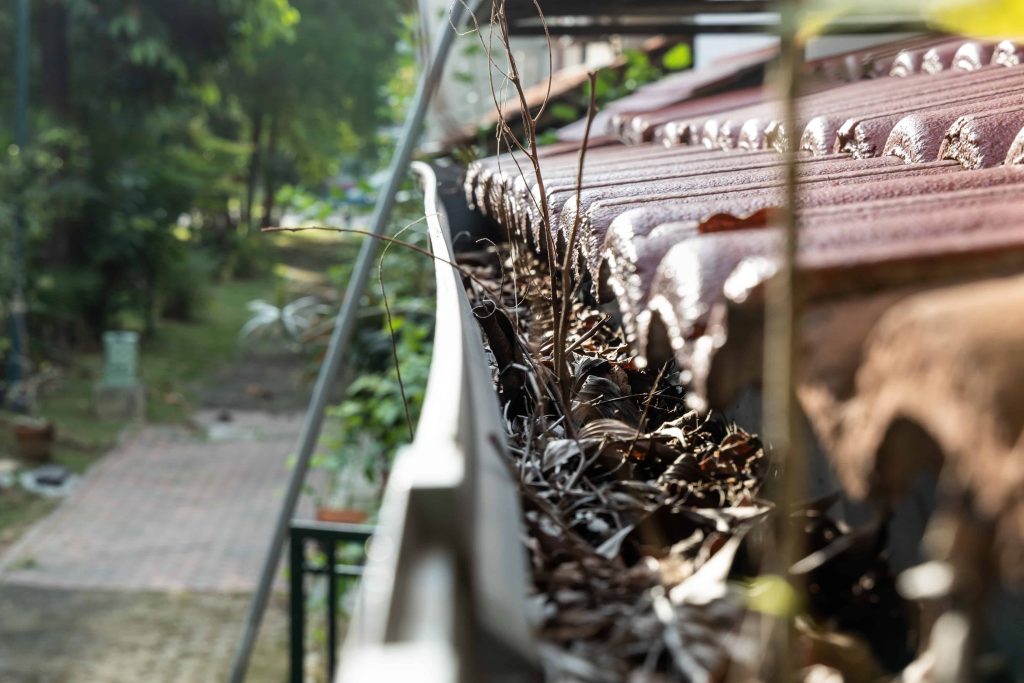
- Clean and maintain gutters regularly
- Extend downspouts at least 5–10 feet away from the foundation
- Ensure the ground slopes away from your home
- Install French drains if needed
Good exterior drainage reduces pressure on basement walls and prevents water buildup around the foundation.
3. Seal Cracks in Walls and Floors
Even small cracks in basement walls or floors can allow water to seep in over time. Sealing these cracks is a critical step in waterproofing.
Steps include:
- Inspect all walls and floors carefully
- Use hydraulic cement to fill visible cracks
- Apply epoxy injections for deeper structural cracks
- Seal joints where walls meet floors
Make sure the surface is clean and dry before applying any sealant for better adhesion and long-lasting results.
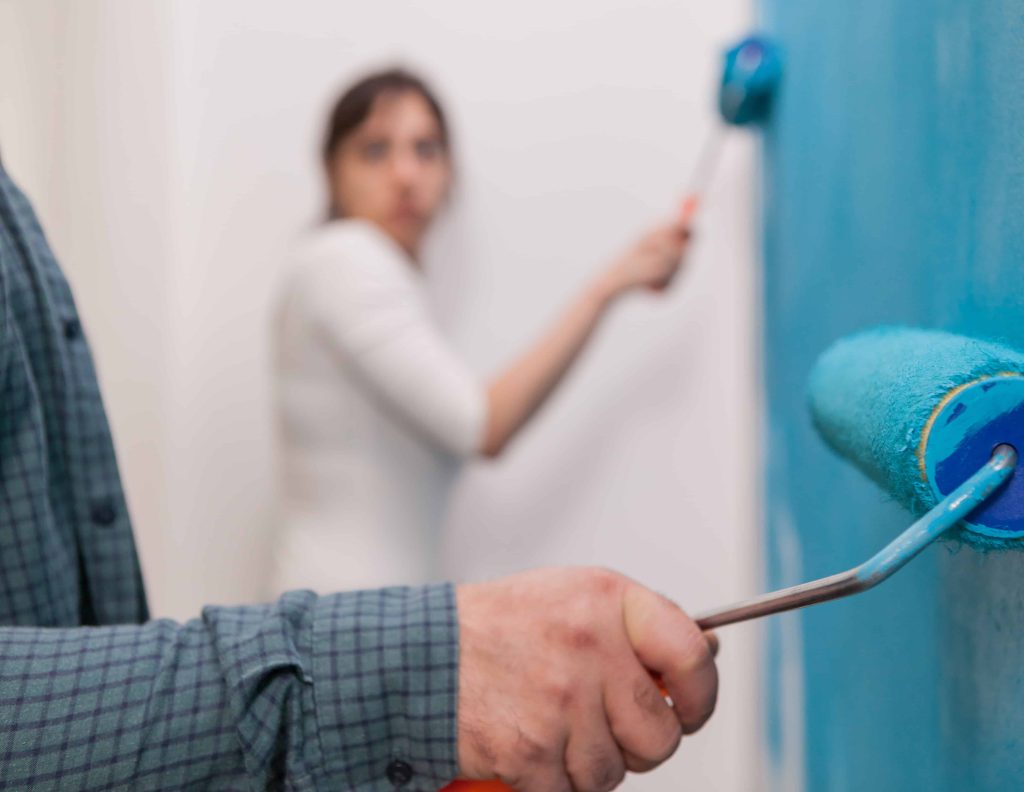
4. Apply Interior Waterproof Coatings
Interior waterproofing coatings create a protective barrier that prevents moisture from penetrating walls and floors.
Common options include:
- Waterproof masonry paint
- Cement-based sealers
- Elastomeric coatings
These coatings are applied directly to basement walls and help block minor seepage and humidity. While they don’t stop major leaks, they are effective as part of a combined waterproofing system.
5. Install a Sump Pump System
A sump pump is one of the most reliable solutions for keeping basements dry, especially in areas prone to heavy rainfall or high groundwater levels.
How it works:
- Water collects in a sump pit installed in the basement floor
- The pump automatically activates when water rises
- It pumps water away from the foundation
Installing a sump pump system helps prevent flooding and reduces moisture buildup significantly. Regular maintenance is important to ensure it works during emergencies.
6. Use a Vapor Barrier
A vapor barrier helps control moisture from the surrounding soil and prevents it from entering your basement.
You can install:
- Plastic sheeting on walls and floors
- Foam insulation boards with moisture resistance
- Specialized basement vapor barrier systems
This layer is especially useful if you are planning to finish your basement as a living space.
7. Improve Ventilation and Air Circulation
Moisture often builds up in basements due to poor airflow. Improving ventilation helps reduce humidity levels and prevents mold growth.
Effective solutions include:
- Installing exhaust fans
- Using dehumidifiers
- Adding air vents connected to HVAC systems
- Opening windows when weather allows
A dehumidifier is especially useful in humid climates, as it keeps indoor moisture levels under control.
8. Waterproof the Exterior Foundation (Advanced Step)
For long-term protection, exterior waterproofing is the most effective but also the most expensive solution. It involves applying waterproof membranes on the outside of foundation walls.
This process includes:
- Excavating soil around the foundation
- Cleaning and repairing exterior walls
- Applying waterproof membrane or coating
- Installing drainage boards and gravel backfill
Although it requires professional help, this method provides the strongest protection against water intrusion.
9. Maintain Proper Landscaping
Your yard design can directly affect basement moisture levels. Poor landscaping often leads to water pooling near the foundation.
To improve protection:
- Avoid planting large shrubs too close to walls
- Keep soil levels below foundation height
- Ensure garden beds slope away from the house
- Use gravel or drainage-friendly materials near the base
Proper landscaping works as a natural defense against water damage.
10. Perform Regular Inspections
Waterproofing is not a one-time task. Regular maintenance is essential to ensure long-term protection.
Check periodically for:
- New cracks in walls or floors
- Signs of dampness or mold
- Clogged gutters or drains
- Malfunctioning sump pumps
Early detection helps prevent small issues from turning into major repairs.
Conclusion
Proper basement waterproofing is essential for protecting your home’s foundation and creating a safe, usable space. By combining exterior drainage improvements, crack sealing, interior coatings, and ventilation solutions, you can effectively prevent moisture problems.
Whether you are finishing your basement or simply protecting it from damage, a well-planned waterproofing system ensures long-term durability, comfort, and peace of mind.
 English