

 English



































































Signs of Basement Moisture Problems and Fixes
-
Admin_Renovators / 5 months
- April 15, 2026
- 0
- 5 min read

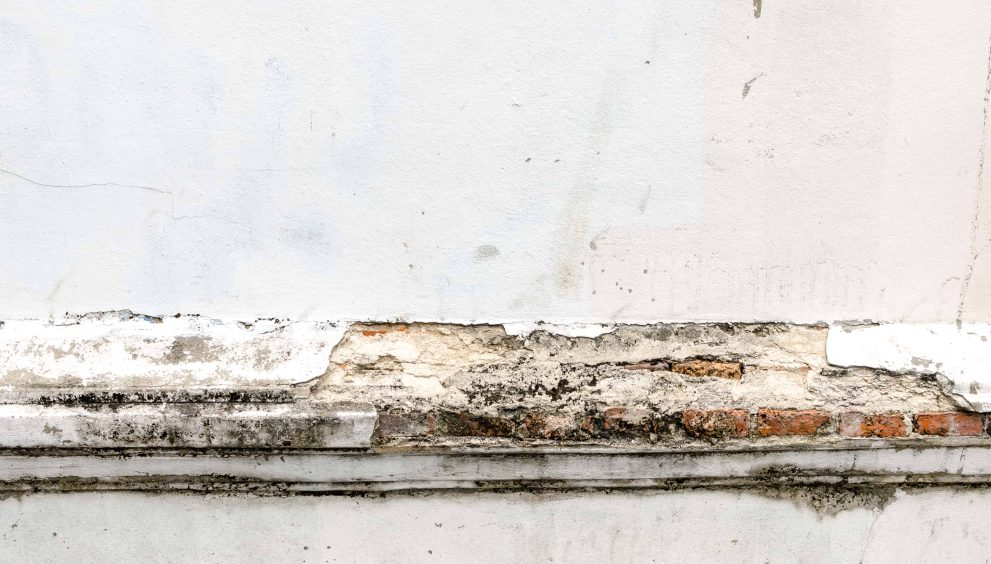
Basement moisture problems are common in many homes, especially in areas with high rainfall, poor drainage, or older foundations. Because basements are located below ground level, they are naturally more exposed to water pressure and humidity. If left untreated, moisture issues can lead to mold growth, structural damage, and unhealthy indoor air quality.
The good news is that early signs are easy to spot—and most problems can be fixed with the right approach. In this guide, we’ll explore the key warning signs of basement moisture problems and practical solutions to fix them.
1. Musty or Damp Odor
One of the first and most obvious signs of basement moisture is a persistent musty smell. This odor is usually caused by mold, mildew, or trapped humidity.
Why it happens:
- Poor ventilation
- Hidden water leaks
- High humidity levels
- Damp walls or flooring
How to fix it:
Start by improving airflow in the basement. Use fans, open windows when possible, or install a dehumidifier to reduce moisture levels. Clean affected areas with mold-resistant solutions and ensure all surfaces are dry. If the smell persists, it may indicate hidden water seepage that needs professional inspection.
2. Visible Mold and Mildew Growth
Mold is a serious sign of ongoing moisture problems. It often appears as black, green, or white patches on walls, ceilings, or corners.
Why it happens:
- Constant damp conditions
- Water leakage through foundation walls
- Poor insulation or ventilation
How to fix it:
Clean small mold patches using a mixture of water and mild detergent or a vinegar solution. For larger infestations, professional mold removal may be necessary. After cleaning, address the source of moisture by sealing cracks, improving drainage, and controlling humidity with a dehumidifier.
3. Water Stains on Walls or Floors
Water stains are clear indicators that moisture is entering your basement from outside or through plumbing leaks.
Why it happens:
- Foundation cracks
- Poor exterior drainage
- Leaking pipes
- Groundwater seepage
How to fix it:
Inspect the stained areas carefully. Seal visible cracks using hydraulic cement or epoxy injection. Check gutters and downspouts to ensure water is directed away from your home. If stains are caused by plumbing leaks, repair or replace damaged pipes immediately.
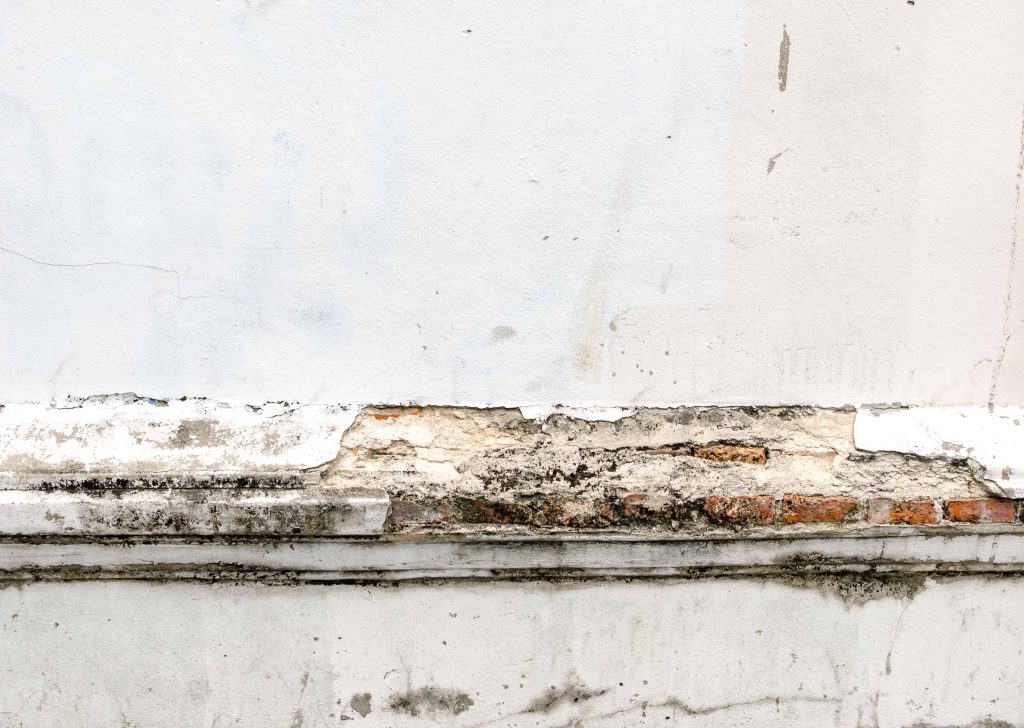
4. Peeling Paint or Efflorescence
If you notice paint bubbling, flaking, or white powdery deposits on walls, it is a strong sign of moisture penetration.
Why it happens:
- Water pushing through concrete walls
- Salt deposits left behind by evaporating moisture
- Lack of waterproof coating
How to fix it:
Scrape off peeling paint and clean the wall surface. Efflorescence can be removed with a brush and mild cleaning solution. After drying, apply a waterproof sealant or masonry coating to prevent future moisture intrusion.
5. Standing Water or Puddles
Standing water in the basement is a serious issue that requires immediate attention. Even small puddles should not be ignored.
Why it happens:
- Heavy rain and poor drainage
- Broken sump pump system
- Foundation cracks
- Improper ground slope around the house
How to fix it:
First, remove the water and dry the area completely. Check the sump pump to ensure it is working properly. Improve exterior drainage by extending downspouts and adjusting soil slope away from the foundation. For recurring flooding, consider installing a French drain system.
6. High Humidity Levels
A humid basement feels sticky, uncomfortable, and often leads to condensation on walls or pipes.
Why it happens:
- Poor ventilation
- Lack of air circulation
- Moisture entering through foundation
How to fix it:
Install a dehumidifier to maintain optimal humidity levels (ideally between 30–50%). Improve ventilation by using fans or connecting the basement to the home’s HVAC system. Seal any entry points where moisture can enter.
7. Cracks in Walls or Floors
Cracks may seem minor at first, but they can allow water to slowly seep into your basement over time.
Why it happens:
- Natural foundation settling
- Soil pressure against walls
- Freeze-thaw cycles in colder climates
How to fix it:
Use epoxy injections for deep cracks and hydraulic cement for surface-level repairs. For larger structural cracks, consult a professional to ensure the foundation is stable. Regular inspection helps catch these issues early.
8. Rust or Corrosion on Metal Fixtures
Rust on pipes, nails, or metal supports is another warning sign of excess moisture.
Why it happens:
- Long-term exposure to humidity
- Water leaks
- Poor ventilation
How to fix it:
Treat small rust spots with anti-corrosion solutions. Replace heavily corroded parts. Improve ventilation and reduce humidity to prevent further damage.
9. Condensation on Windows or Pipes
Water droplets forming on cold surfaces indicate condensation problems in your basement.
Why it happens:
- Temperature differences between air and surfaces
- High indoor humidity
- Poor insulation
How to fix it:
Insulate cold pipes and surfaces to reduce condensation. Use a dehumidifier to lower moisture levels in the air. Ensure proper airflow to balance temperature differences.
10. Preventing Future Moisture Problems
Prevention is always better than repair. Once moisture issues are fixed, take steps to avoid them returning.
Best prevention tips:
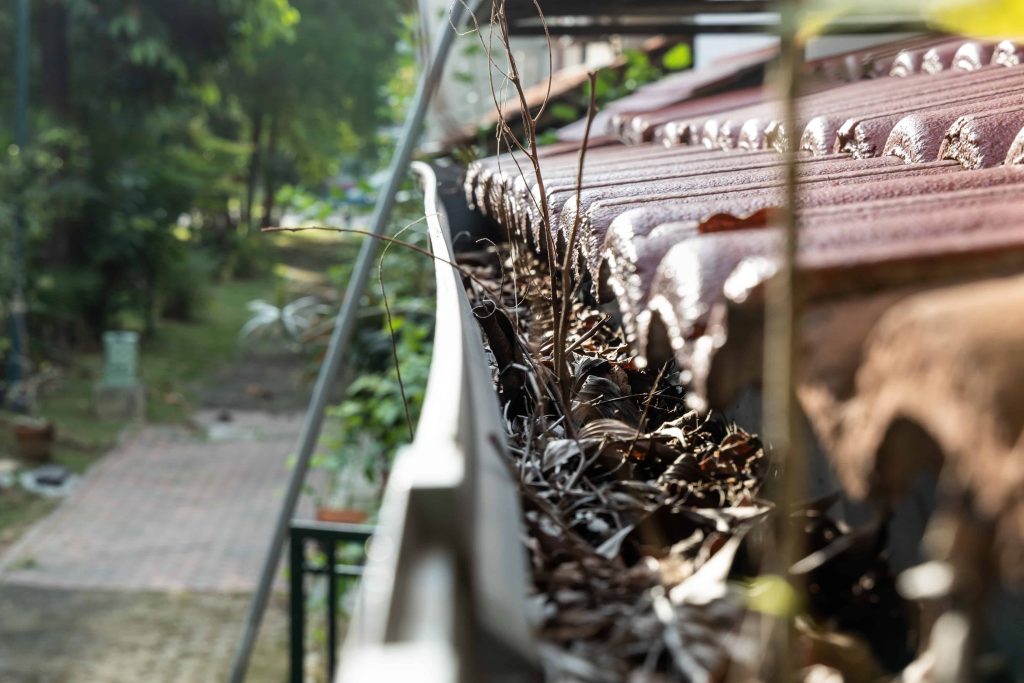
- Clean gutters and downspouts regularly
- Maintain proper grading around your home
- Install sump pumps if needed
- Use vapor barriers on basement walls
- Inspect basement monthly for early signs
Conclusion
Basement moisture problems should never be ignored. Even small signs like damp smells or minor stains can point to larger underlying issues. By identifying problems early and applying the right fixes—such as improving drainage, sealing cracks, and controlling humidity—you can protect your home from serious damage.
A dry basement not only improves your home’s safety and value but also creates the opportunity to use the space for living, storage, or recreation. Regular maintenance and timely action are the keys to keeping your basement healthy and moisture-free for the long term.