
 English

















Best Basement Waterproofing Solutions for Chicago Homes
-
Admin_Renovators / 5 months
- April 15, 2026
- 0
- 5 min read

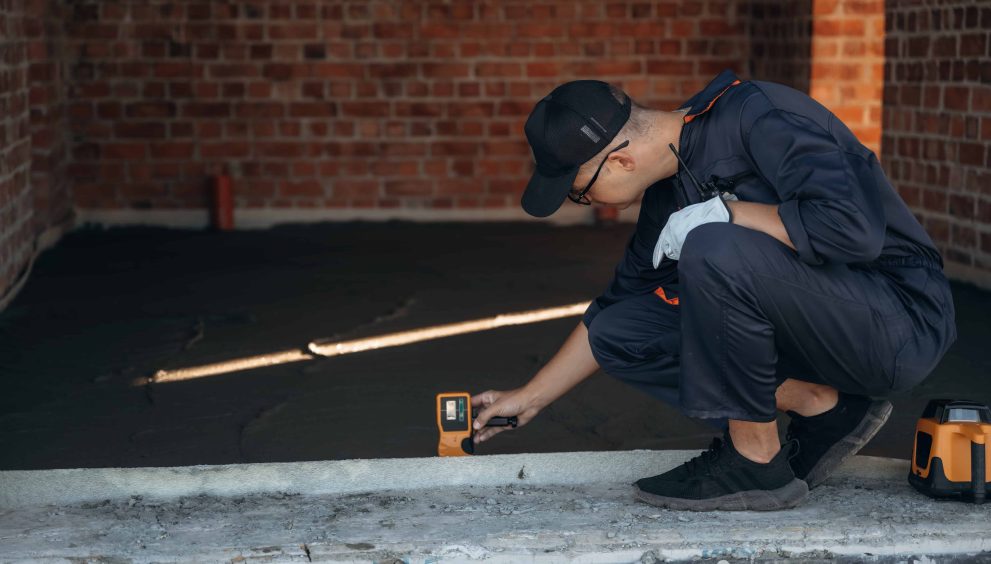
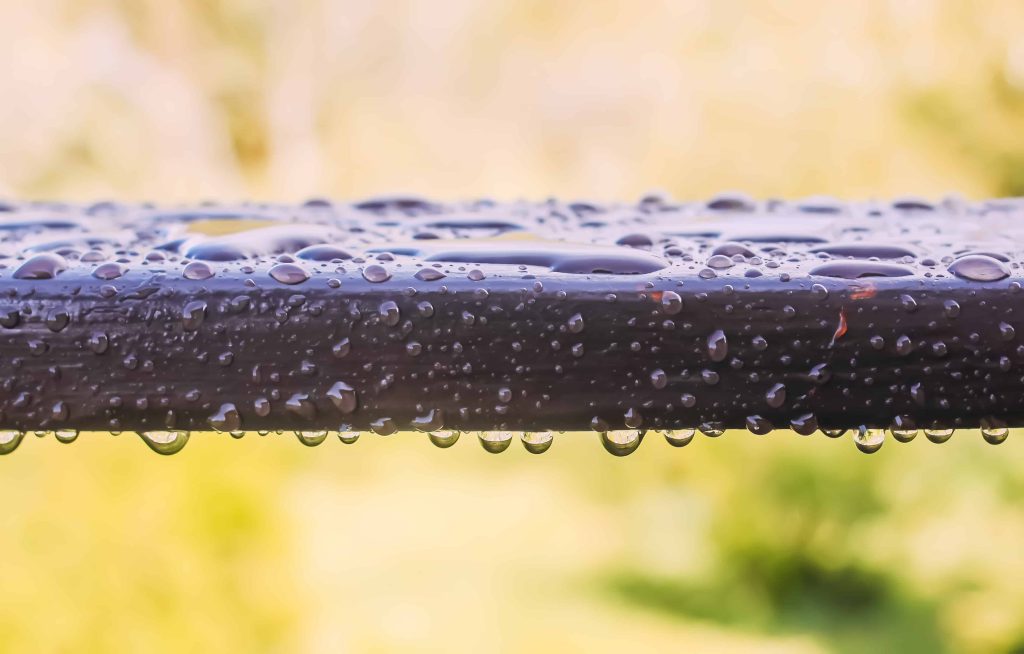
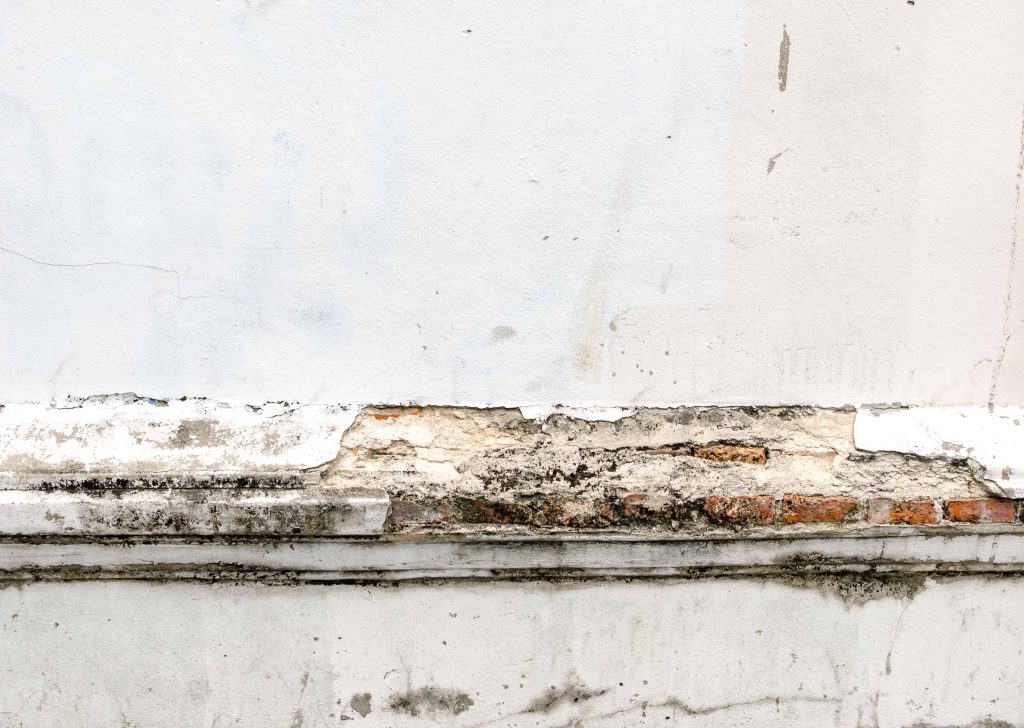
Basement waterproofing is especially important for Chicago homeowners because the city’s weather conditions—heavy rainfall, snowmelt, and shifting soil—can easily cause water to enter below-ground spaces. Over time, this leads to damp walls, mold growth, and even foundation damage if not properly addressed. A strong waterproofing system protects your home’s structure and keeps your basement usable year-round.
Below are the most effective basement waterproofing solutions specifically suited for Chicago homes.
1. Exterior Drainage Improvements
One of the most important waterproofing solutions is controlling water before it reaches your foundation. In Chicago, improper drainage around homes is a major cause of basement leaks.
Key steps include:
- Extending downspouts away from the house
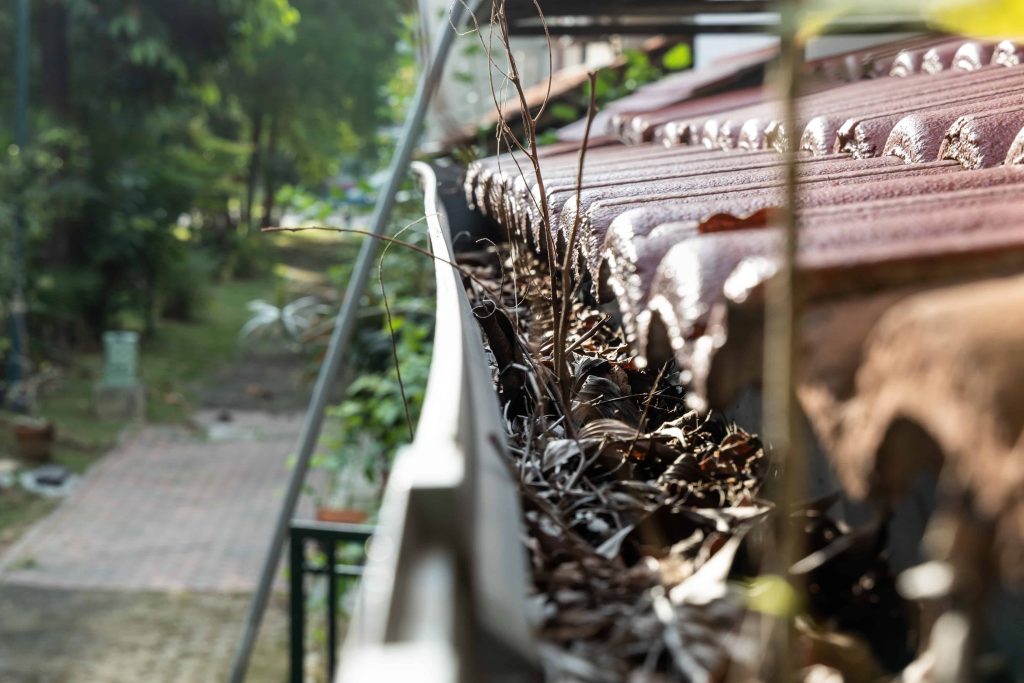
- Cleaning and maintaining gutters regularly
- Ensuring soil slopes away from the foundation
- Installing surface drains in water-prone areas
When rainwater is directed away from the home, pressure on basement walls is significantly reduced, lowering the risk of seepage and cracks.
2. Foundation Crack Repair
Even small cracks in basement walls or floors can allow water to enter, especially during heavy rain or snowmelt cycles common in Chicago.
Effective repair methods:
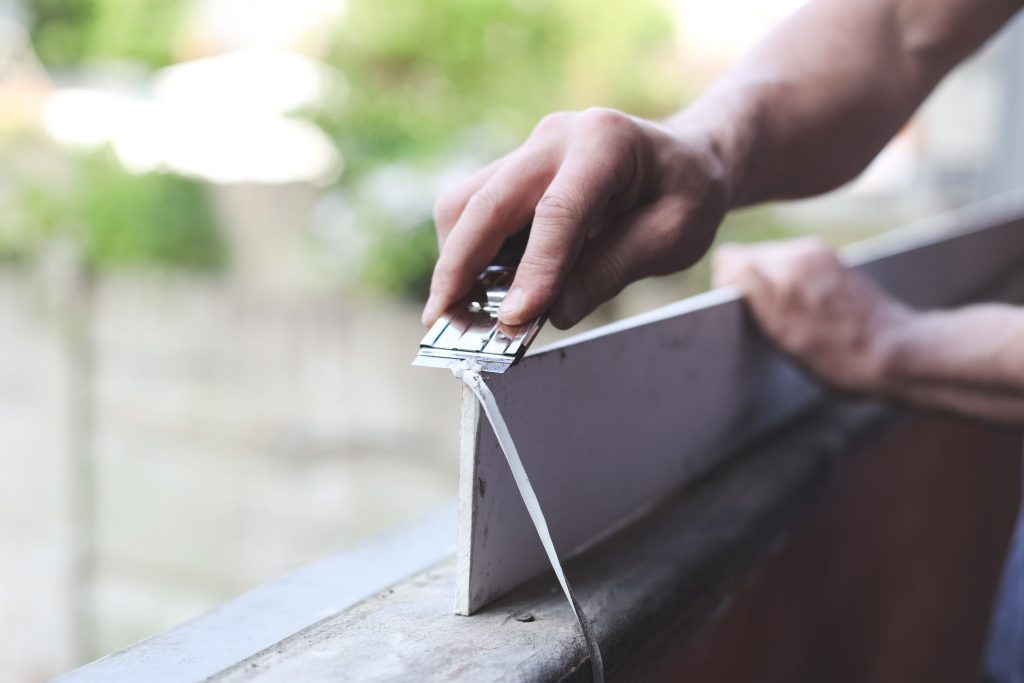
- Hydraulic cement for surface cracks
- Epoxy injections for structural cracks
- Polyurethane sealing for active leaks
Sealing cracks not only stops water intrusion but also strengthens the foundation and prevents long-term deterioration.
3. Interior Drainage Systems (French Drains)
Interior drainage systems are one of the most widely used solutions for existing homes in Chicago. These systems manage water that enters through walls or floor joints.
A typical setup includes:
- A perimeter drain installed beneath the basement floor
- Gravel channels that collect incoming water
- A sump pump that removes water outside the home
According to industry methods used in Chicago, interior French drains help control water pressure and redirect moisture away efficiently from basement spaces.
This solution is especially useful for finished basements where exterior excavation is not practical.
4. Sump Pump Installation
A sump pump is a critical defense system for Chicago basements, especially during heavy storms or rapid snowmelt.
How it works:
- Water collects in a sump pit at the lowest point
- The pump activates automatically when water rises
- It removes water away from the foundation through discharge pipes
Sump pumps are widely recommended because they provide active protection against flooding and help prevent long-term water buildup.
Many homeowners also install battery backups to ensure protection during power outages.
5. Interior Wall Sealants and Waterproof Coatings
Interior waterproof coatings add an extra layer of protection against minor moisture seepage.
Common options include:
- Masonry waterproof paint
- Cement-based sealers
- Elastomeric wall coatings
These materials create a moisture-resistant barrier that helps reduce dampness and improve basement air quality. While they are not a full solution for severe leaks, they are highly effective when combined with drainage systems.
6. Vapor Barriers and Moisture Control
Chicago basements often suffer from high humidity due to seasonal temperature changes. Vapor barriers help reduce moisture transfer through walls and floors.
Solutions include:
- Plastic vapor barrier sheets
- Foam insulation panels with moisture resistance
- Sealed wall systems for finished basements
Adding a dehumidifier further improves humidity control and prevents mold growth, especially during humid summer months.
7. Exterior Waterproofing Membranes (Long-Term Solution)
For long-term protection, exterior waterproofing is one of the most effective—but also most extensive—solutions.
This process involves:
- Excavating soil around the foundation
- Cleaning and repairing exterior walls
- Applying waterproof membranes or coatings
- Installing exterior drainage boards
- Backfilling with gravel for proper drainage
This method stops water before it reaches the foundation walls, making it one of the strongest waterproofing systems available for Chicago homes.
8. Proper Landscaping and Yard Grading
Many basement water problems in Chicago start outside the home due to poor yard design.
Improvements include:
- Sloping soil away from the house
- Avoiding flower beds against foundation walls
- Using gravel instead of soil near basement walls
- Preventing water pooling near the home
Good landscaping acts as a natural barrier against water infiltration.
9. Dehumidifiers and Ventilation Systems
Even with structural waterproofing, humidity control is essential in Chicago basements.
Recommended solutions:
- High-capacity dehumidifiers
- Proper HVAC ventilation systems
- Exhaust fans for airflow
- Regular air circulation maintenance
These systems help maintain healthy indoor air quality and prevent mold formation.
10. Choosing the Right Waterproofing Combination
No single solution works for every Chicago home. The best results usually come from combining multiple methods:
- Drainage + sump pump for water removal
- Crack sealing for structural protection
- Vapor barriers for moisture control
- Exterior improvements for prevention
This layered approach ensures long-term protection against Chicago’s unpredictable weather conditions.
Conclusion
Basement waterproofing in Chicago requires a smart, multi-layered approach due to the city’s heavy rainfall, freeze-thaw cycles, and soil conditions. Solutions like sump pumps, interior French drains, crack sealing, and exterior drainage improvements work together to keep basements dry and safe.
By investing in the right waterproofing system, homeowners can prevent costly damage, protect their foundation, and turn their basement into a clean, usable living space for years to come.