

 English








How to Choose Basement Flooring That Lasts
-
Admin_Renovators / 5 months
- April 15, 2026
- 0
- 4 min read

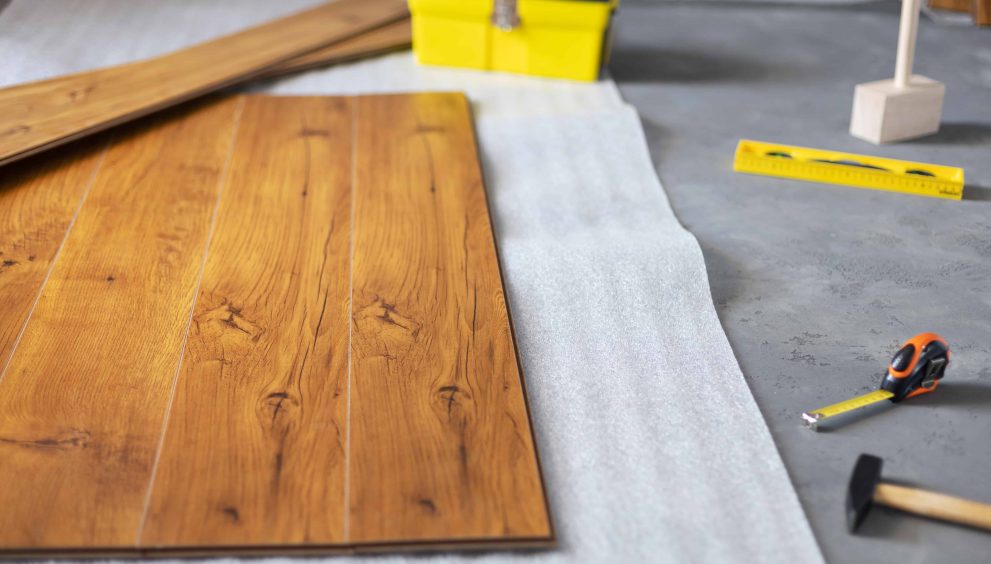
Choosing basement flooring is very different from choosing flooring for other parts of your home. Since basements are below ground level, they naturally deal with moisture, temperature fluctuations, and concrete subfloors. If you choose the wrong material, it can warp, crack, or develop mold over time.
To make a smart investment, you need flooring that is not only attractive but also durable, moisture-resistant, and low-maintenance. This guide will help you understand how to choose basement flooring that truly lasts.
1. Understand Basement Conditions First
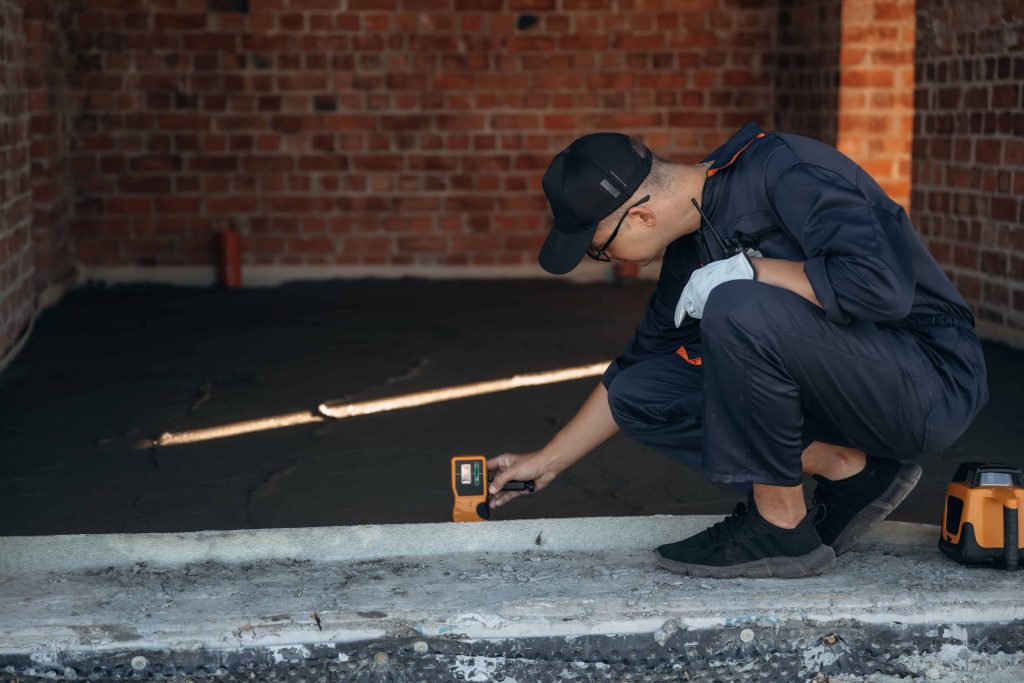
Before selecting flooring, you need to evaluate the condition of your basement. This step is often overlooked but is extremely important.
Check for:
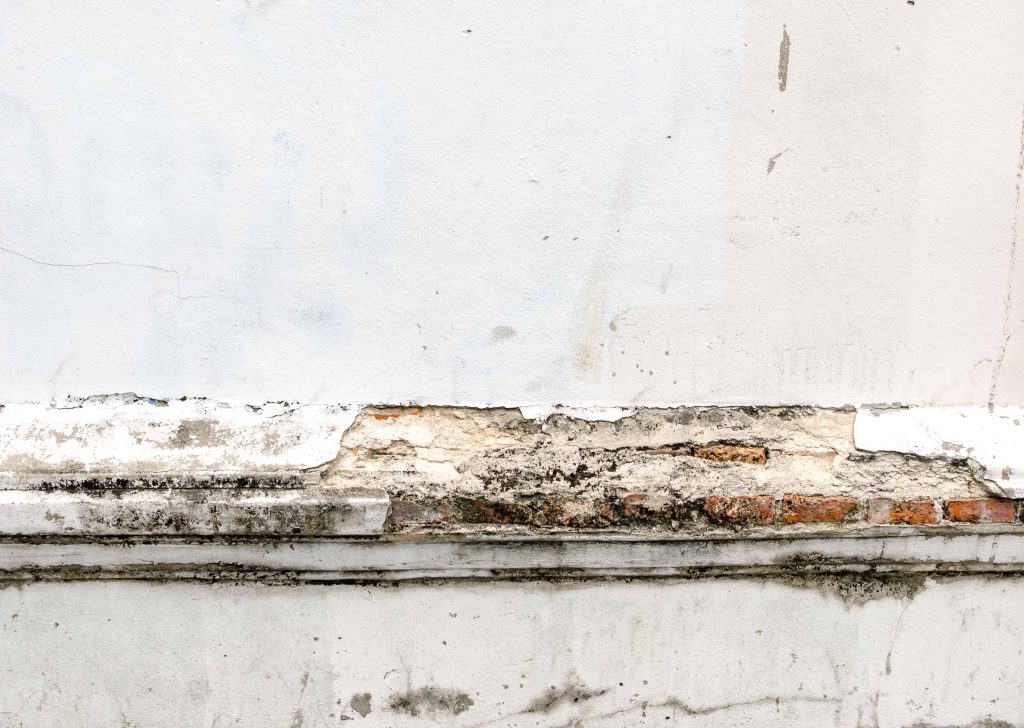
- Moisture or damp walls
- Water leaks or seepage
- Humidity levels
- Cracks in concrete floors
If your basement has moisture issues, fix them first through waterproofing. Even the best flooring will fail if installed over a damp or leaking surface.
2. Always Prioritize Moisture Resistance
The most important rule for basement flooring is simple: moisture resistance comes first.
Basements are prone to:
- Groundwater seepage
- Condensation
- Flooding risks
- High humidity levels
Because of this, flooring materials must be able to handle moisture without damage.
Best moisture-resistant options include:
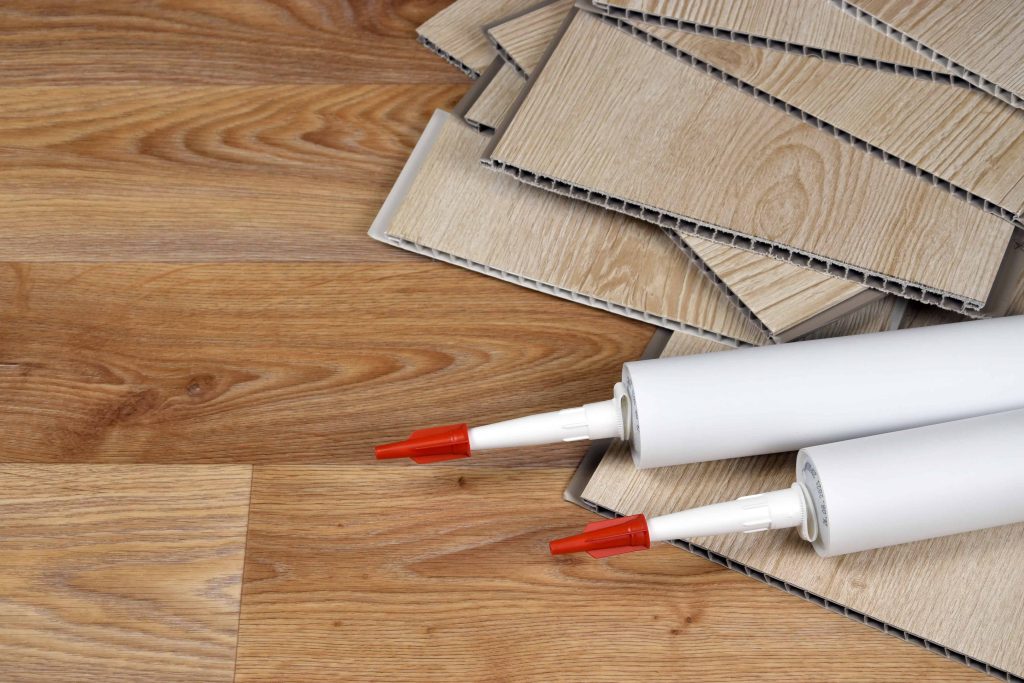
- Luxury vinyl plank (LVP)
- Porcelain or ceramic tile
- Epoxy flooring
- Rubber flooring
These materials are designed to withstand wet environments and remain stable over time.
3. Choose Durable Materials for Long-Term Use
Durability is key if you want flooring that lasts for years without replacement or repair. Basement flooring should handle heavy use, furniture weight, and temperature changes.
Highly durable options include:
- Porcelain tile: Extremely strong and water-resistant
- Epoxy flooring: Seamless and resistant to stains
- Luxury vinyl plank: Flexible and impact-resistant
- Polished concrete: Long-lasting with minimal maintenance
Avoid materials that easily scratch, swell, or absorb moisture.
4. Consider Comfort and Insulation
Basement floors are usually cold because they sit on concrete. If comfort is important—especially for bedrooms or living areas—you should choose flooring that adds warmth and softness.
Comfort-friendly options:
- Carpet tiles (moisture-resistant versions)
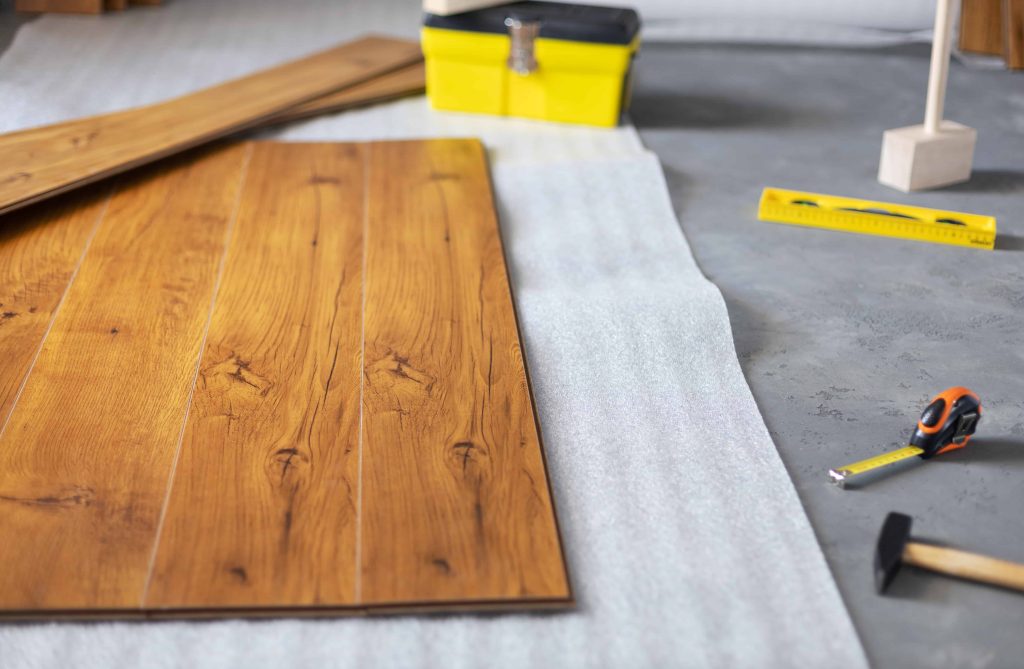
- Luxury vinyl plank with underlayment
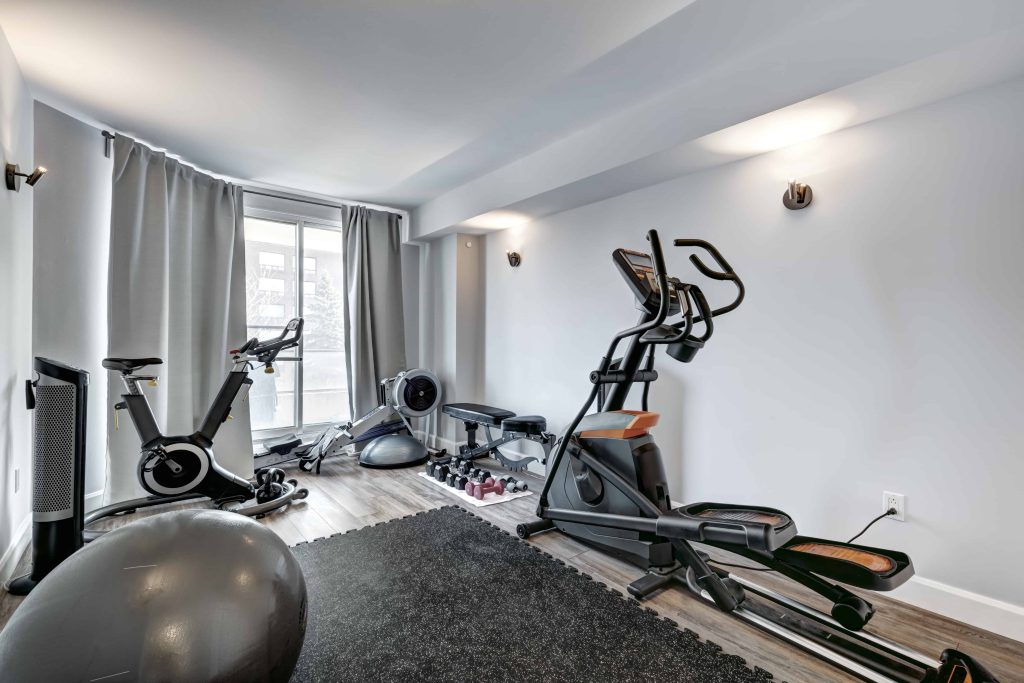
- Rubber flooring for gyms
- Area rugs over hard surfaces
Adding an underlayment layer can also improve insulation and reduce cold transfer from concrete.
5. Evaluate Installation Requirements
Some flooring types are easier and more affordable to install than others. This can significantly impact your total renovation cost.
Easy installation options:
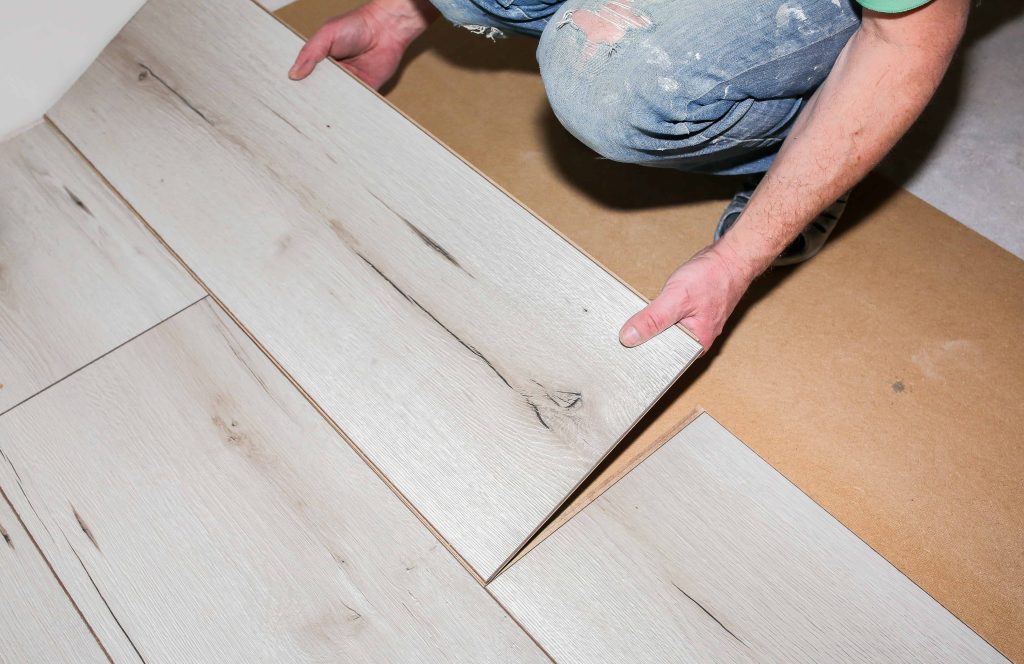
- Click-lock vinyl planks
- Carpet tiles
- Floating floors
More complex installation:
- Ceramic or porcelain tile (requires professional work)
- Epoxy flooring (needs surface preparation and curing time)
If you’re on a budget, choose flooring that can be installed over concrete without major modifications.
6. Think About Maintenance Needs
Long-lasting flooring should also be easy to maintain. Basements are not areas you want to constantly repair or deep clean.
Low-maintenance options:
- Vinyl flooring (easy to mop and clean)
- Epoxy surfaces (resistant to stains)
- Tile flooring (simple cleaning, but grout needs care)
- Rubber flooring (quick wipe-down maintenance)
Avoid materials that require frequent sealing, polishing, or special treatments.
7. Match Flooring with Basement Use
Different basement uses require different flooring solutions. One material does not fit every purpose.
Here’s a quick guide:
- Living room / lounge: Luxury vinyl plank or carpet tiles
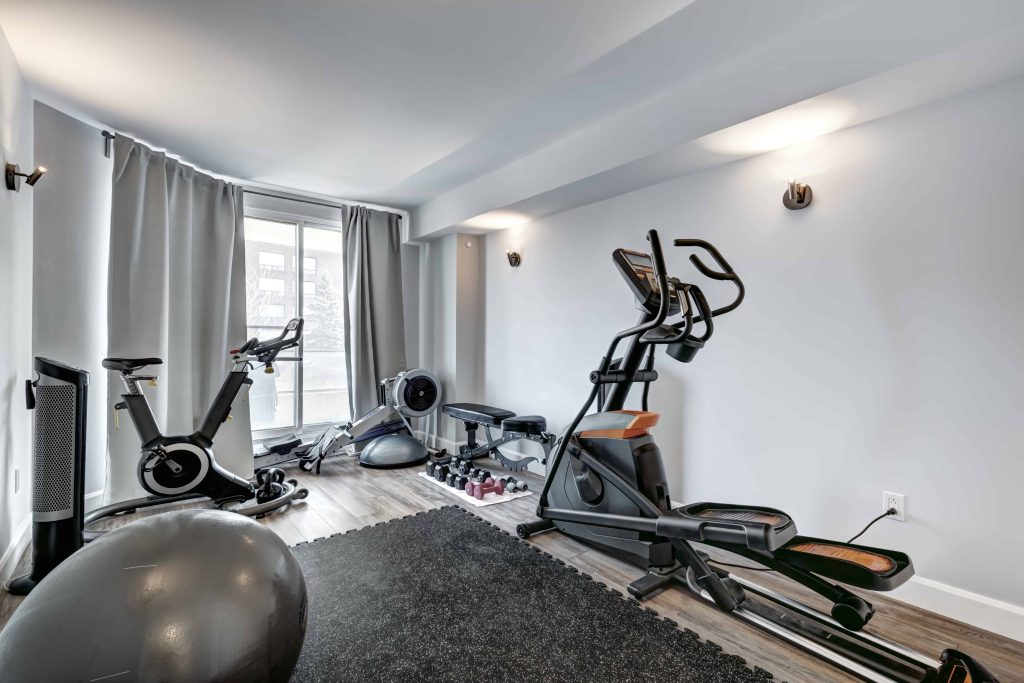
- Home gym: Rubber flooring
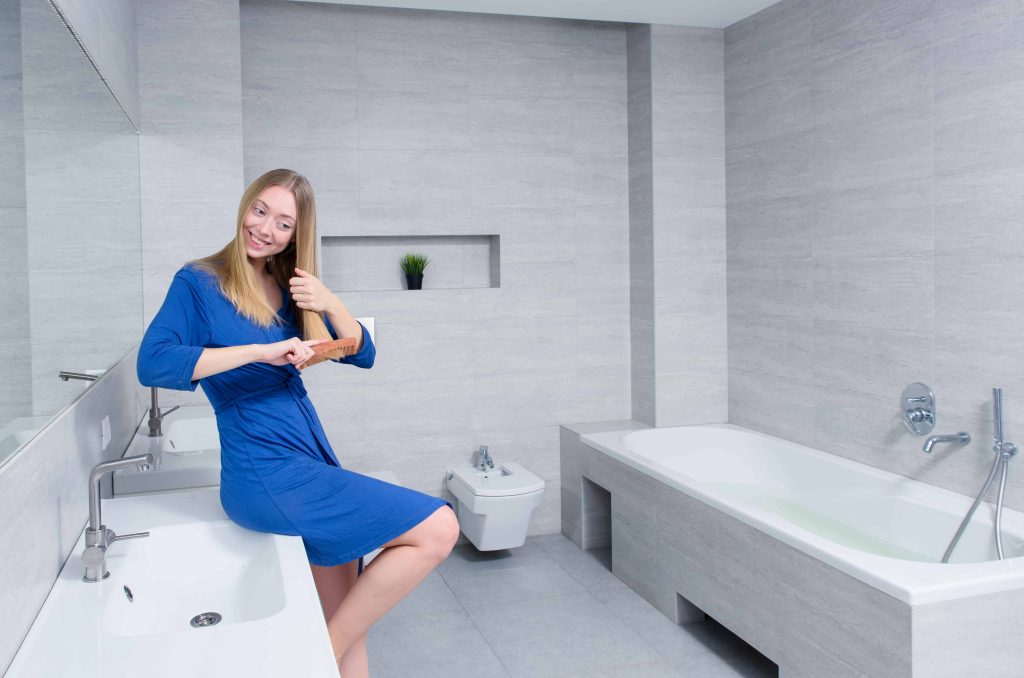
- Bathroom / laundry area: Porcelain tile or epoxy
- Office space: Vinyl plank or laminate with moisture protection
- Storage/utility area: Concrete or epoxy flooring
Choosing based on function ensures better performance and longer lifespan.
8. Avoid Flooring That Fails in Basements
Some materials look good but are not suitable for below-ground spaces.
Avoid:
- Solid hardwood (warps with moisture)
- Standard laminate (swells easily)
- Low-quality carpet (traps moisture and mold)
- Unsealed wood flooring (high maintenance and risk)
Even small moisture exposure can permanently damage these materials.
9. Don’t Skip Underlayment and Vapor Barriers
Even the best flooring can fail without proper installation layers. A vapor barrier or underlayment protects flooring from moisture rising through concrete.
Benefits include:
- Preventing moisture damage
- Improving insulation
- Reducing noise
- Increasing flooring lifespan
This step is especially important in older basements or humid regions.
10. Balance Budget with Long-Term Value
It may be tempting to choose the cheapest option, but basement flooring is a long-term investment. Cheap materials often lead to frequent repairs or replacement.
Instead, focus on:
- Mid-range durable materials
- Long warranty products
- Moisture-tested flooring systems
Spending slightly more upfront can save significant costs in the future.
Conclusion
Choosing basement flooring that lasts requires careful planning and smart material selection. The key factors are moisture resistance, durability, comfort, and proper installation. Options like luxury vinyl plank, tile, epoxy, and rubber flooring offer the best long-term performance in basement environments.
By understanding your basement conditions and matching flooring to its use, you can create a space that is not only beautiful but also strong, practical, and built to last for years.