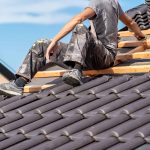
Your roof is your home’s first line of defense against rain, wind, heat, and storms. When it starts failing, the damage doesn’t stay limited to the roof itself—it can quickly spread to walls, ceilings, insulation, and even your home’s foundation. That’s why recognizing the warning signs early is essential. In many cases, repairs are not enough, and a full roof replacement becomes urgent.
Below are the most important signs that your roof may need immediate replacement rather than temporary fixes.
1. Your Roof Is Near or Past Its Lifespan
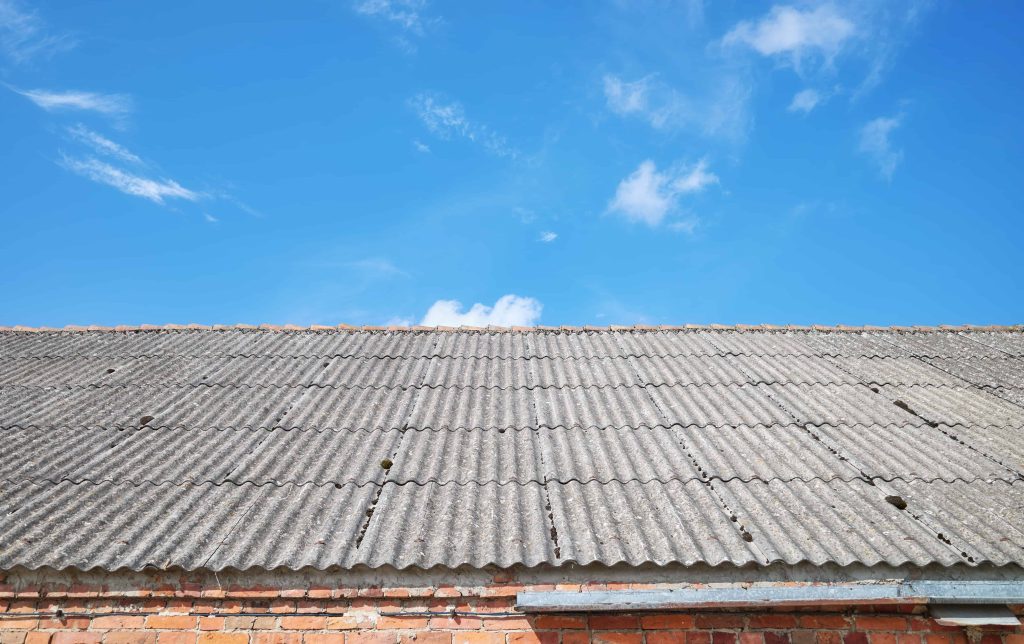
Every roofing material has a limited lifespan. Asphalt shingles typically last 20–30 years, while metal, tile, or premium materials may last longer.
If your roof is approaching or has already exceeded its expected lifespan, it becomes significantly more vulnerable to failure—even if it still looks acceptable from the ground.
A roof at the end of its life often has hidden weaknesses that cannot be fully repaired. In this case, replacement is the safest and most cost-effective option.
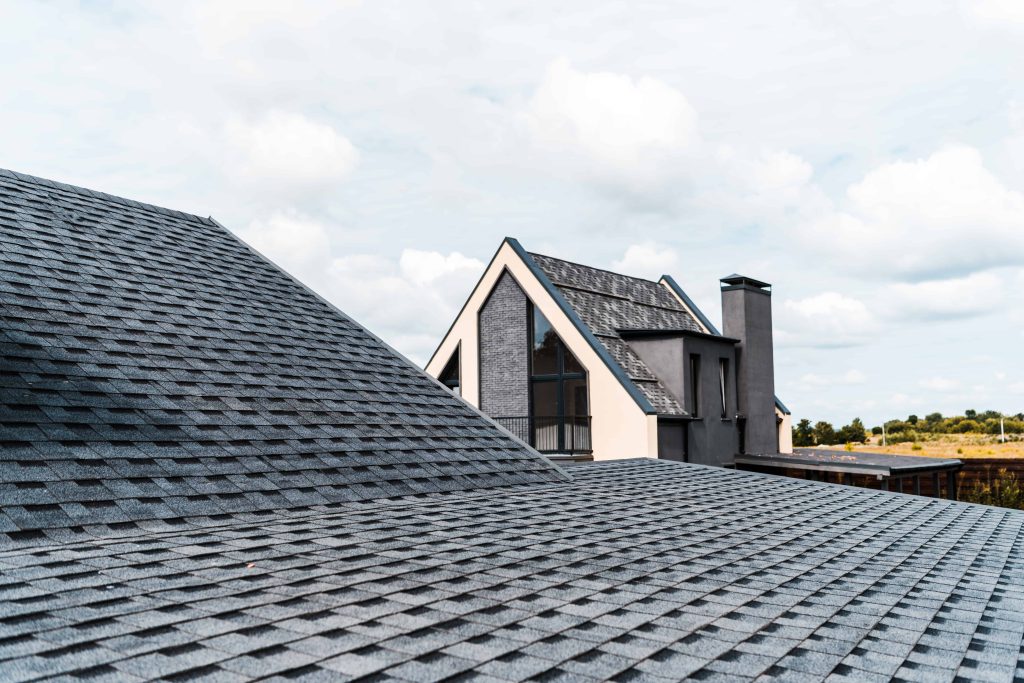
2. Widespread Shingle Damage or Loss
A few missing shingles after a storm can usually be repaired. However, if you notice widespread damage such as:
- Large areas of missing shingles
- Curling or buckling shingles
- Bald spots where granules are gone
- Cracked or broken shingles across multiple sections
this is a strong sign that the entire roofing system is deteriorating.
Shingles protect your roof from water penetration. Once they fail on a large scale, leaks become inevitable, and replacement is often the only long-term solution.
3. Frequent and Recurring Leaks
One of the most obvious warning signs is persistent leaking inside your home. Water stains on ceilings or walls, damp insulation, or dripping during rainfall indicate serious roofing failure.
If you’ve already repaired leaks multiple times but they keep returning, the underlying roof structure may be compromised.
Recurring leaks often mean:
- Underlayment failure
- Widespread water intrusion
- Structural damage beneath shingles
At this stage, patch repairs will only delay the inevitable.
4. Sagging Roof Structure
A sagging roof is a major red flag and often indicates structural damage. This can be caused by:
- Long-term water damage
- Rotting roof decking
- Weak or damaged support beams
- Excess weight from moisture or multiple roofing layers
A sagging roof is not just a cosmetic issue—it is a safety risk. It requires immediate professional attention and usually a full replacement.
5. Mold, Moss, or Algae Growth
While some moss or algae can be cleaned, excessive growth is a sign of trapped moisture. When water remains on your roof for too long, it can weaken shingles and lead to rot.
Look for:
- Green moss spreading across shingles
- Black algae streaks
- Mold growth in attic spaces
These issues indicate poor drainage or aging materials that are no longer protecting your home properly. In advanced cases, replacement is the best solution.
6. Daylight Visible Through the Roof Boards
If you can see sunlight coming through your attic roof boards, it means there are gaps or holes in your roofing system. This is a serious problem.
Even small openings allow:
- Water leaks
- Heat loss
- Pest entry
- Structural weakening
Once the roof decking is compromised, repairs are no longer sufficient, and a full replacement is usually required.
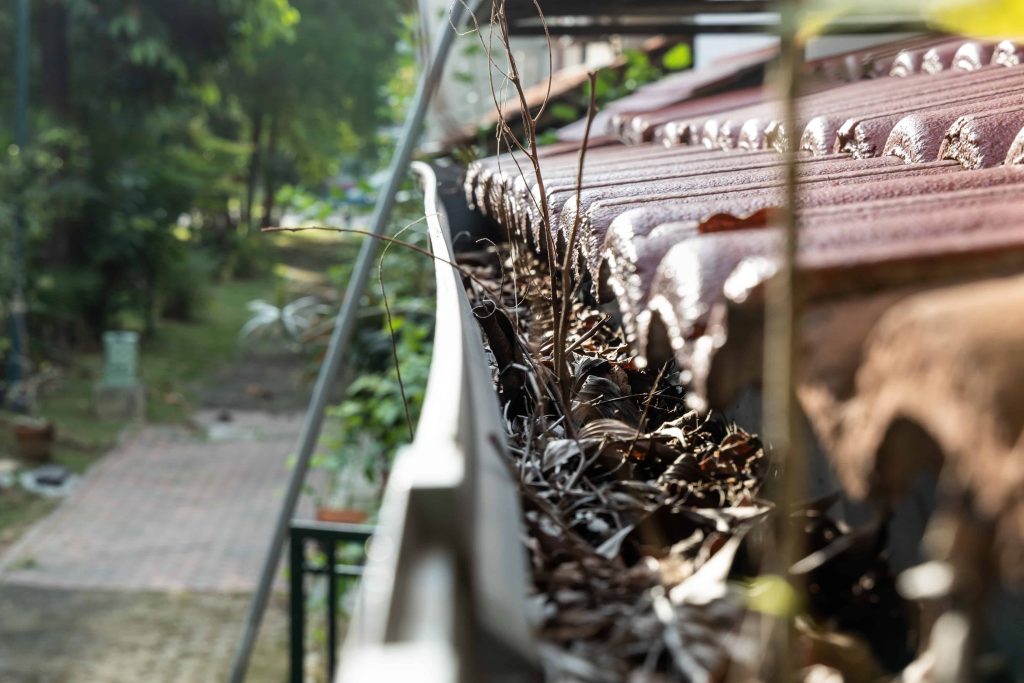
7. Granules in Gutters
As asphalt shingles age, they begin to lose their protective granules. If you notice large amounts of granules collecting in your gutters or downspouts, it means your shingles are deteriorating.
Granule loss leads to:
- Reduced UV protection
- Faster aging of shingles
- Increased vulnerability to leaks
When this becomes widespread, it is a strong indicator that roof replacement is necessary.
8. Rising Energy Bills
A failing roof can affect your home’s insulation and ventilation. If your roof is no longer properly sealing your home, you may notice:
- Higher heating costs in winter
- Increased cooling costs in summer
- Uneven indoor temperatures
This happens because air escapes through damaged roofing layers. A new roof improves energy efficiency and helps stabilize indoor temperatures.
9. Multiple Roofing Layers Already Installed
Some homes have had new shingles installed over old ones. While this can be acceptable once, multiple layers can cause problems such as:
- Excess weight on the structure
- Hidden damage beneath layers
- Reduced effectiveness of repairs
If your roof already has multiple layers, a full replacement is often the only proper solution.
10. Storm or Hail Damage
Severe weather can cause significant roof damage that isn’t always visible from the ground. Hail can weaken shingles, and strong winds can loosen large sections.
After a major storm, look for:
- Bruised or dented shingles
- Missing sections
- Damaged flashing or gutters
If damage is widespread, replacing the roof ensures your home is fully protected before the next storm hits.
Why Immediate Replacement Matters
Delaying roof replacement when these signs are present can lead to serious consequences:
- Interior water damage
- Mold growth inside walls and ceilings
- Structural weakening of your home
- Higher repair costs over time
- Reduced property value
A failing roof doesn’t improve on its own—it only gets worse. Acting early protects both your home and your finances.
Final Thoughts
Your roof won’t fail overnight, but the warning signs often appear gradually. If you notice multiple issues such as widespread shingle damage, leaks, sagging, or visible structural wear, it’s likely time for a full replacement rather than continued repairs.
While replacement is a significant investment, it provides long-term security, energy efficiency, and peace of mind. A strong, new roof ensures your home stays safe, dry, and protected for decades to come.
 English