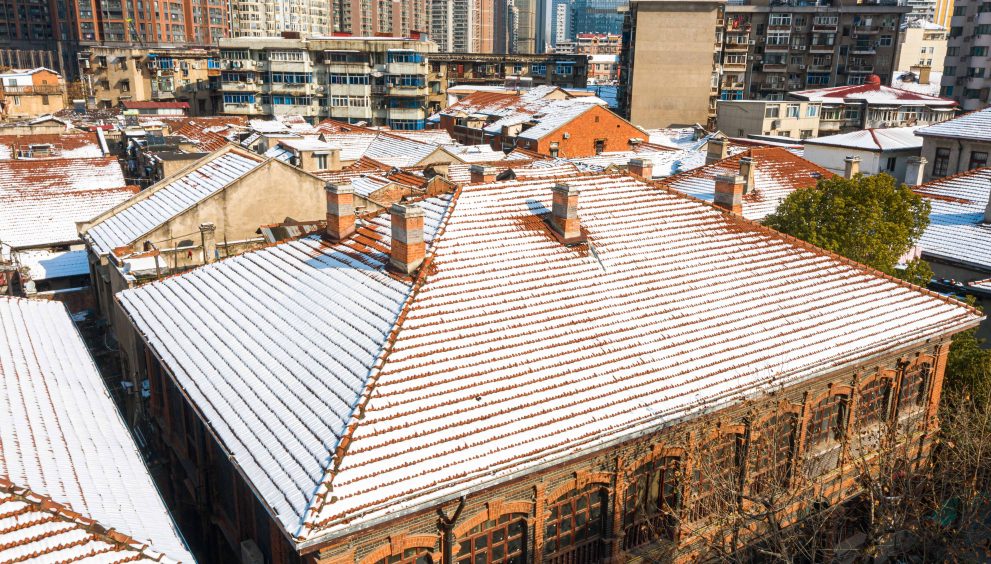
Chicago winters are no joke. Between heavy snowfall, freezing temperatures, strong winds, and repeated freeze–thaw cycles, your roof goes through extreme stress for several months each year. Choosing the right roofing material isn’t just about appearance—it’s about durability, insulation, and long-term protection for your home.
If your roof isn’t built for harsh winters, you may face leaks, ice dams, heat loss, and costly repairs. That’s why selecting the right roofing material is one of the most important decisions for homeowners in Chicago.
Below is a detailed guide to the best roofing materials that perform well in harsh Chicago winter conditions.
1. Asphalt Shingles (Most Popular Choice)
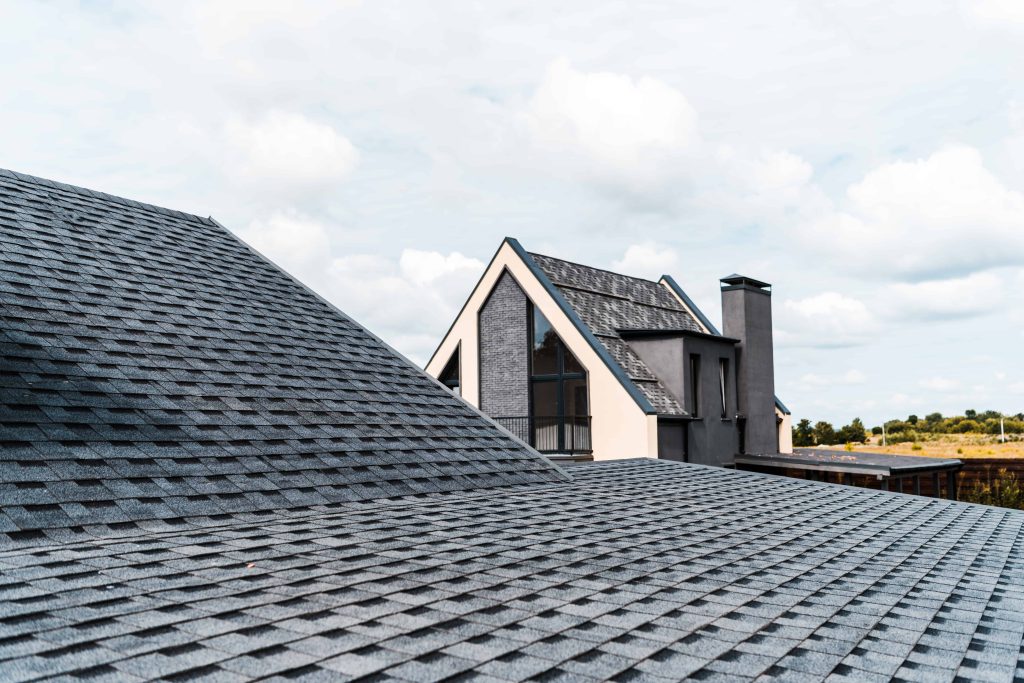
Asphalt shingles are the most commonly used roofing material in Chicago and across the United States—and for good reason. They offer a strong balance of affordability, durability, and winter performance.
Why they work well in Chicago:
- Designed to handle cold temperatures
- Flexible enough to resist cracking during freeze–thaw cycles
- Easy to repair after storm damage
- Good water resistance when properly installed
Lifespan:
Typically 20–30 years, depending on quality and maintenance.
Pros:
- Budget-friendly
- Widely available
- Easy installation and repair
Cons:
- Shorter lifespan compared to premium materials
- Can be damaged by severe hail or wind
For most homeowners, architectural asphalt shingles are the best starting point due to their improved durability over basic 3-tab shingles.
2. Metal Roofing (Best for Snow and Ice)
Metal roofing is one of the best-performing materials for harsh winter climates like Chicago. It is especially effective at shedding snow and preventing ice buildup.
Why it works well:
- Snow slides off easily, reducing roof load
- Resistant to cracking in freezing temperatures
- Excellent durability against wind and hail
- Reflects heat, improving energy efficiency
Lifespan:
40–70 years depending on the type of metal.
Pros:
- Extremely long-lasting
- Low maintenance
- Energy efficient in both winter and summer
Cons:
- Higher upfront cost
- Can be noisy without proper insulation
Metal roofs are ideal for homeowners looking for long-term investment and maximum winter protection.
3. Slate Roofing (Premium Durability Option)
Slate roofing is one of the most durable roofing materials available and performs exceptionally well in extreme weather conditions, including harsh winters.
Why it works well:
- Naturally resistant to water and ice
- Extremely durable under freezing conditions
- Heavy weight helps resist wind uplift
Lifespan:
75–100+ years (often lasts a lifetime)
Pros:
- Exceptional longevity
- Beautiful natural appearance
- Very low maintenance
Cons:
- Very expensive
- Heavy (requires strong roof structure)
- Difficult to install or repair
Slate is best suited for high-end homes or historic properties in Chicago.
4. Synthetic Roofing Materials (Modern Alternative)
Synthetic roofing materials, such as rubber, polymer, or composite shingles, are designed to mimic natural materials like slate or wood while offering better performance in extreme weather.
Why they work well:
- Flexible in freezing temperatures
- Resistant to cracking and impact damage
- Lightweight yet durable
- Designed to handle snow and moisture efficiently
Lifespan:
30–50 years depending on product quality.
Pros:
- Lightweight and strong
- Good resistance to weather damage
- Lower maintenance than natural materials
Cons:
- Can be expensive depending on brand
- Quality varies between manufacturers
Synthetic roofing is becoming increasingly popular in regions like Chicago due to its balance of durability and modern performance.
5. Modified Bitumen (Best for Flat Roofs)
For homes or buildings with flat or low-slope roofs, modified bitumen is one of the best materials for winter protection.
Why it works well:
- Designed specifically for low-slope roofs
- Excellent waterproofing properties
- Handles temperature fluctuations well
- Strong resistance to cracking
Lifespan:
20–30 years
Pros:
- Strong water resistance
- Good for snow accumulation areas
- Cost-effective for flat roofs
Cons:
- Requires professional installation
- Not suitable for steep roofs
Modified bitumen is commonly used on garages, extensions, and commercial buildings in Chicago.
Key Features to Look for in Winter-Ready Roofing
No matter what material you choose, certain features are essential for surviving Chicago winters:
1. Proper Insulation
Good insulation prevents heat loss and reduces ice dam formation.
2. Ventilation System
Proper airflow keeps roof temperatures balanced and reduces moisture buildup.
3. Ice and Water Shield
A protective membrane under shingles helps prevent leaks from melting snow.
4. Strong Flashing
Flashing around chimneys, vents, and skylights must be sealed tightly to prevent water intrusion.
What Causes Roof Problems in Chicago Winters?
Understanding the risks helps you choose better materials:
- Freeze–thaw cycles that crack shingles
- Ice dams forming at roof edges
- Heavy snow load stressing roof structure
- Wind-driven rain entering weak spots
A poorly chosen roof material can lead to frequent repairs and interior water damage.
Final Thoughts
Chicago winters demand roofing materials that are strong, flexible, and weather-resistant. While asphalt shingles remain the most popular and affordable choice, metal and synthetic roofing systems offer superior long-term performance. For premium durability, slate remains unmatched, while modified bitumen is ideal for flat roofs.
The best choice depends on your budget, home design, and long-term goals. However, investing in a winter-ready roofing system is not optional in Chicago—it’s essential for protecting your home, improving energy efficiency, and avoiding costly damage year after year.
 English