
 English









Best Home Siding Materials for Modern Houses
-
Admin_Renovators / 5 months
- April 16, 2026
- 0
- 4 min read

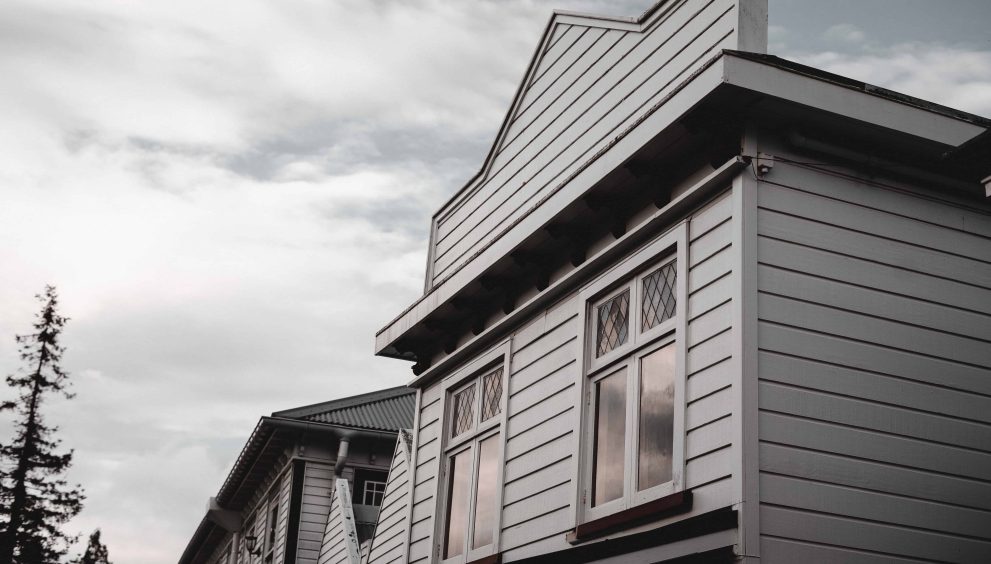
Choosing the right siding for a modern home is one of the most important design decisions you can make. Siding doesn’t just define the look of your house—it also protects it from weather, improves insulation, and increases long-term value. For modern architecture, homeowners usually look for clean lines, low maintenance, durability, and energy efficiency.
Below are the best siding materials that perfectly match modern house designs and perform well in today’s demanding climates.
1. Fiber Cement Siding (Best Overall for Modern Homes)
Fiber cement is widely considered the top choice for modern houses due to its balance of style and performance. It is made from cement, sand, and cellulose fibers, giving it a strong and long-lasting structure.
Why it’s perfect for modern homes:
- Clean, smooth panels create a minimalist look
- Available in large formats for sleek architectural lines
- Resistant to fire, moisture, insects, and rot
- Can mimic wood, stone, or stucco finishes
Fiber cement works especially well with modern design trends that emphasize flat surfaces, neutral colors, and geometric shapes. It is also highly durable, making it ideal for long-term use in various climates.
Lifespan:
30–50 years with proper maintenance
2. Metal Siding (Best for Ultra-Modern and Industrial Designs)
Metal siding, usually made from aluminum or steel, is becoming extremely popular in modern architecture. It offers a bold, contemporary, and sometimes industrial look that fits minimalist homes perfectly.
Why it’s great:
- Extremely durable and weather-resistant
- Fire-resistant and pest-proof
- Requires very low maintenance
- Available in sleek matte or metallic finishes
Metal siding is especially good for homeowners who want a striking, architectural exterior with sharp lines and a premium modern feel.
Lifespan:
40–70 years
3. Vinyl Siding (Best Budget-Friendly Modern Option)
Vinyl siding is one of the most affordable and widely used siding materials. While it is more common in traditional homes, modern designs are now using vertical and smooth-panel vinyl for a cleaner look.
Why it works:
- Cost-effective and easy to install
- Low maintenance—no painting required
- Available in many modern colors like white, gray, and black
- Resistant to moisture and insects
Modern vinyl siding styles now include vertical panels and minimal textures that suit contemporary architecture.
Lifespan:
20–30 years
4. Engineered Wood Siding (Best for Natural Modern Look)
Engineered wood is a modern upgrade of traditional wood siding. It gives the warmth of natural wood while improving durability and reducing maintenance.
Why it’s popular:
- Natural wood appearance with improved strength
- Better resistance to moisture and pests
- Lightweight and easy to install
- Works well in modern farmhouse or Scandinavian styles
It’s a great option if you want a modern home that still feels warm and natural.
Lifespan:
20–40 years depending on maintenance
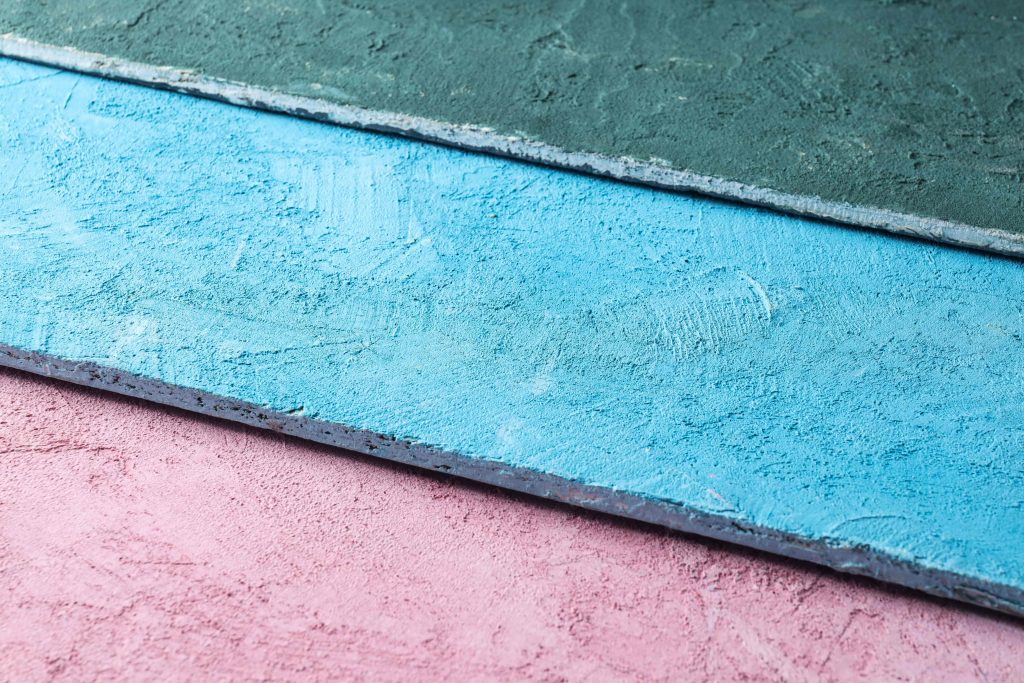
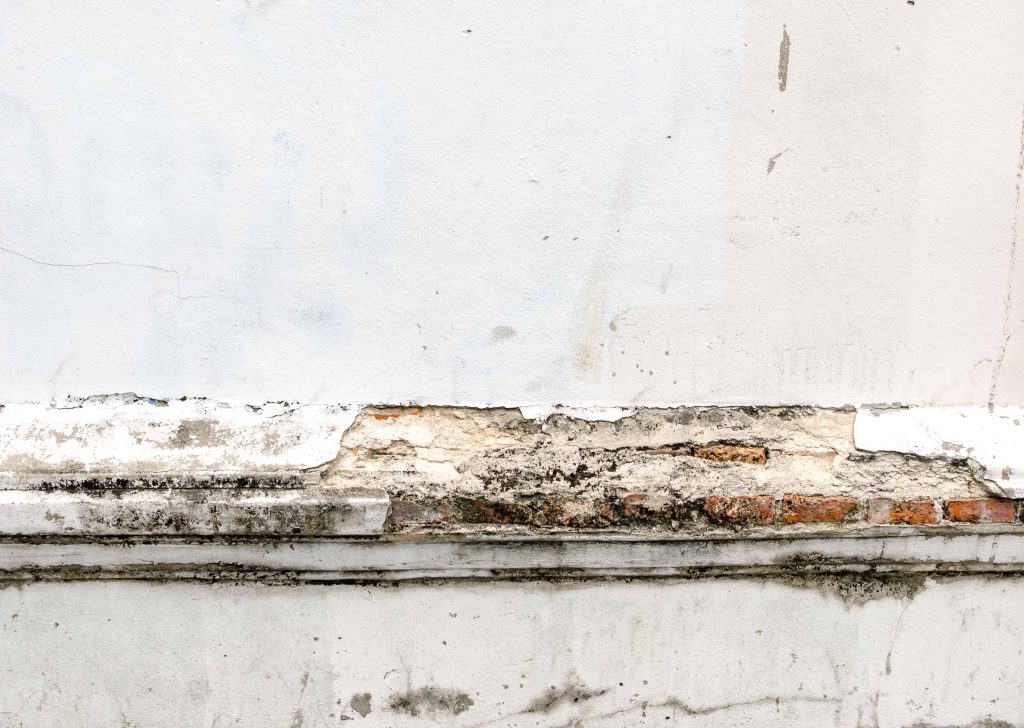
5. Stucco Siding (Best for Smooth Minimalist Finishes)
Stucco is a cement-based material that creates a smooth, seamless exterior surface. It is often used in modern and Mediterranean-style homes.
Why it fits modern homes:
- Smooth, clean surface with no visible seams
- Can be tinted in modern neutral colors
- Fire-resistant and energy efficient
- Works well with geometric architectural designs
Stucco is especially popular in warm or dry climates but can also be used in modern builds with proper installation.
Lifespan:
50+ years with maintenance
6. Brick and Stone Veneer (Best for Luxury Modern Designs)
Brick and stone veneer offer the look of natural masonry without the weight and cost of full brick construction.
Why it stands out:
- Premium, high-end appearance
- Very durable and weather-resistant
- Excellent insulation properties
- Adds strong curb appeal
Modern homes often use stone or brick veneer as accent walls combined with metal or fiber cement for a balanced design.
Lifespan:
50–100 years
Key Features of Modern Siding
When selecting siding for a modern house, focus on these important features:
1. Clean Lines
Flat or vertical panels work best for modern architecture.
2. Neutral Colors
White, black, gray, and earthy tones dominate modern design.
3. Low Maintenance
Modern homeowners prefer materials that don’t require frequent painting or repair.
4. Durability
Weather resistance is essential for long-term performance.
5. Energy Efficiency
Insulated siding or energy-efficient materials help reduce heating and cooling costs.
Which Siding Should You Choose?
Here’s a simple guide:
- Best overall: Fiber cement
- Most modern/industrial: Metal siding
- Best budget option: Vinyl siding
- Best natural look: Engineered wood
- Smooth minimalist finish: Stucco
- Luxury appearance: Brick or stone veneer
Final Thoughts
Modern homes require siding that combines style, durability, and performance. While fiber cement and metal siding are the top choices for contemporary architecture, other materials like vinyl, stucco, and engineered wood also offer great options depending on budget and design preference.
The right siding not only improves your home’s appearance but also protects it from weather damage and increases long-term value. By choosing wisely, you can create a modern exterior that stays beautiful and strong for decades.