

 English























Vinyl vs Fiber Cement Siding Comparison
-
Admin_Renovators / 5 months
- April 16, 2026
- 0
- 4 min read

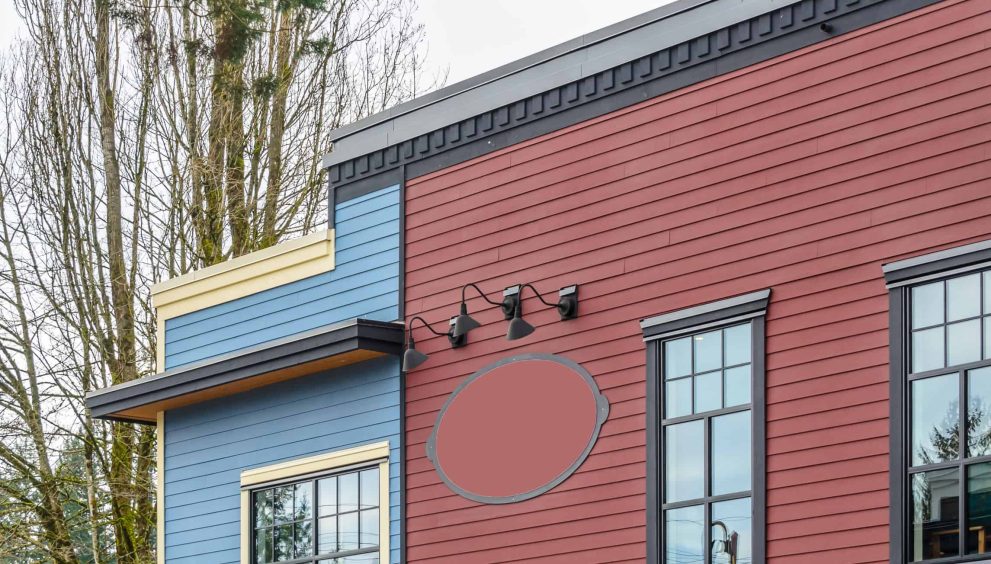
When choosing siding for a modern home, two of the most popular options are vinyl siding and fiber cement siding. Both are widely used, both are durable in their own ways, and both can significantly improve curb appeal. However, they differ in cost, lifespan, maintenance, and performance in extreme weather.
This comparison will help you clearly understand which material is better for your home based on real-world performance and long-term value.
1. What They Are Made Of
Vinyl Siding
Vinyl siding is made from PVC (plastic polymer). It is lightweight, pre-colored, and designed to snap together in panels. It is one of the most common exterior materials in residential construction due to its affordability and easy installation.
Fiber Cement Siding
Fiber cement is made from a mixture of cement, sand, and cellulose fibers. It is a dense, rigid material designed to mimic the look of wood, stucco, or masonry while offering higher durability.
2. Durability and Strength
Vinyl Siding
Vinyl is durable for everyday conditions but has limitations:
- Can crack in extreme cold
- May warp under high heat
- Less resistant to impact from hail or debris
It performs well in moderate climates but can show wear over time.
Fiber Cement Siding
Fiber cement is significantly stronger:
- Resistant to fire, rot, and insects
- Handles hail, wind, and storms better
- Does not warp or melt easily
It is widely considered a premium durability option and performs better in harsh weather conditions.
3. Lifespan Comparison
Vinyl Siding
- Average lifespan: 20–30 years
- Color is baked in, but can fade over time
- May need full replacement sooner in extreme climates
Fiber Cement Siding
- Average lifespan: 30–50+ years
- Can last even longer with maintenance
- More stable over decades of exposure
Fiber cement generally outlasts vinyl, making it a stronger long-term investment.
4. Maintenance Requirements
Vinyl Siding
Vinyl is known for being very low maintenance:
- No painting required
- Easy to clean with water
- Rarely needs repairs
However, damaged panels usually need replacement rather than repair.
Fiber Cement Siding
Fiber cement requires more upkeep:
- Needs repainting every 10–15 years
- Occasional caulking and sealing
- Heavier material makes repairs more labor-intensive
In return, it offers higher durability and a more premium finish.
5. Cost Comparison
Vinyl Siding (Budget-Friendly)
- Lower material and installation cost
- Ideal for budget-conscious homeowners
- Faster installation process
Fiber Cement Siding (Premium Option)
- Higher upfront cost (often 30–50% more than vinyl)
- More expensive installation due to weight and labor
- Better long-term value due to durability
Vinyl wins on affordability, while fiber cement wins on long-term return on investment.
6. Weather and Climate Performance
Vinyl Siding
- Performs well in moderate weather
- Can become brittle in extreme cold
- May warp in intense heat
- Can be damaged by strong impacts
Fiber Cement Siding
- Performs extremely well in harsh climates
- Resistant to temperature swings
- Handles wind, rain, and hail better
- Better moisture resistance overall
Fiber cement is the stronger choice for extreme or unpredictable weather conditions.
7. Appearance and Design
Vinyl Siding
- Wide variety of colors and textures
- Often used in traditional suburban homes
- Modern versions include vertical and smooth panels
Fiber Cement Siding
- More premium, architectural look
- Mimics real wood, stucco, or stone
- Popular in modern and luxury homes
- Holds paint well for custom designs
Fiber cement generally offers a more high-end, modern appearance.
8. Fire and Pest Resistance
Vinyl Siding
- Can melt under high heat
- Not fire-resistant
- Resistant to insects but vulnerable to heat damage
Fiber Cement Siding
- Non-combustible and fire-resistant
- Resistant to termites, pests, and rot
- Better for safety-conscious homeowners
Quick Comparison Table
| Feature | Vinyl Siding | Fiber Cement Siding |
|---|---|---|
| Cost | Lower | Higher |
| Lifespan | 20–30 years | 30–50+ years |
| Maintenance | Very low | Moderate |
| Durability | Good | Excellent |
| Weather Resistance | Moderate | High |
| Fire Resistance | Low | High |
| Appearance | Standard | Premium |
Final Verdict: Which One Is Better?
Both siding types have clear advantages, but the best choice depends on your priorities:
Choose Vinyl Siding If:
- You want a budget-friendly option
- You prefer low maintenance
- You need a quick installation
- You are upgrading a rental or starter home
Choose Fiber Cement Siding If:
- You want long-term durability
- You live in an area with harsh weather
- You prefer a premium, modern look
- You want higher resale value
Final Thoughts
Vinyl siding is practical, affordable, and low maintenance, making it a great entry-level choice. Fiber cement siding, on the other hand, offers superior durability, better weather resistance, and a more upscale appearance.
If your priority is saving money upfront, vinyl is the better choice. But if you are thinking long-term investment and maximum protection, fiber cement siding clearly comes out ahead.