
 English






How to Choose the Right Exterior Siding
-
Admin_Renovators / 5 months
- April 16, 2026
- 0
- 4 min read

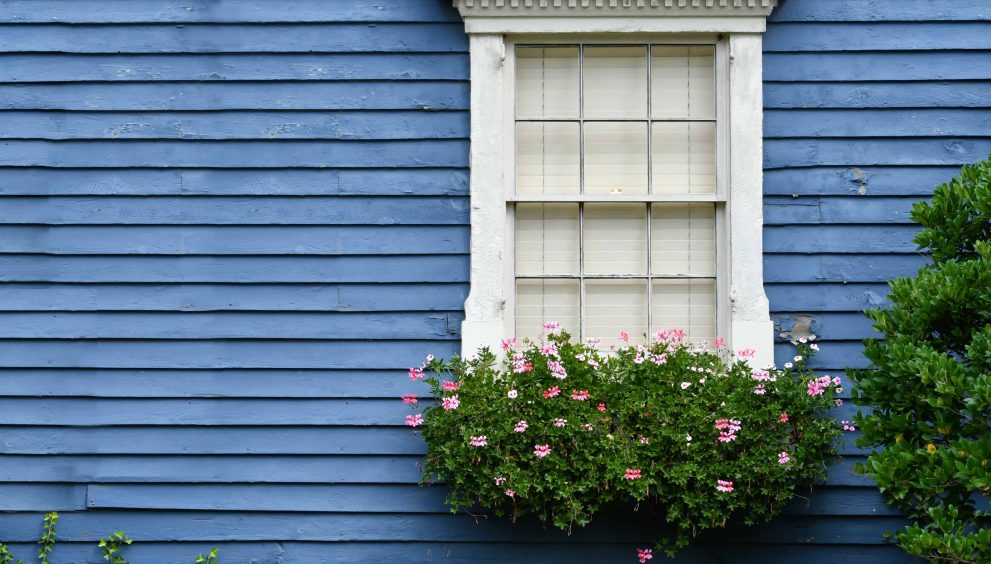
Choosing the right exterior siding is one of the most important decisions for any homeowner. Your siding is not just about appearance—it protects your home from weather, improves energy efficiency, and affects long-term maintenance costs. With so many materials available today, from vinyl to fiber cement and wood alternatives, making the right choice can feel overwhelming.
This guide will help you understand the key factors to consider so you can choose siding that fits your home’s style, climate, and budget.
1. Understand Your Climate First
The most important factor in choosing siding is your local climate. Different materials perform better under different weather conditions.
Hot and Dry Climates
- Stucco performs very well
- Fiber cement is also a strong option
- Avoid materials that fade quickly under UV exposure
Cold and Snowy Climates
- Fiber cement is highly durable
- Metal siding handles snow and freeze–thaw cycles well
- Vinyl can become brittle in extreme cold
Rainy or Humid Climates
- Fiber cement resists moisture damage
- Vinyl performs well if properly installed
- Avoid untreated wood siding
Your climate determines how long your siding will last and how often you’ll need repairs.
2. Set a Realistic Budget
Siding prices vary widely depending on material, labor, and home size.
Lower Budget Options
- Vinyl siding (most affordable)
- Engineered wood (mid-range)
Mid to High Budget Options
- Fiber cement siding
- Metal siding
Premium Options
- Natural wood siding
- Stone or brick veneer
It’s important to balance upfront cost with long-term value. Cheaper materials may require more maintenance or earlier replacement.
3. Consider Durability and Lifespan
Siding is a long-term investment, so durability matters.
Typical Lifespans:
- Vinyl siding: 20–30 years
- Fiber cement: 30–50+ years
- Engineered wood: 20–40 years
- Metal siding: 40–70 years
- Brick/stone veneer: 50–100 years
If you plan to stay in your home long-term, investing in a more durable material can save money over time.
4. Think About Maintenance Requirements
Different siding materials require different levels of upkeep.
Low Maintenance Options:
- Vinyl siding (wash occasionally)
- Metal siding (minimal care needed)
- Fiber cement (low but needs repainting every 10–15 years)
Higher Maintenance Options:
- Natural wood siding (needs sealing, painting, or staining regularly)
If you prefer a low-maintenance lifestyle, avoid materials that require frequent painting or repairs.
5. Match Siding With Your Home Style
Your siding should complement your home’s architectural design.
Modern Homes
- Fiber cement panels
- Metal siding
- Smooth vinyl panels
Traditional Homes
- Brick or stone veneer
- Lap siding (wood or fiber cement)
Farmhouse or Rustic Style
- Engineered wood
- Board-and-batten siding
- Natural wood finishes
The right siding enhances curb appeal and increases property value.
6. Energy Efficiency Matters
Good siding can improve insulation and reduce energy bills.
Energy-efficient options:
- Insulated vinyl siding
- Fiber cement with proper underlayment
- Foam-backed panels
Proper installation with a weather-resistant barrier also improves efficiency, regardless of material.
7. Weather Resistance and Protection
Your siding must protect your home from:
- Wind and storms
- Rain and moisture
- UV rays
- Insects and pests
Best performers:
- Fiber cement (excellent all-around protection)
- Metal siding (strong and weather-resistant)
- Brick/stone veneer (very durable but heavy)
If your area experiences extreme weather, prioritize strength over appearance alone.
8. Fire and Pest Resistance
Safety is another important factor often overlooked.
Highly resistant materials:
- Fiber cement (non-combustible)
- Brick and stone veneer
- Metal siding
Less resistant materials:
- Vinyl (can melt under heat)
- Wood (prone to pests and fire damage)
If fire safety is a concern in your region, choose non-combustible materials.
9. Installation Quality Is Just as Important
Even the best siding will fail if installed poorly.
Always ensure:
- Proper moisture barriers are installed
- Panels are aligned and sealed correctly
- Expansion gaps are considered
- Professional installation is used for heavy materials like fiber cement or stone
Good installation extends the life of your siding significantly.
10. Long-Term Value and Resale Impact
Siding is not just a home improvement—it’s also an investment.
High-quality siding can:
- Increase property value
- Improve curb appeal
- Reduce maintenance costs for future buyers
- Make your home easier to sell
Fiber cement, brick veneer, and metal siding often offer the best return on investment.
Final Thoughts
Choosing the right exterior siding requires balancing style, durability, maintenance, and budget. There is no single “perfect” option for every home, but there is a best choice for your specific needs.
- If you want affordability: vinyl siding is a strong choice
- If you want durability and modern style: fiber cement is ideal
- If you want luxury and long life: brick or stone veneer works best
- If you want low maintenance with strength: metal siding is excellent