
 English






























How to Achieve a Modern Home Interior Look
-
Admin_Renovators / 5 months
- April 16, 2026
- 0
- 4 min read

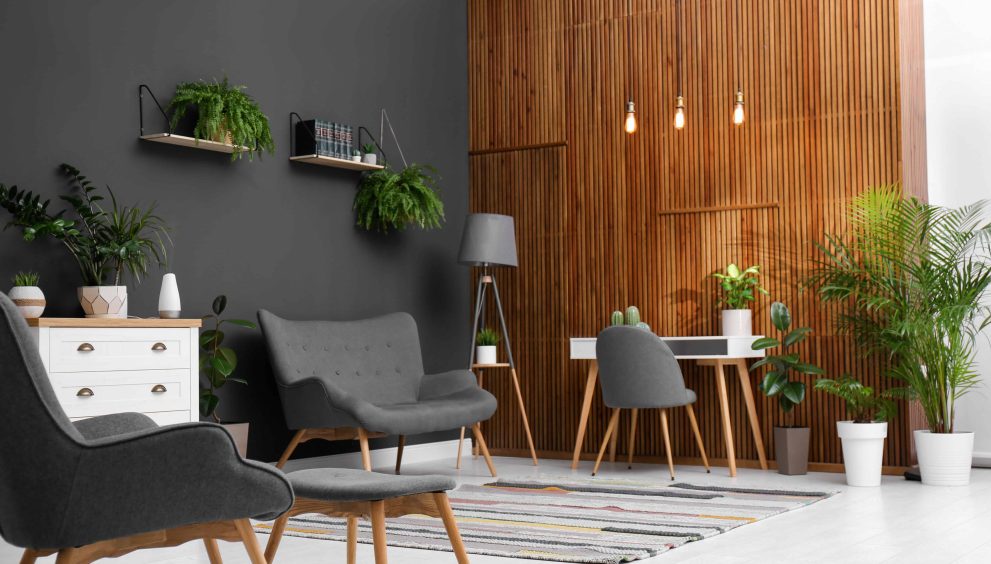
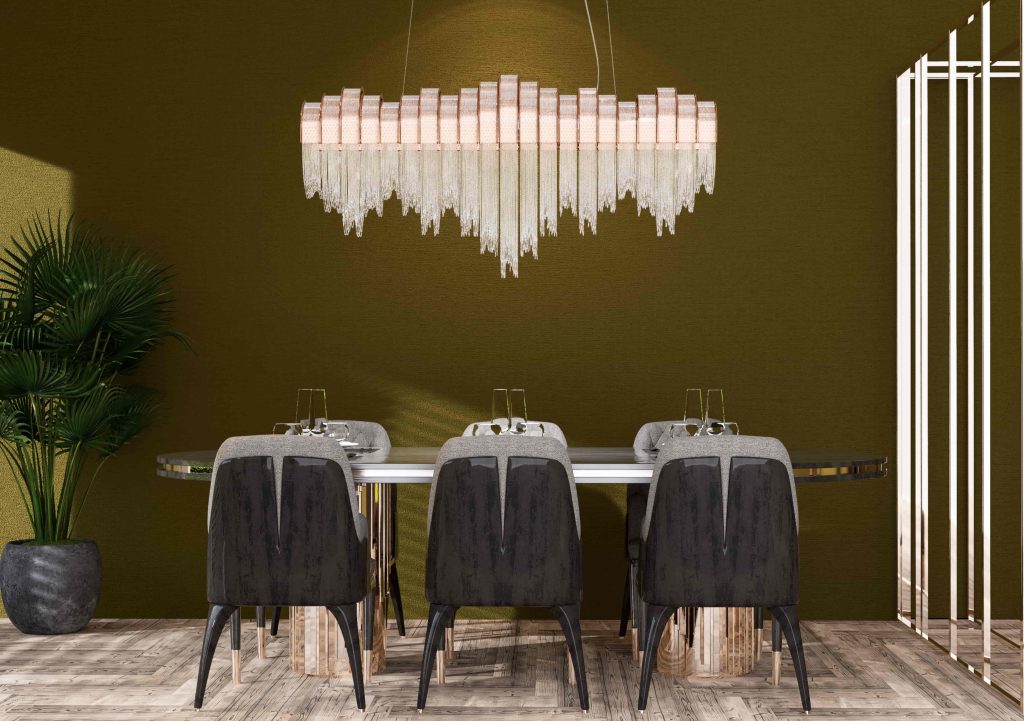
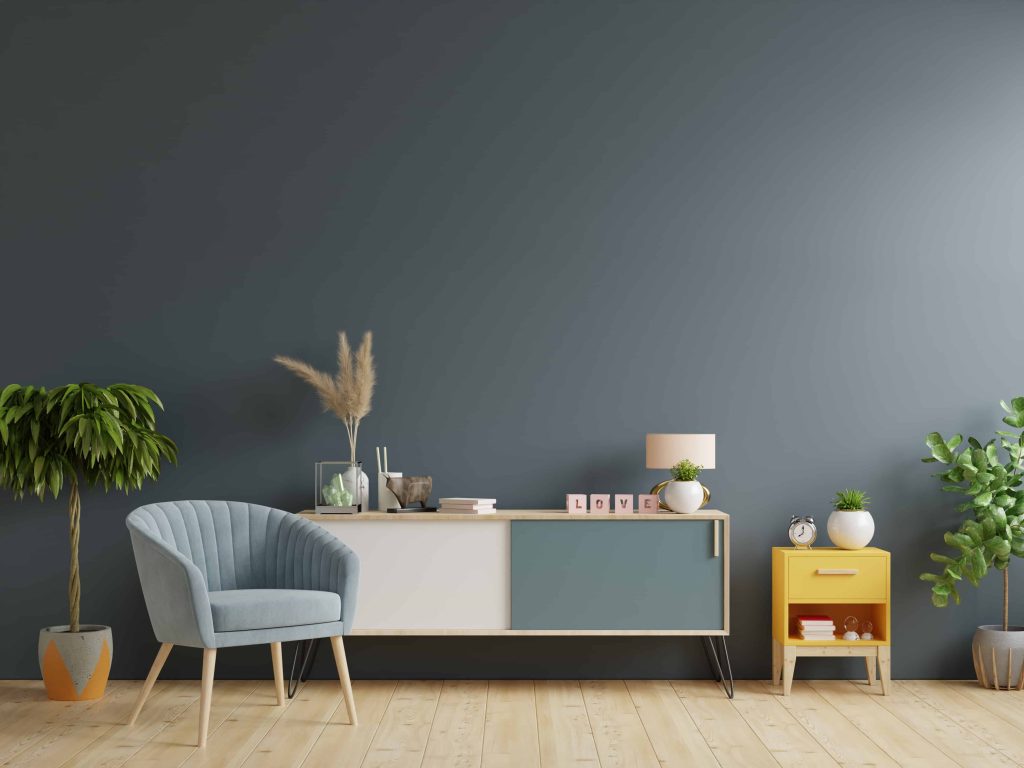
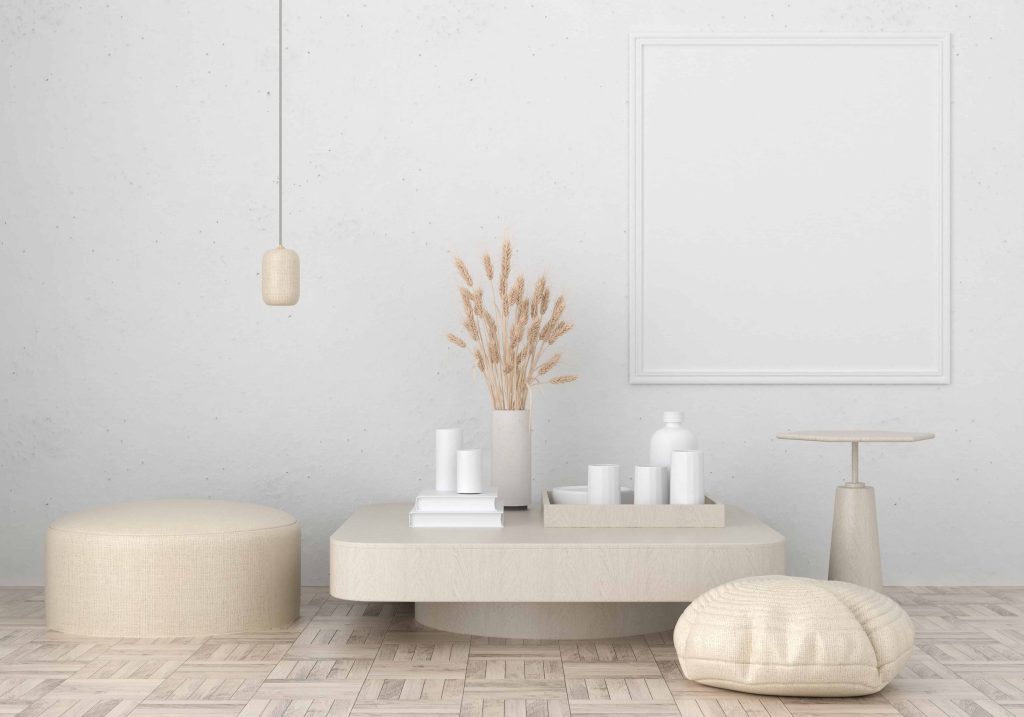
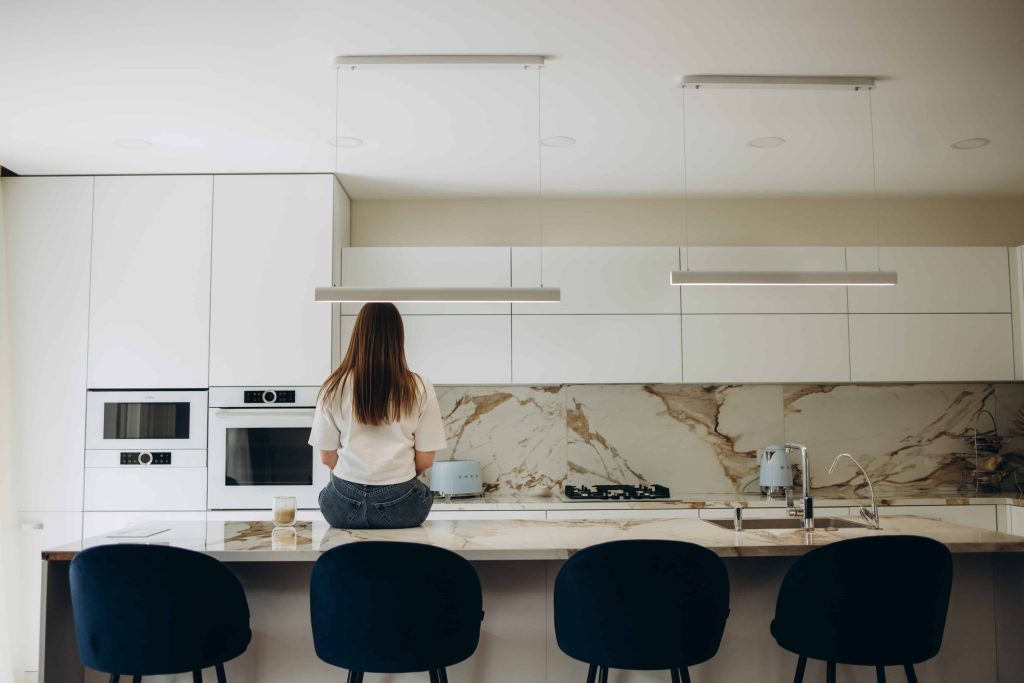
A modern home interior is defined by clean lines, simplicity, functionality, and a balanced use of space and materials. It is not just about following trends—it’s about creating a home that feels open, organized, and visually calm while still being stylish and comfortable.
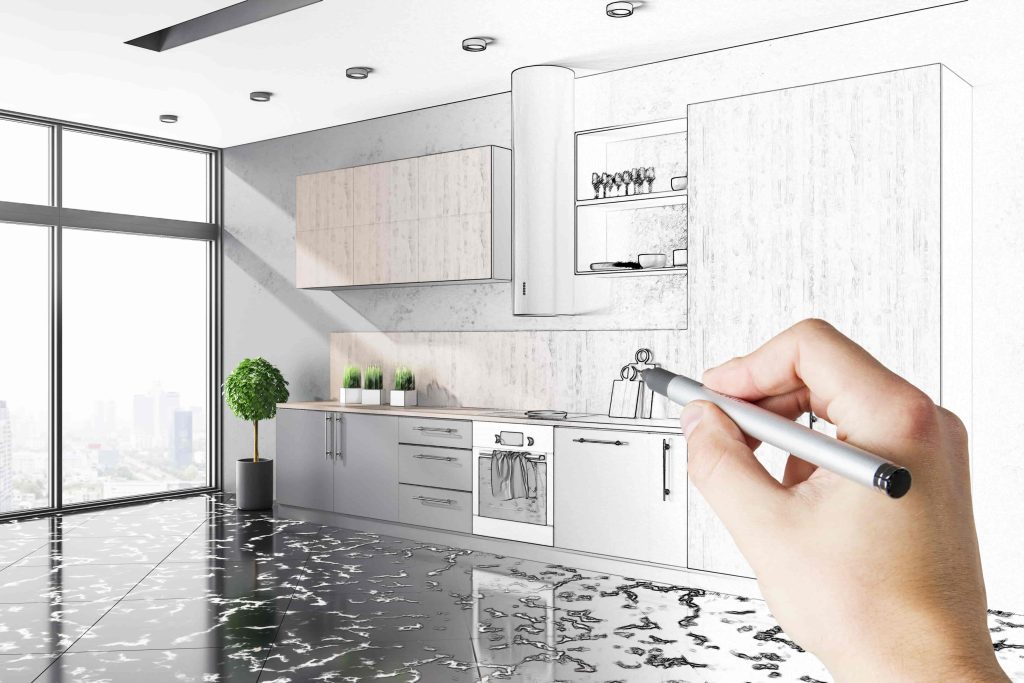
If you want to transform your home into a modern living space, you don’t necessarily need a full renovation. With the right design principles and thoughtful choices, you can achieve a modern interior look step by step.
1. Start with a Clean, Minimal Layout
Modern interiors begin with simplicity. The foundation of the look is an uncluttered, open space.
Key principles:
- Remove unnecessary furniture and décor
- Keep walkways open and clear
- Avoid overcrowding rooms with accessories
- Focus on function before decoration
Modern design follows the idea that every item in a room should have a purpose. Empty space is not wasted—it is part of the design.
2. Use a Neutral Color Palette
Color plays a major role in creating a modern interior. Most modern spaces rely on neutral tones as a base.
Popular modern colors:
- White and off-white
- Soft gray
- Beige and taupe
- Black accents for contrast
These colors create a calm, timeless foundation. You can add personality later using textures and accent pieces instead of bold wall colors.
3. Focus on Clean Lines and Simple Shapes
Modern design avoids excessive detailing. Instead, it emphasizes straight lines and simple geometric forms.
What to look for:
- Straight-edged furniture
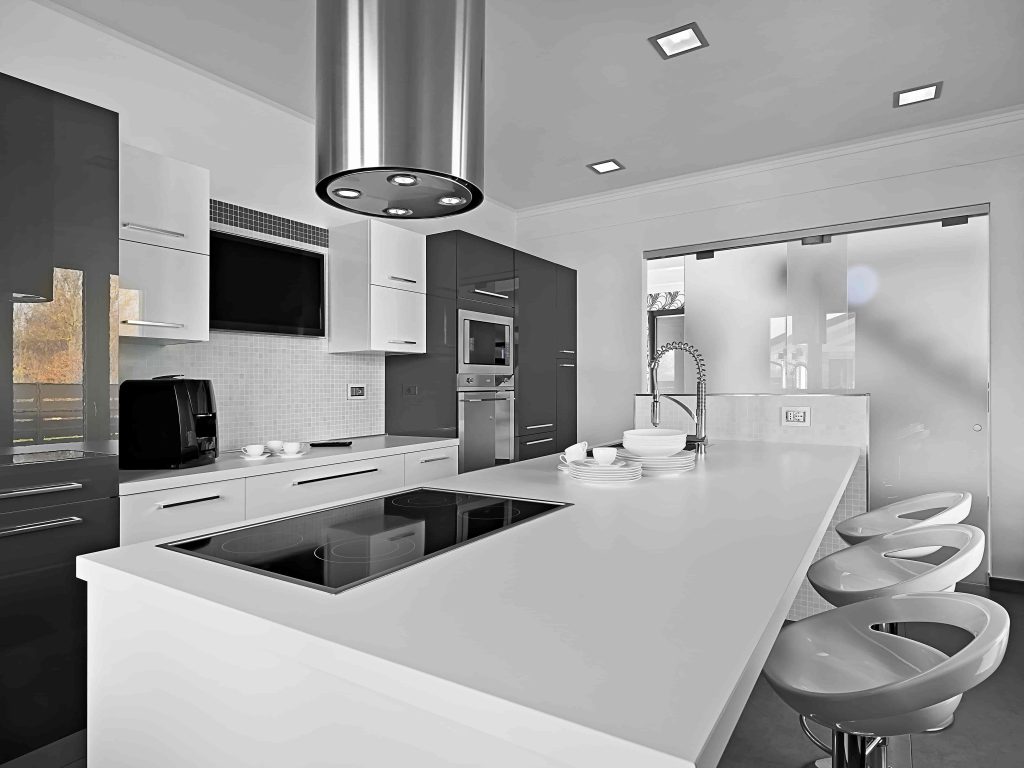
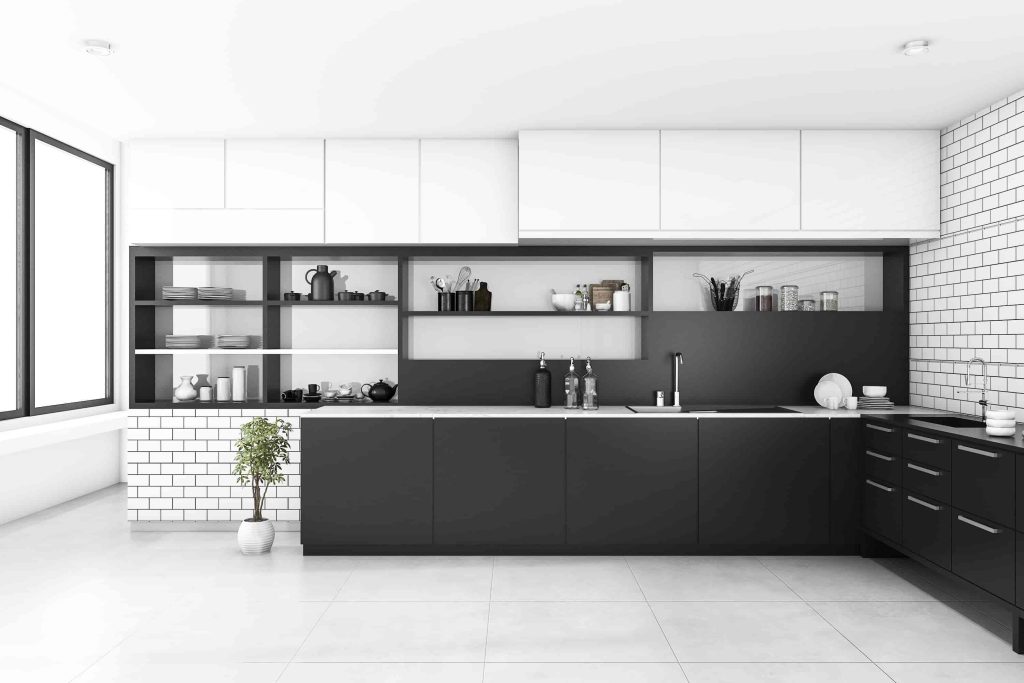
- Flat-panel cabinets
- Simple rectangular or circular tables
- Minimal ornamentation
Furniture should look sleek and intentional, not overly decorative or bulky.
4. Invest in Functional Furniture
In modern interiors, furniture is not just decorative—it is highly functional.
Examples:
- Sofas with built-in storage
- Coffee tables with hidden compartments
- Modular seating systems
- Multi-purpose shelving units
This approach helps keep the home organized while maintaining a clean aesthetic.
5. Embrace Natural Light
Lighting is one of the most important elements of modern interior design. Natural light makes spaces feel larger, cleaner, and more inviting.
Tips:
- Use large windows where possible
- Avoid heavy curtains; use light fabrics or blinds
- Keep window areas uncluttered
- Position mirrors to reflect light
Natural light enhances every design element and improves the overall atmosphere of the home.
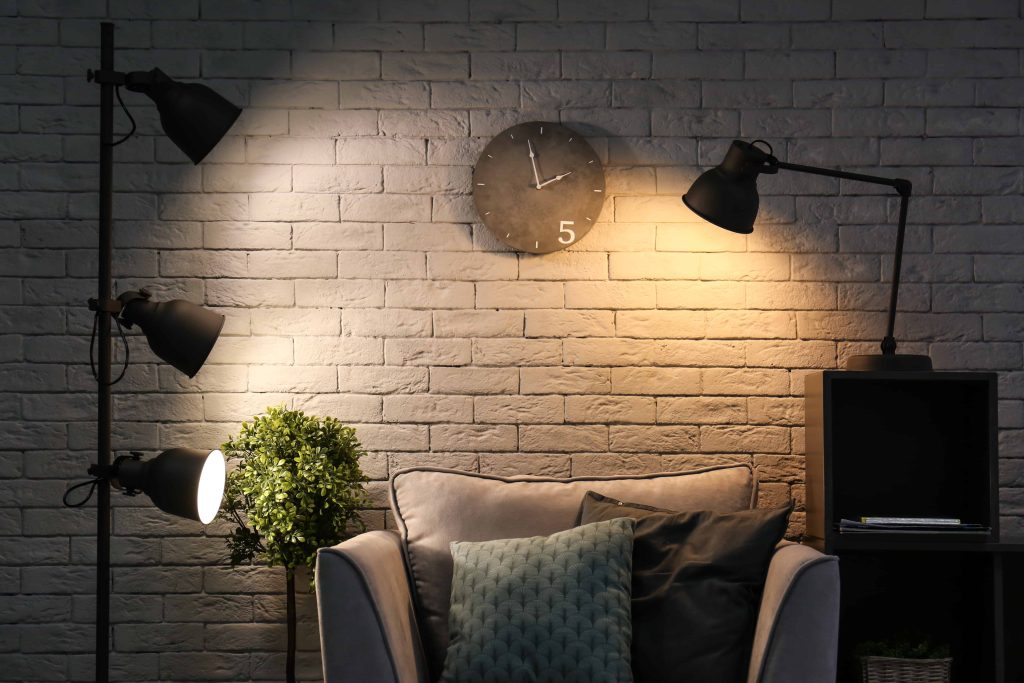
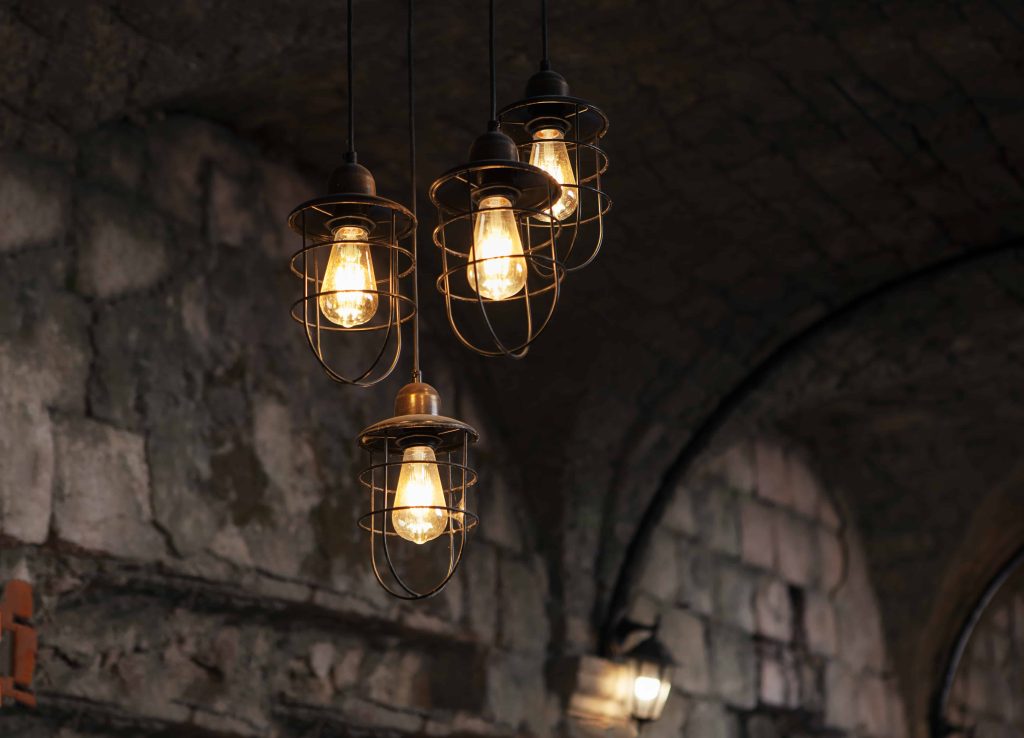
6. Use Layered Artificial Lighting
When natural light is not enough, layered lighting helps maintain a modern feel.
Types of lighting:
- Ambient lighting (general room light)
- Task lighting (reading, cooking, working)
- Accent lighting (decor highlights)
Modern lighting choices:
- Recessed ceiling lights
- LED strip lighting
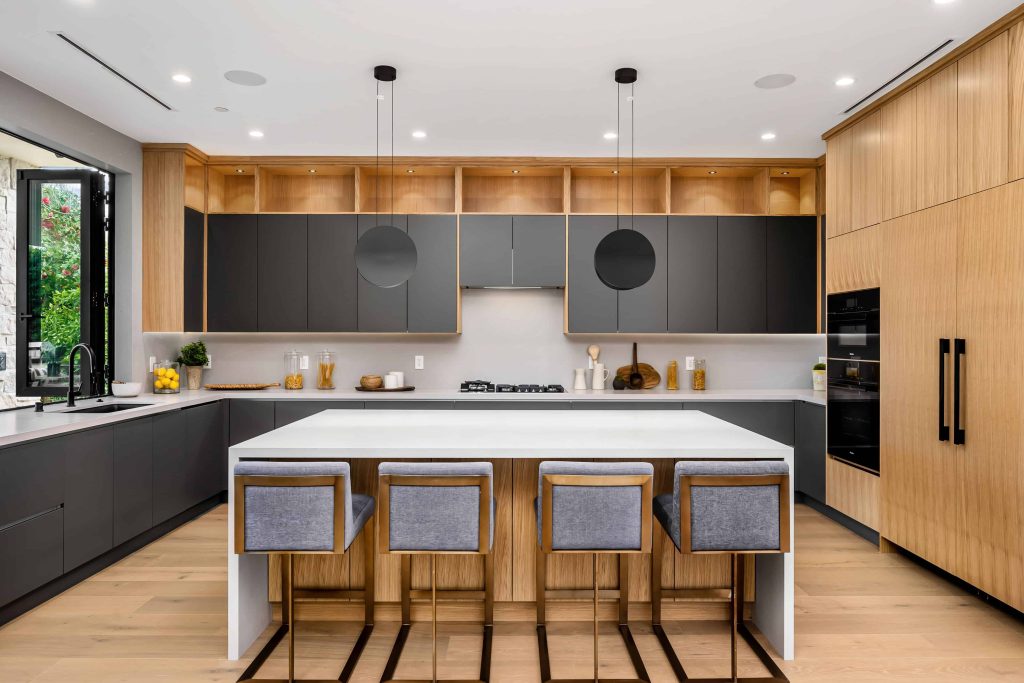
- Pendant lights with simple designs
Warm white lighting is often preferred for a comfortable modern look.
7. Add Texture Instead of Clutter
Modern interiors avoid excessive decoration, but that doesn’t mean they feel empty. Texture is used to add depth and interest.
Ways to add texture:
- Linen or cotton sofas
- Wool or jute rugs
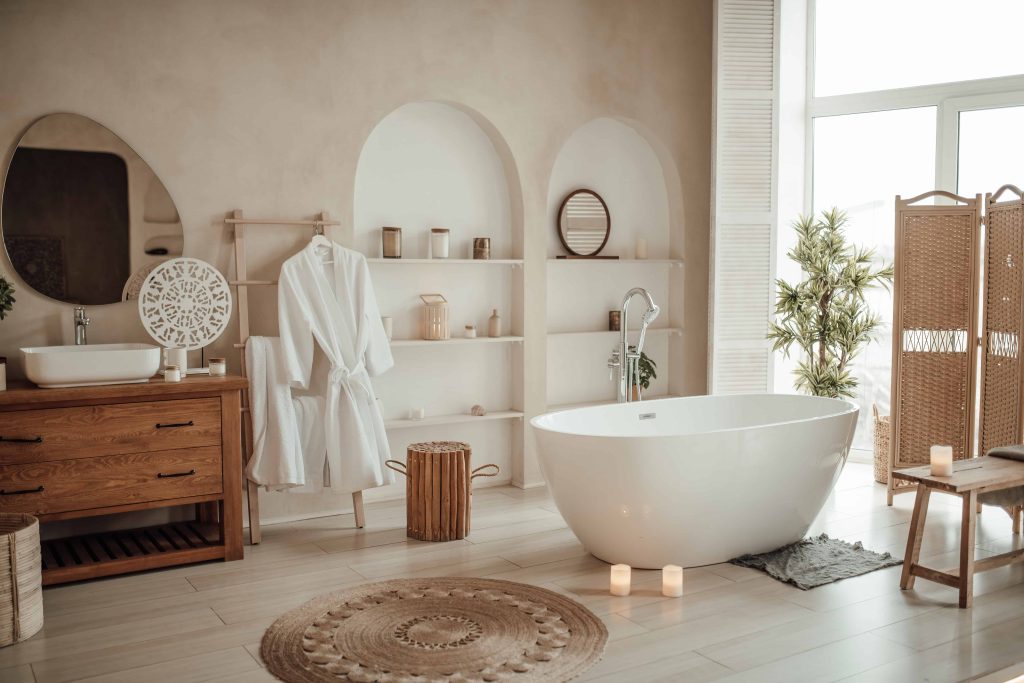
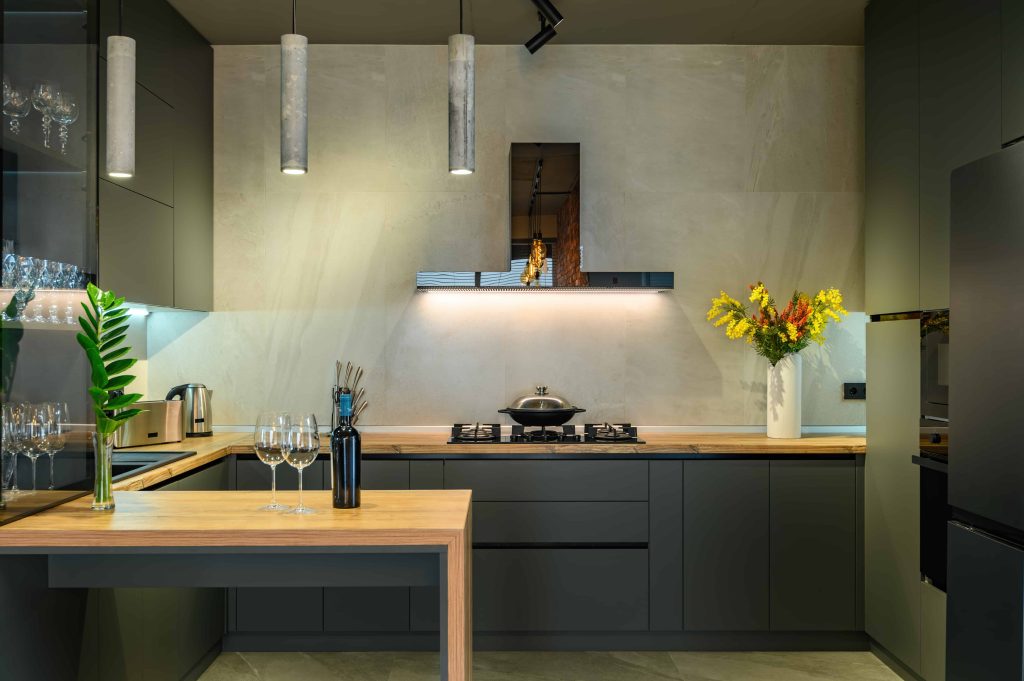
- Wood accents in furniture
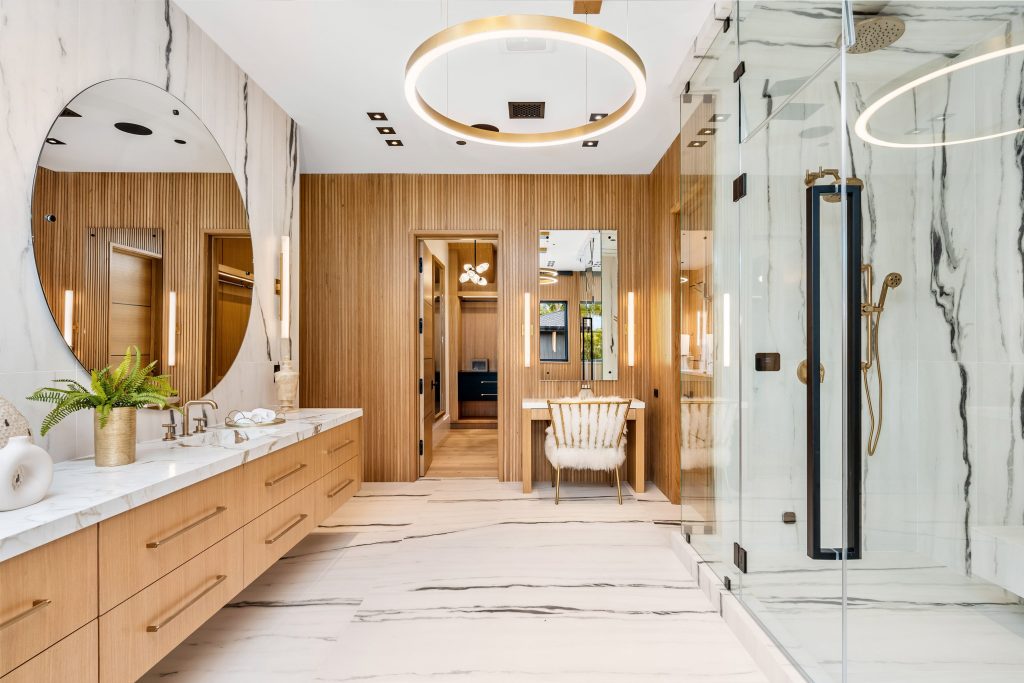
- Stone or marble surfaces
By mixing textures, you create visual interest without adding clutter.
8. Keep Décor Minimal but Meaningful
In modern design, less is more. Instead of filling shelves and walls, choose a few meaningful pieces.
Ideas:
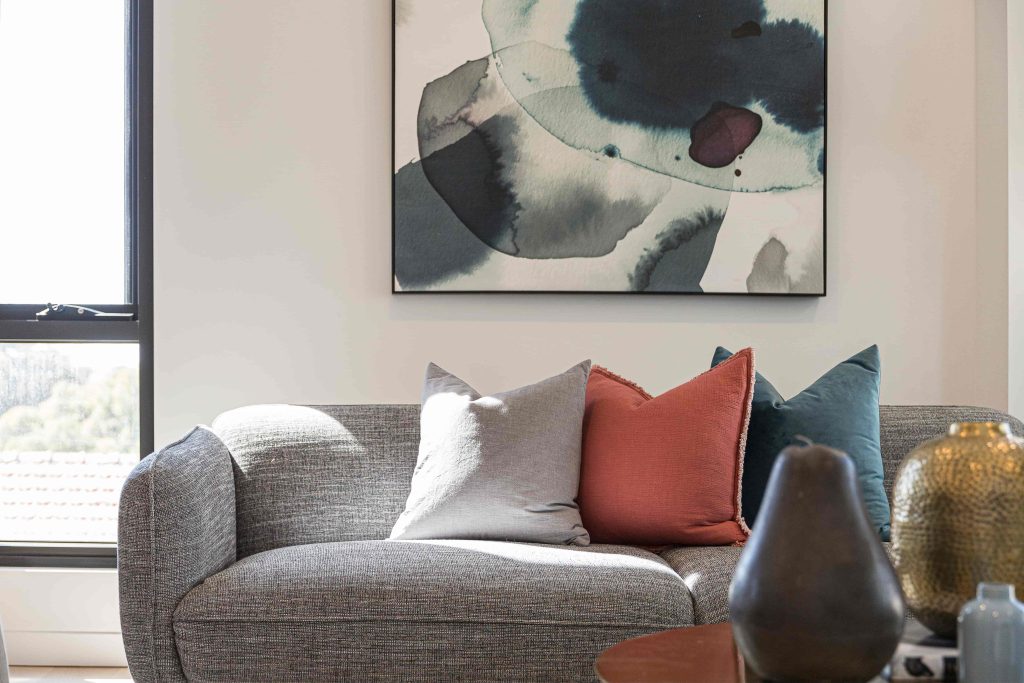
- One large statement artwork instead of many small frames
- A few curated decorative objects
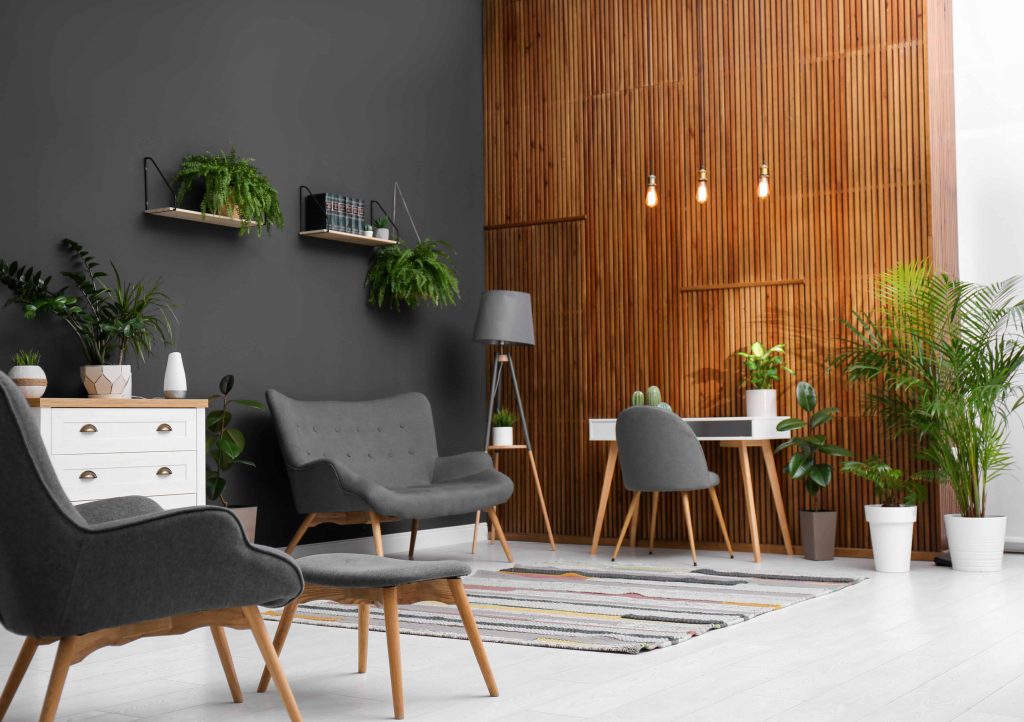
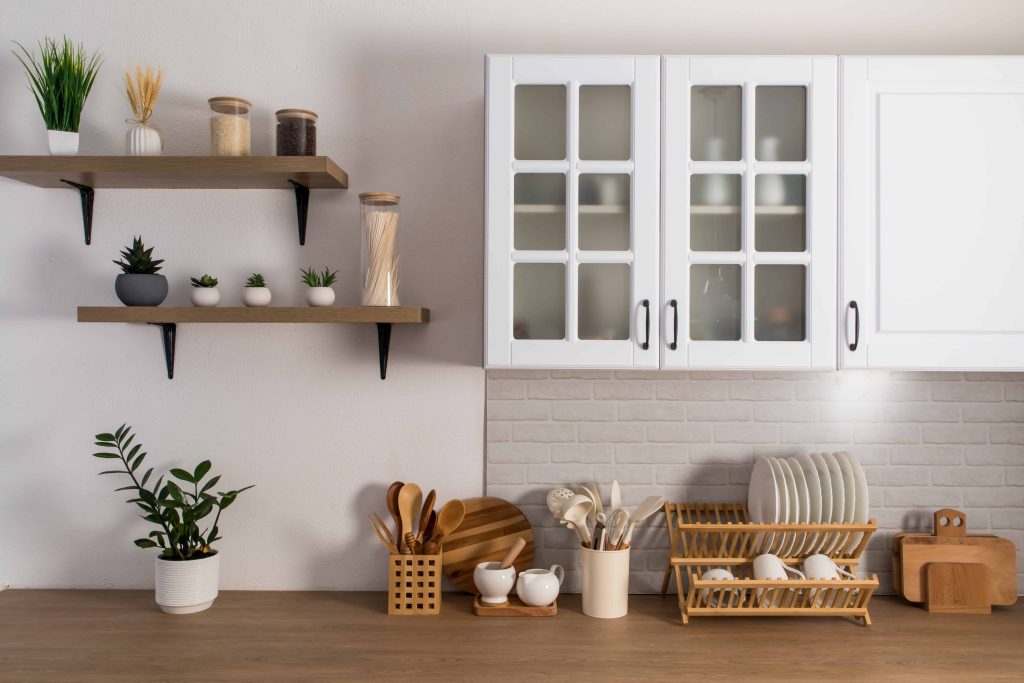
- Simple indoor plants for freshness
- Neutral vases or sculptures
Every decorative item should feel intentional and well-placed.
9. Incorporate Natural Elements
Modern homes often include natural materials to balance the clean, structured look.
Common materials:
- Wood (oak, walnut, ash)
- Stone or marble
- Glass and metal accents
- Indoor plants
These elements soften the space and make it feel more grounded and welcoming.
10. Maintain Open and Connected Spaces
Open floor plans are a key feature of modern interior design.
Benefits:
- Improves flow between rooms
- Makes small spaces feel larger
- Encourages natural light distribution
- Creates a more social living environment
If you can’t fully remodel, you can still create an open feel by reducing visual barriers like bulky furniture or heavy partitions.
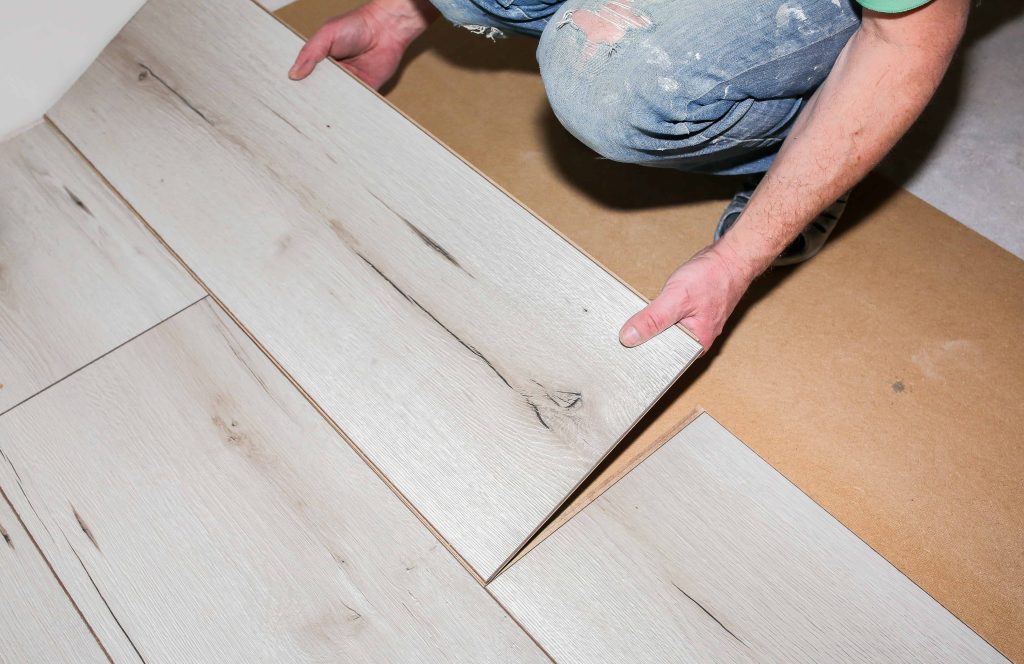
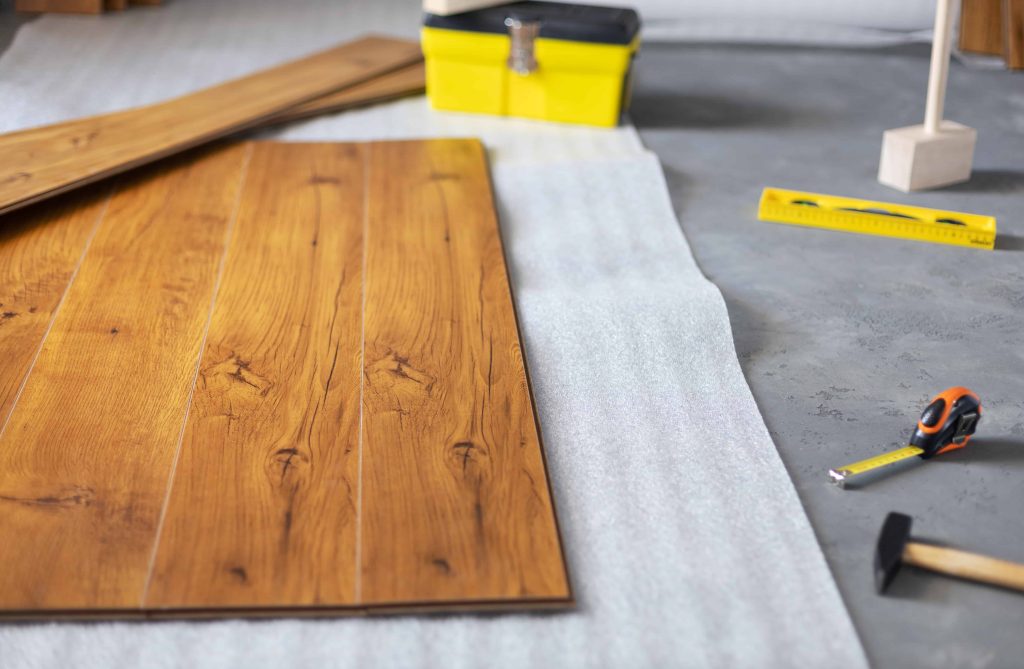
11. Choose Simple Flooring and Finishes
Flooring should support the overall minimalist design.
Best options:
- Light or medium-tone hardwood
- Polished concrete
- Large neutral tiles
Avoid overly patterned or busy flooring designs, as they can disrupt the modern aesthetic.
12. Keep Technology Integrated and Subtle
Modern homes often include smart technology, but it should not dominate the design.
Examples:
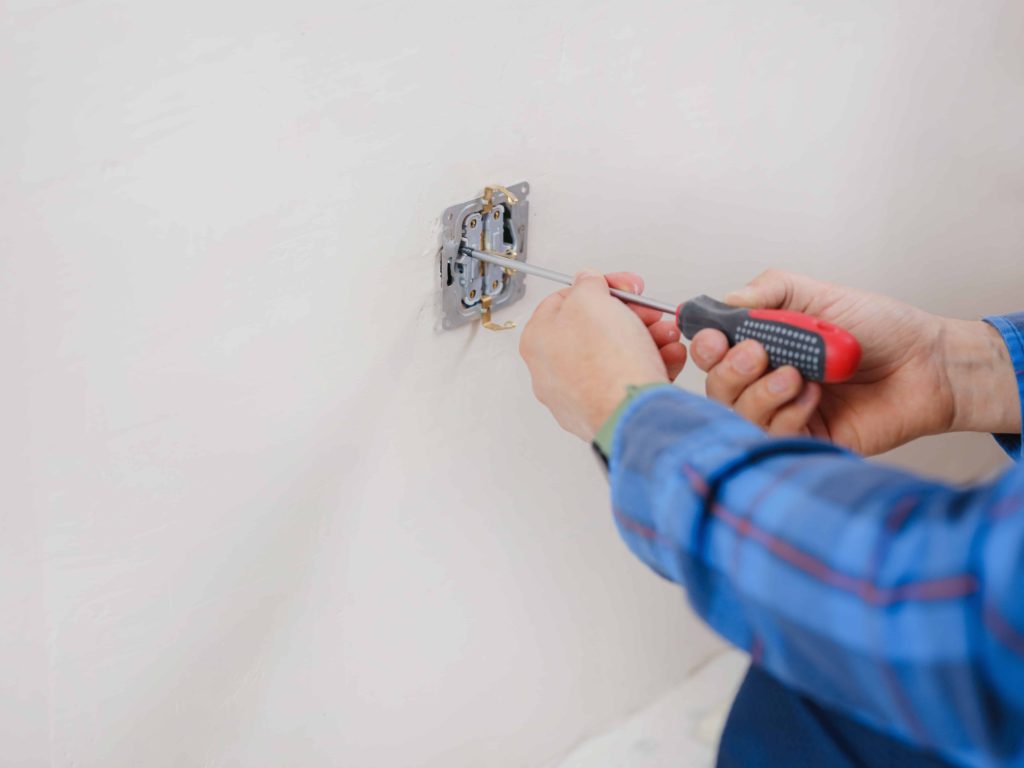
- Hidden wiring systems
- Built-in speakers
- Wall-mounted TVs
- Smart lighting controls
The goal is to make technology feel seamless within the space.
Final Thoughts
Achieving a modern home interior look is about combining simplicity, functionality, and elegance. It is not about filling your home with expensive items, but about making thoughtful choices that create a clean and balanced environment.
By focusing on neutral colors, minimal furniture, natural light, and functional design, you can transform any home into a modern space that feels open, stylish, and comfortable.
A well-designed modern interior doesn’t just look good—it improves how you live every day.