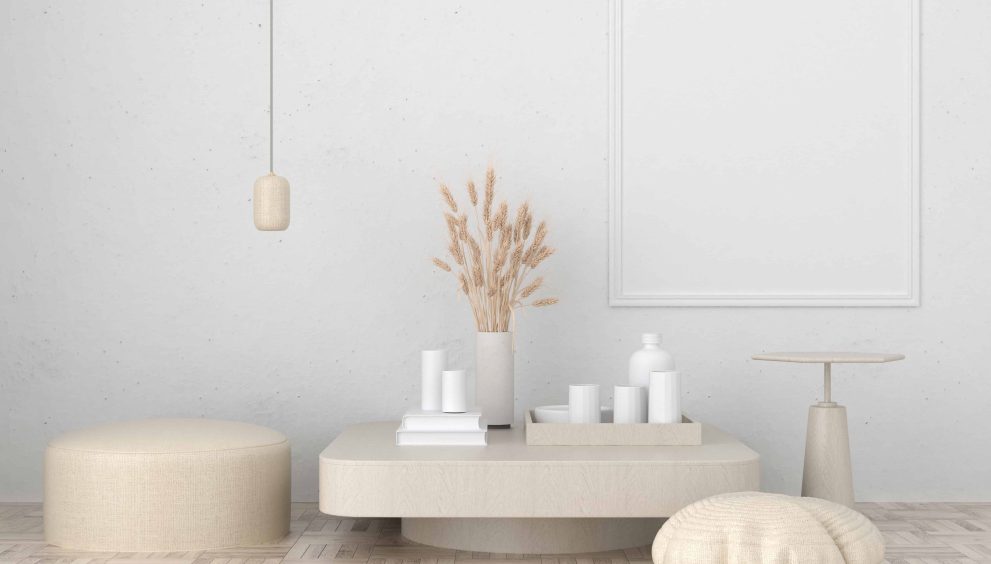
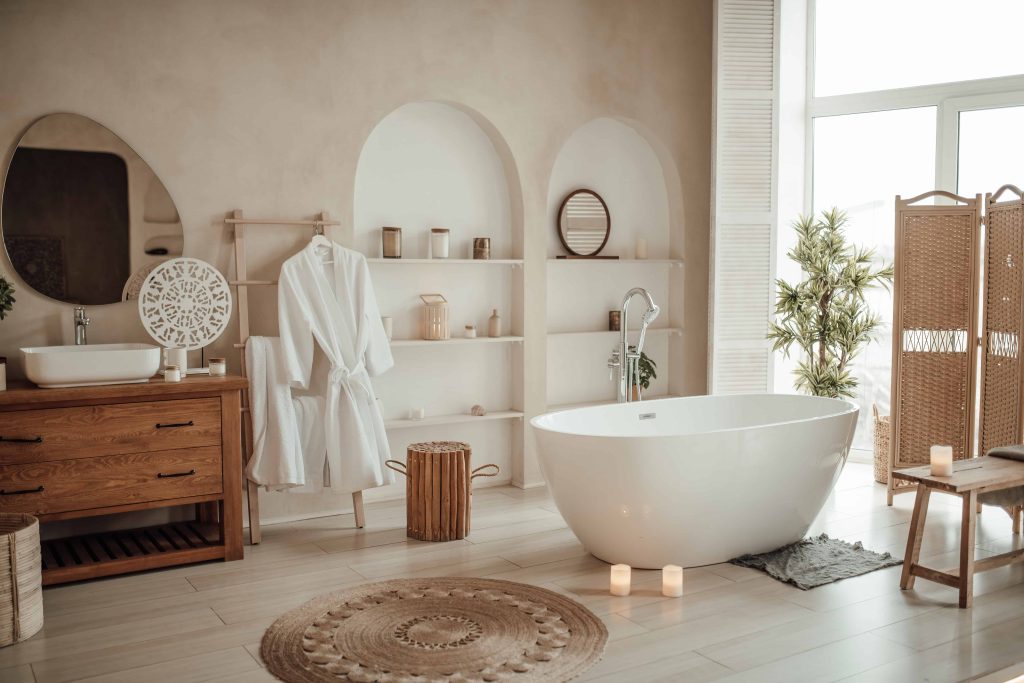
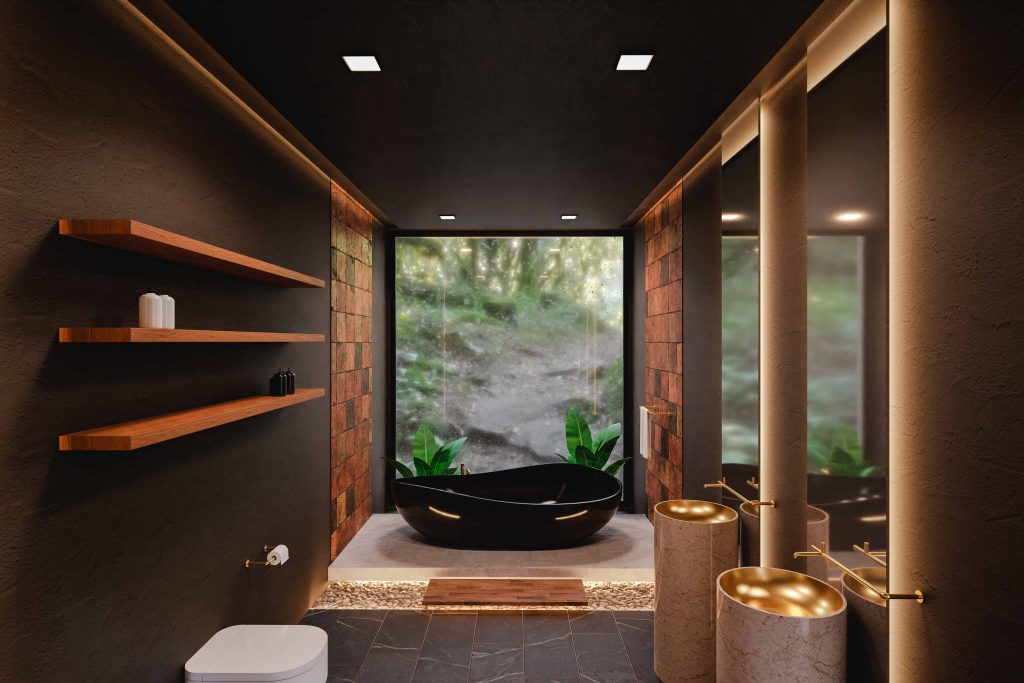
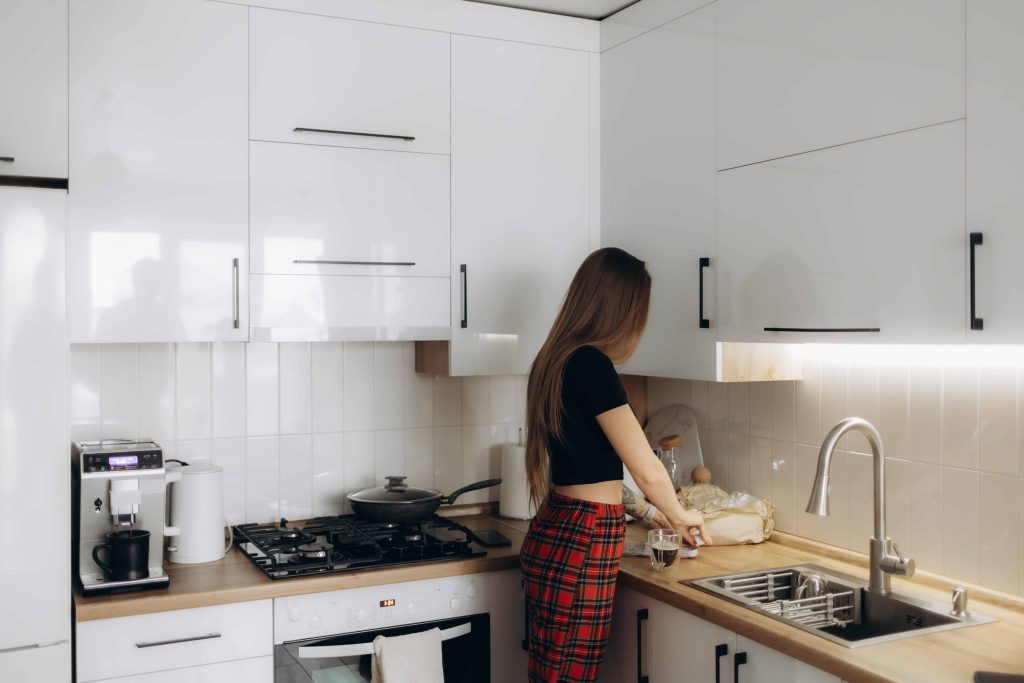
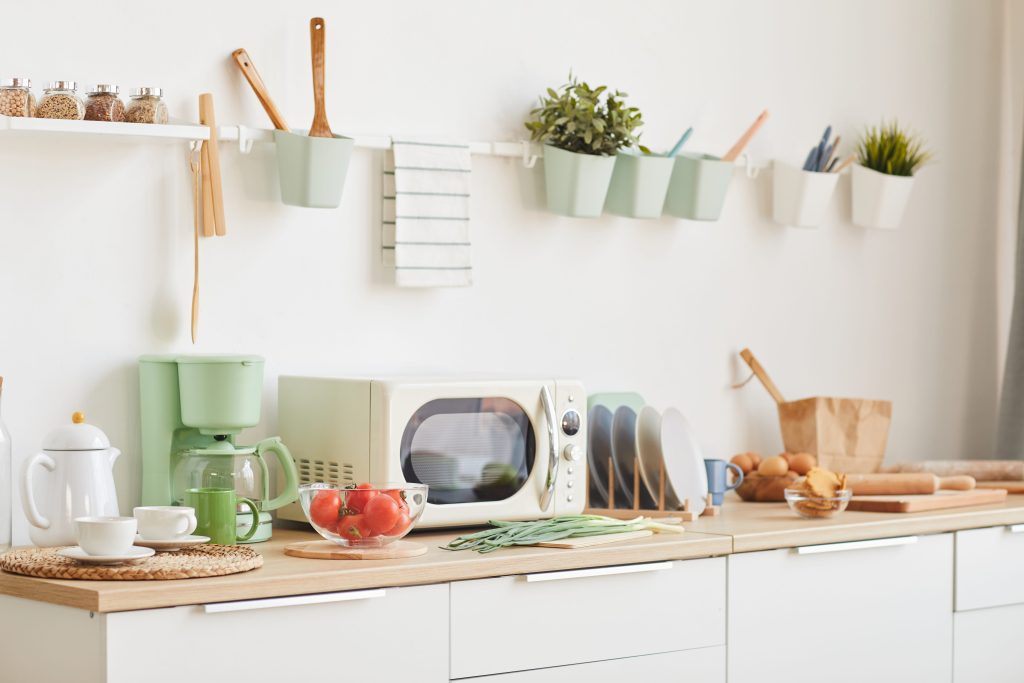
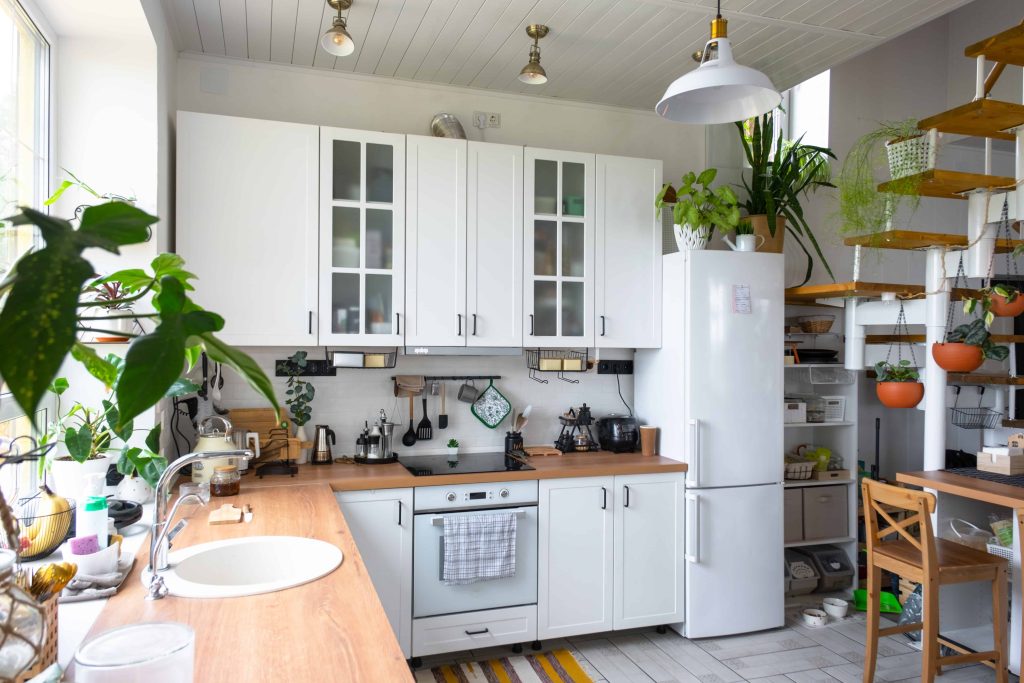
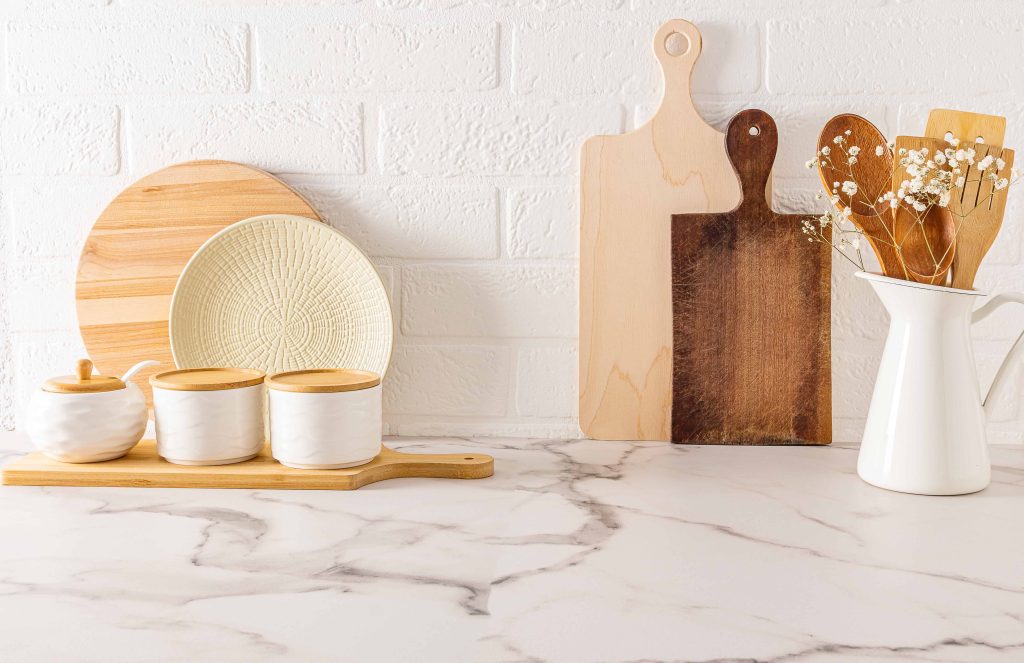
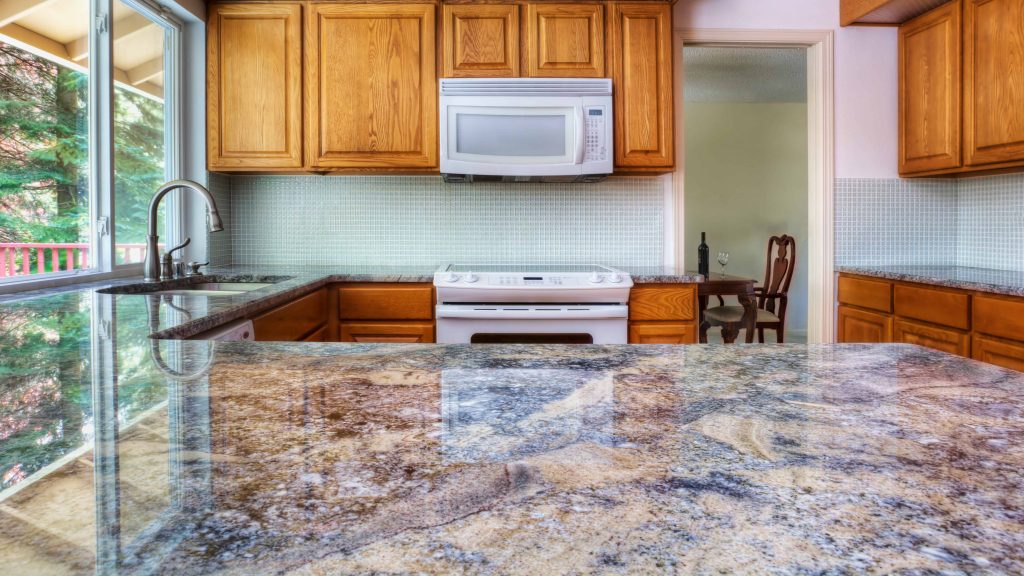
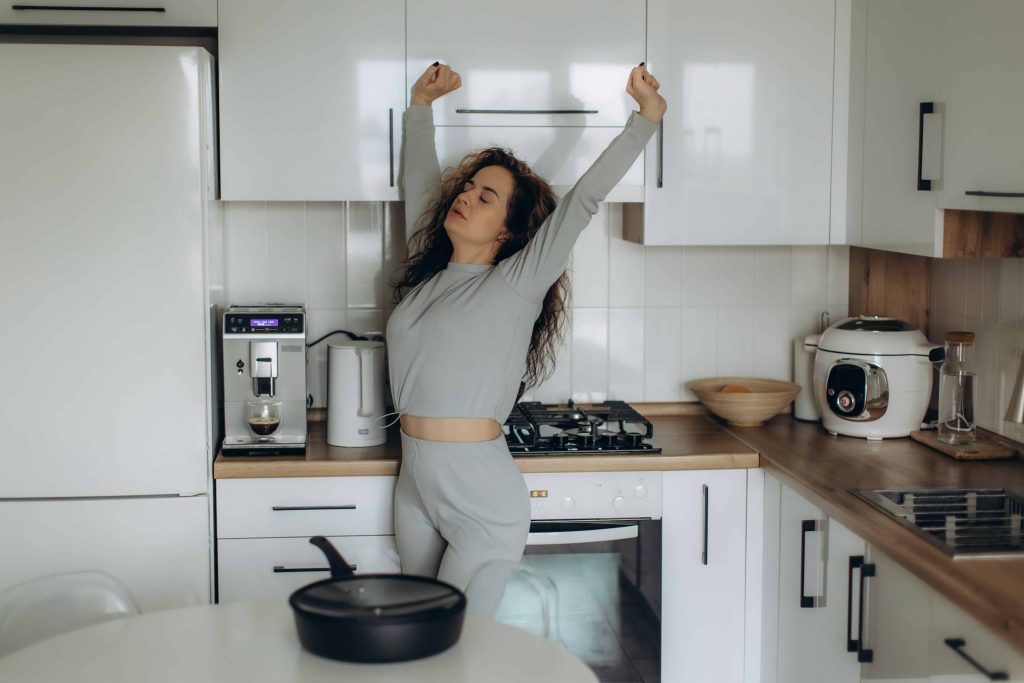
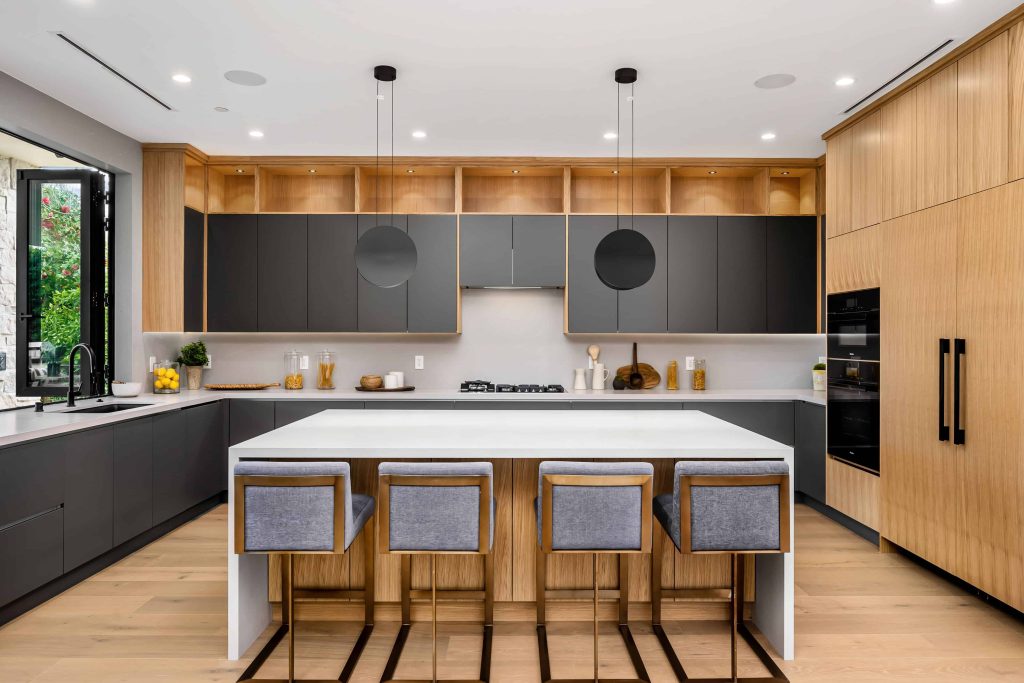
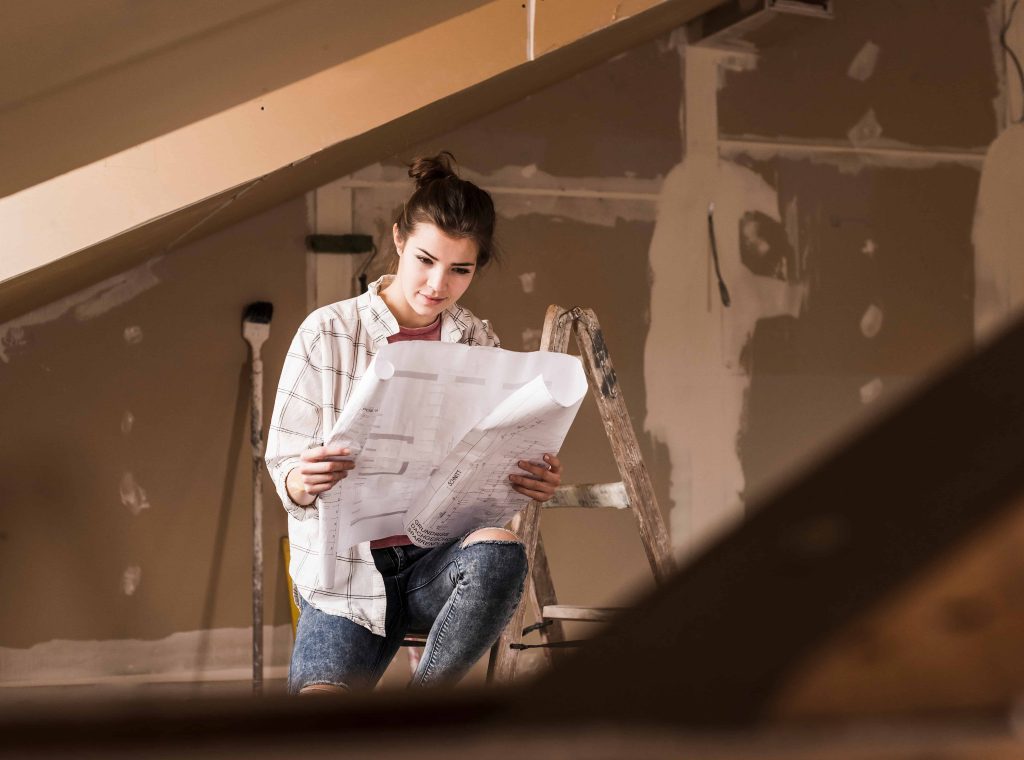
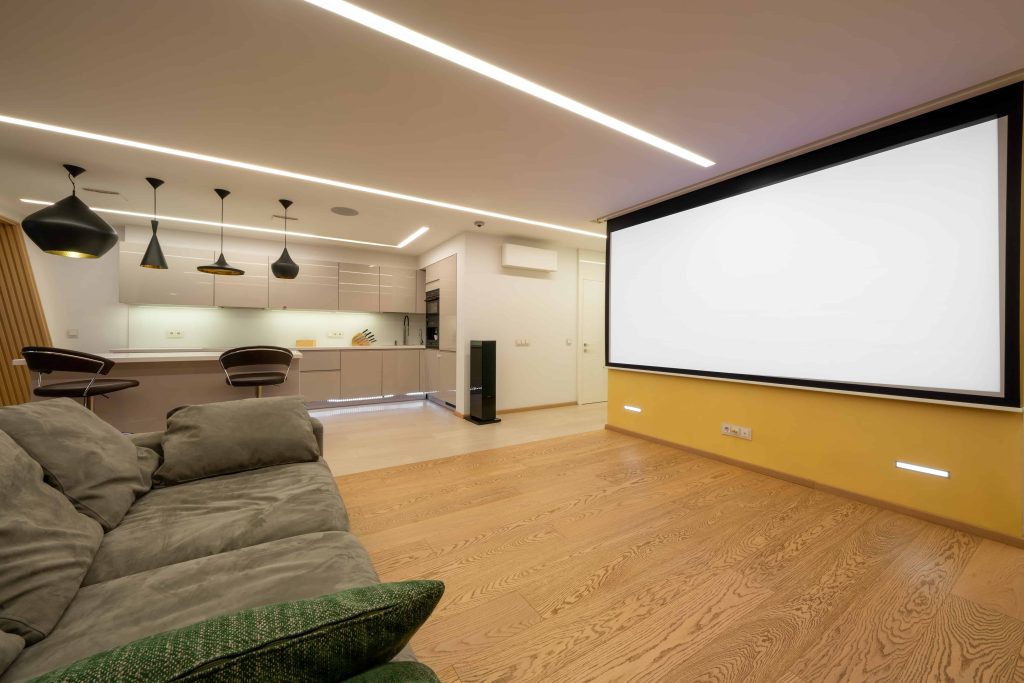
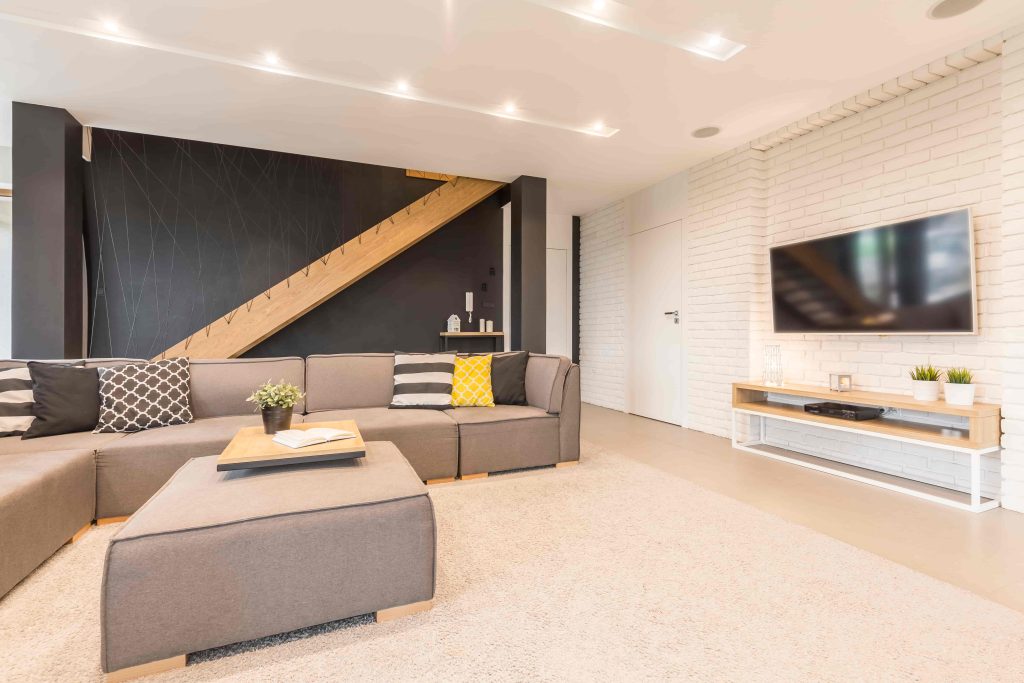
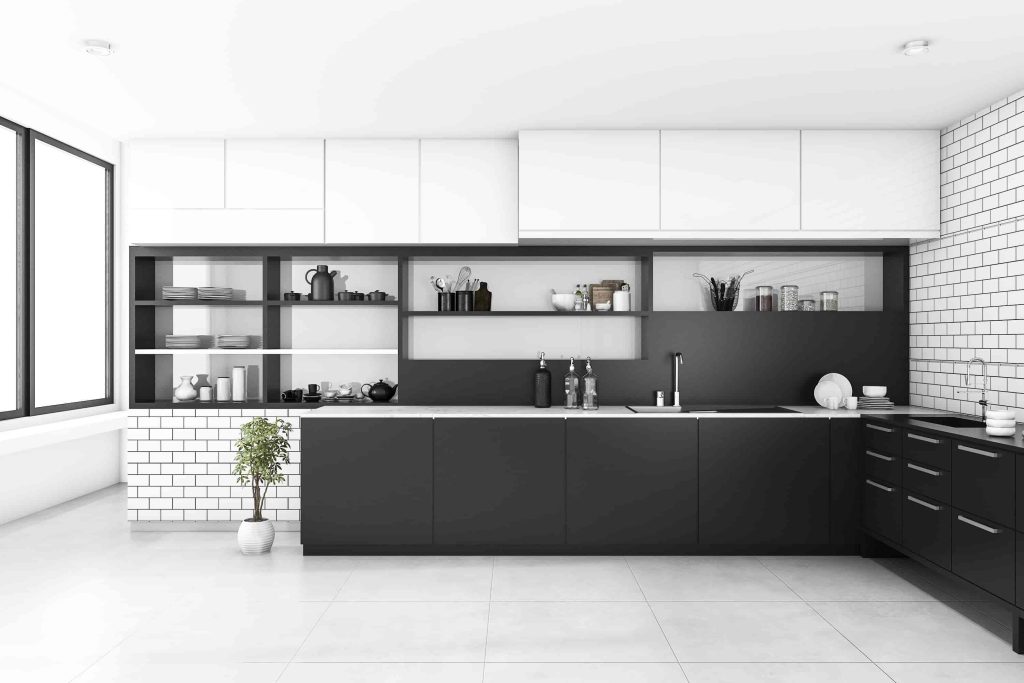
Small spaces can feel challenging to design, but with the right approach, they can become some of the most stylish and functional homes. Minimalist interior design is especially effective for compact areas because it focuses on simplicity, functionality, and open space, helping rooms feel larger and more organized.
Instead of overcrowding a small space with furniture and décor, minimalism teaches you to use only what you need—and make every piece count. Here are the best minimalist interior design ideas to transform small spaces into beautiful, practical living areas.
1. Start with a Clean and Simple Layout
The foundation of minimalist design is a clutter-free layout. In small spaces, every inch matters, so avoiding unnecessary items is essential.
Key tips:
- Remove unused furniture and décor
- Keep walking paths open and clear
- Choose fewer but more functional pieces
- Avoid blocking natural movement in the room
A simple layout instantly makes a small room feel more spacious and breathable.
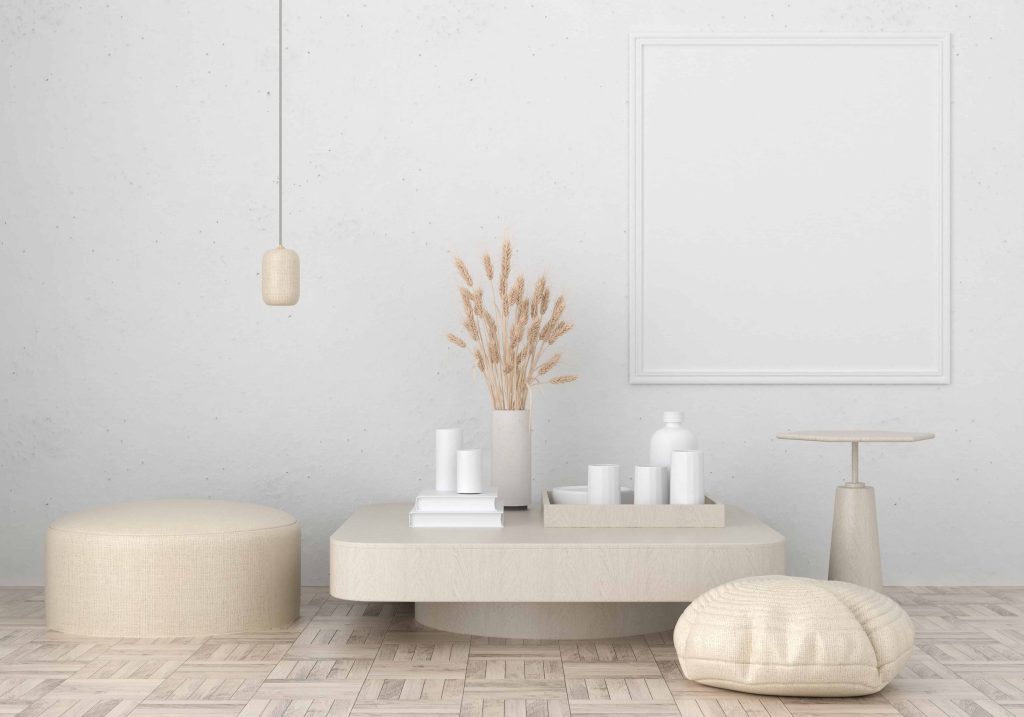
2. Use Light and Neutral Colors
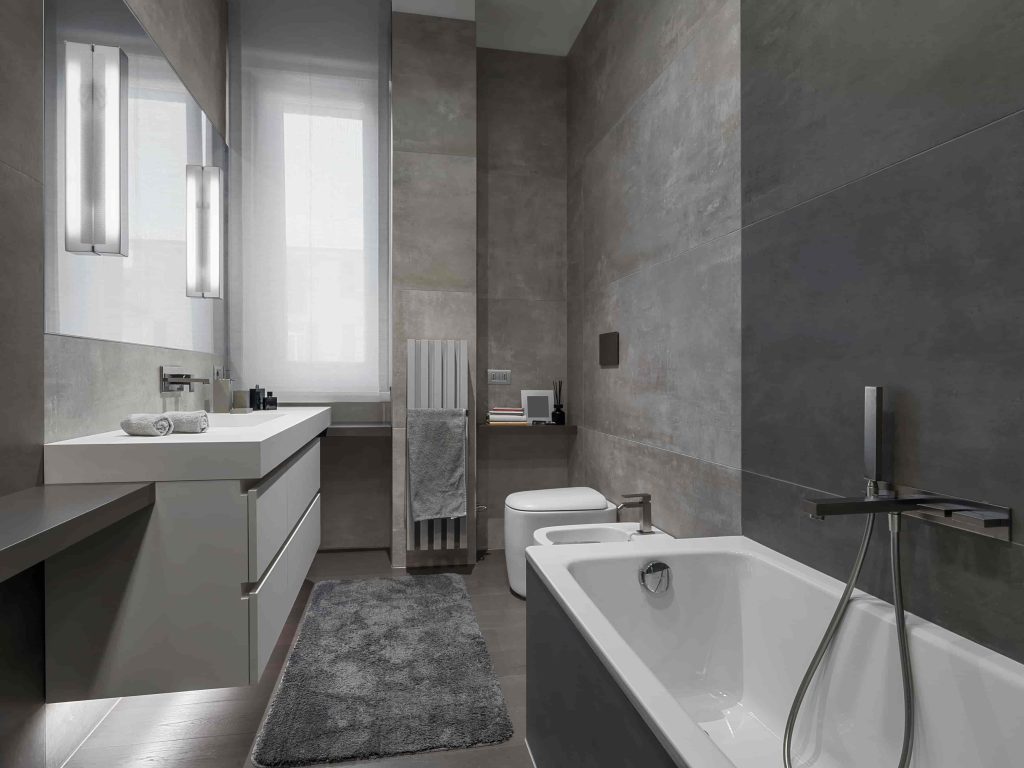
Color has a major impact on how large or small a space feels. Minimalist design relies heavily on light and neutral tones to create openness.
Best color choices:
- White and off-white
- Soft gray
- Beige and sand tones
- Light earthy colors
These shades reflect natural light and make walls feel like they are expanding, which visually enlarges the room.
3. Choose Multi-Functional Furniture
In small spaces, furniture should do more than one job. Minimalist design prioritizes functionality over quantity.
Examples:
- Sofa beds for living rooms
- Storage ottomans for hidden organization
- Foldable dining tables
- Wall-mounted desks
Multi-functional furniture reduces clutter and increases usability without overcrowding the space.
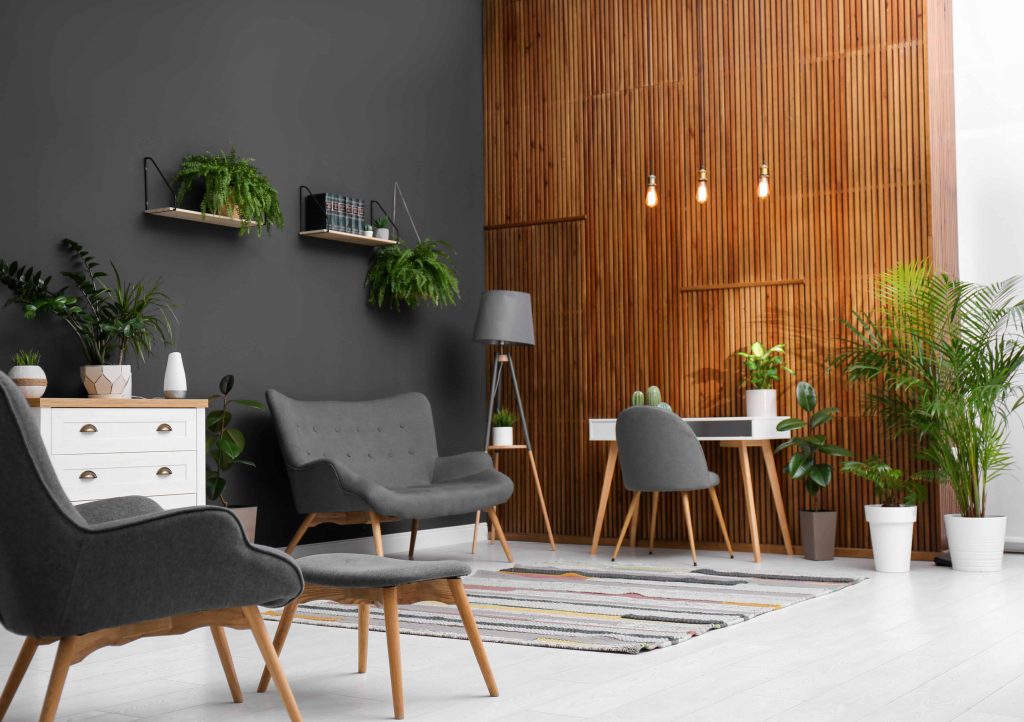
4. Maximize Vertical Space
When floor space is limited, look upward. Vertical storage is one of the most effective minimalist strategies.
Ideas:
- Tall shelving units
- Wall-mounted cabinets
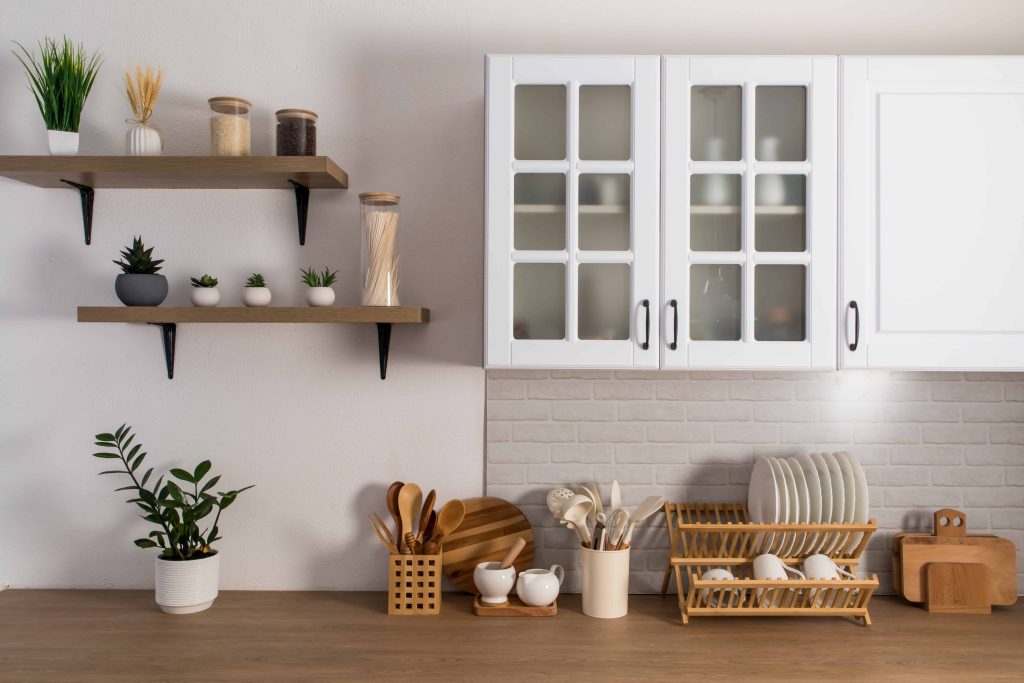
- Floating shelves
- Hanging storage organizers
Using vertical space keeps the floor open and makes the room feel taller and more spacious.
5. Embrace Open Storage Carefully
Minimalism doesn’t mean hiding everything—it means being intentional about what is visible.
Tips for open storage:
- Display only essential or decorative items
- Keep shelves neatly organized
- Stick to a consistent color palette
- Avoid overcrowding shelves
Well-organized open storage can actually enhance the aesthetic of a small space.
6. Let Natural Light Dominate
Natural light is one of the most powerful tools in minimalist design. It makes small rooms feel brighter, larger, and more inviting.
How to improve lighting:
- Use sheer or light curtains
- Avoid heavy drapes
- Keep windows unobstructed
- Place mirrors opposite windows
Mirrors reflect light and create the illusion of a bigger space.
7. Use Mirrors to Create Depth
Mirrors are a classic minimalist design trick for small spaces. They reflect both light and surroundings, making rooms feel more open.
Placement ideas:
- Large mirror on a main wall
- Mirrored closet doors
- Decorative mirrors in narrow hallways
A well-placed mirror can instantly double the visual size of a room.
8. Reduce Visual Clutter
Minimalist interiors depend on clean visual lines. Even small decorative choices can make a big difference.
What to avoid:
- Too many decorative items
- Busy patterns on walls or furniture
- Overfilled shelves
- Excessive color combinations
What to do instead:
- Stick to simple décor
- Use a limited color palette
- Choose one or two statement pieces per room
Less visual noise creates a calmer and larger-feeling space.
9. Add Smart Hidden Storage
Storage is essential in small homes, but it should not be visible or bulky.
Smart storage solutions:
- Under-bed drawers
- Built-in wall cabinets
- Storage benches
- Hidden compartments in furniture
Hidden storage keeps everyday items out of sight, maintaining a clean minimalist look.
10. Choose Simple and Clean Furniture Designs
Furniture in minimalist interiors should have clean lines and simple shapes.
Ideal furniture features:
- Straight edges or soft curves
- Neutral colors
- Lightweight visual appearance
- No heavy ornamentation
Avoid bulky or overly decorative furniture, as it can overwhelm small rooms.
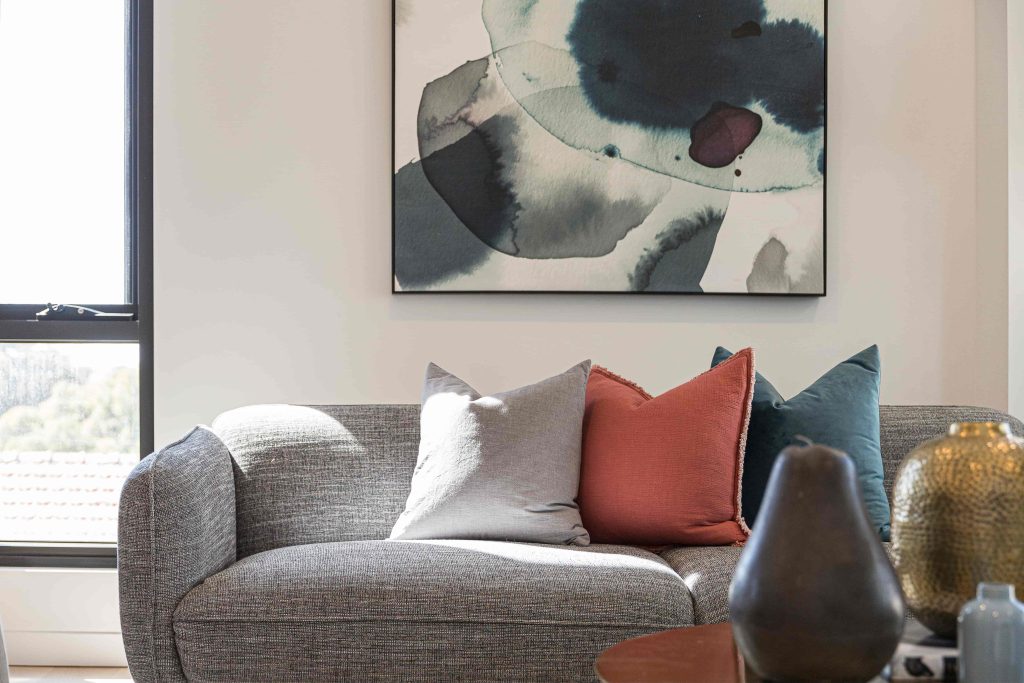
11. Keep Decorations Intentional
In minimalist design, every decorative item should have meaning or purpose.
Good choices:
- One or two framed artworks
- A single indoor plant
- Simple ceramic or glass décor
- Neutral-toned rugs
The goal is to enhance the space, not fill it.
12. Use Rugs and Textures Wisely
Even minimalist spaces need warmth. Texture adds depth without clutter.
Examples:
- Wool or cotton rugs
- Linen curtains
- Wooden furniture accents
- Soft throw blankets
These elements make the space feel cozy while keeping the design simple.
Final Thoughts
Minimalist interior design is perfect for small spaces because it focuses on what truly matters—function, simplicity, and openness. By reducing clutter, choosing multi-functional furniture, and using light colors and natural light, you can transform even the smallest room into a stylish and comfortable living space.
The key is not to fill your home, but to carefully design it so every piece has a purpose. With the right minimalist approach, small spaces can feel larger, calmer, and far more enjoyable to live in.
 English