Choosing the right flooring is one of the most important decisions in any home renovation or new build. Flooring affects not only how your home looks, but also how it feels, how easy it is to maintain, and how long it will last. Two of the most popular options today are hardwood flooring and vinyl flooring.
Both have strong advantages, and both can look beautiful in modern homes. However, they differ significantly in cost, durability, maintenance, comfort, and long-term value.
This detailed guide will help you understand the differences between hardwood and vinyl flooring so you can confidently choose the best option for your home.
1. What Is Hardwood Flooring?
Hardwood flooring is made from solid natural wood or engineered wood layers. It is known for its timeless beauty, natural texture, and premium feel.
Common types:
- Solid hardwood (oak, maple, walnut, cherry)
- Engineered hardwood (wood veneer over plywood layers)
Hardwood is often considered a luxury flooring option because of its natural appearance and long lifespan.
2. What Is Vinyl Flooring?
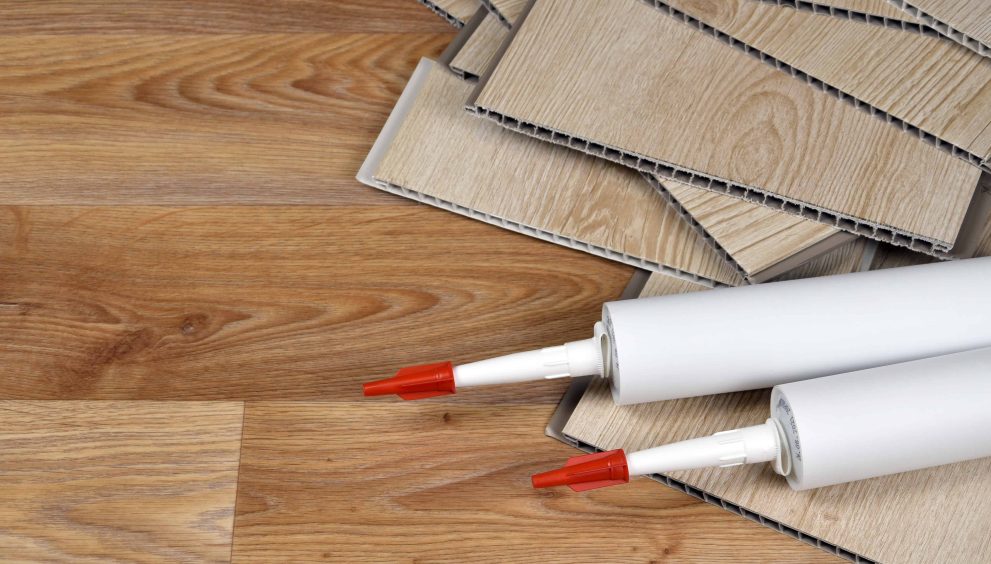
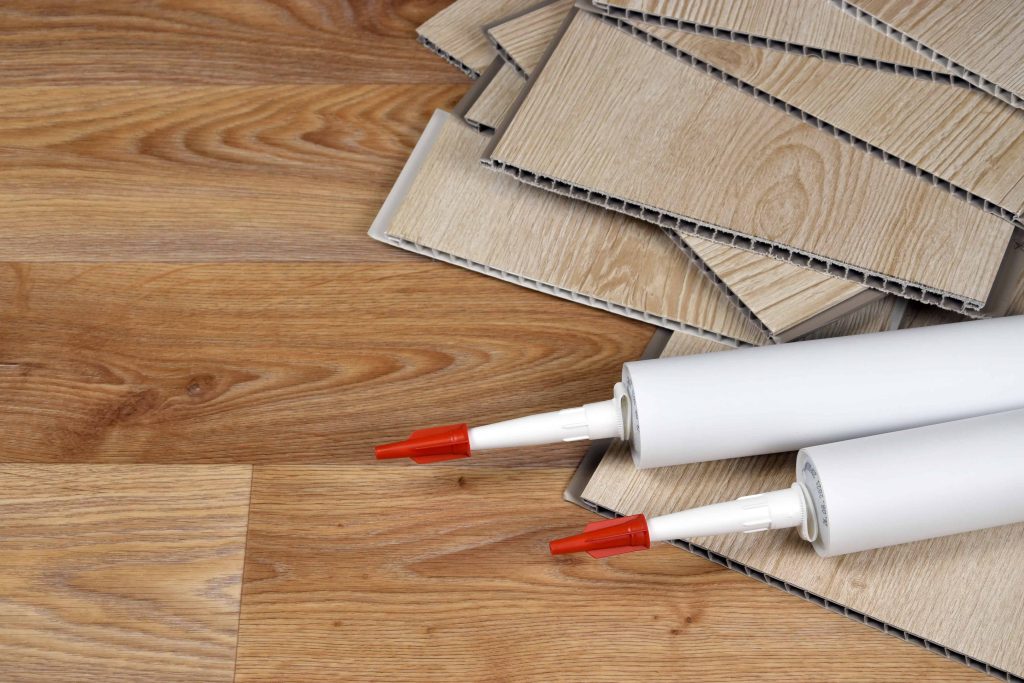
Vinyl flooring is a synthetic flooring material made from PVC (plastic). It is designed to mimic the appearance of wood, stone, or tile while offering high durability and water resistance.
Common types:
- Luxury Vinyl Plank (LVP)
- Luxury Vinyl Tile (LVT)
- Sheet vinyl
Modern vinyl flooring can closely resemble real wood, making it a popular budget-friendly alternative.
3. Appearance and Aesthetic Comparison
Hardwood Flooring
Hardwood is unmatched when it comes to natural beauty.
Advantages:
- Authentic wood grain and texture
- Rich, premium appearance
- Improves with age and refinishing
Disadvantages:
- Limited design variety compared to vinyl
- Can show scratches and dents more easily
Hardwood is ideal for homeowners who value luxury and natural materials.
Vinyl Flooring
Vinyl has improved significantly in design quality over the years.
Advantages:
- Wide variety of styles and colors
- Can realistically mimic wood and stone
- Consistent look across large areas
Disadvantages:
- Lacks the natural feel of real wood
- May look less premium upon close inspection
Vinyl is great for modern, budget-conscious designs.
4. Durability and Strength
Hardwood Flooring
Hardwood is strong but not immune to damage.
Pros:
- Long-lasting with proper care
- Can be sanded and refinished multiple times
Cons:
- Prone to scratches and dents
- Sensitive to moisture and humidity
Heavy furniture and pets can leave marks over time.
Vinyl Flooring
Vinyl is designed for durability in everyday living.
Pros:
- Scratch-resistant surface
- Highly resistant to moisture and spills
- Great for high-traffic areas
Cons:
- Cannot be refinished
- Can be damaged by sharp objects or heavy impact
Vinyl is often more practical for busy households.
5. Water and Moisture Resistance
This is one of the biggest differences between the two.
Hardwood Flooring
- Not water-resistant
- Can warp, swell, or stain when exposed to moisture
- Requires careful maintenance in kitchens and bathrooms
Vinyl Flooring
- 100% water-resistant (in most modern versions)
- Ideal for kitchens, bathrooms, and basements
- Handles spills and humidity very well
If moisture is a concern, vinyl clearly wins this category.
6. Maintenance Requirements
Hardwood Flooring
Hardwood requires more care and attention.
Maintenance includes:
- Regular sweeping and vacuuming
- Avoiding excessive water exposure
- Periodic refinishing every few years
Vinyl Flooring
Vinyl is extremely low maintenance.
Maintenance includes:
- Simple sweeping and mopping
- No special treatments required
- Resistant to stains and spills
Vinyl is ideal for homeowners who prefer easy upkeep.
7. Lifespan and Long-Term Value
Hardwood Flooring
- Lifespan: 30–100 years depending on care
- Can be refinished multiple times
- Adds strong resale value to homes
Hardwood is a long-term investment that increases property value.
Vinyl Flooring
- Lifespan: 10–25 years
- Cannot be refinished
- May need replacement over time
While durable, vinyl does not match hardwood in long-term value.
8. Comfort and Feel Underfoot
Hardwood Flooring
- Solid and firm underfoot
- Naturally warm in appearance
- Can feel hard for long standing periods
Vinyl Flooring
- Softer and more flexible
- Often includes cushioned backing
- More comfortable for standing and walking
Vinyl is generally more comfortable for everyday living.
9. Cost Comparison
Hardwood Flooring
- Higher upfront cost
- Expensive installation
- Long-term value offsets initial investment
Vinyl Flooring
- Much more affordable
- Lower installation cost
- Budget-friendly for large areas
Vinyl is ideal for cost-conscious renovations.
10. Installation Process
Hardwood Flooring
- Requires professional installation
- Needs subfloor preparation
- Installation takes more time
Vinyl Flooring
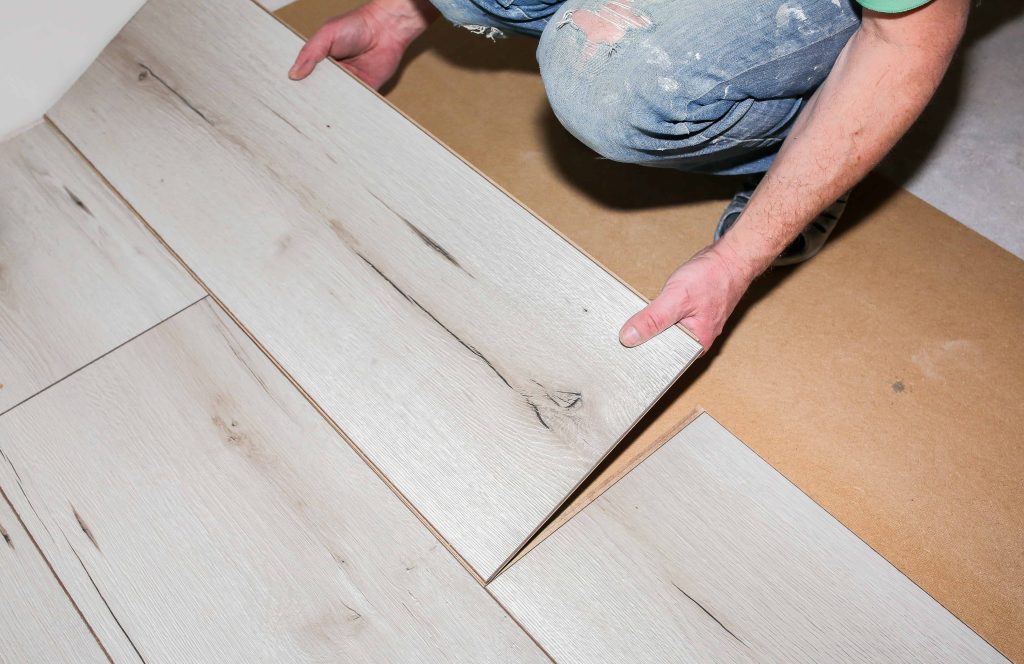
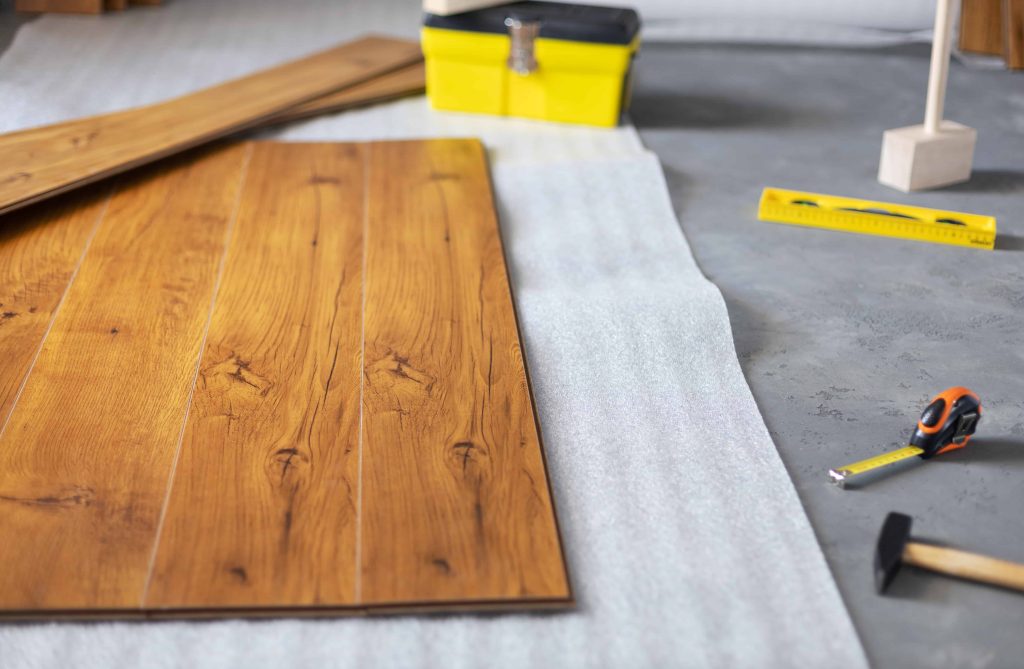
- Easier and faster to install
- Many click-lock systems available
- Can often be DIY-friendly
Vinyl wins in convenience and installation speed.
11. Environmental Impact
Hardwood Flooring
- Natural and renewable material
- Sustainable when sourced responsibly
- Long lifespan reduces waste
Vinyl Flooring
- Made from synthetic materials
- Less eco-friendly
- Some newer versions include recycled content
Hardwood is generally the more environmentally friendly option.
12. Best Use Cases
Choose Hardwood If:
- You want a premium, luxury look
- You plan to stay in your home long-term
- You want to increase resale value
- You prefer natural materials
Choose Vinyl If:
- You have a limited budget
- You need water-resistant flooring
- You want low maintenance
- You have kids or pets
13. Pros and Cons Summary
Hardwood Flooring
Pros:
- Beautiful and timeless
- Long lifespan
- Increases home value
Cons:
- Expensive
- Sensitive to moisture
- Requires maintenance
Vinyl Flooring
Pros:
- Affordable
- Water-resistant
- Easy maintenance
- Comfortable
Cons:
- Shorter lifespan
- Cannot be refinished
- Less premium feel
Final Thoughts
When comparing hardwood vs vinyl flooring, there is no universal winner—it depends on your needs, budget, and lifestyle.
Hardwood flooring is ideal for homeowners who value luxury, natural beauty, and long-term investment. It adds timeless elegance and can significantly increase property value.
Vinyl flooring, on the other hand, is perfect for practical living. It is affordable, water-resistant, easy to maintain, and comfortable for everyday use.
If you want a high-end, long-lasting solution, choose hardwood. If you want convenience, durability, and cost savings, vinyl is the better choice.
 English