

 English




































Best LED Lighting Solutions for Energy Efficiency
-
Admin_Renovators / 5 months
- April 16, 2026
- 0
- 5 min read

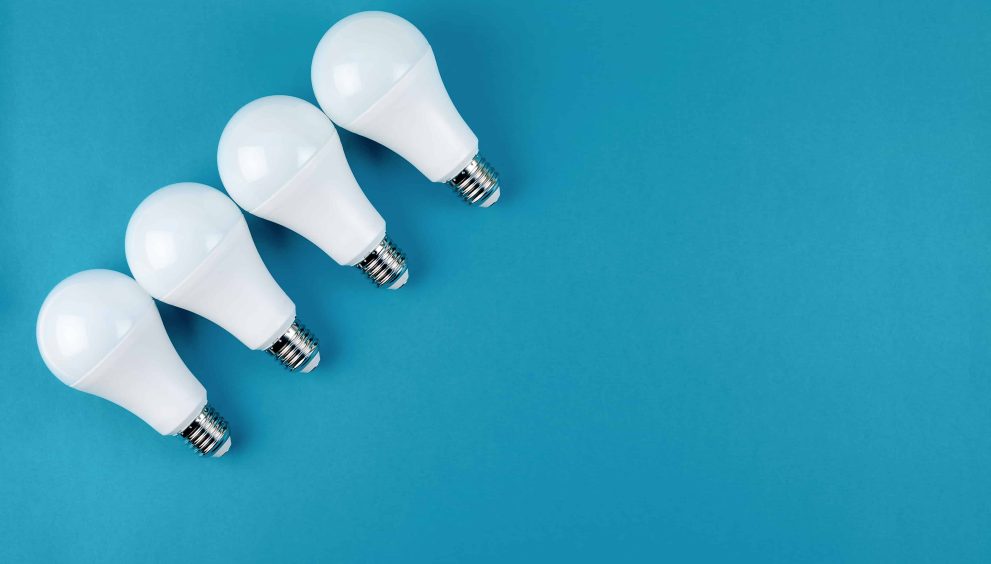
Lighting is one of the most important parts of any home, but it is also one of the biggest sources of electricity consumption. Traditional bulbs waste a large amount of energy as heat, while modern LED lighting systems are designed to deliver maximum brightness with minimal power usage. This makes LEDs the most energy-efficient lighting solution for modern homes.
Switching to LED lighting is not just a design upgrade—it is a long-term investment in lower electricity bills, better performance, and environmental sustainability.
In this guide, we’ll explore the best LED lighting solutions for energy efficiency and how to use them effectively in your home.
Why LED Lighting Is the Most Energy-Efficient Choice
LED (Light Emitting Diode) lighting is widely recognized as the most efficient lighting technology available today. Compared to traditional incandescent bulbs, LEDs use significantly less electricity while producing the same or even brighter light output.
Key benefits of LED energy efficiency:
- Uses up to 80–90% less electricity than traditional bulbs
- Converts most energy into light instead of heat
- Reduces electricity bills significantly over time
- Produces long-lasting illumination with minimal power waste
Studies show that LED lighting can dramatically reduce household energy consumption while maintaining high-quality brightness.
1. LED Bulbs (Best Overall Energy-Saving Solution)
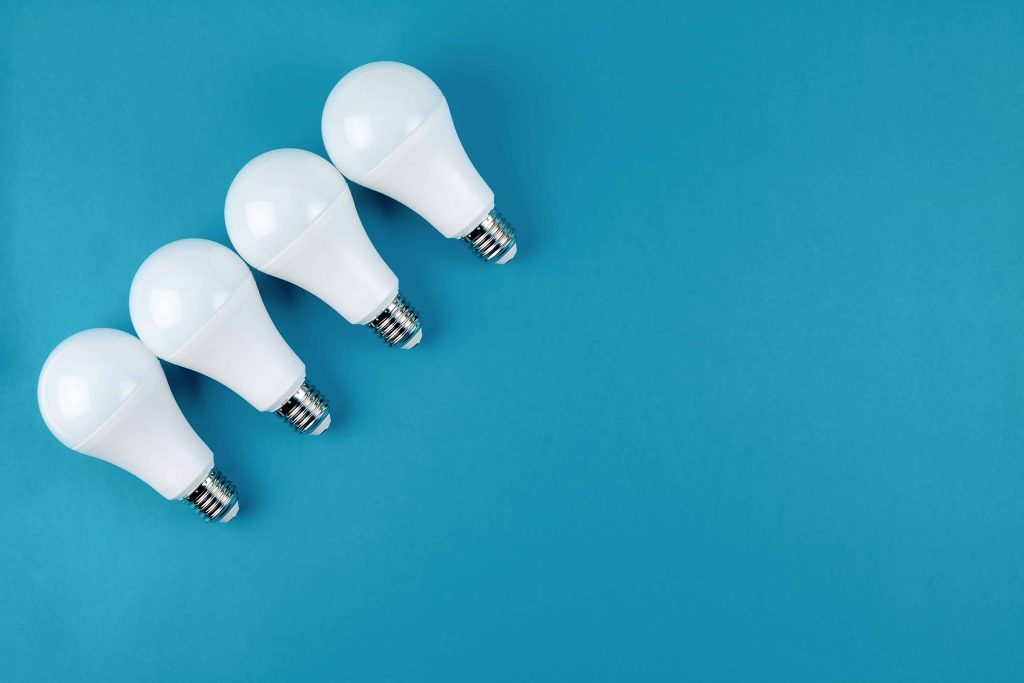
Standard LED bulbs are the simplest and most effective upgrade for energy efficiency in any home.
Why they are efficient:
- Replace old incandescent or CFL bulbs directly
- Use only a fraction of the electricity for the same brightness
- Available in different brightness levels (lumens) and color temperatures
- Long lifespan reduces replacement frequency
LED bulbs are ideal for general home lighting such as bedrooms, living rooms, and hallways. They are often the first step in creating an energy-efficient home.
2. LED Panel Lights (Best for Large Rooms and Offices)
LED panel lights provide uniform brightness across large spaces, making them ideal for modern interiors.
Why they are efficient:
- Even light distribution reduces the need for multiple fixtures
- Low wattage consumption for high brightness output
- Slim design with minimal energy loss
- Ideal for continuous use in large areas
These lights are commonly used in offices, kitchens, and commercial spaces because they combine efficiency with a clean, modern design.
3. LED Downlights (Best for Modern Minimalist Homes)
LED recessed downlights are installed in ceilings and provide focused yet efficient lighting.
Why they are efficient:
- Directional lighting reduces wasted energy
- Can be strategically placed instead of using multiple lamps
- Compatible with dimmers for additional energy savings
- Long-lasting performance with low power usage
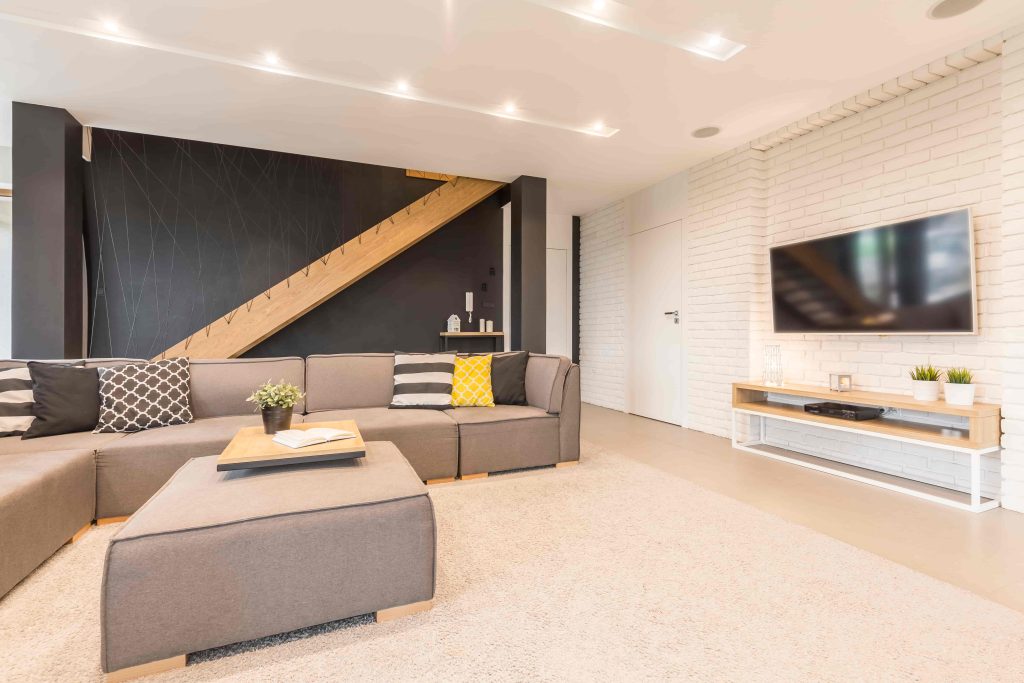
Downlights are perfect for living rooms, kitchens, and bathrooms where modern aesthetics and energy efficiency are both important.
4. LED Strip Lights (Best for Accent and Indirect Lighting)
LED strip lights are flexible lighting solutions used for decorative and ambient effects.
Why they are efficient:
- Very low energy consumption
- Provide ambient lighting without strong overhead fixtures
- Can highlight spaces without increasing main lighting load
- Ideal for indirect lighting, which reduces overall electricity use
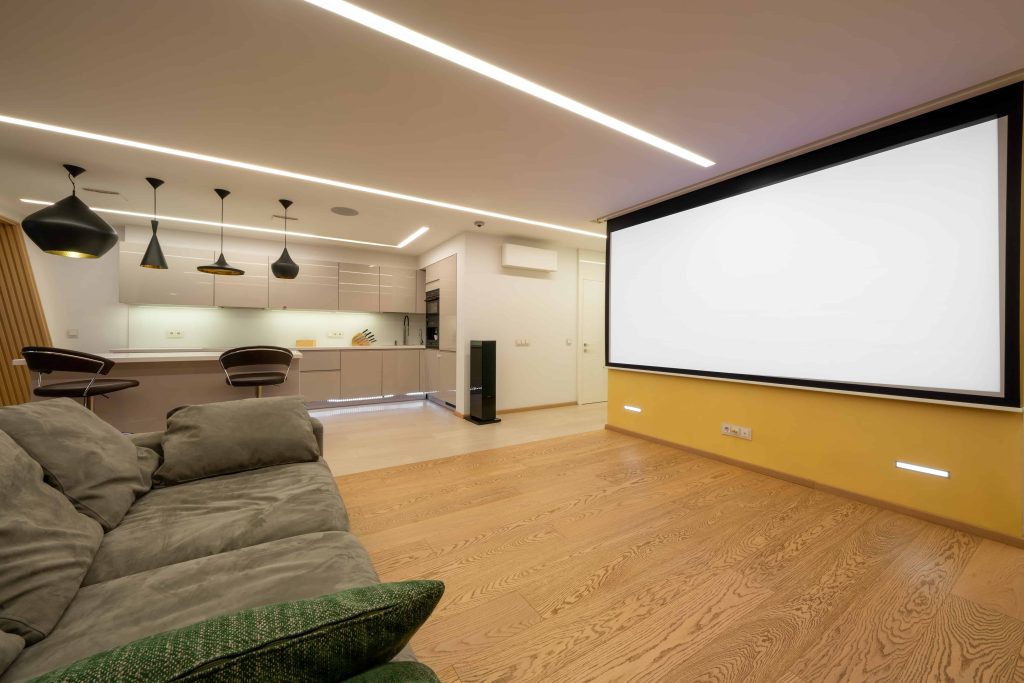
They are commonly used under cabinets, behind TVs, ceilings, and staircases to create modern ambience with minimal energy cost.
5. Smart LED Lighting Systems (Best for Maximum Control and Savings)
Smart LED systems are the most advanced energy-efficient lighting solutions available today.
Why they are efficient:
- Allow remote control via apps or voice assistants
- Enable scheduling and automation to avoid unnecessary usage
- Adjustable brightness reduces wasted energy
- Motion sensors ensure lights are only on when needed
Smart LED lighting helps homeowners optimize energy usage without sacrificing comfort or convenience.
6. LED Tube Lights (Best for Kitchens and Work Areas)
LED tube lights are a direct replacement for traditional fluorescent tubes.
Why they are efficient:
- Use significantly less power than fluorescent lighting
- Provide strong, even illumination for workspaces
- Instant-on technology reduces energy waste
- Long lifespan lowers maintenance costs
They are commonly used in kitchens, garages, and utility rooms where bright and efficient lighting is essential.
7. LED Outdoor Lighting (Best for Security and Landscaping)
Outdoor LED lights are designed for durability and low energy consumption.
Why they are efficient:
- Motion-sensor options reduce unnecessary power usage
- Weather-resistant designs last longer
- Solar LED options eliminate electricity costs entirely
- High brightness with low wattage consumption
Outdoor LED lighting is ideal for pathways, gardens, driveways, and security lighting.
Energy Efficiency Tips for LED Lighting
To maximize savings and performance, it’s important to use LEDs correctly:
1. Use Dimmer Controls
Adjust brightness according to need to reduce energy consumption.
2. Install Motion Sensors
Lights turn on only when movement is detected.
3. Use Task Lighting
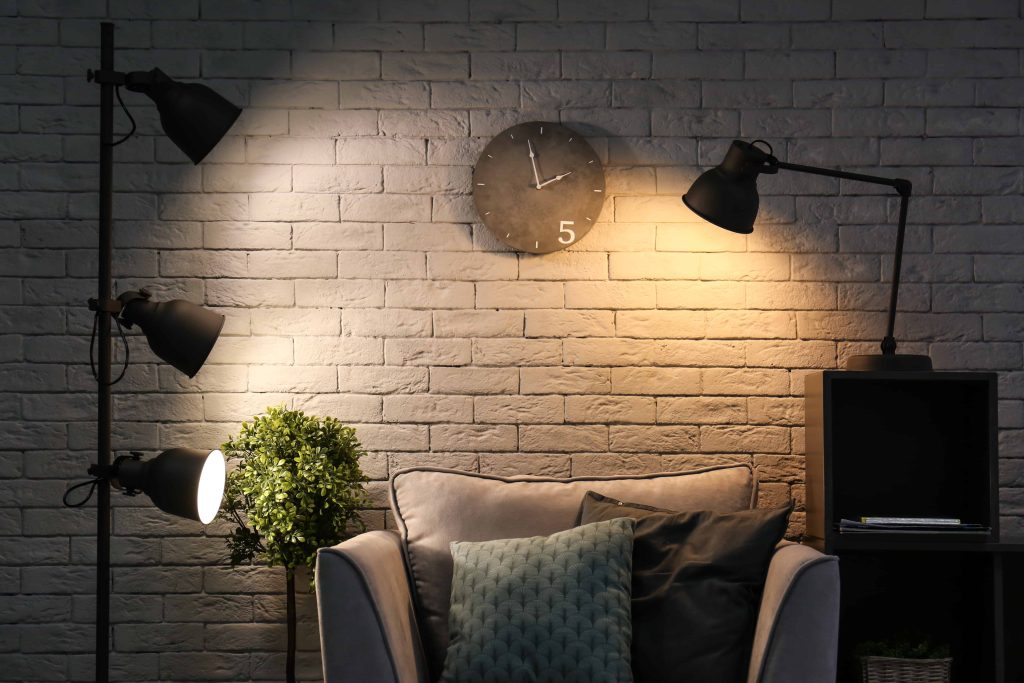
Instead of lighting entire rooms, focus light where needed.
4. Choose the Right Color Temperature
Warm light for relaxation, cool light for workspaces.
5. Turn Off Unused Lights
Even efficient LEDs should not be left on unnecessarily.
Environmental Benefits of LED Lighting
LED lighting is not only energy-efficient but also environmentally friendly:
- Reduces carbon emissions due to lower electricity use
- Contains no harmful materials like mercury
- Produces less heat, reducing cooling needs
- Long lifespan reduces waste and replacements
This makes LED lighting a key part of sustainable home design.
Final Thoughts
LED lighting is the most efficient and practical solution for modern homes. Whether you choose standard bulbs, panel lights, downlights, or smart systems, each option contributes to lower electricity consumption and better long-term savings.
The key to maximizing energy efficiency is not just choosing LED lights, but using them wisely—through layering, smart controls, and proper placement.