Winter in Chicago is known for being long, cold, and often extreme. With freezing temperatures, heavy snowfall, and strong winds coming off Lake Michigan, homeowners need to take extra steps to protect their homes. Proper winter preparation is not just about comfort—it is about preventing costly damage, improving energy efficiency, and ensuring safety throughout the season.
If you want to keep your home warm, efficient, and protected during harsh Midwest winters, here is a complete guide on how to prepare your home for winter in Chicago.
1. Inspect and Seal Windows and Doors
One of the biggest sources of heat loss in winter is air leakage from windows and doors. Even small gaps can significantly increase heating costs.
What to do:
- Check for drafts around windows and doors
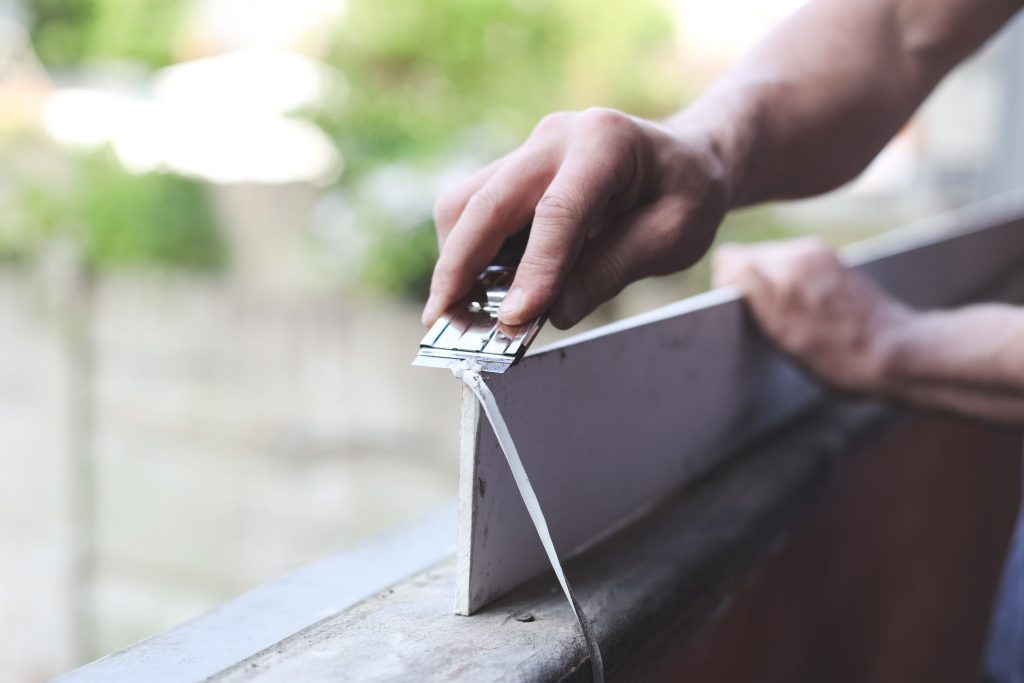
- Apply weather stripping to seal gaps
- Use caulk to close cracks in window frames
- Install door sweeps at the bottom of exterior doors
- Consider thermal curtains for added insulation
Sealing air leaks helps maintain indoor temperature and reduces strain on your heating system.
2. Service Your Heating System Early
Your heating system works the hardest during Chicago winters, so it must be in top condition before temperatures drop.
Maintenance steps:
- Schedule a professional HVAC inspection
- Replace air filters
- Clean vents and ducts if needed
- Test thermostat accuracy
- Check for unusual noises or inefficiency
A well-maintained system runs more efficiently, saves energy, and reduces the risk of mid-winter breakdowns.
3. Insulate Your Home Properly
Proper insulation is essential for keeping warm air inside and cold air out.
Key areas to insulate:
- Attic
- Basement
- Crawl spaces
- Exterior walls
- Pipes in unheated areas
Poor insulation leads to heat loss, higher energy bills, and uncomfortable indoor temperatures.
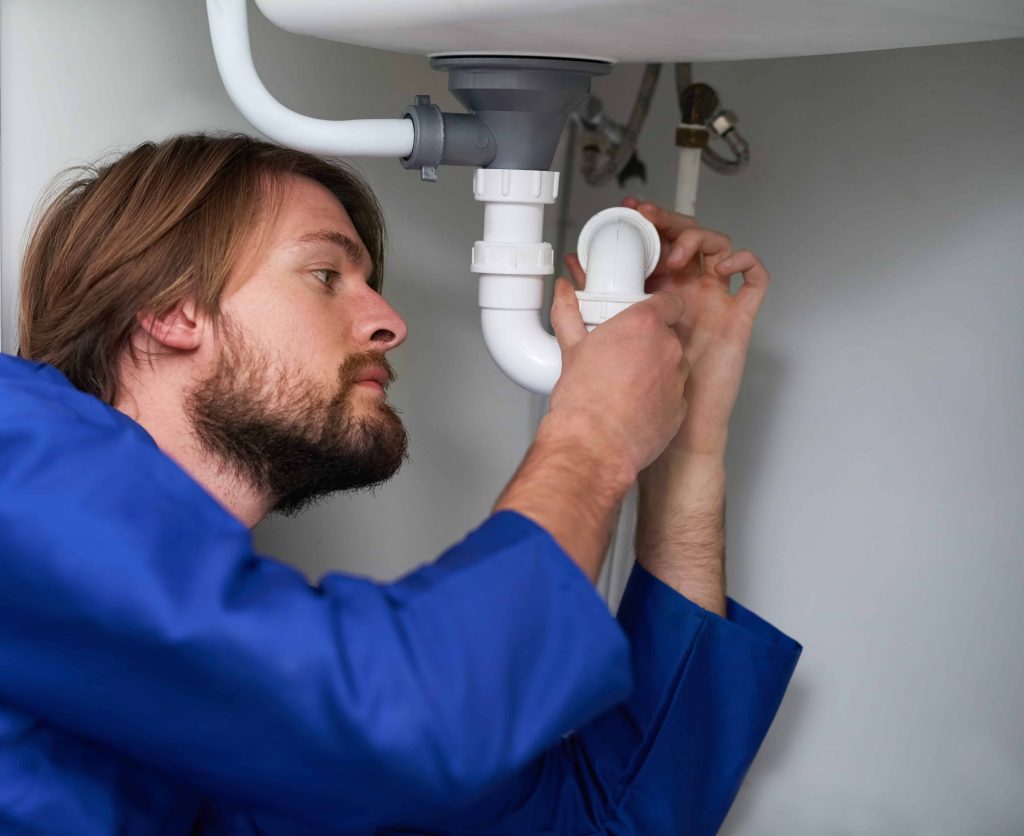
4. Protect Pipes from Freezing
Frozen pipes are one of the most common winter problems in cold climates like Chicago. If pipes freeze and burst, they can cause severe water damage.
Prevention tips:
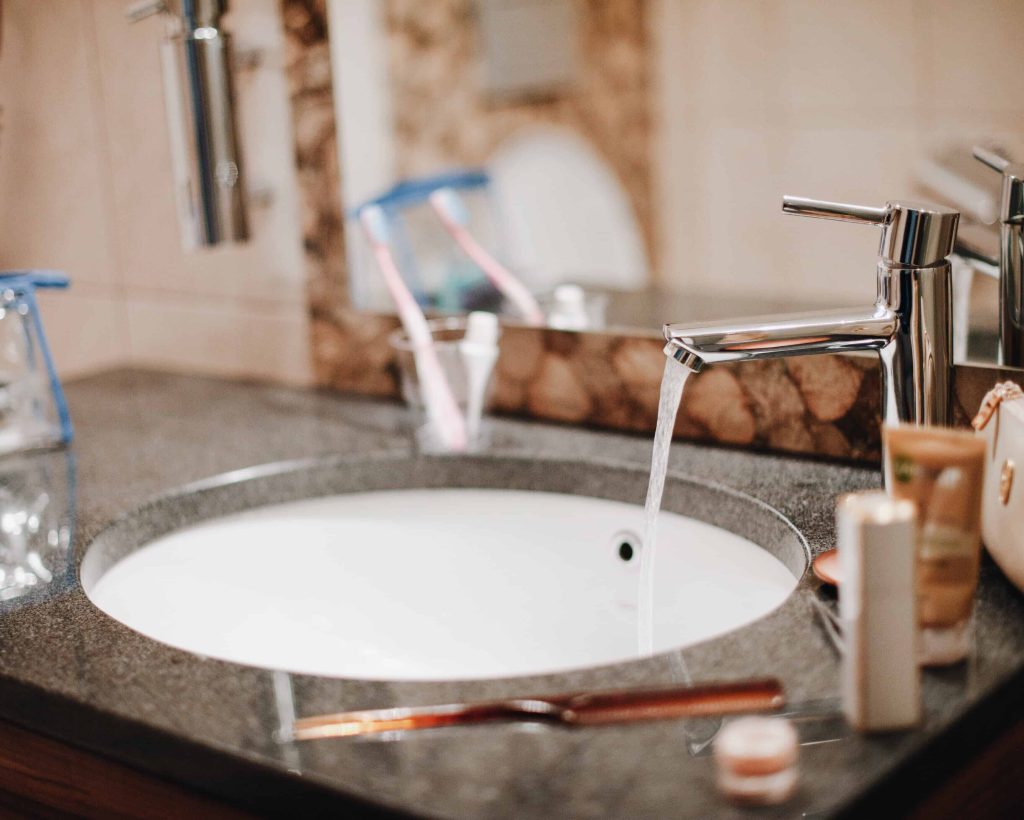
- Wrap exposed pipes with foam insulation
- Keep cabinet doors open under sinks
- Let faucets drip slightly during extreme cold
- Disconnect and drain outdoor hoses
- Shut off exterior water lines
Taking these steps significantly reduces the risk of pipe damage.
5. Clean and Inspect Gutters
Clogged gutters can lead to ice dams, which are a major winter hazard.
What to do:
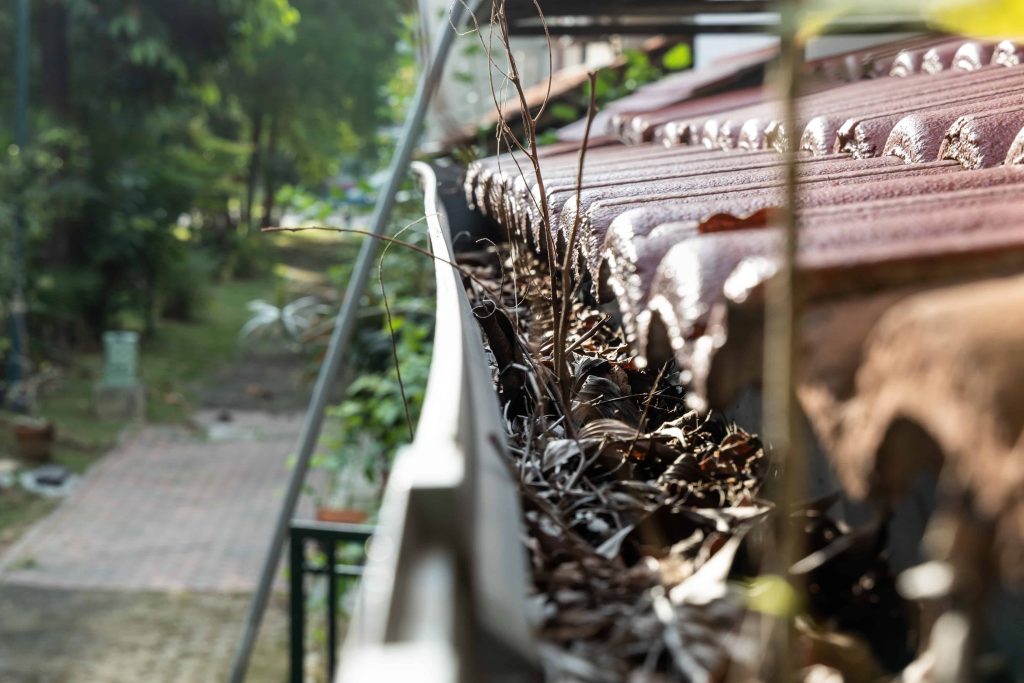
- Remove leaves and debris from gutters
- Ensure downspouts are clear and draining properly
- Check for sagging or damage
- Make sure water flows away from the foundation
Clean gutters help prevent water from freezing and damaging your roof.
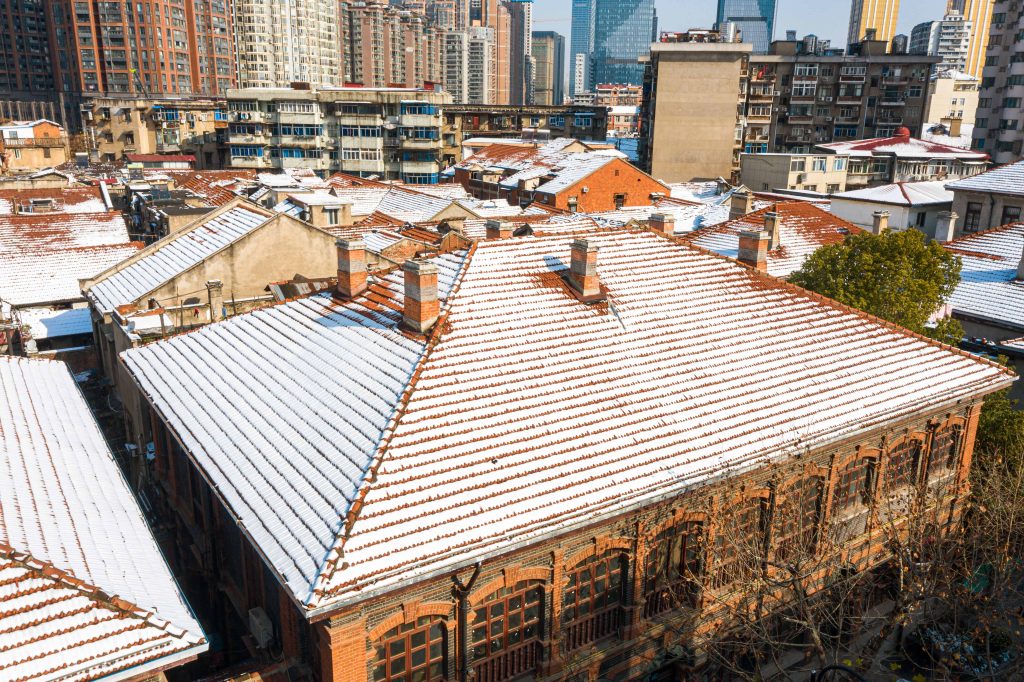
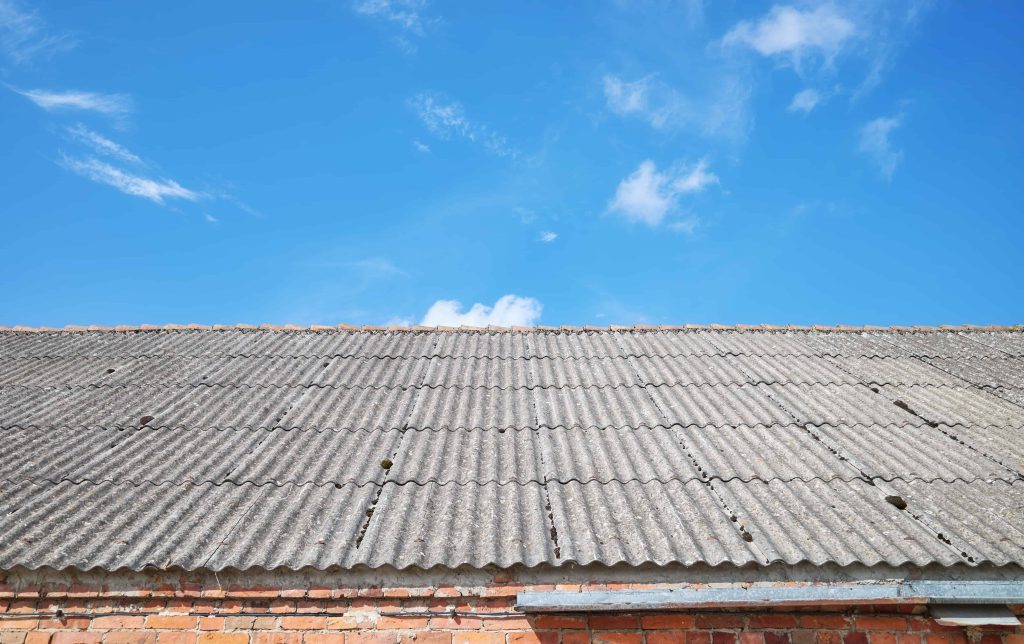
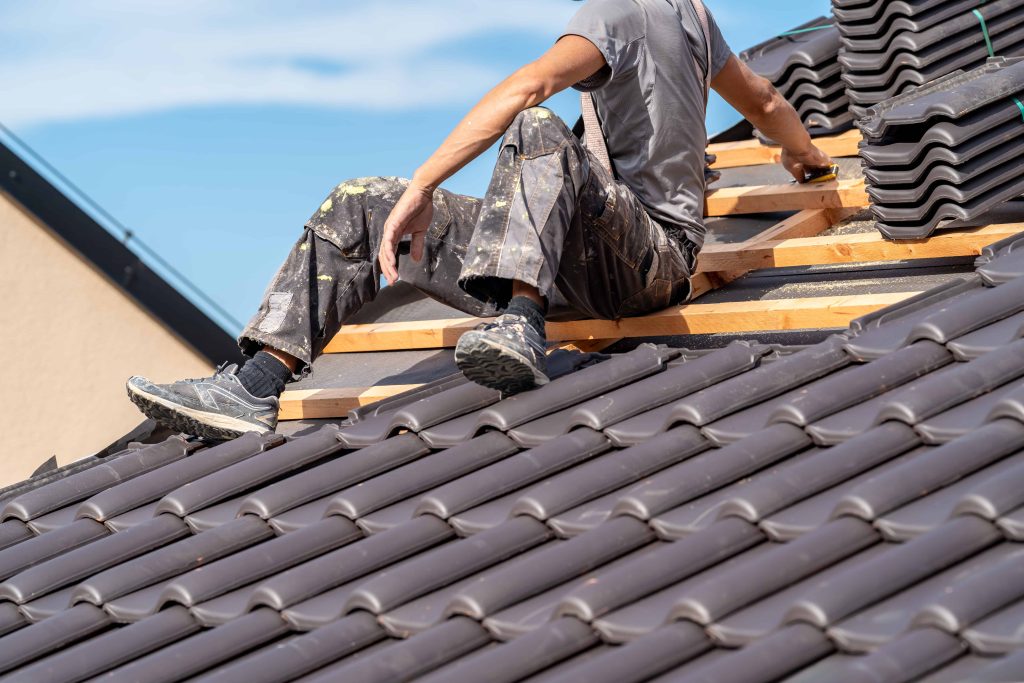
6. Check Your Roof for Damage
Your roof is your home’s first line of defense against snow and ice.
Inspection checklist:
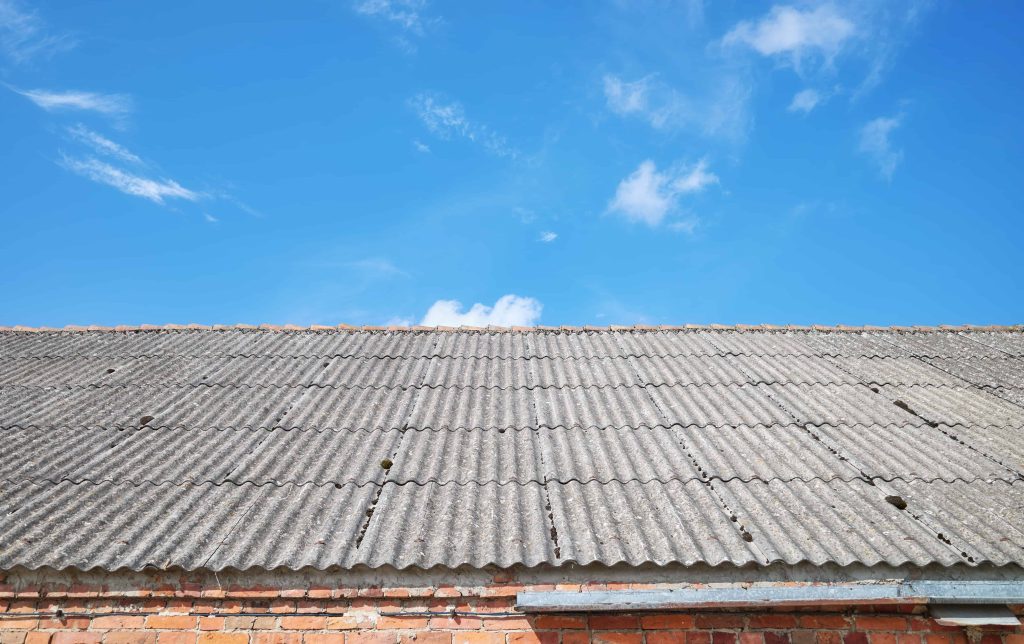
- Look for missing or damaged shingles
- Check for leaks or weak spots
- Inspect flashing around chimneys and vents
- Ensure proper drainage
Even small roof issues can worsen during heavy snowfall and freezing temperatures.
7. Prepare Your Fireplace and Chimney
If your home has a fireplace, winter is the time it becomes essential.
Safety steps:
- Have your chimney professionally cleaned
- Check for blockages or creosote buildup
- Test the damper
- Stock up on dry firewood
A clean chimney ensures safe ventilation and reduces fire hazards.
8. Improve Energy Efficiency
Winter heating costs can rise quickly, so improving efficiency is important.
Energy-saving tips:
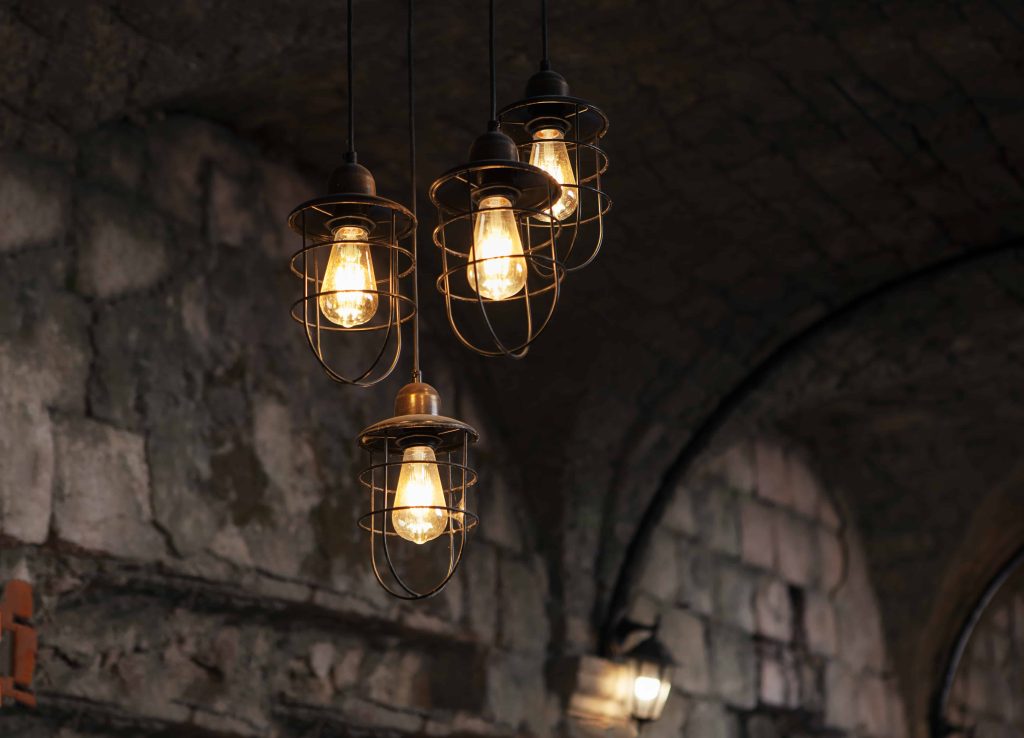
- Upgrade to LED lighting
- Use programmable thermostats
- Close unused rooms to conserve heat
- Add rugs to cold floors for insulation
- Keep blinds open during the day for natural warmth
Small changes can significantly reduce energy bills during winter.
9. Prepare Emergency Supplies
Winter storms in Chicago can sometimes lead to power outages or travel disruptions.
Emergency kit essentials:
- Flashlights and batteries
- Bottled water and non-perishable food
- Extra blankets and warm clothing
- Portable phone chargers
- First aid kit
Being prepared ensures safety during unexpected situations.
10. Winterize Outdoor Areas
Outdoor spaces also need protection before freezing temperatures arrive.
What to do:
- Store patio furniture indoors
- Drain and shut off outdoor faucets
- Cover grills and outdoor equipment
- Trim tree branches near your home
- Clear walkways for snow removal
Proper winterization prevents damage and keeps your property safe.
11. Test Smoke and Carbon Monoxide Detectors
With increased heating usage in winter, safety systems are critical.
Steps:
- Test all detectors
- Replace batteries
- Install additional detectors if needed
- Ensure proper placement near bedrooms and heating systems
This is a small step that provides essential protection.
12. Plan for Snow and Ice Management
Chicago winters often bring heavy snowfall, so preparation is key.
Essentials:
- Keep a snow shovel and ice melt ready
- Arrange snow removal services if needed
- Clear driveway and walkways regularly
- Use sand or salt to prevent slipping
Safe access around your home is important for both comfort and safety.
Final Thoughts
Preparing your home for winter in Chicago is all about prevention, insulation, and efficiency. By sealing air leaks, maintaining your heating system, protecting pipes, and improving insulation, you can keep your home safe and comfortable even during the harshest cold spells.
Winter preparation is not just a seasonal task—it is an investment in your home’s long-term durability and your family’s comfort. With the right steps, you can enjoy a warm, energy-efficient, and stress-free winter season.
 English