
 English













Common Plumbing Problems and How to Fix Them
-
Admin_Renovators / 5 months
- April 16, 2026
- 0
- 5 min read

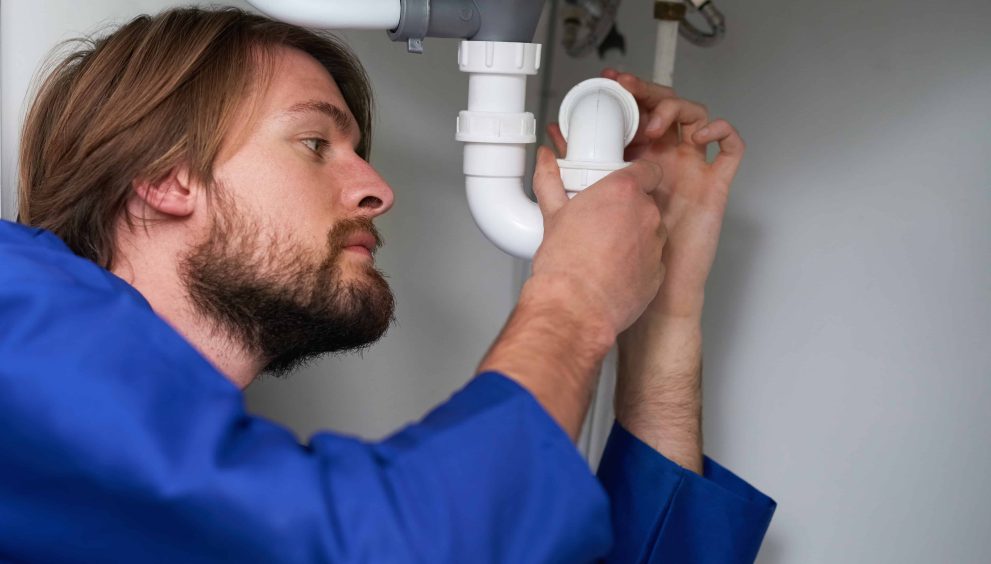
Plumbing is one of the most important systems in any home, but it is often taken for granted until something goes wrong. From dripping faucets to clogged drains and running toilets, plumbing problems can disrupt daily life, waste water, and even cause expensive damage if ignored.
The good news is that many common plumbing issues are easy to understand—and some can be fixed without calling a professional. However, knowing when to DIY and when to call an expert is just as important.
In this guide, we’ll cover the most common plumbing problems homeowners face and how to fix them effectively.
1. Dripping Faucets
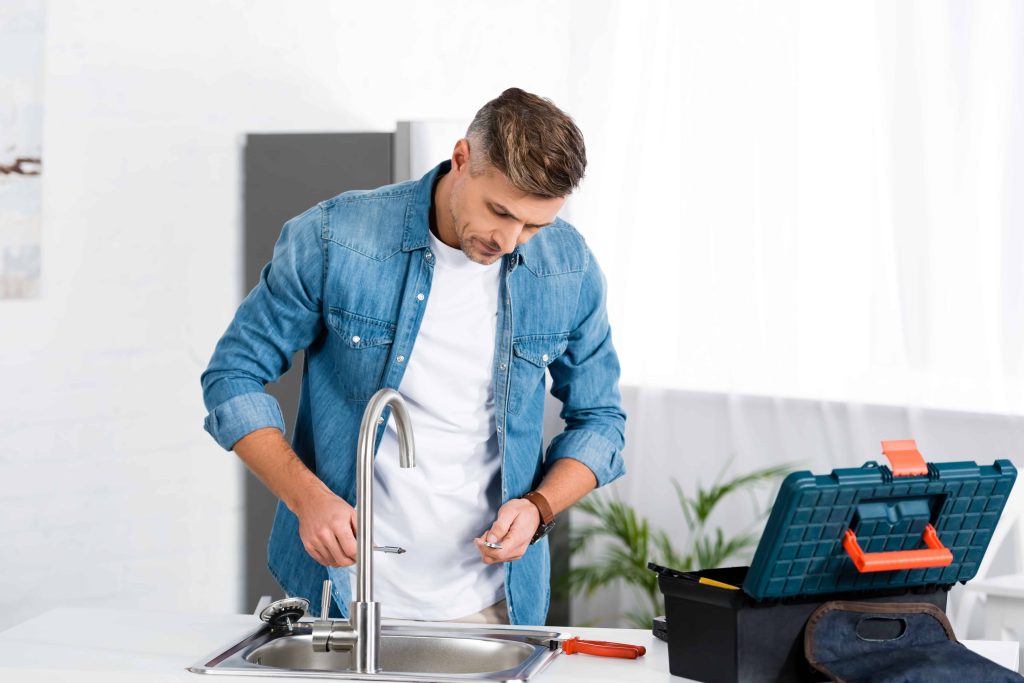
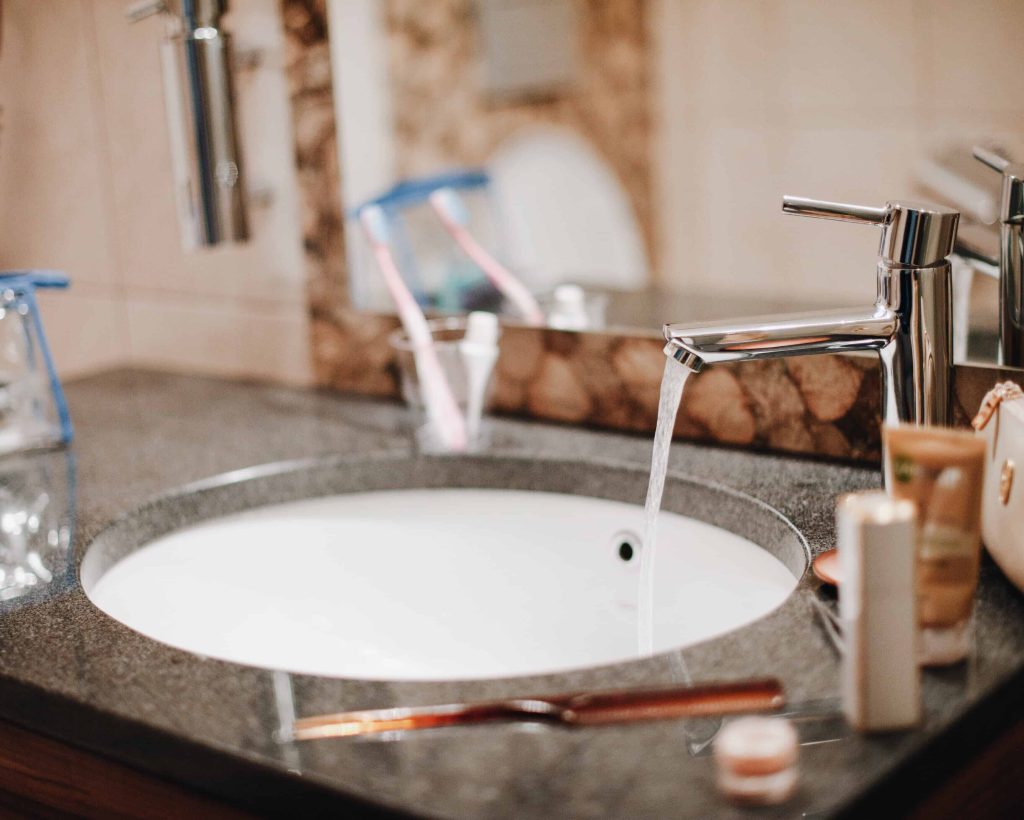
A dripping faucet is one of the most common plumbing issues in homes. While it may seem minor, it can waste a significant amount of water over time and increase your utility bill.
Common causes:
- Worn-out rubber washers
- Damaged O-rings
- Corroded valve seat
- Loose or broken internal parts
How to fix it:
- Turn off the water supply
- Remove the faucet handle
- Replace the worn washer or O-ring
- Reassemble the faucet
In most cases, replacing small internal parts solves the problem.
When to call a plumber:
If the faucet body is corroded or leaking continues after repair.
2. Clogged Drains
Clogged sinks, showers, and tubs are another frequent issue caused by buildup over time.
Common causes:
- Hair buildup
- Soap residue
- Grease or food particles
- Foreign objects
How to fix it:
- Use a plunger to loosen the blockage
- Pour hot water mixed with baking soda and vinegar
- Use a drain snake for deeper clogs
- Clean the drain stopper regularly
Avoid using harsh chemical cleaners too often, as they can damage pipes.
Prevention tips:
- Install drain covers
- Avoid pouring grease down the sink
- Clean drains weekly
3. Running Toilet
A running toilet can waste hundreds of liters of water daily if not fixed quickly.
Common causes:
- Faulty flapper valve
- Improper float height
- Worn-out fill valve
- Chain issues inside the tank
How to fix it:
- Remove the toilet tank lid
- Check the flapper for proper sealing
- Adjust or replace the float
- Replace damaged fill valve if needed
Most running toilet issues are simple and inexpensive to fix.
4. Low Water Pressure
Low water pressure can make showers and daily tasks frustrating.
Common causes:
- Clogged aerators or showerheads
- Pipe leaks
- Mineral buildup
- Municipal supply issues
How to fix it:
- Clean faucet aerators with vinegar
- Remove and clean showerheads
- Check for visible leaks
- Inspect pressure regulator
If the problem affects the whole house, it may require professional inspection.
5. Leaky Pipes
Pipe leaks can cause serious water damage if not addressed quickly.
Common causes:
- Corrosion
- High water pressure
- Loose joints
- Temperature changes
How to fix it (temporary solution):
- Turn off water supply
- Use plumber’s tape for small leaks
- Apply pipe repair clamps or epoxy
- Replace damaged pipe sections if necessary
Important note:
Even small leaks should be repaired permanently by a plumber to avoid long-term damage.
6. Slow Draining Sink or Shower
A slow drain usually indicates partial blockage in the plumbing system.
Common causes:
- Soap scum buildup
- Hair accumulation
- Grease deposits
How to fix it:
- Use a plunger
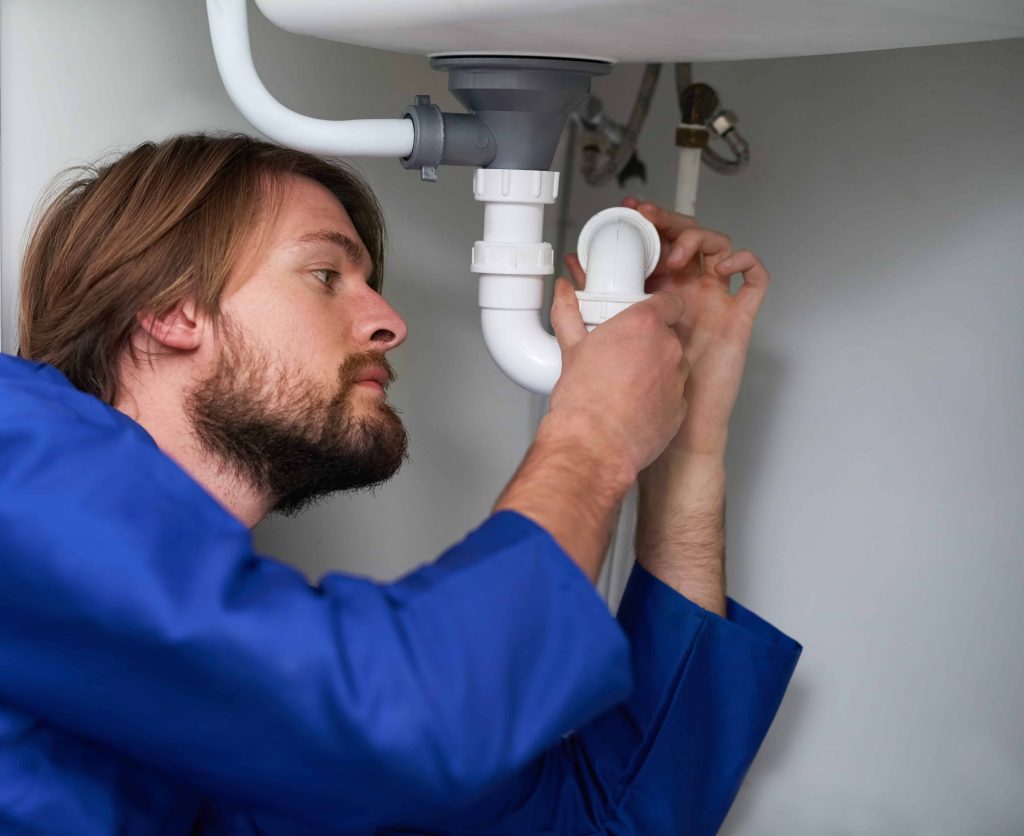
- Clean the drain trap (P-trap)
- Flush with baking soda and vinegar
- Use a drain snake if needed
Regular cleaning helps prevent recurrence.
7. Water Heater Problems
Hot water issues are common in many households.
Common problems:
- No hot water
- Inconsistent temperature
- Strange noises
- Leaking tank
Possible causes:
- Sediment buildup
- Faulty thermostat
- Heating element failure
How to fix it:
- Flush the water heater tank annually
- Reset thermostat settings
- Replace heating elements if needed
For major issues or leaks, professional service is recommended.
8. Noisy Pipes (Water Hammer)
If you hear banging or knocking sounds in your pipes, it is likely water hammer.
Common causes:
- Sudden stop in water flow
- High water pressure
- Loose pipes
How to fix it:
- Install air chambers or water hammer arrestors
- Secure loose pipes
- Reduce water pressure if too high
Ignoring this issue can lead to long-term pipe damage.
9. Sewer System Backup
A sewer backup is a serious plumbing issue that requires immediate attention.
Common causes:
- Tree root intrusion
- Blocked sewer lines
- Heavy rainfall overload
- Grease buildup
Warning signs:
- Multiple drains backing up
- Foul odors
- Gurgling sounds in pipes
What to do:
- Stop using water immediately
- Call a professional plumber
- Avoid attempting DIY repairs
This is not a DIY fix and needs urgent expert attention.
10. Faulty or Leaking Hose Bibs (Outdoor Faucets)
Outdoor faucets often develop leaks due to weather exposure.
Common causes:
- Frozen pipes in winter
- Worn washers
- Cracked fittings
How to fix it:
- Replace washers or seals
- Insulate outdoor faucets during winter
- Replace damaged hose bibs
Proper winterization helps prevent this issue.
11. Garbage Disposal Issues
Kitchen garbage disposals can jam or stop working.
Common problems:
- Jamming from food waste
- Electrical issues
- Smelly buildup
How to fix it:
- Turn off power before checking
- Use an Allen wrench to free blades
- Clean with ice and citrus peels
- Reset the unit using the reset button
Never put hard or fibrous materials into the disposal.
12. Preventing Plumbing Problems
Prevention is always better than repair.
Maintenance tips:
- Avoid pouring grease into sinks
- Clean drains regularly
- Inspect pipes for leaks
- Schedule annual plumbing checks
- Use strainers in sinks and showers
Regular maintenance reduces the risk of major plumbing issues.
When to Call a Professional Plumber
While minor issues can be fixed at home, some situations require expert help:
- Major leaks or burst pipes
- Sewer line problems
- No water supply
- Repeated plumbing issues
- Water heater failure
Professional plumbers have the tools and expertise to fix complex problems safely.
Final Thoughts
Plumbing problems are a normal part of homeownership, but understanding how to identify and fix them can save you time, money, and stress. Many common issues—like dripping faucets, clogged drains, and running toilets—can be resolved with simple tools and basic knowledge.
However, knowing your limits is important. When problems become complex or persistent, calling a professional ensures long-term solutions and protects your home from damage.