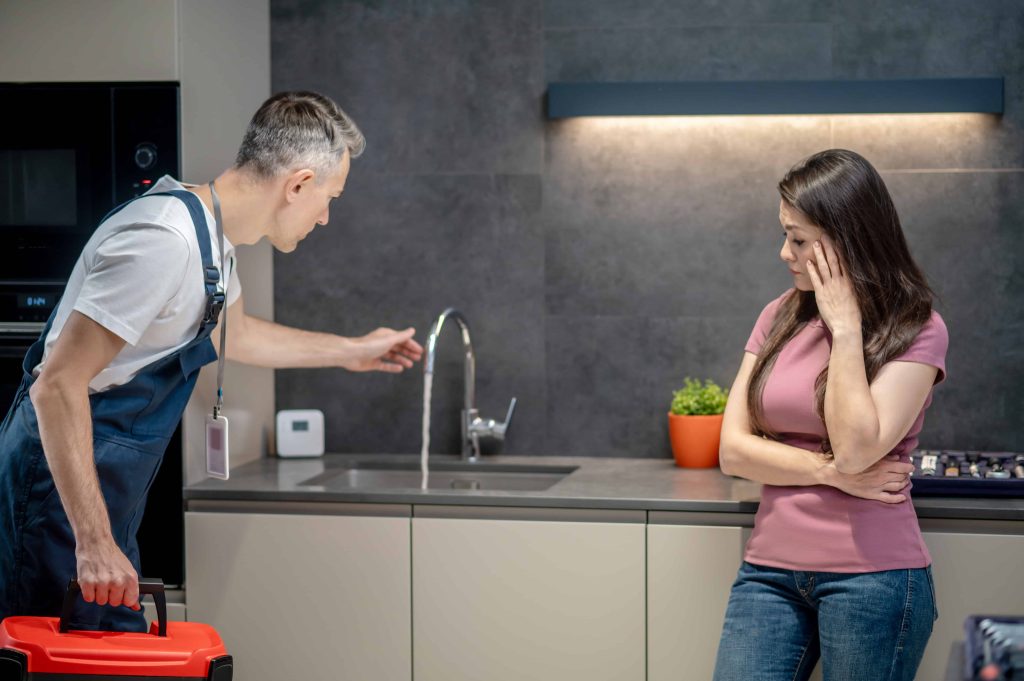
Home repair emergencies can happen at any time—often when you least expect them. A burst pipe, electrical failure, gas leak, or structural issue can quickly turn into a dangerous and costly situation if not handled properly. Knowing what to do in these moments is critical to protecting your home, your belongings, and most importantly, your safety.
The key to managing any home repair emergency is staying calm, acting quickly, and taking the right steps. This guide will walk you through how to respond effectively to different types of emergencies and minimize damage before professional help arrives.
What Is a Home Repair Emergency?
A home repair emergency is any situation that:
- Poses a risk to your safety
- Can cause significant property damage
- Disrupts essential systems (water, electricity, gas)
- Requires immediate attention
Common examples:
- Burst pipes or major leaks
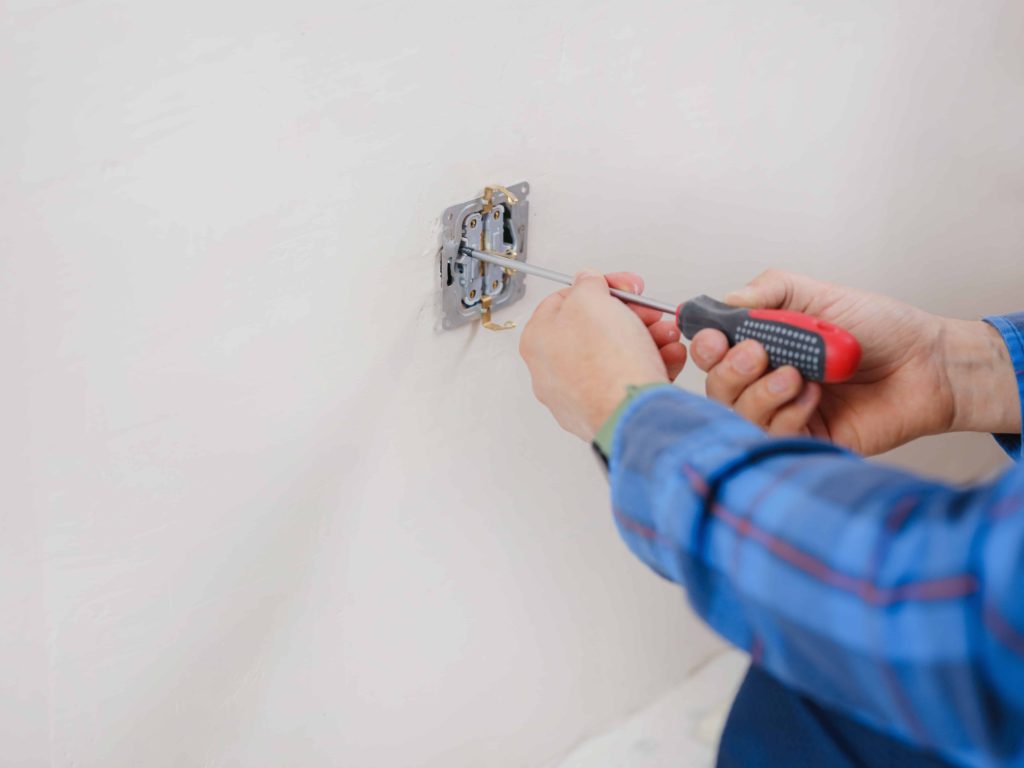
- Electrical failures or sparks
- Gas leaks
- Roof damage during storms
- Sewage backups
Understanding the severity of the issue helps you respond appropriately.
Step 1: Stay Calm and Assess the Situation
In any emergency, panic can make things worse. Take a moment to assess what is happening.
Ask yourself:
- What is the source of the problem?
- Is there immediate danger (fire, water flooding, gas leak)?
- Can the situation be contained safely?
Quick assessment helps you decide the next steps and avoid unnecessary risks.
Step 2: Shut Off the Main Utilities
One of the most important actions in a home emergency is shutting off the relevant utility.
Water Emergencies:
- Turn off the main water supply valve immediately
Electrical Emergencies:
- Switch off the main circuit breaker
Gas Emergencies:
- Turn off the gas supply valve (if safe to do so)
- Evacuate immediately if you smell gas
Knowing the location of these shut-offs in advance can save valuable time during emergencies.
Step 3: Ensure Safety First
Your safety and your family’s safety should always come before property.
Important precautions:
- Avoid standing water near electrical sources
- Do not touch exposed wires
- Leave the house if you smell gas
- Use protective gloves if handling debris
- Keep children and pets away from danger zones
Never attempt repairs that could put you at risk.
Step 4: Control the Damage
Once the situation is safe, try to limit further damage.
For water leaks:
- Use buckets or towels to contain water
- Move furniture and valuables away from affected areas
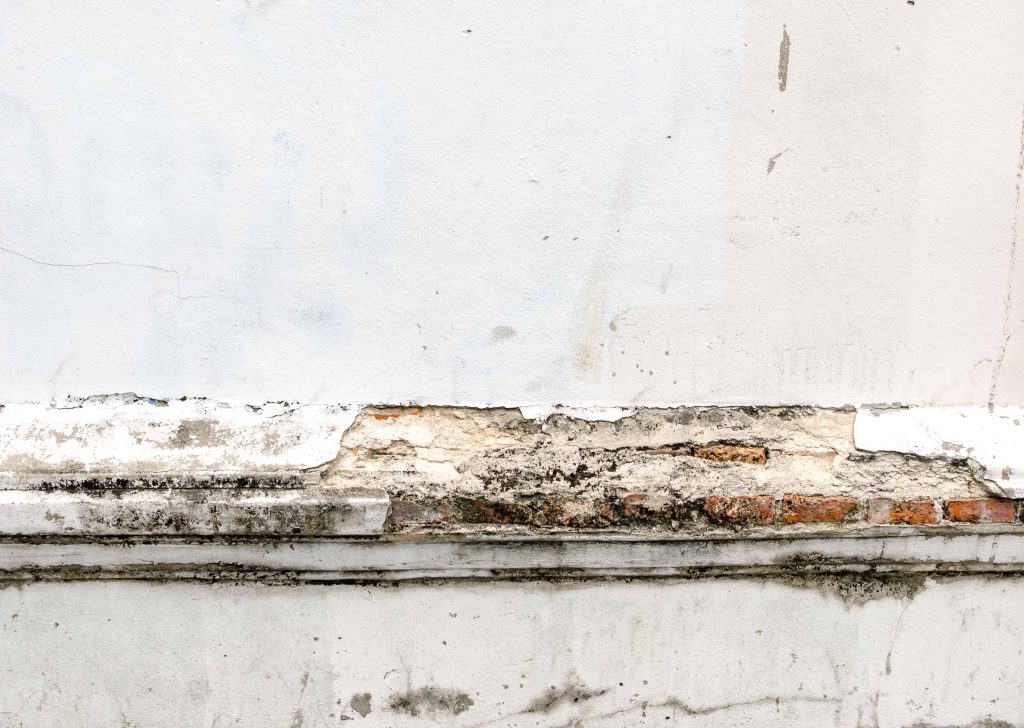
- Dry surfaces to prevent mold growth
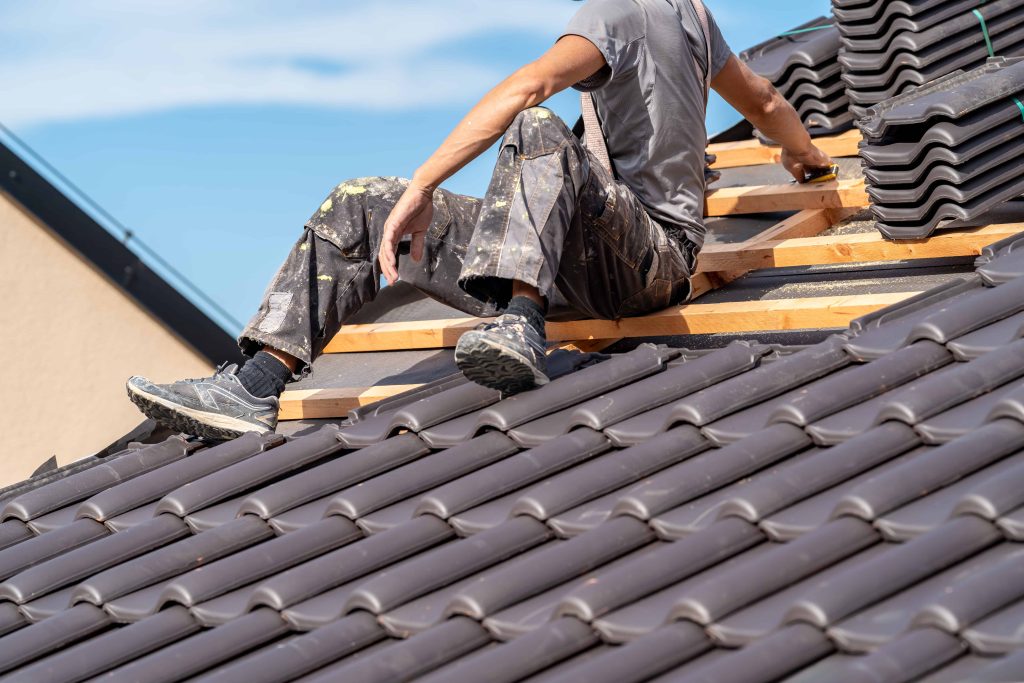
For roof damage:
- Cover exposed areas with a tarp if possible
For broken windows:
- Seal temporarily with plastic sheets or boards
Quick action can significantly reduce repair costs.
Step 5: Document the Damage
Documentation is important, especially if you plan to file an insurance claim.
What to do:
- Take clear photos and videos of the damage
- Note the time and cause of the incident
- Keep records of damaged items
Proper documentation helps speed up insurance processing and ensures fair compensation.
Step 6: Contact the Right Professionals
Most home repair emergencies require expert assistance.
Who to call:
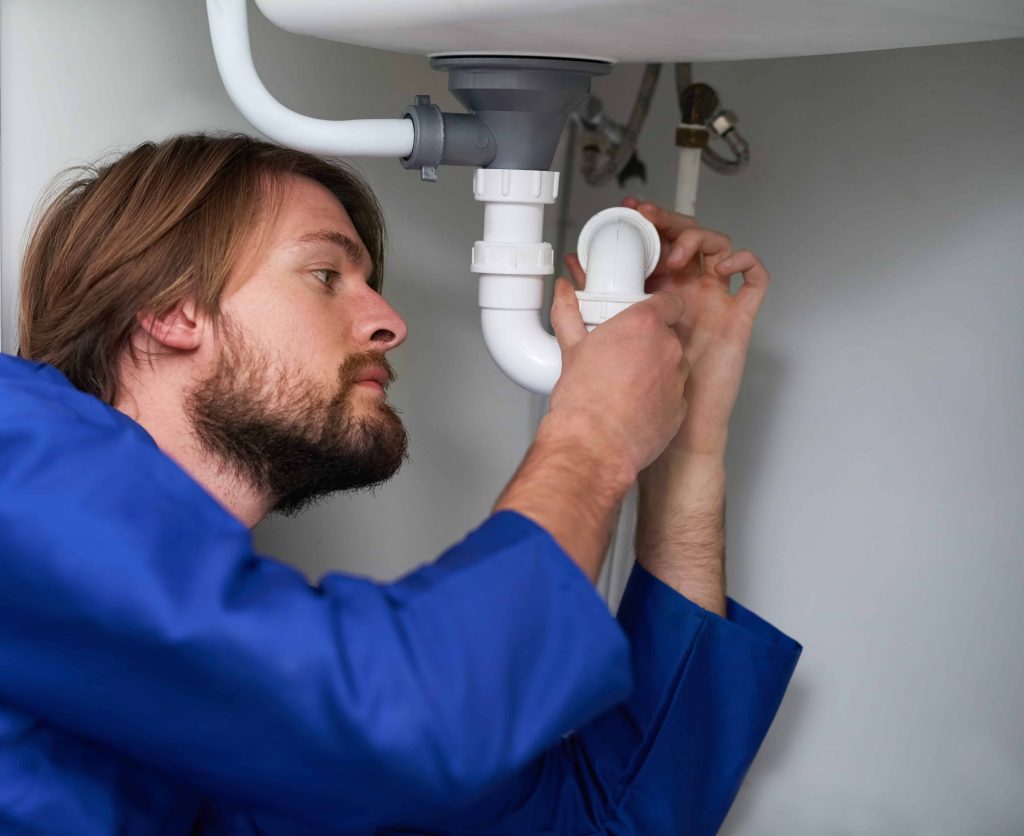
- Plumber for water leaks or burst pipes
- Electrician for electrical issues
- HVAC technician for heating/cooling problems
- Roofing contractor for roof damage
- Emergency services for fire or gas leaks
Avoid attempting major repairs yourself—professionals have the tools and expertise to fix the issue safely.
Step 7: Avoid DIY Fixes for Major Problems
While small issues can sometimes be handled at home, emergencies are different.
Avoid:
- Repairing major electrical faults
- Handling gas line issues
- Fixing large structural damage
- Attempting complex plumbing repairs
Temporary fixes may help, but improper repairs can make the situation worse.
Step 8: Prevent Mold and Secondary Damage
After water-related emergencies, mold can develop quickly—sometimes within 24–48 hours.
Prevention tips:
- Dry affected areas immediately
- Use fans and dehumidifiers
- Remove wet carpets or materials
- Disinfect surfaces
Taking action early prevents long-term health risks and costly repairs.
Step 9: Check Your Insurance Coverage
After handling the immediate situation, review your home insurance policy.
Steps:
- Contact your insurance provider
- Submit documentation and evidence
- Follow their claim process
Understanding your coverage can help reduce financial stress after an emergency.
Common Home Repair Emergencies and What to Do
1. Burst Pipe
- Shut off water supply
- Drain remaining water from faucets
- Call a plumber immediately
2. Electrical Failure or Sparks
- Turn off main power
- Avoid using affected outlets
- Contact an electrician
3. Gas Leak
- Evacuate the house immediately
- Do not use electrical switches
- Call emergency services
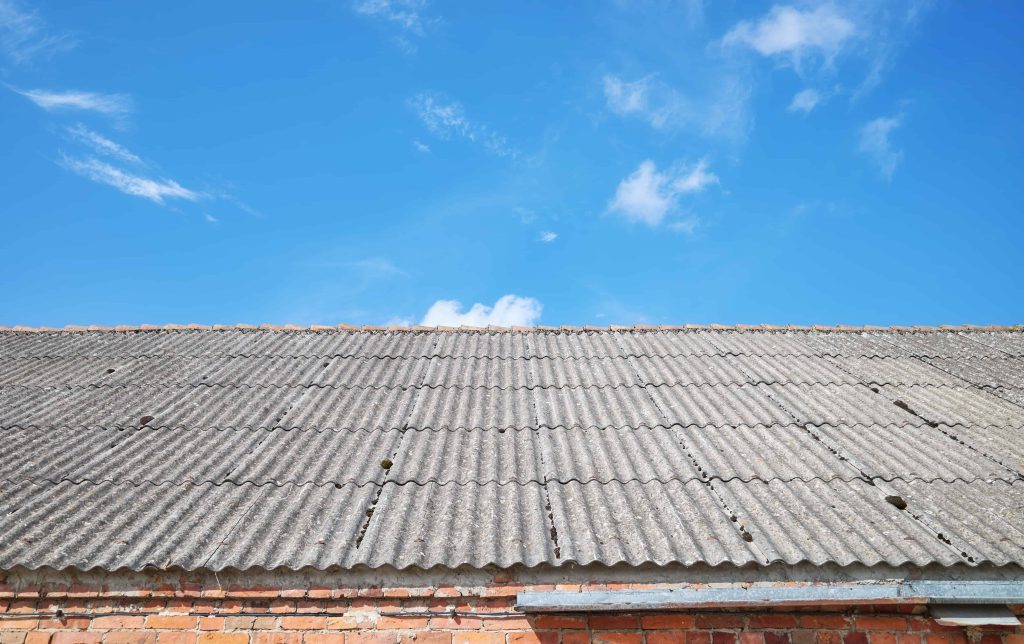
4. Roof Leak
- Contain water with buckets
- Cover area with tarp if safe
- Call a roofing professional
5. Sewage Backup
- Stop using water
- Avoid contact with contaminated water
- Call a professional immediately
Emergency Preparedness Tips
Preparation can make a huge difference during emergencies.
Keep these ready:
- Emergency contact numbers
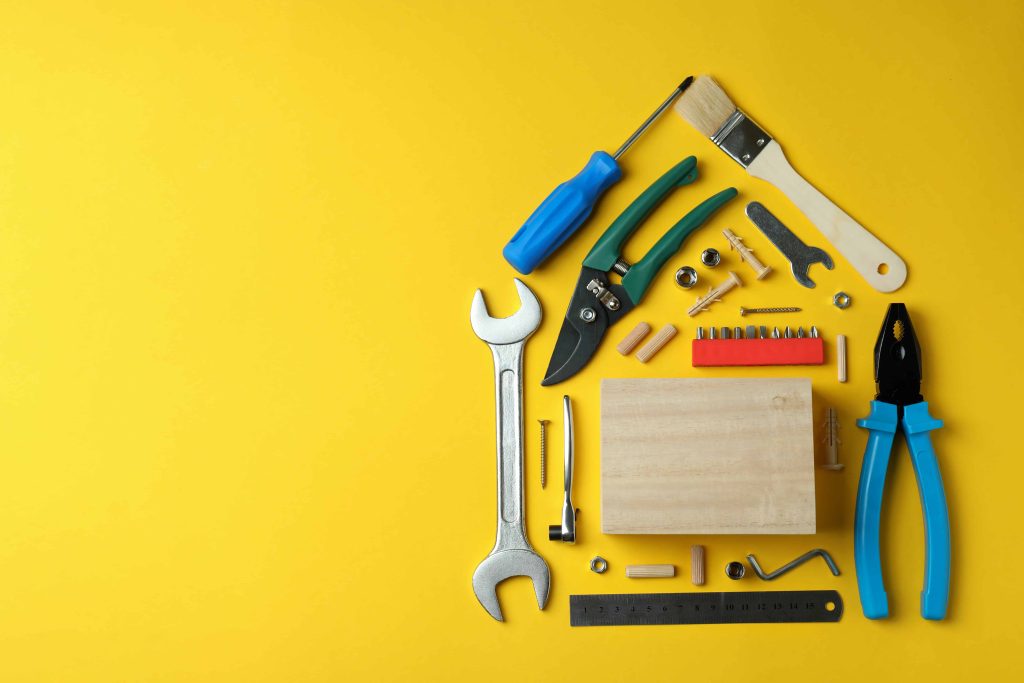
- Basic tool kit
- Flashlights and batteries
- First aid kit
- Towels and buckets
- Fire extinguisher
Know:
- Location of shut-off valves
- Electrical panel access
- Emergency exits
Being prepared reduces panic and improves response time.
Common Mistakes to Avoid
- Ignoring early warning signs
- Delaying professional help
- Attempting risky DIY repairs
- Not shutting off utilities quickly
- Failing to document damage
Avoiding these mistakes helps prevent further damage and ensures safety.
Long-Term Prevention Strategies
The best way to handle emergencies is to prevent them.
Maintenance tips:
- Inspect plumbing regularly
- Service HVAC systems annually
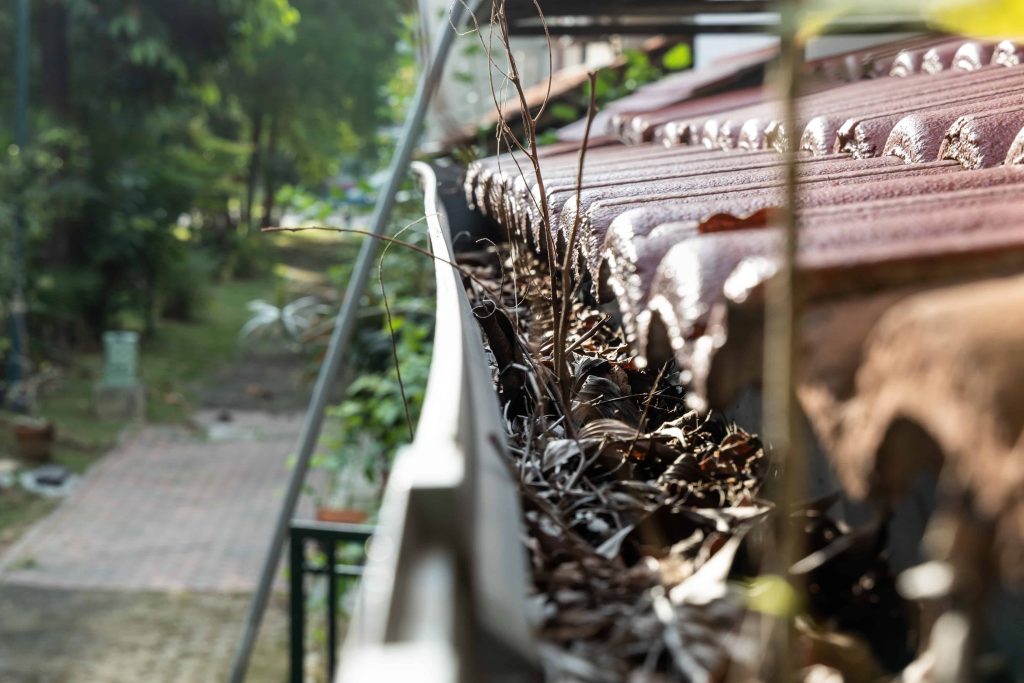
- Check roof and gutters seasonally
- Test electrical systems
- Address small issues before they grow
Regular maintenance reduces the likelihood of sudden emergencies.
Final Thoughts
Home repair emergencies can be stressful, but knowing how to respond makes all the difference. The most important priorities are safety, quick action, and professional support.
By staying calm, shutting off utilities, controlling damage, and calling the right experts, you can minimize risks and protect your home effectively. Preparation and regular maintenance further reduce the chances of emergencies occurring in the first place.
 English